9 August 2025
The assertion that this area is rich in archaeological remains is certainly no exaggeration. The multiple places we visited were all within a square with each side measuring 8km (5 miles).
We began our day by following the partially way-marked Yarrows Archaeology Trail. In this area there are said to be more than 250 archaeological sites!

The Iron Age Yarrows broch is within sight of the car park. It was built over 2,000 years ago as a home, place of refuge and symbol of power. When it was excavated over 150 years ago, evidence for later building was found around the broch too.
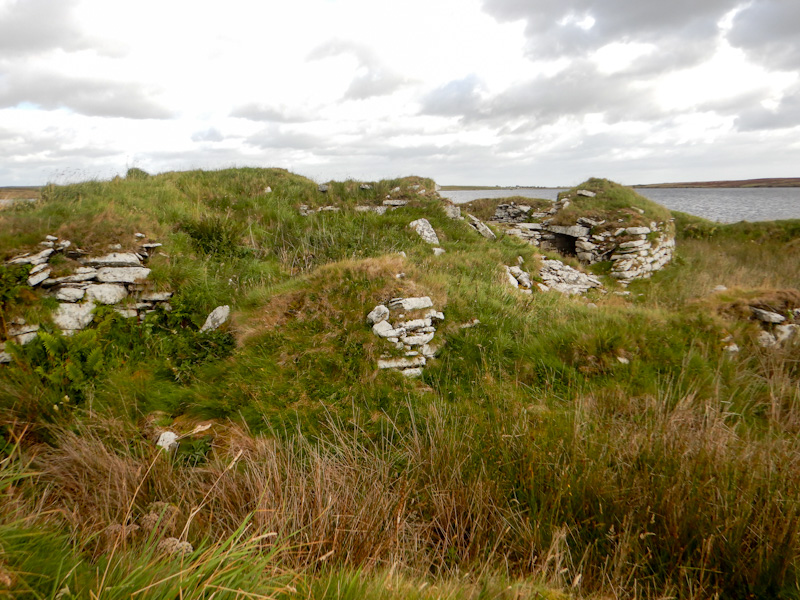
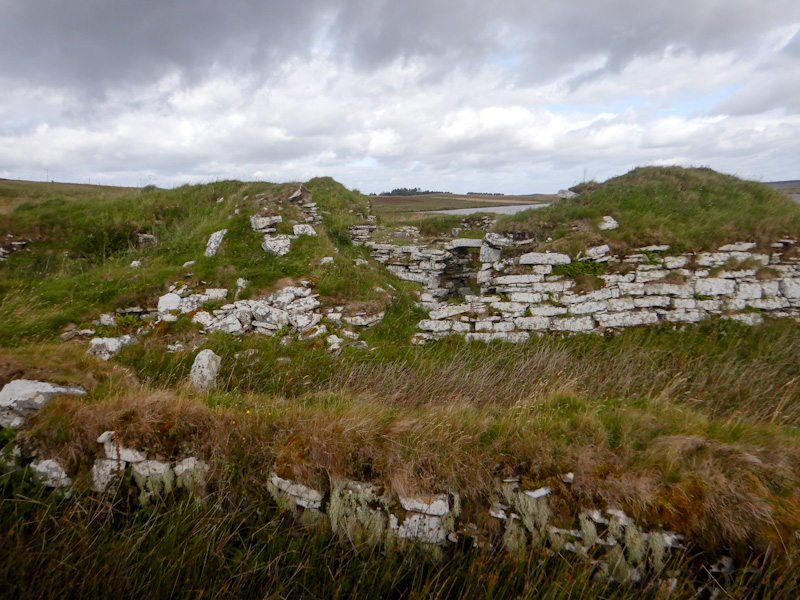
As we continued our walk, we came to an area where people had built their homes around 4,000 years ago. All that remains on the ground are hut circles, more easily seen from above.
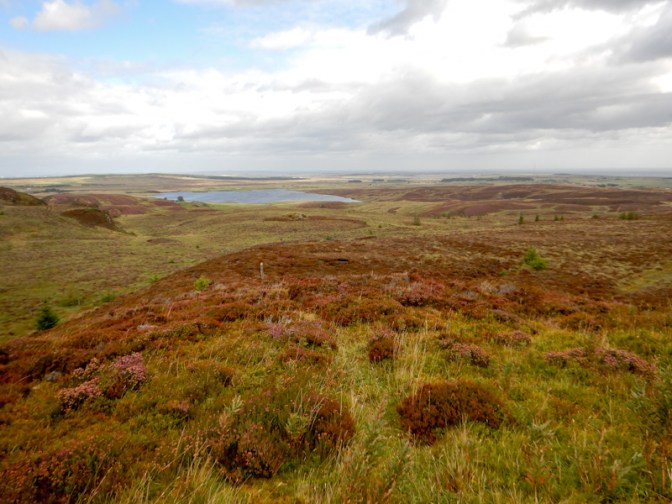
Eventually, as we walked up the hill, we reached a cairn. Originally thought to be a round cairn, it is now recognised as a Bronze Age long cairn. This is probably over 5,000 years old and would have been a communal tomb with a main chamber and then compartments where people were placed along with pottery. There is a second cairn on the summit. These cairns are easy to spot, but there are numerous less obvious burial cairns, many of which have never been excavated, all over the area.
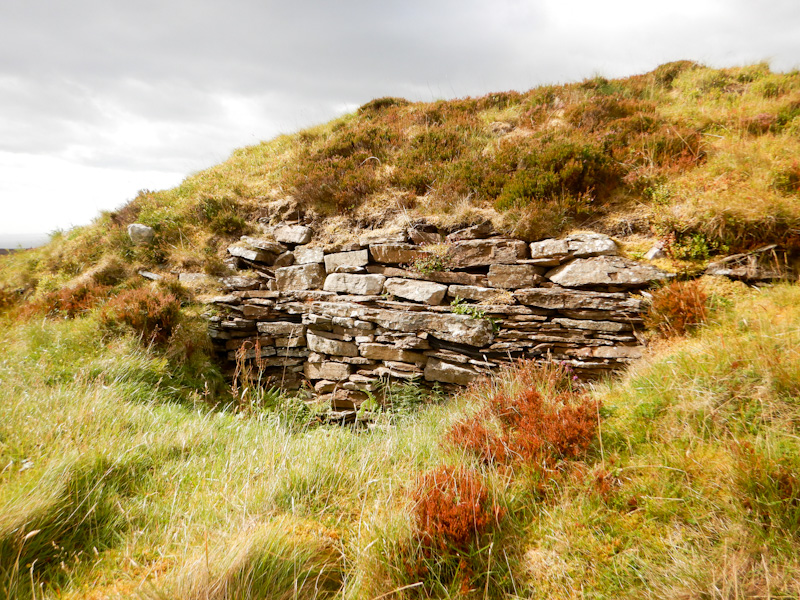
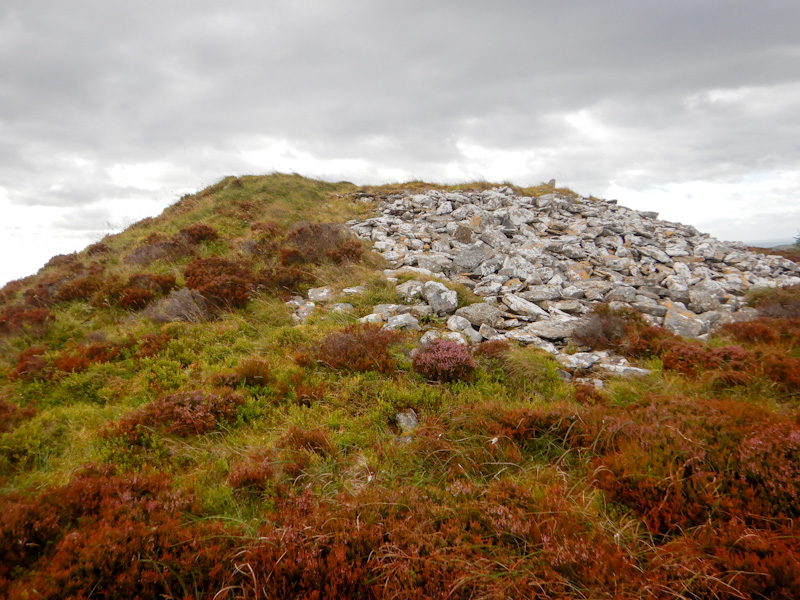
The rocky mound may be an Iron Age fort, but it has never been excavated to investigate.
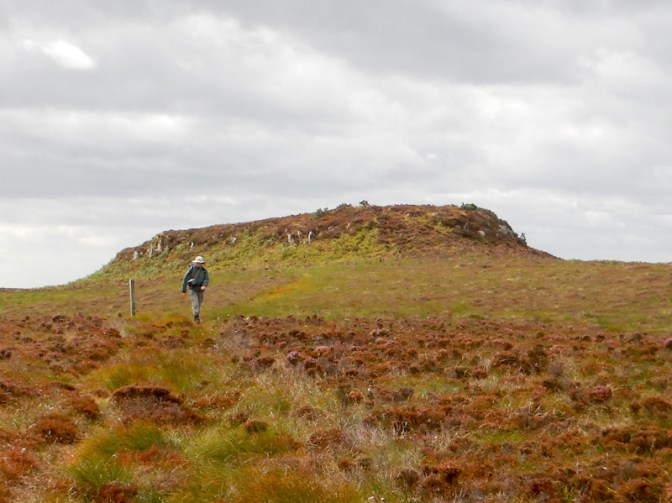
As we continued round the route, we passed two more excavated burial cairns.

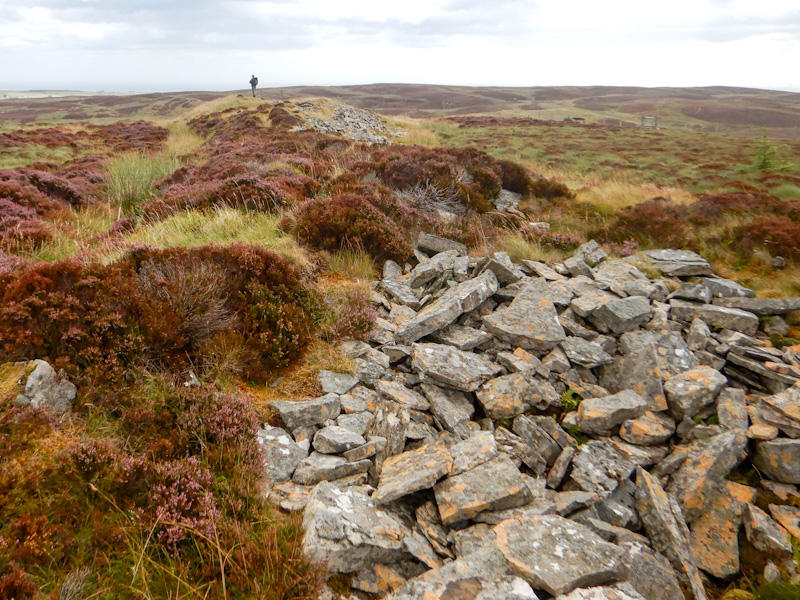
We continued our journey, arriving near the Bronze Age burial chamber Cairn of Get and walking up to look at it.
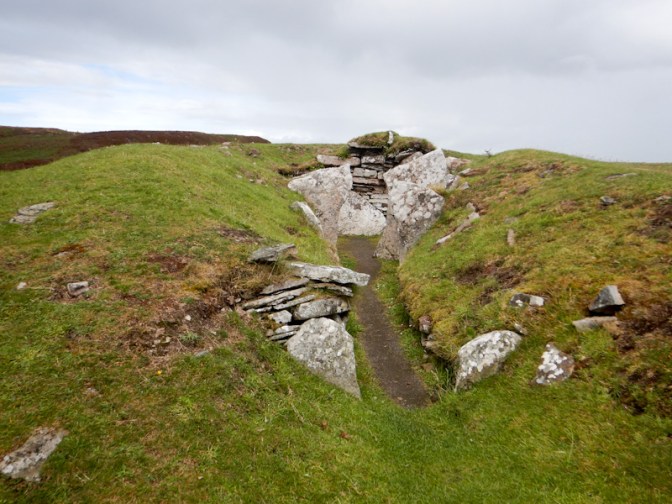
Many stones were plundered from the cairn in the nineteenth century to build a nearby dam.
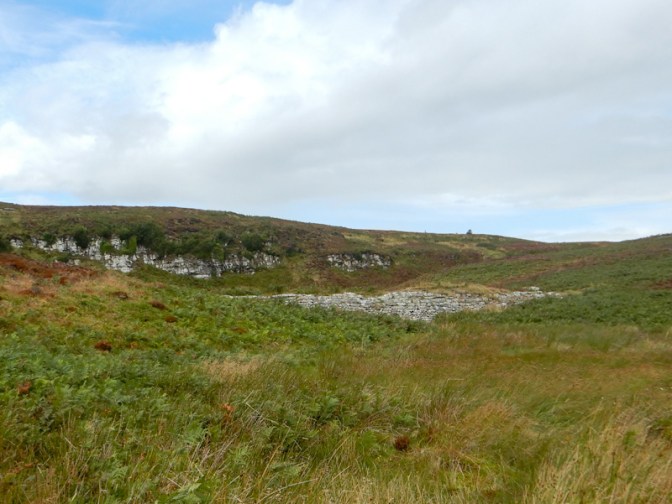
We could just about make out the outline of an Iron Age fort nearby.
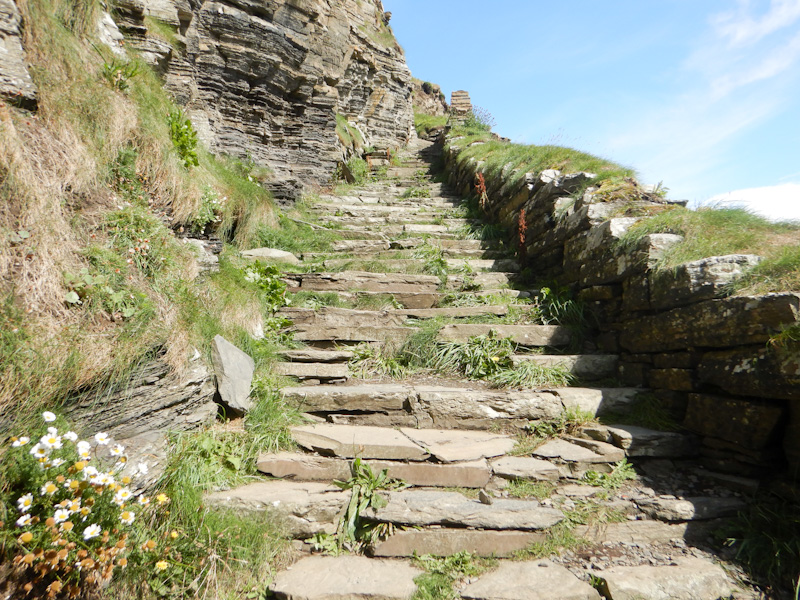
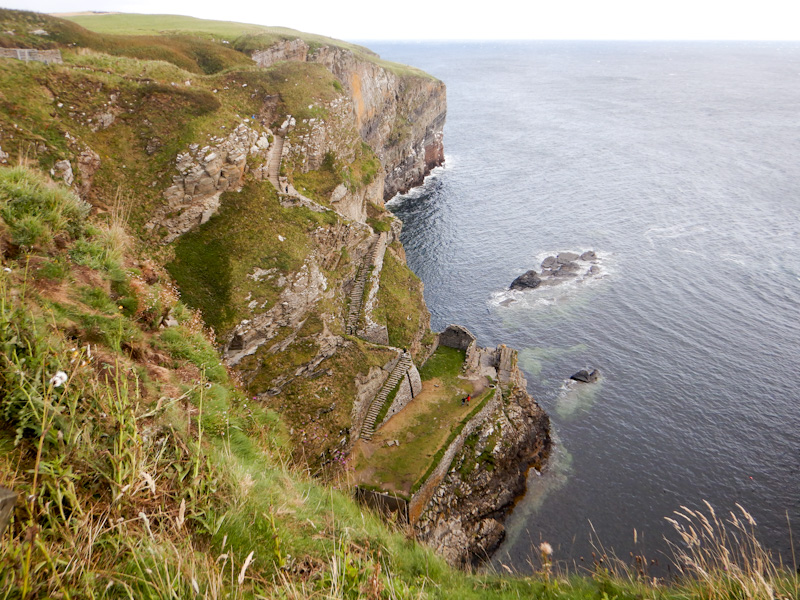
From the Cairn of Get, we walked to Whaligoe Steps. Strictly speaking, they don’t belong in this post as they’re on Map 12 and not Map 11 plus they date back to the mid 18th century rather than prehistoric times. However they are worth seeing and it’s exciting to walk down these 330 steps towards the sea, although tiring to walk back up. There were originally 365 steps made at a cost of £8 but nowadays the ones at the top are missing. The views both from the base of the steps and also from a viewpoint near the top are superb.
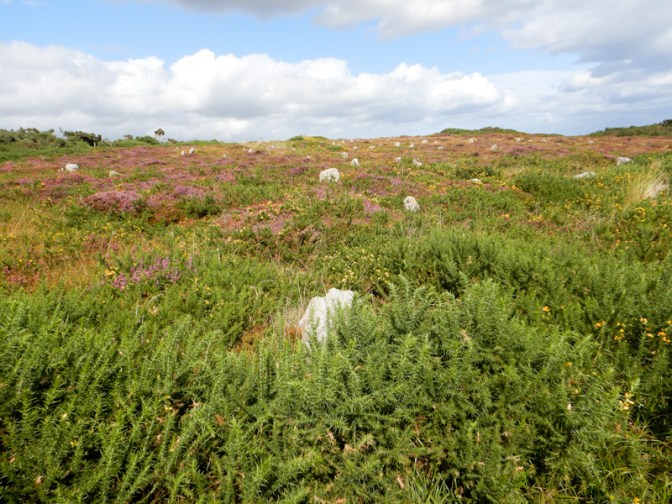
Our next stop was at the Mid Clyth Community Hall car park close to the Stone Rows marked on the OS map but signposted as “The Hill o’ Many Stanes”. The multiple rows of small stones are believed to have been erected about 4,000 years ago. They are a rare monument type with similar stone rows only in Caithness, Sunderland, southern Brittany and Dartmoor. The reason for them being built is a matter of speculation – possibly they were used for gatherings and religious ceremonies, used to follow sonar and lunar cycles or used to organise the farming cycle.
There’s a six mile or so walk, mainly on a track through the forest to the next place we visited in this “archaeological theme park”. However, my husband was convinced that I would have got lost so I returned with him to the car and we drove round to the Grey Cairns of Camster.
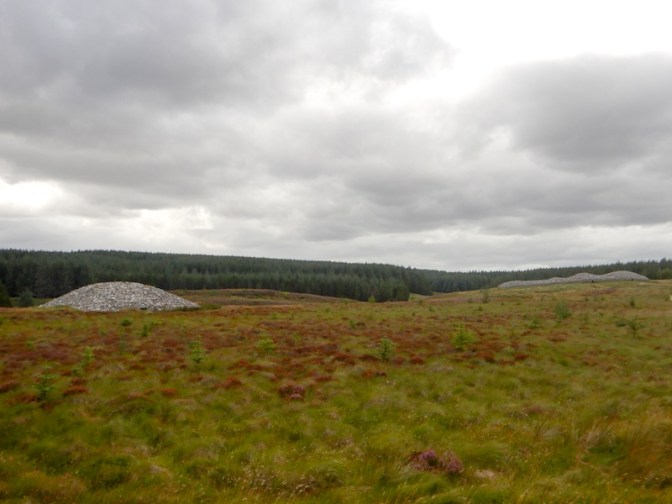
Actually I visited these previously in May 2013 on my long walk from The Lizard to Dunnet Head. At that time I remember crawling into one of the cairns, but this time I crawled into both the round cairn chamber with three compartments and into both entrances of the long cairn each leading to a chamber. They are believed to be over 5,000 years old and hence are two of the oldest stone monuments in Scotland, although they have been subject to reconstruction during the later part of the twentieth century so as to allow safe public access.
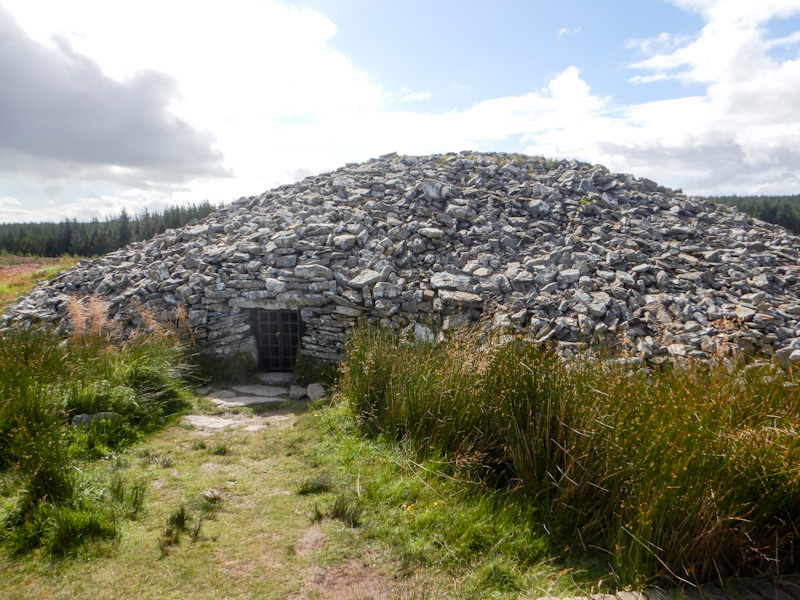
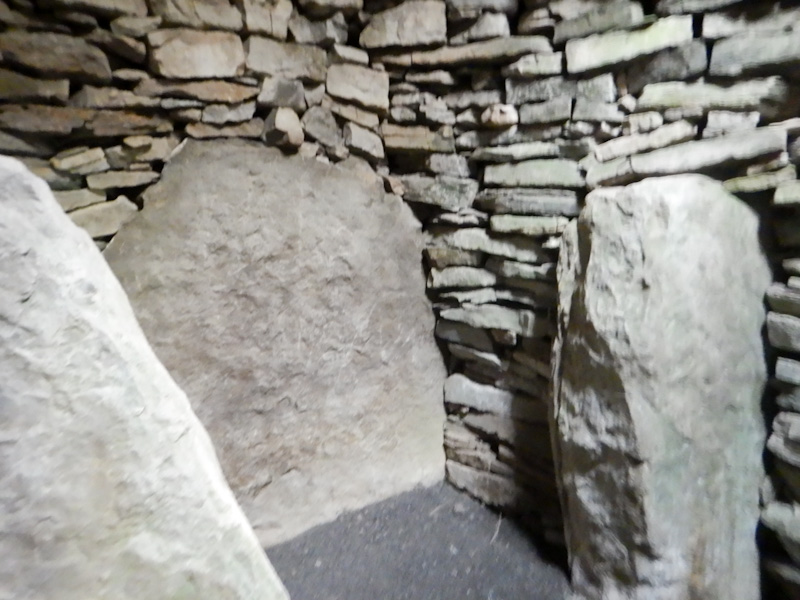
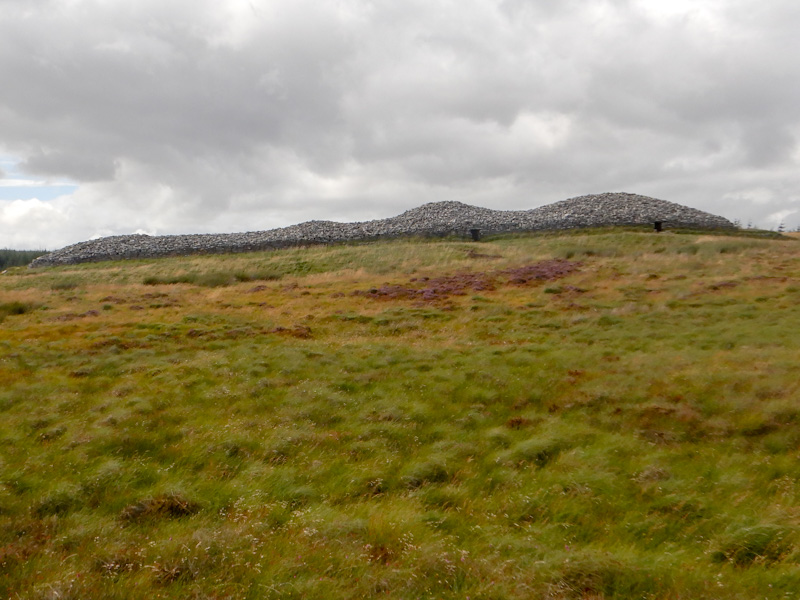
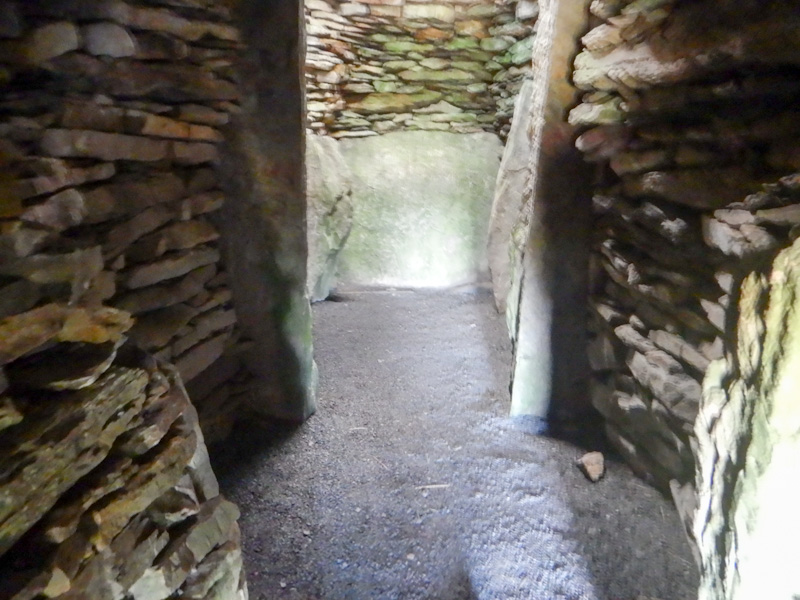
This is an area rich in archaeological remains dating from Neolithic times. Historic Environment Scotland states “There has been little work on the archaeology of Caithness in general since the 19th century, and as a result the archaeology of this area is not as well-known or as well-understood as it deserves to be.” There is much more to discover!
All that remained was for us to make the short journey to our bed and breakfast accommodation near Lybster. As the owner said “We can always tell who crawled into the Grey Cairns by noticing their muddy knees!”

 Where's Kathryn?