19 August 2023
Falkirk High station is conveniently located to explore the canal system adjacent to the Edinburgh and Glasgow Union Canal. I began by turning right along the path, following signs towards the Falkirk Wheel.
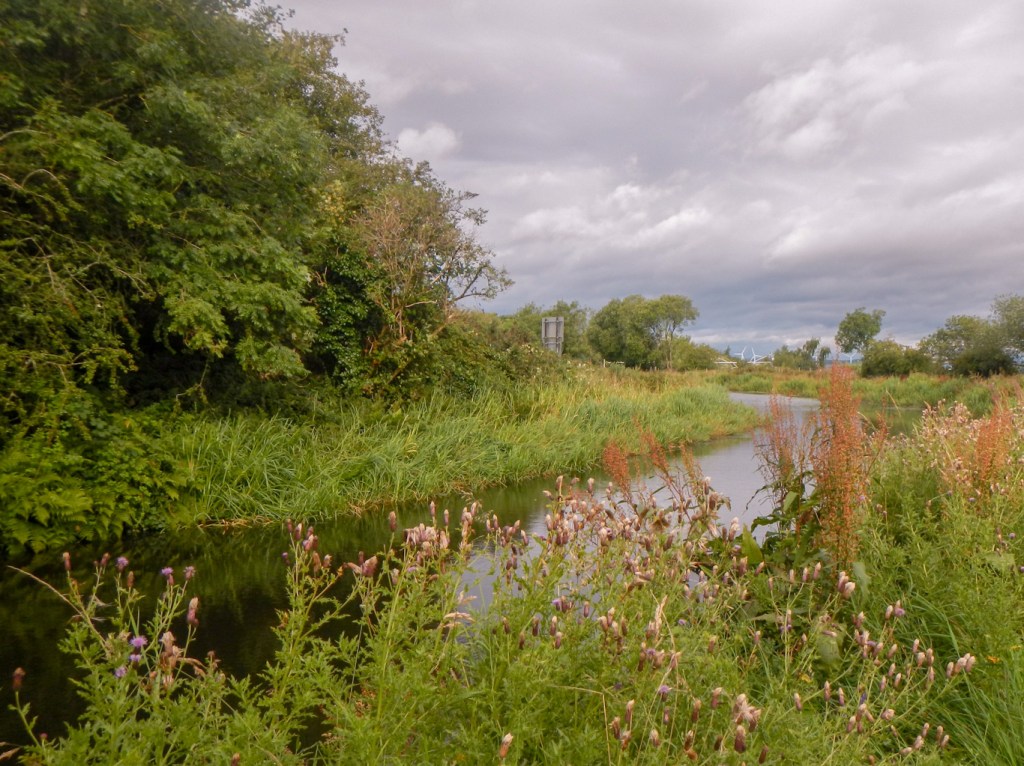
Of course, it’s not surprising that the canal and railway systems run so close to each other as the canals were built primarily to transport freight and were usurped by the advent of railways. Moreover both systems work at their best following the flattest ground. The canals soon fell into disrepair but recently it has been recognised that they are arteries of blue and green space for leisure and wildlife conservation and their regeneration has acted as a catalyst for some urban regeneration.
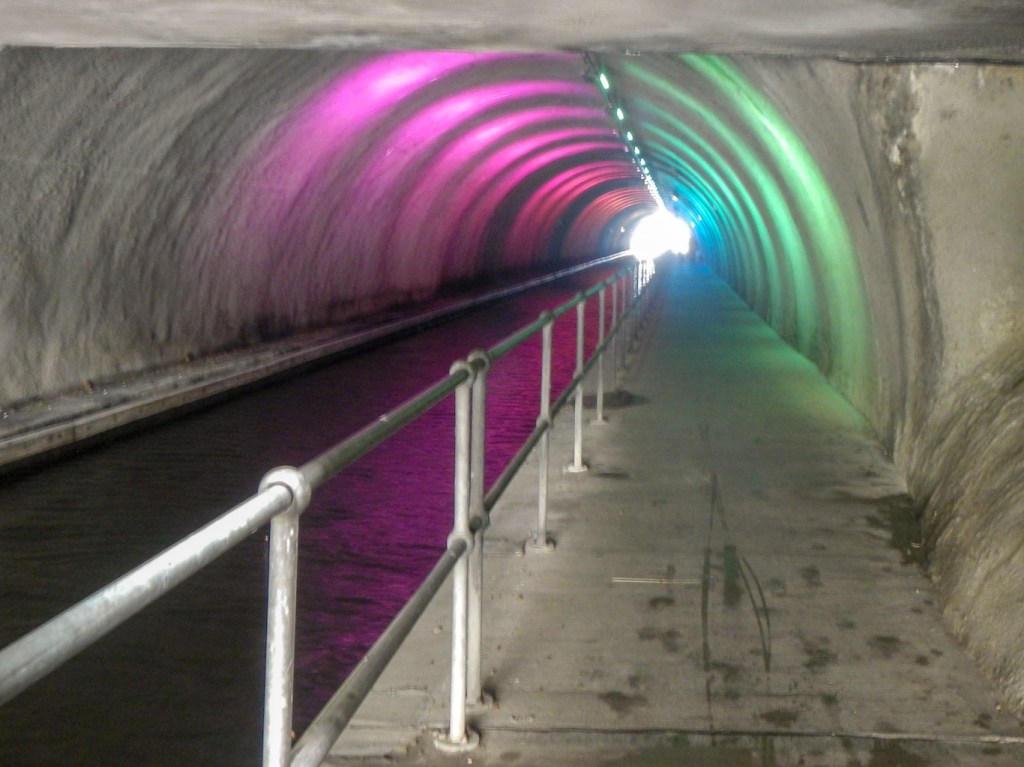
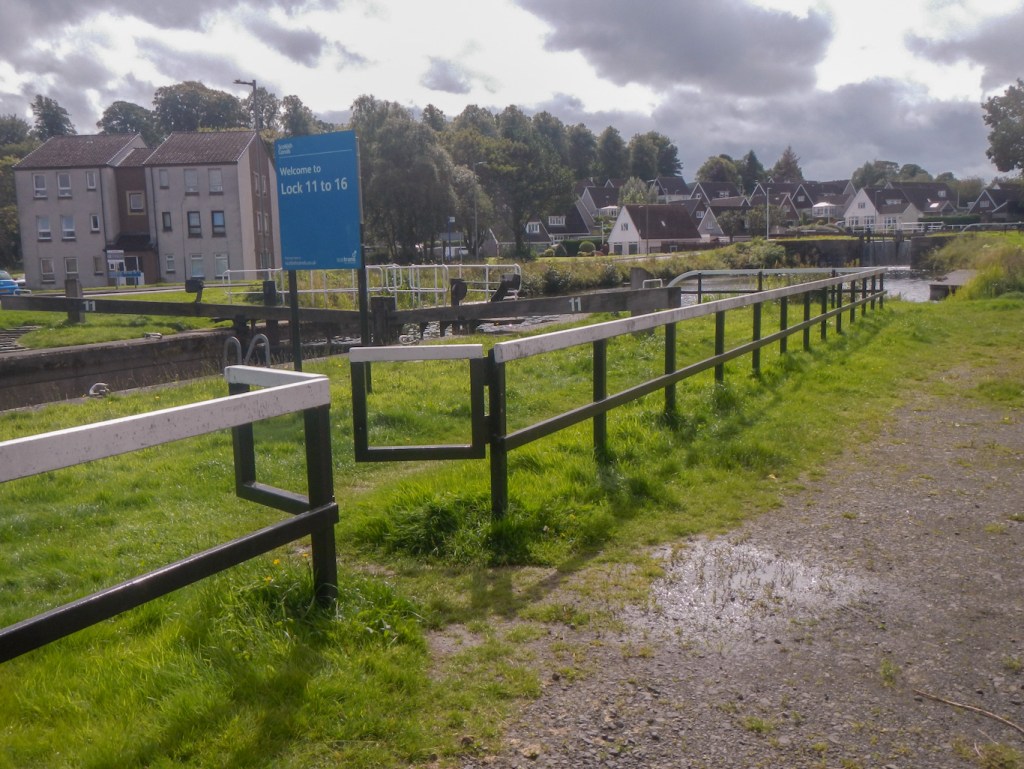
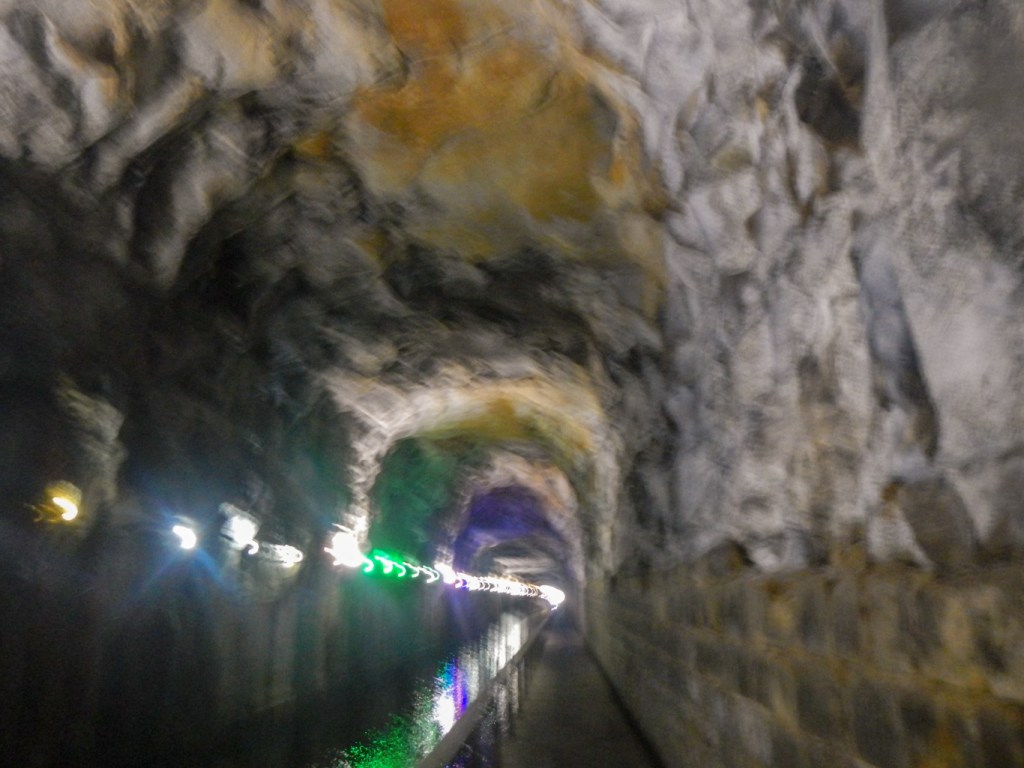
Soon I reached a 180m tunnel illuminated with multicoloured lights. This is the Roughcastle Tunnel built as part of the Millennium Link project to reconnect the Union Canal with the Forth and Clyde Canal. The canals had previously been connected by a flight of eleven locks which were infilled in 1933. A tower block of flats was built over the site of one of the locks. The tunnel runs below part of the Roman Antonine Wall and so archaeologists were heavily involved with the project to ensure protection of the Roman remains.
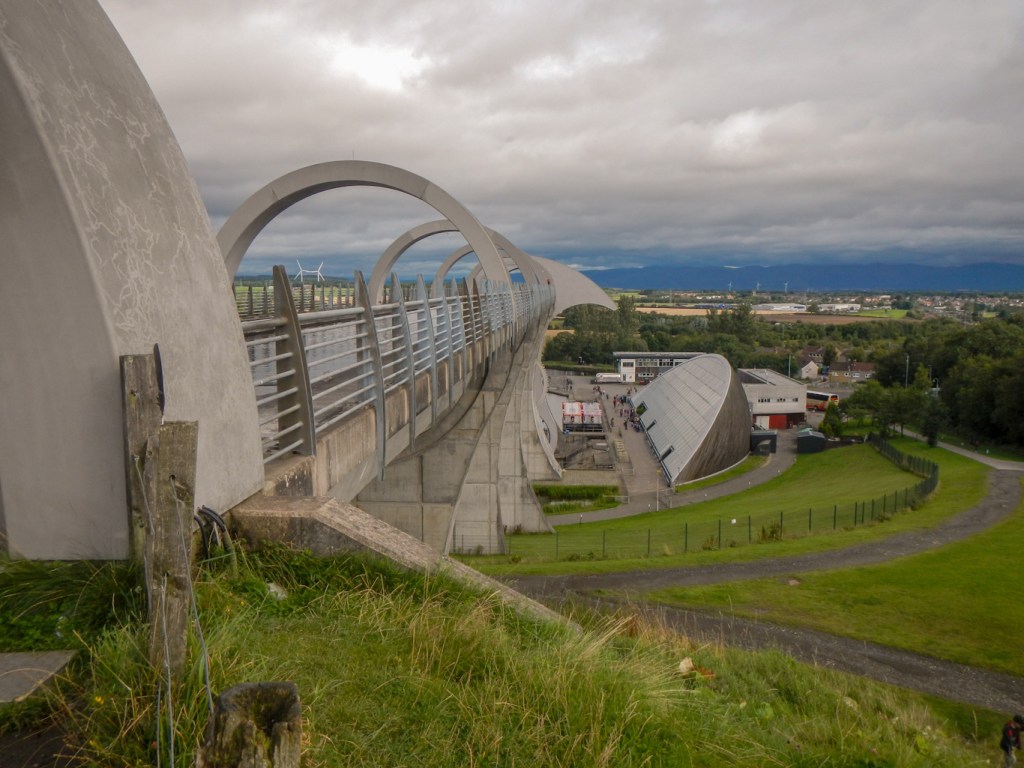
I emerged on the other side of the tunnel to a very different scene with wide open views over Falkirk and beyond. I could also see the impressive aqueduct leading to the Falkirk Wheel. This wheel consists of two counter-balanced gondolas capable of moving 300 tonnes each (at least eight boats and the water in which they float) from one canal to the other. The boats displace the same weight of water as their own weight (Archimedes principle) and hence there is no necessity to balance the weight of the boats or indeed to have a boat in each gondola for the wheel to operate. Amazingly, the rotation to lift the boats is achieved using the same amount of electricity as to boil eight kettles of water. The previous lock system involved a day’s work and the manual opening and closing of forty-four lock gates but the transfer using the wheel is achieved in fifteen minutes. It is indeed an elegant design and engineering, which was tested initially by the architect Tony Kettle using his 8-year old daughter’s Lego! it is unique – the only rotating boat lift in the World.

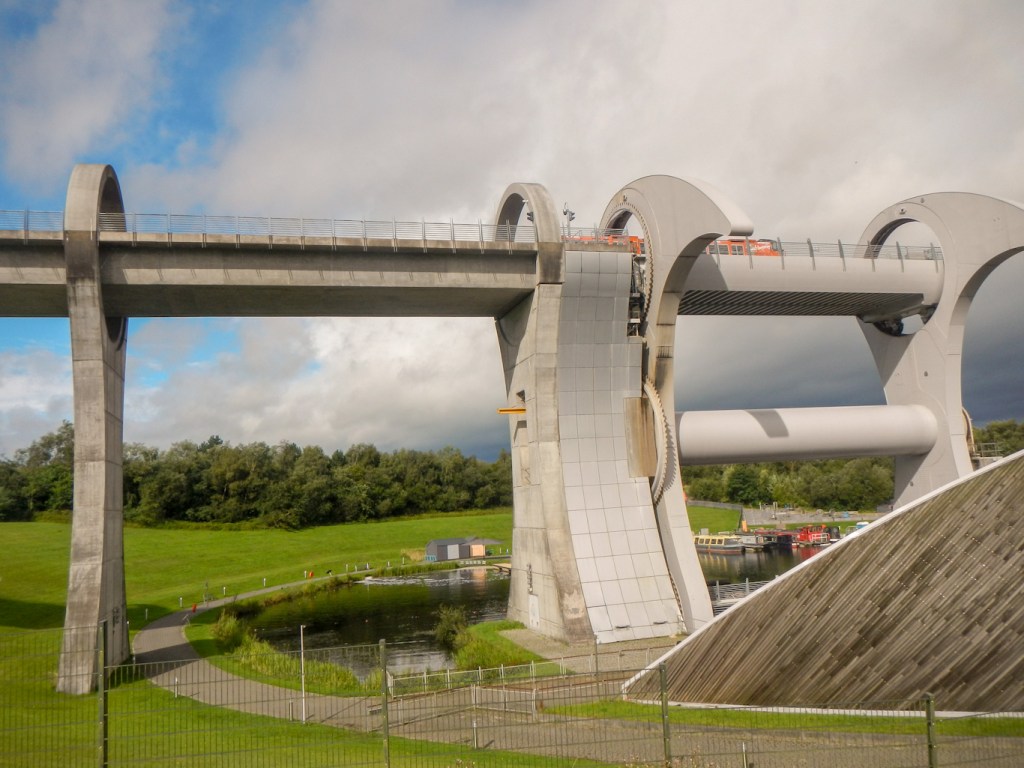

I arrived just in time to see the first operation of the wheel for the day with one of the two “tourist” vessels (appropriately named “Archimedes” and “Antonine”) being lifted from the level of the Forth and Clyde Canal up towards that of the Union Canal.
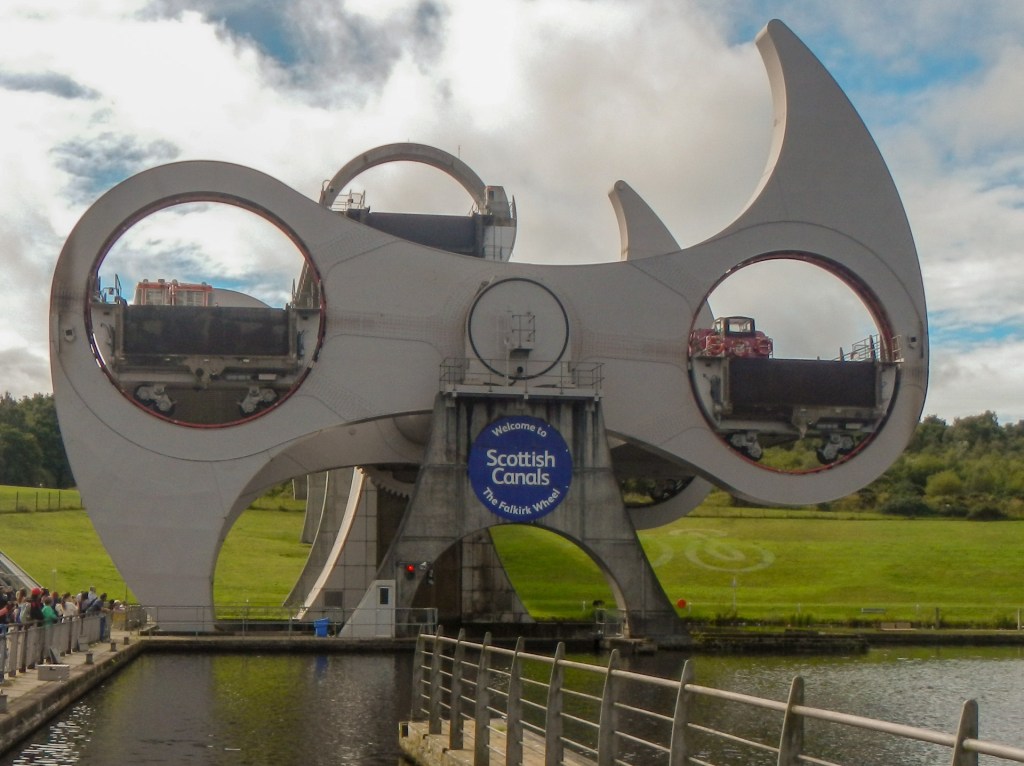
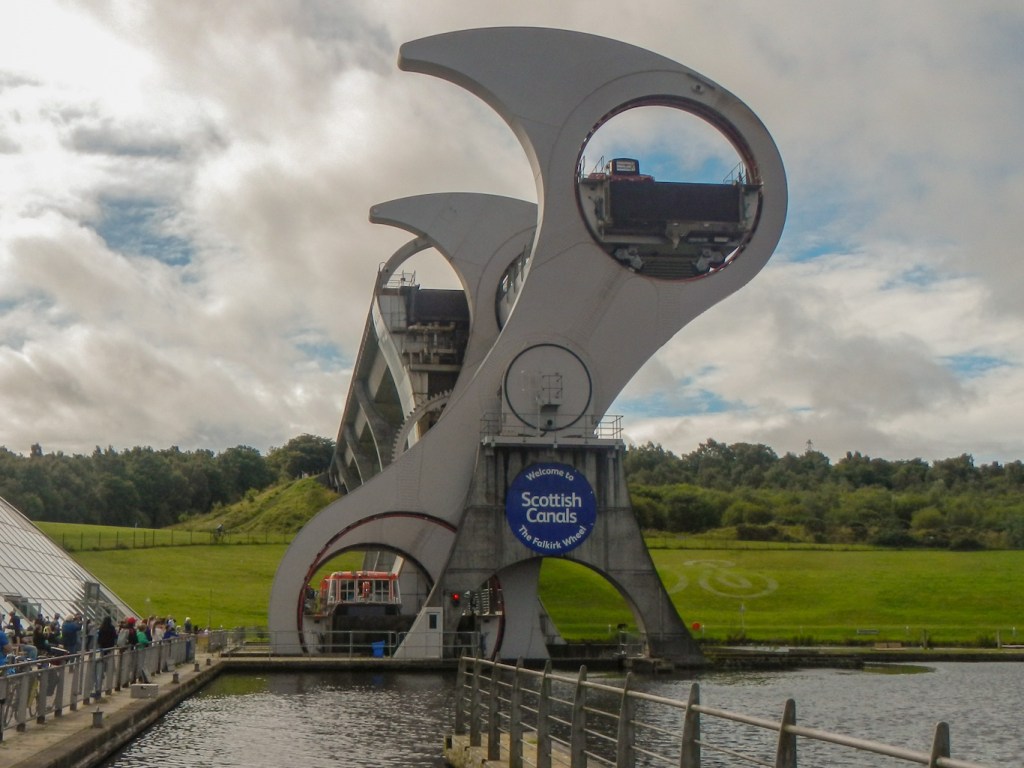
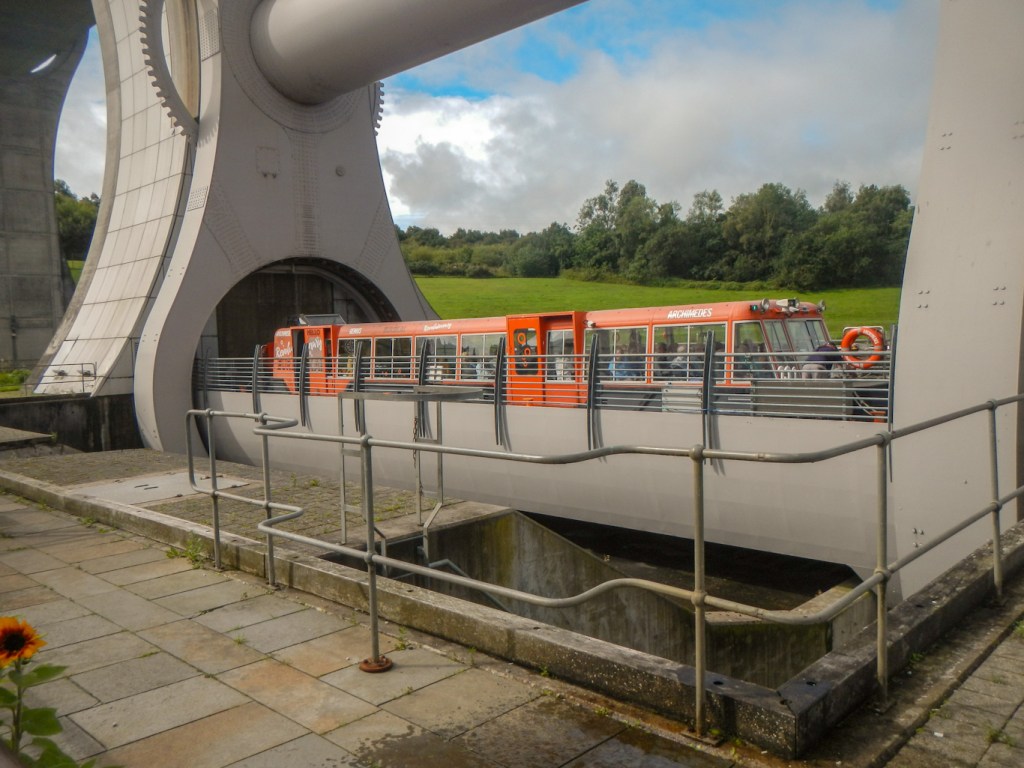
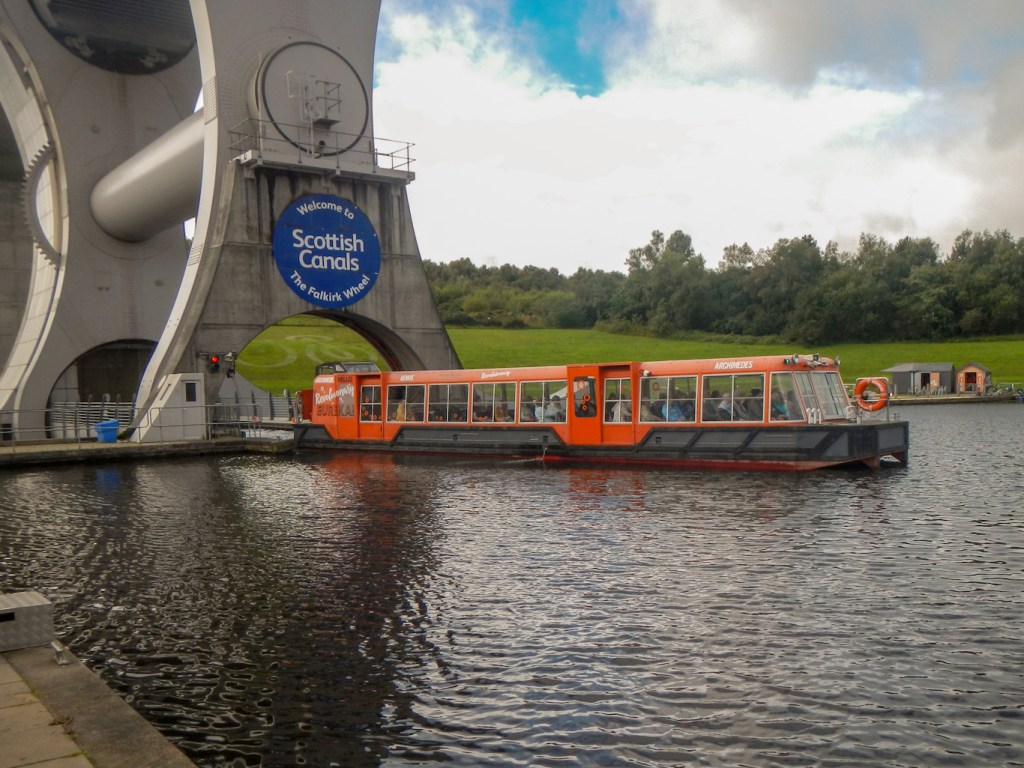
Soon it was my turn to travel in “Archimedes” sitting on a grandstand seat right at the front of the boat. We rotated and were carried 24m above our starting position. There was a short delay as the positioning at the top level was checked by automatic sensors, the gondola was locked into position and a system of hydraulically powered vertically rising hinged doors activated so that transfer could be achieved safely.
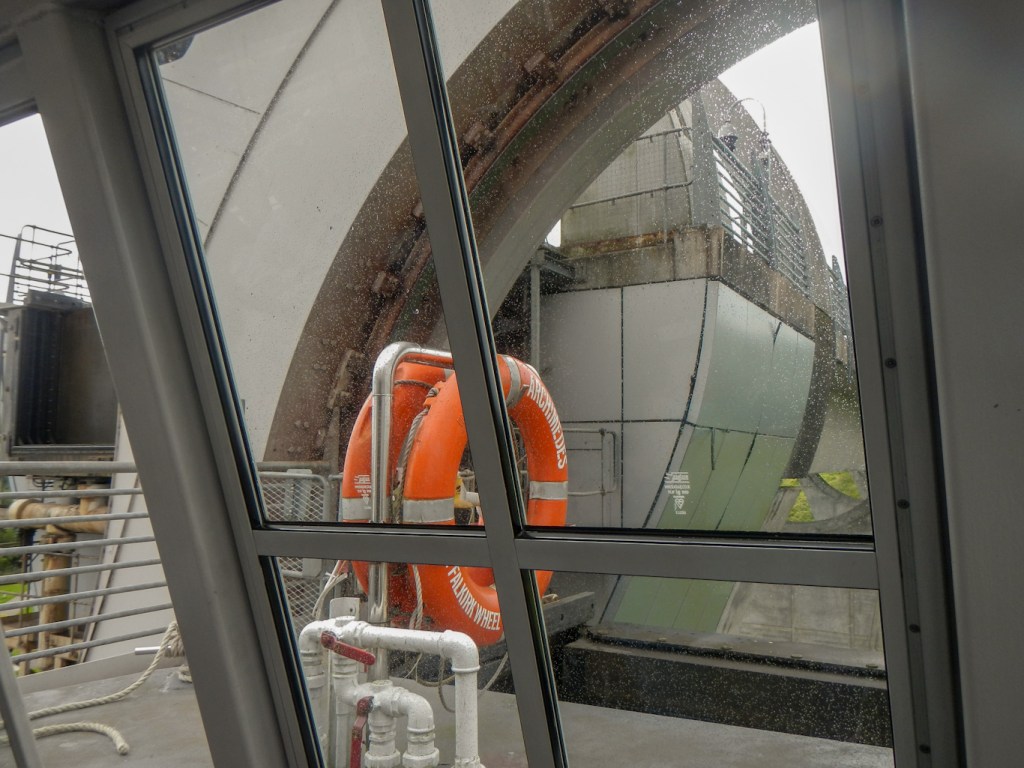
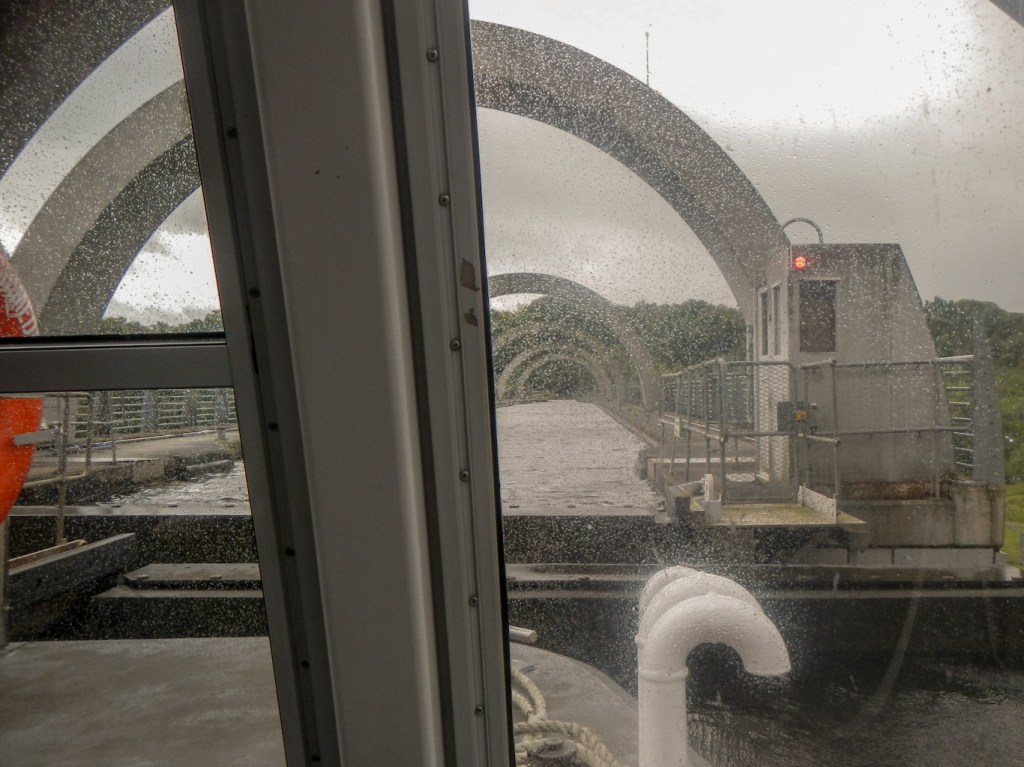
Once this happened, we moved forward on to the aqueduct and on through the Roughcastle Tunnel before turning and travelling back the way we had come. In fact there is still a double lock to reach the level of the Union Canal still 11m above us, which then remarkably has no further locks along its 31 miles.

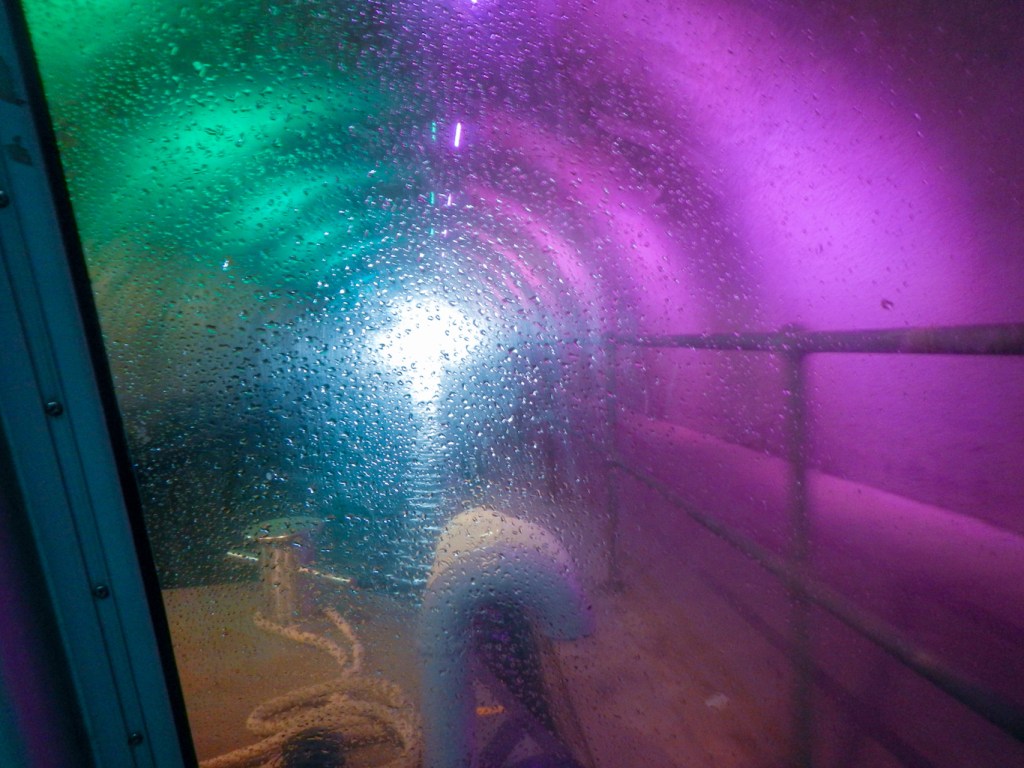
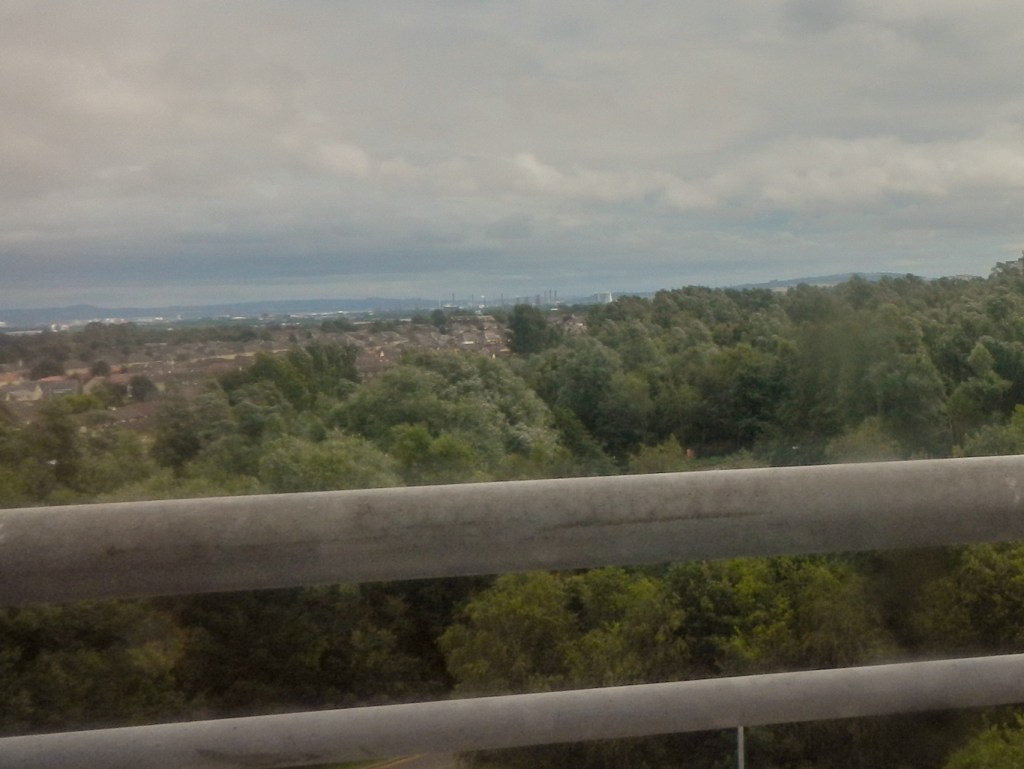
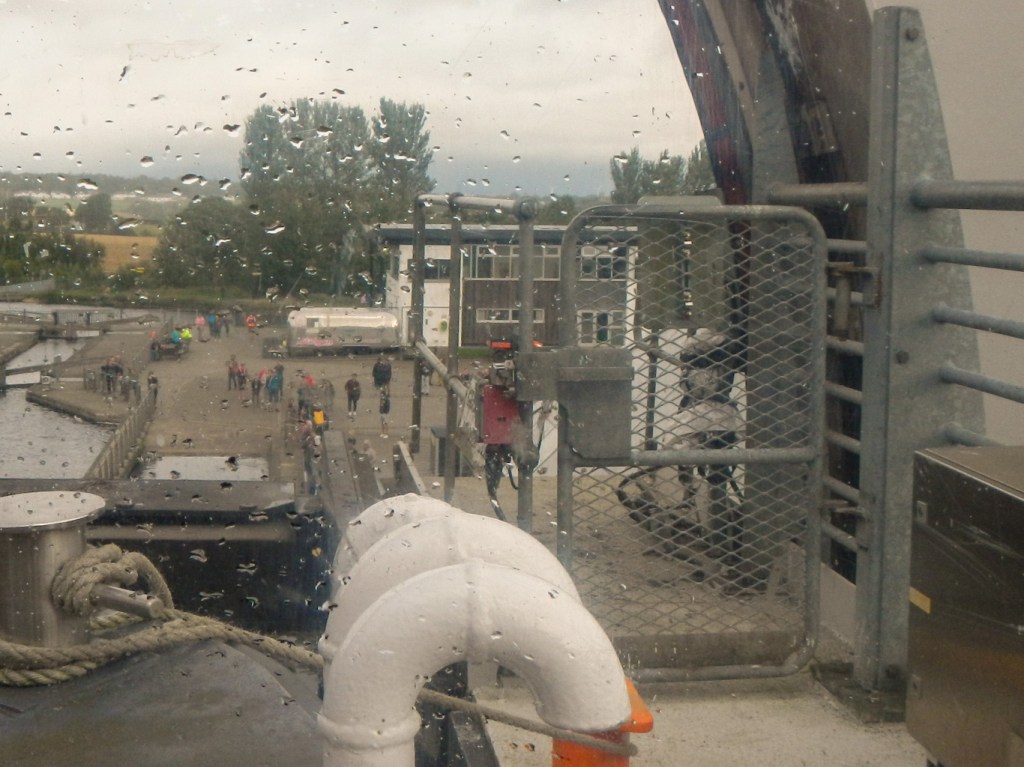
The Queen opened the Falkirk Wheel as part of her Golden Jubilee celebrations in 2002. However our guide for the journey explained that sadly she hadn’t been able to complete the journey on the boat as there were deemed to be security risks.
After lunch, I climbed up to Rough Castle Roman fort. It is the second-smallest fort of the sixteen known on the Antonine Wall, but it’s in the best state of preservation.
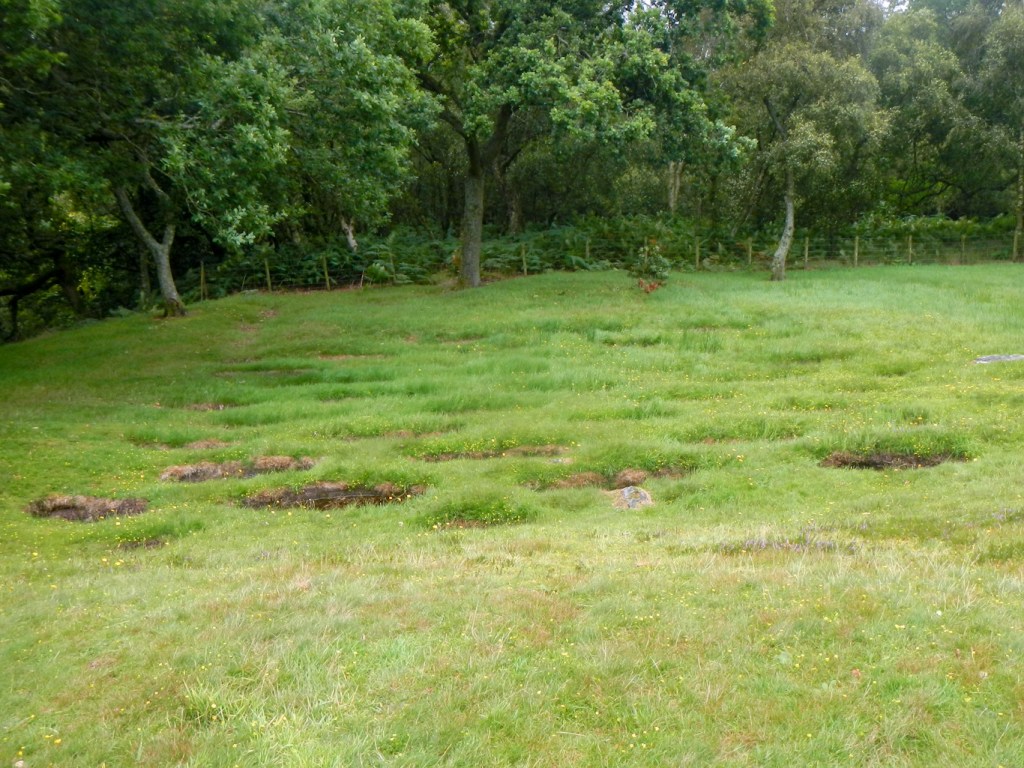
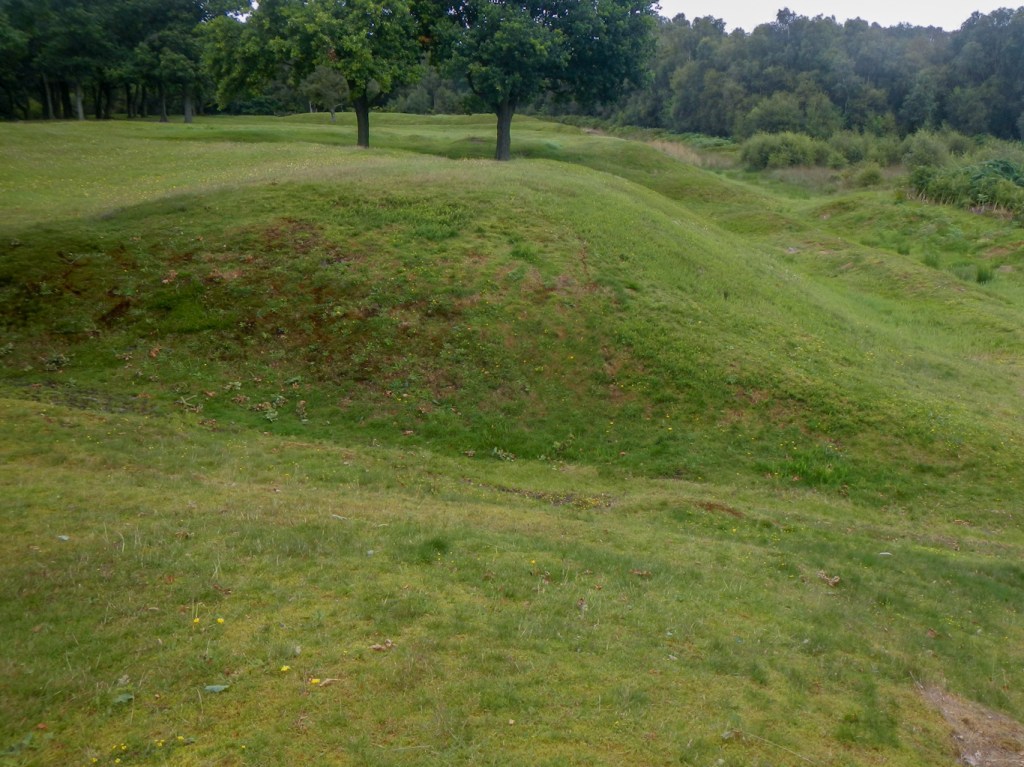
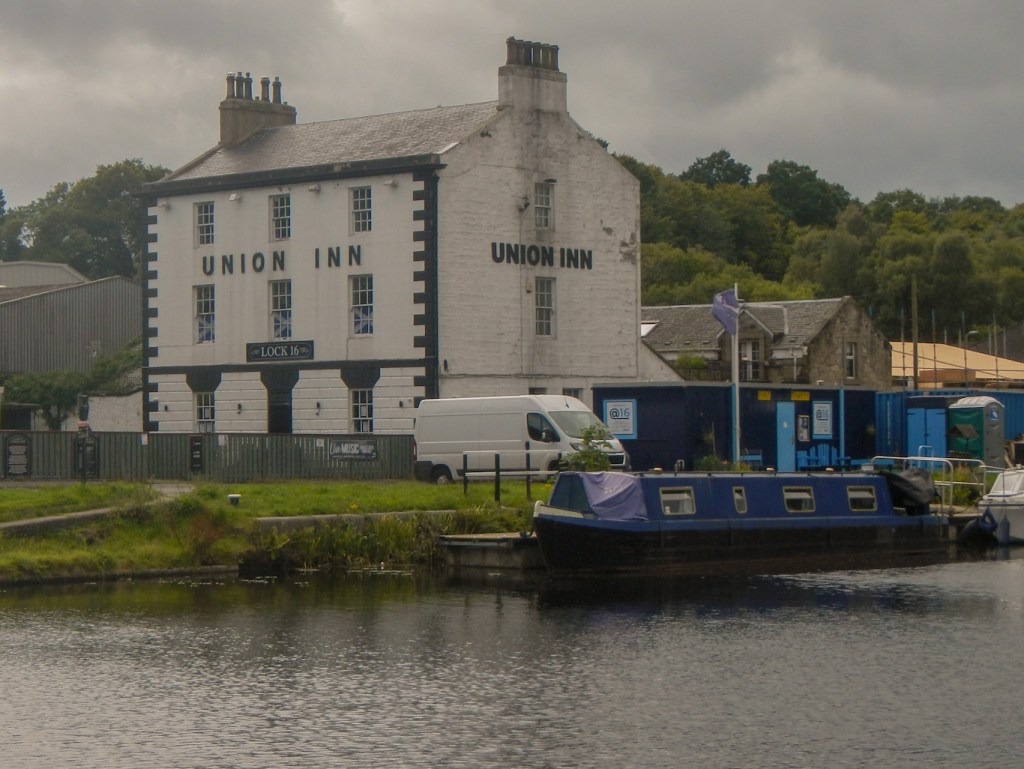
I headed back towards the Falkirk Wheel site and made for the lower Forth and Clyde Canal. I walked past the listed Union Inn, a good example of an early 19th century trading post inn predominantly used by passengers waiting for the boats to negotiate the nearby lock ladder. Of course I also walked past all the locks.
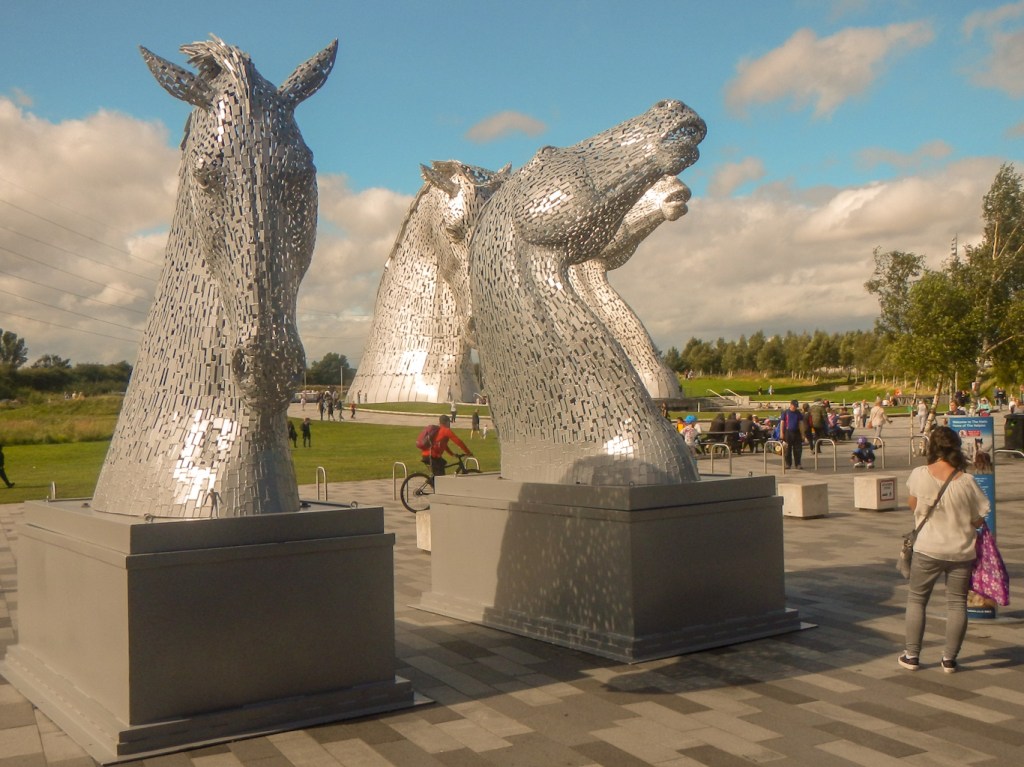
Eventually I arrived at the Helix. This is a 350 hectare eco-park designed to transform underused land into an urban greenspace.
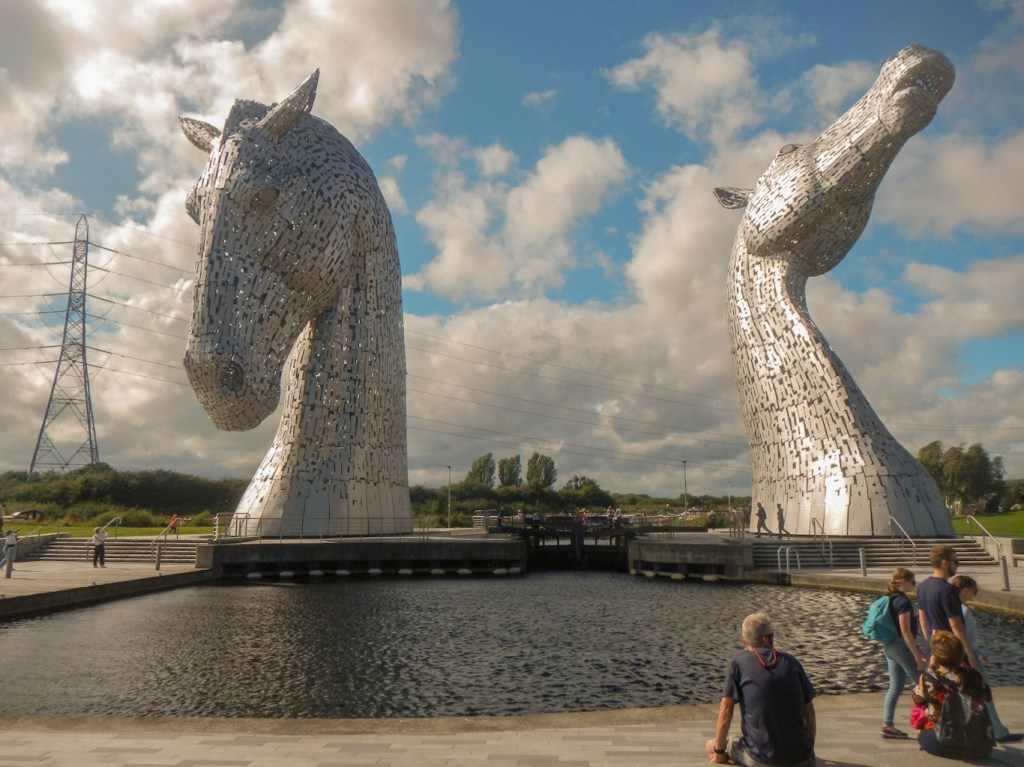
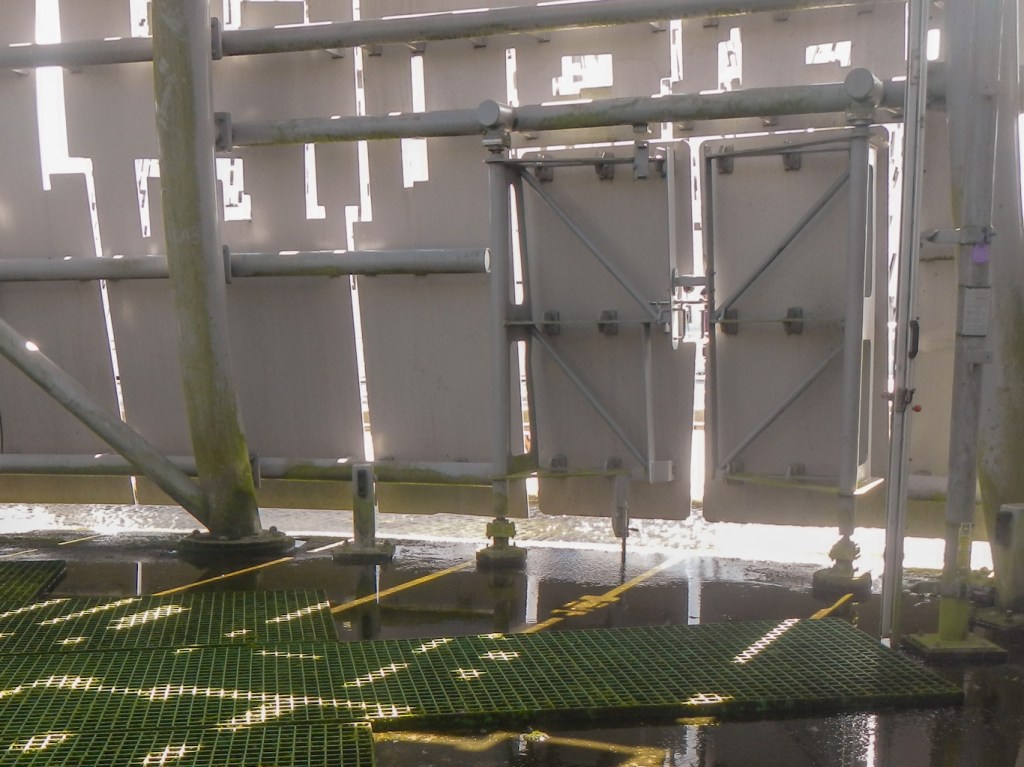
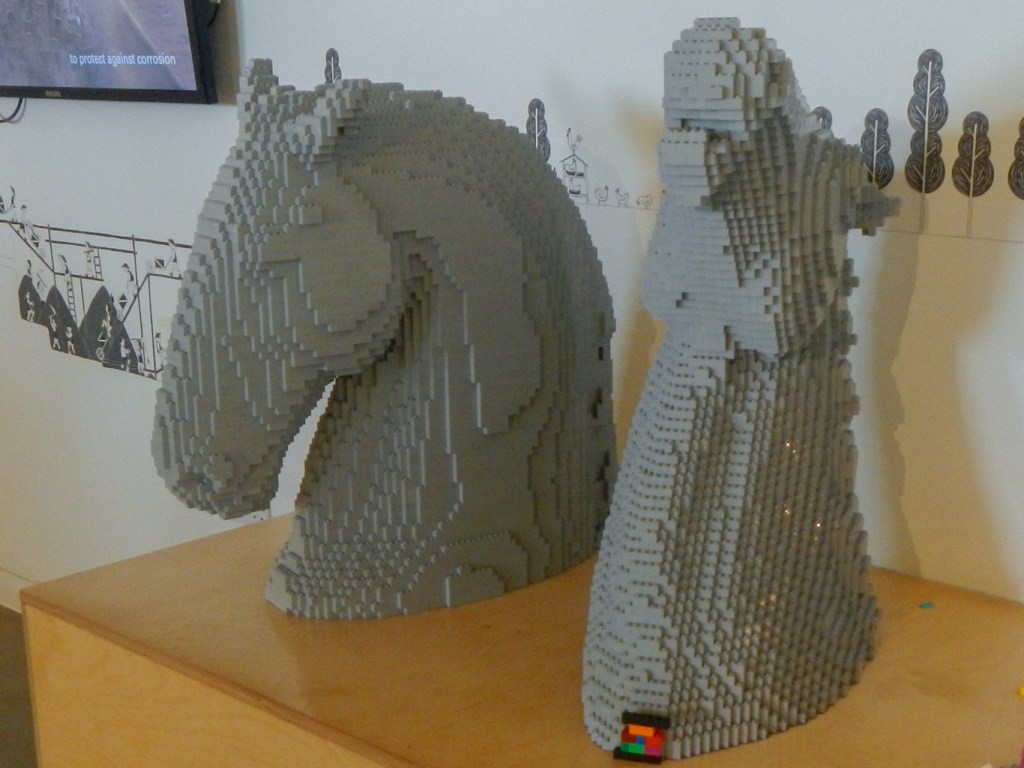
The centrepiece is the huge sculpture – two horse heads measuring around 30m in height and weighing more than three hundred tonnes each. That’s a similar height to the “Angel of the North”. They sit on 1,200 tonnes of steel-reinforced concrete foundations which are 35m deep. They were designed by Andy Scott modelled on real-life icons of times gone by — Clydesdale horses Duke and Baron. This represents the lineage of the heavy horse of Scottish industry and economy, pulling the wagons, ploughs, barges and coal ships that shaped the geographical layout of Falkirk. They were named Kelpies’ to reflect the mythological transforming beasts that possess the strength and endurance of 100 horses; this is said on the website to be “analogous with the transformational change of the area’s landscapes, endurance of its inland waterways and the strength of its communities”. They are certainly impressive. I didn’t have time to join a tour to look inside the structures and marvel at the engineering, but I did look round the displays at the visitor centre, including the Lego models.
From The Helix, I walked towards the town centre and reached the grounds of Callendar House. Surprisingly entry to explore the house and exhibitions is free, but I just walked through the parkland to reach the Union Canal.
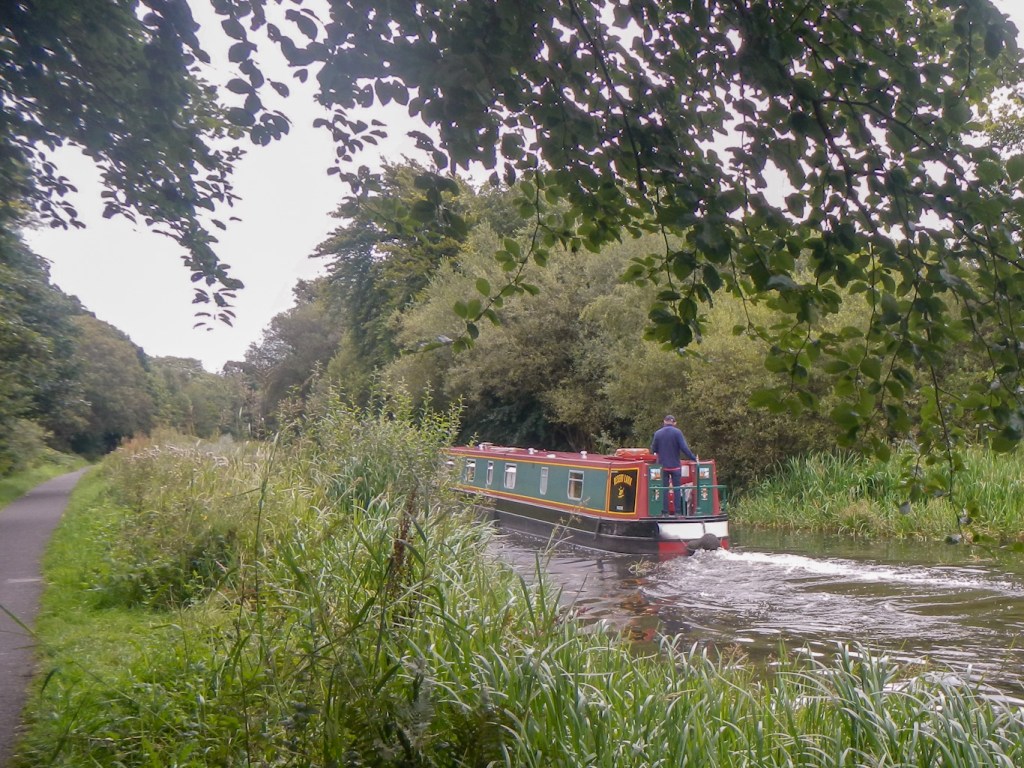
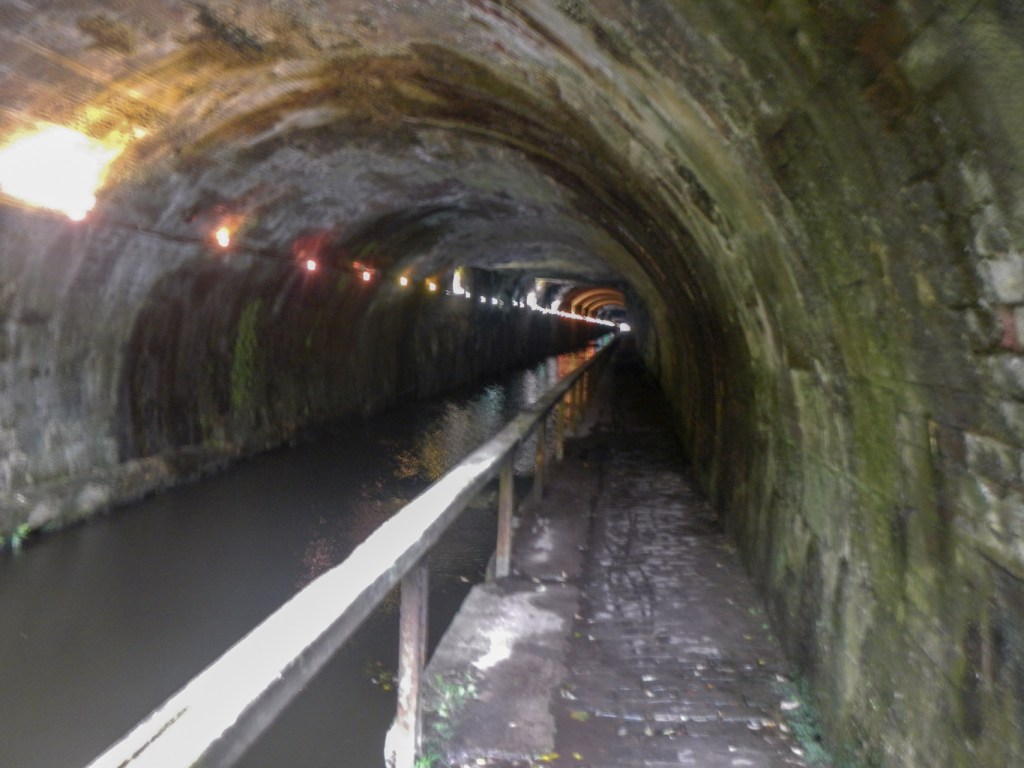
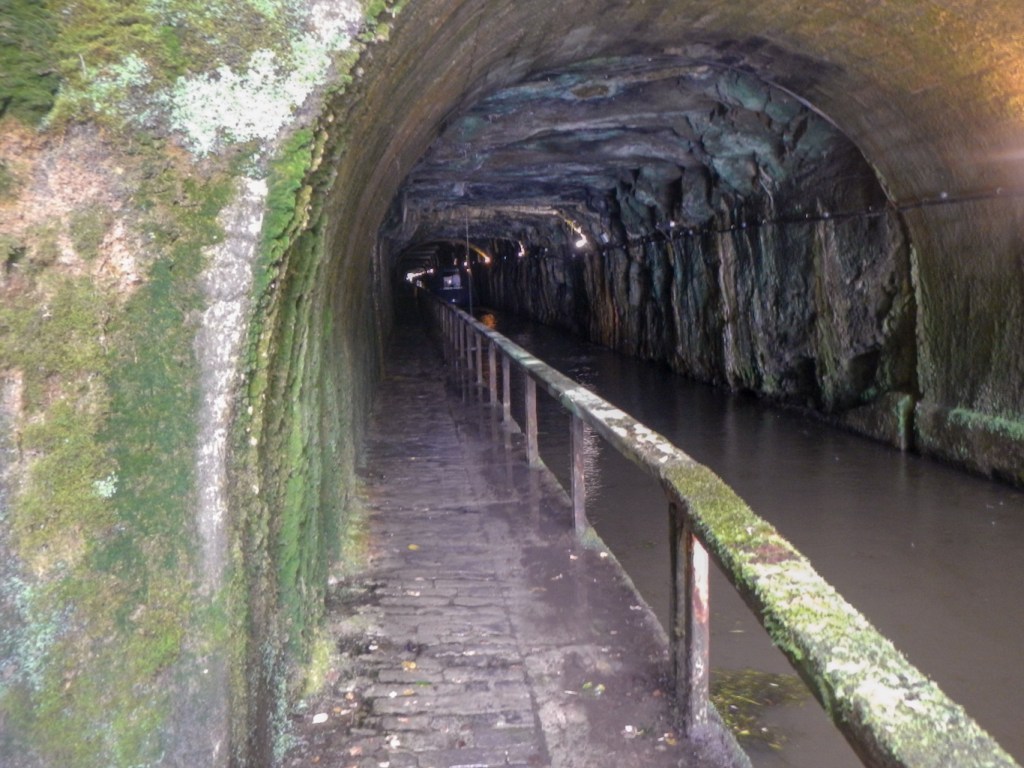
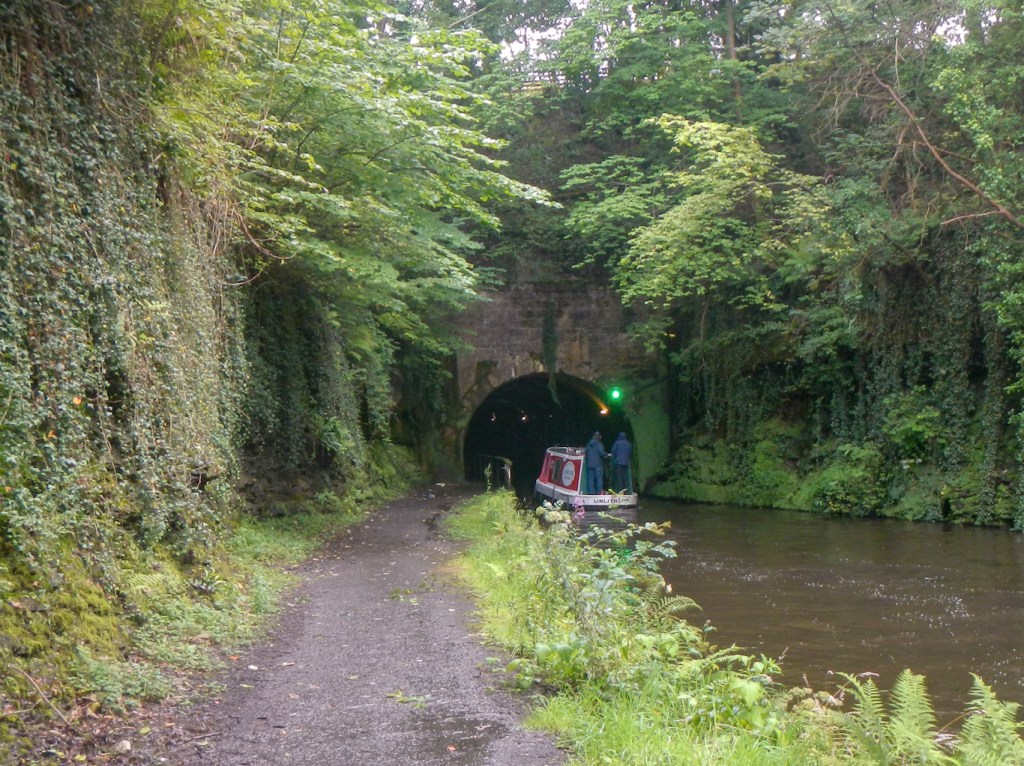
I soon arrived at the Falkirk Tunnel. At 630m long, this is the longest canal tunnel to be built in Scotland. The canal was meant to be an overland route, but the owner of Callendar House, William Forbes, said it would ruin his view so successfully campaigned to have it diverted under Prospect Hill. It had colourful LED lighting installed in 2016 and certainly seemed less spooky and eerie than last time I walked through it in 2013 as part of my expedition from south to north of mainland Britain. A few canal boats were heading from the opposite direction – they must have ascended the Falkirk Wheel that afternoon. Fortunately there is a traffic light system as the tunnel isn’t wide enough for boats to pass.
From the tunnel, I only had a few metres to get back to Falkirk High Station and my train to return to Glasgow.


Must go up and see those sights.
LikeLiked by 1 person
They are on my list of things to visit.
LikeLiked by 1 person