10-15 February 2023
This walk is mainly on Map 153 although I was off the map and on Map 166 (the next sheet south) for part of two days.
Thanks to Leighton Buzzard Ramblers some of whom I met walking near Houghton House (probably the inspiration for the “House Beautiful” in Pilgrim’s Progress). They along with other groups and individuals developed the route and an accompanying guide I used is freely available on-line. The group also continues to share responsibility for checking the route and ensuring waymarking. Having perused their Facebook page, I note that they were walking past the concrete cows in Milton Keynes (map 152) only two days after I had done so – amazing coincidence! Thanks to them for providing an excellent route guide including information relating to Bunyan’s life and the features which inspired some of the fictional places in The Pilgrim’s Progress.
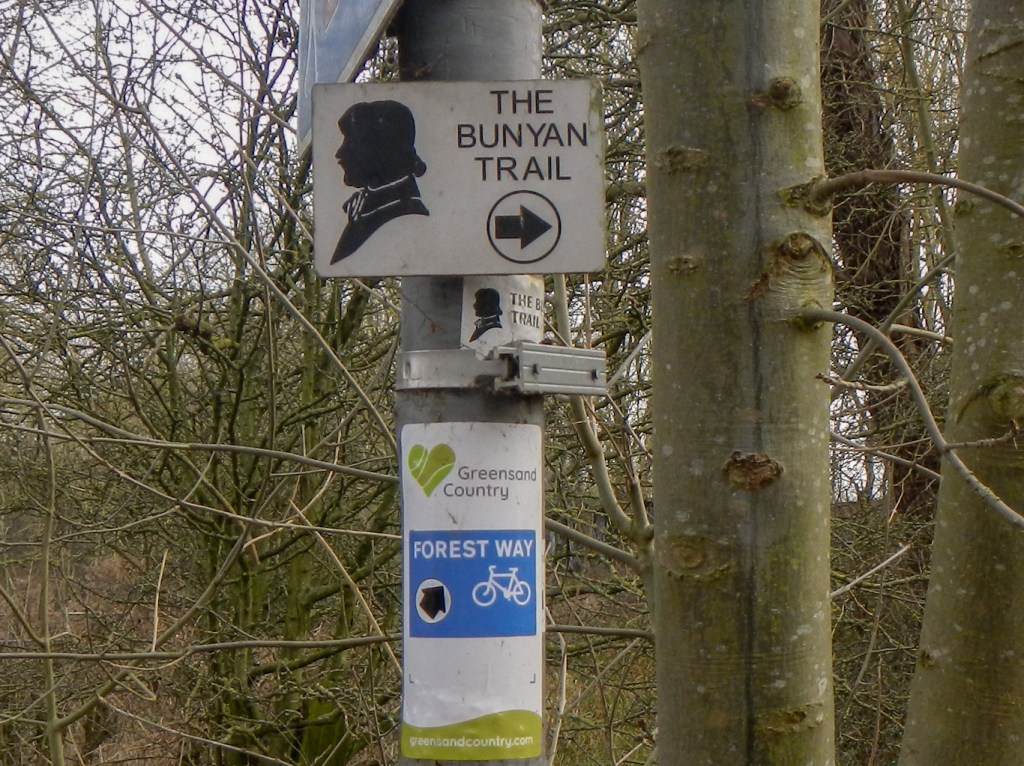
It’s an interesting journey through parts of Bedfordshire and a bit of Hertfordshire, looking at locations associated with John Bunyan – both historical associations and geographical / topographical features believed to be inspirations for some of the fictional places in “The Pilgrim’s Progress”. Of course my reading during the journey was the obvious – I bought The Pilgrim’s Progress over forty years ago when I attended the John Bunyan Society meetings at Oxford University and we studied the book. The student society was affiliated to the Baptist Church in Oxford. The bookmark which I found somewhere in the middle of my copy suggests that I probably never completed my reading! This time I have finished it.
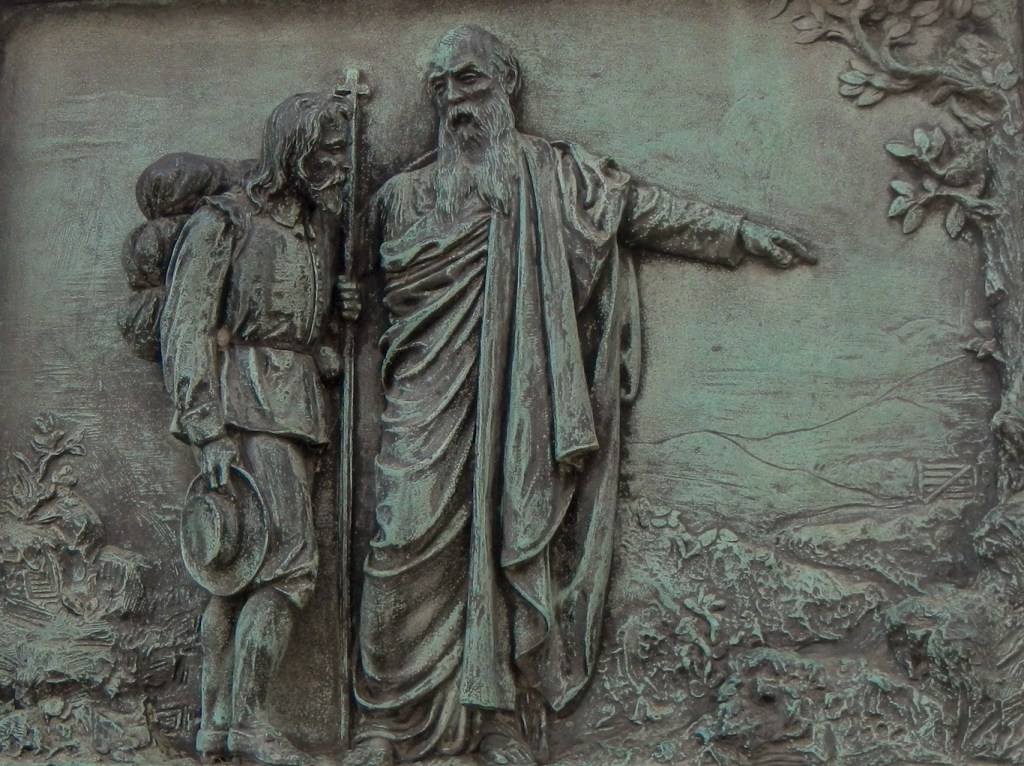
The walk begins at John Bunyan’s statue at the top of the High Street in Bedford. Around the pedestal are three bronze panels illustrating scenes from the book.

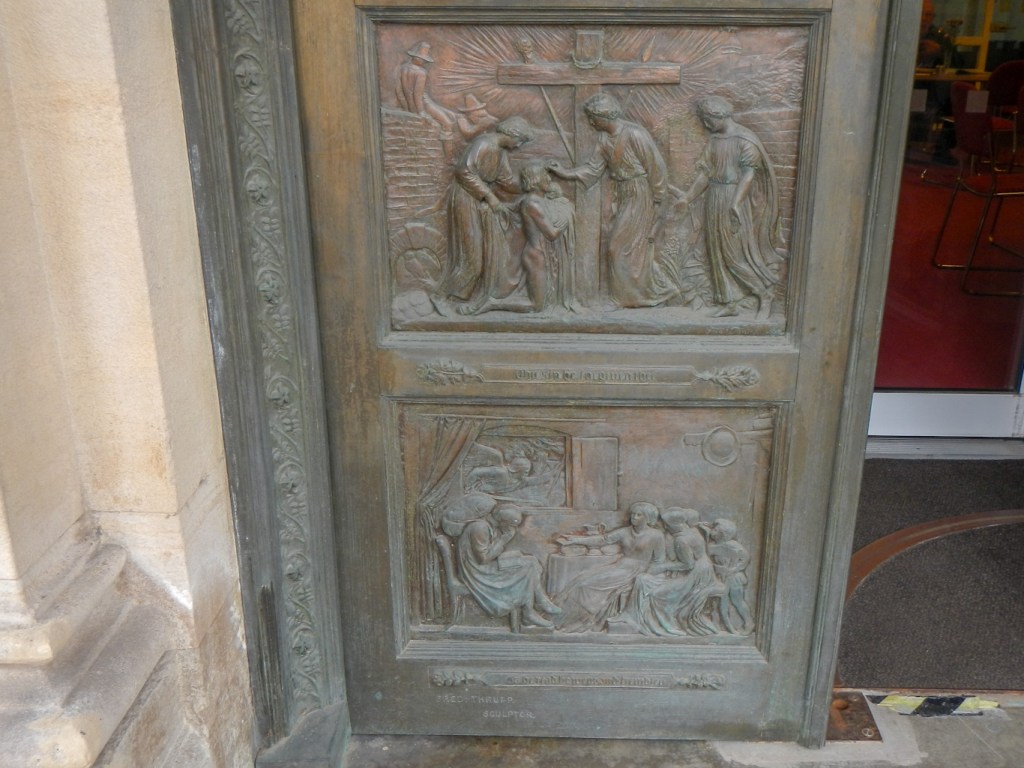
Bunyan’s home in Bedford where he lived with his family from 1655 was just round the corner in 17 St Cuthbert’s Street. There’s a plaque on the current building, but Bunyan’s cottage was demolished in 1838.

Round another corner in Mill Street, is the Bunyan Meeting and Museum. This site was bought by the congregation in 1672, after Bunyan’s release from prison. Bunyan was minister from 1672. The museum was closed but the church was open. The interior boasts eight impressive stained glass windows pertaining to Bunyan and “The Pilgrim’s Progress”. I took photos but just for personal records as it isn’t permitted to publish them (so if you want to see them you’ll need to go there). It’s a very welcoming place – an active centre of worship and community. I enjoyed my cake and coffee (café at the back of the church!) as well as chatting to a member of the congregation. He explained to me that when Terry Waite CBE was imprisoned in the Lebanon from 1987 to 1991, the only mail he received was a postcard from a young mother from Bedfordshire, illustrating a stained glass window at Bunyan Meeting Church depicting Bunyan in Bedford Goal. Waite stated that this image gave him much hope and inspiration.
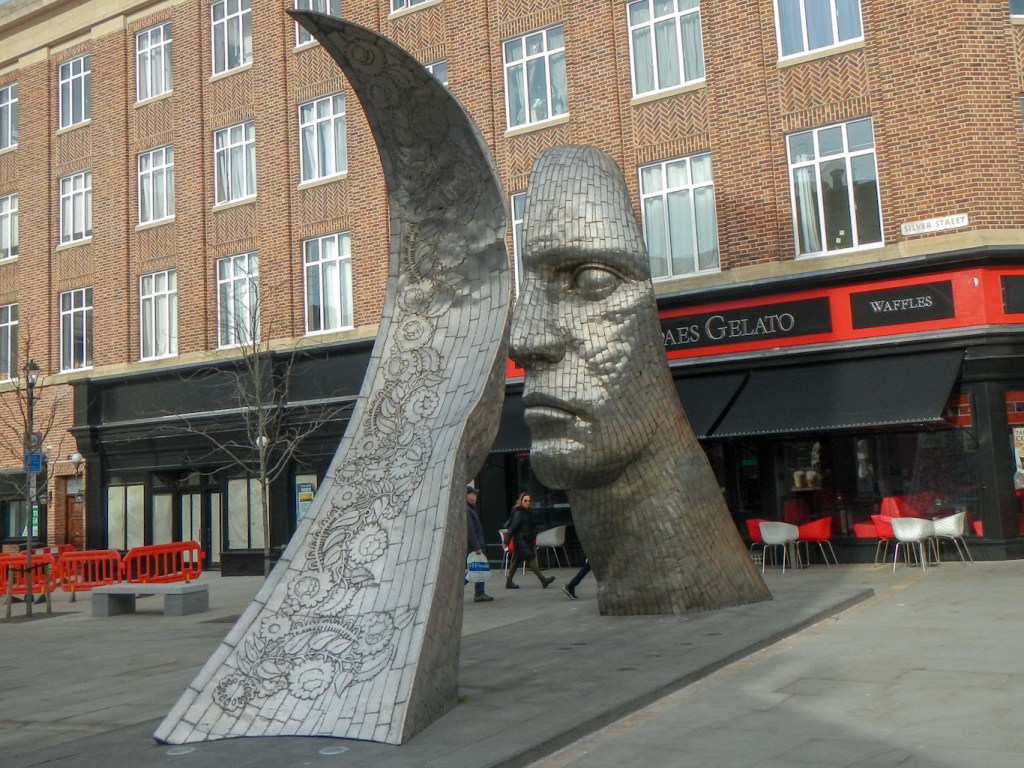
The County Gaol, where Bunyan served most of his sentence and probably wrote The Pilgrim’s Progress, stood on the corner of Silver Street and the High Street. There’s a bust of Archbishop Trevor Huddlestone near the site now. Huddlestone was born in Bedford and a key figure in the South African anti-apartheid movement. There’s also a sculpture “Reflections of Bedford”, which was the subject of great controversy when it was placed there in 2009.
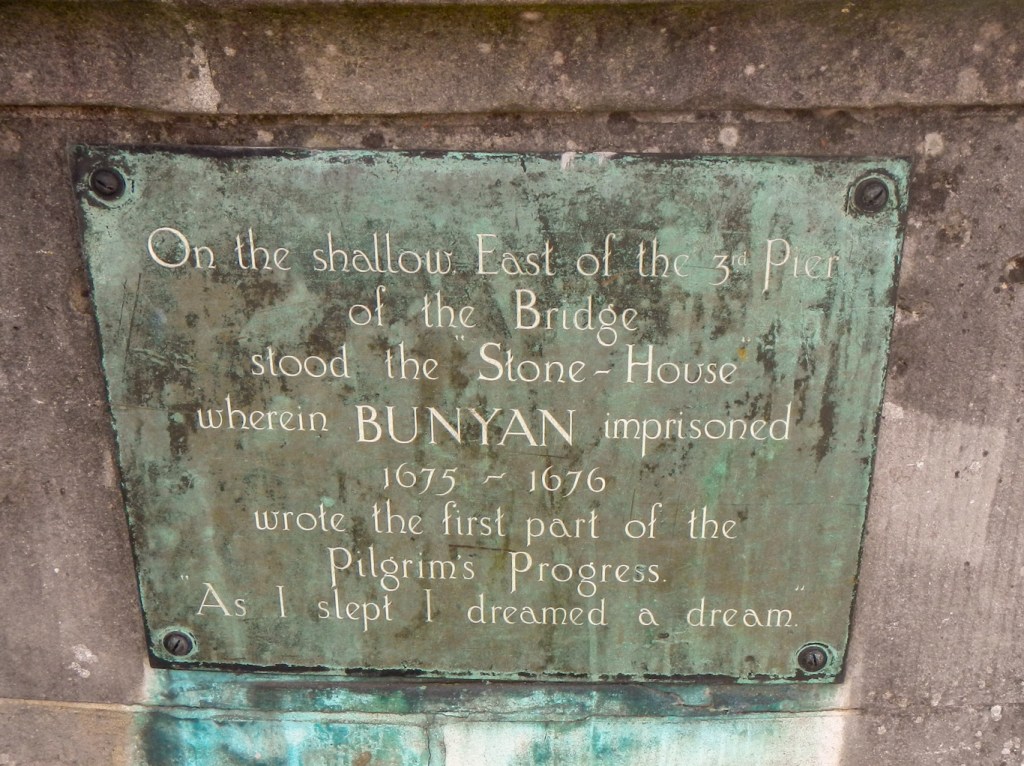
Bunyan was also held for some time in a small building in the centre of the old town bridge. A plaque on the current bridge, built in 1835, relates to this.
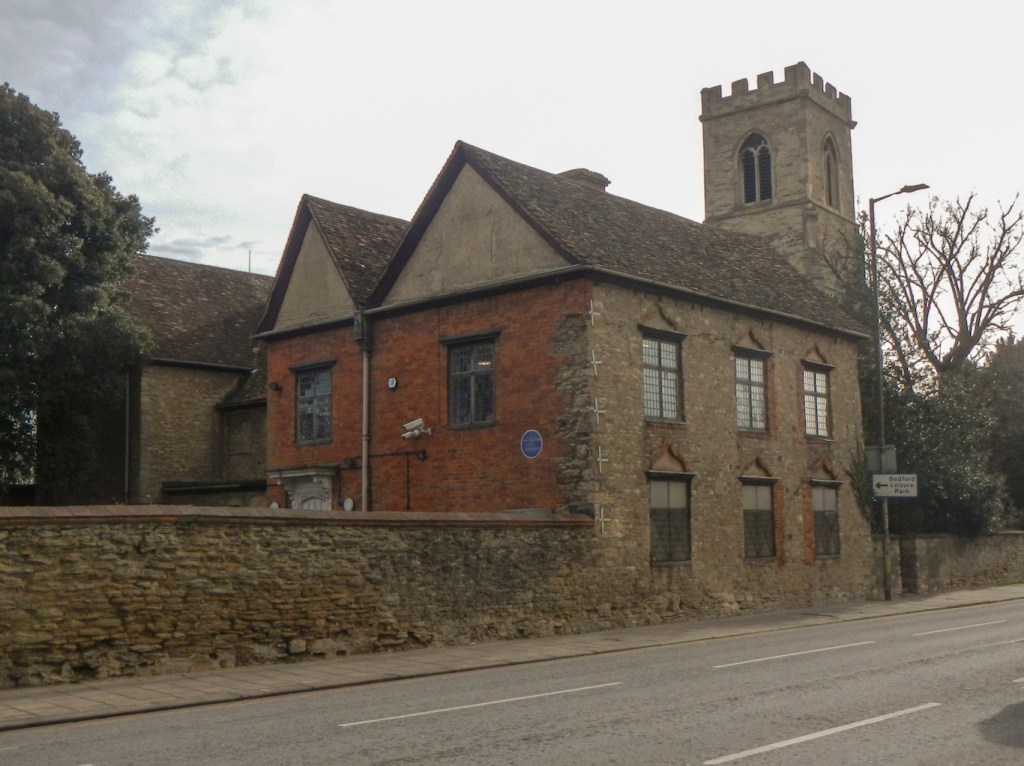
Across the bridge is St John the Baptist’s Church and Rectory. The Rectory was home to Pastor John Gifford, who influenced Bunyan’s religious development. John Gifford was the inspiration for “The Interpreter” – in The Pilgrim’s Progress, the words of the interpreter strengthened Christian’s faith as he set out on his journey. Dissenters in the Bedford area met at St John’s Church from 1650 until they were evicted in 1660.
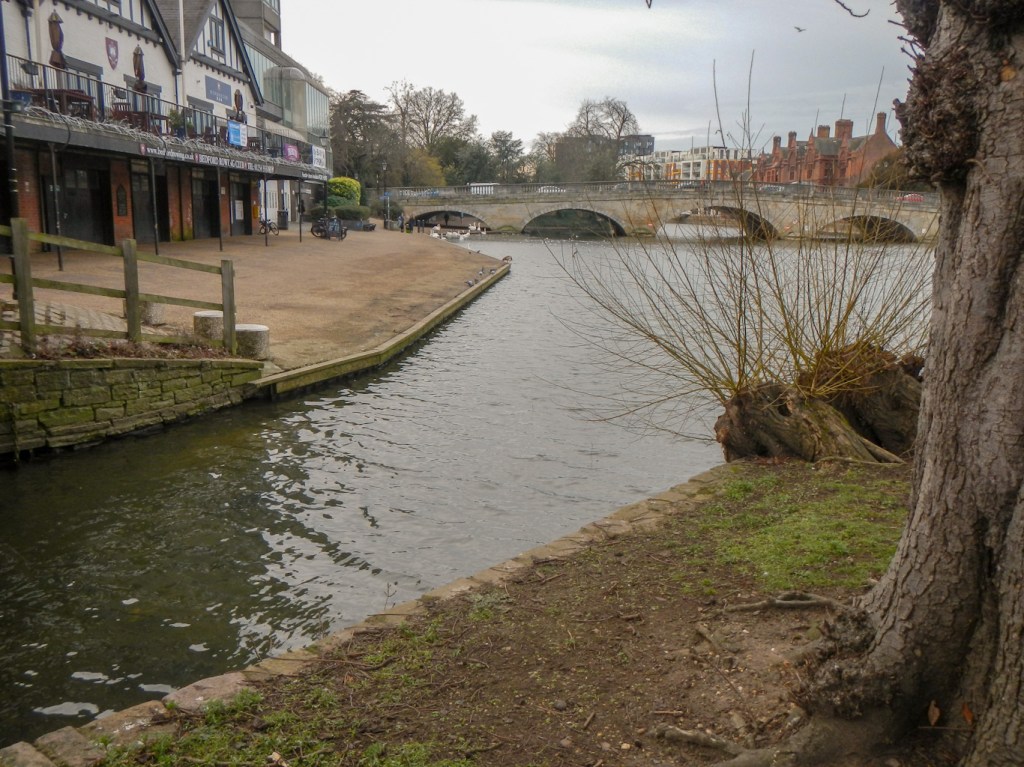
Turning back towards town, Bunyan’s baptism place is thought to be in a backwater of the River Ouse near Bedford Bridge – the spot was called “The Ducking Place”.
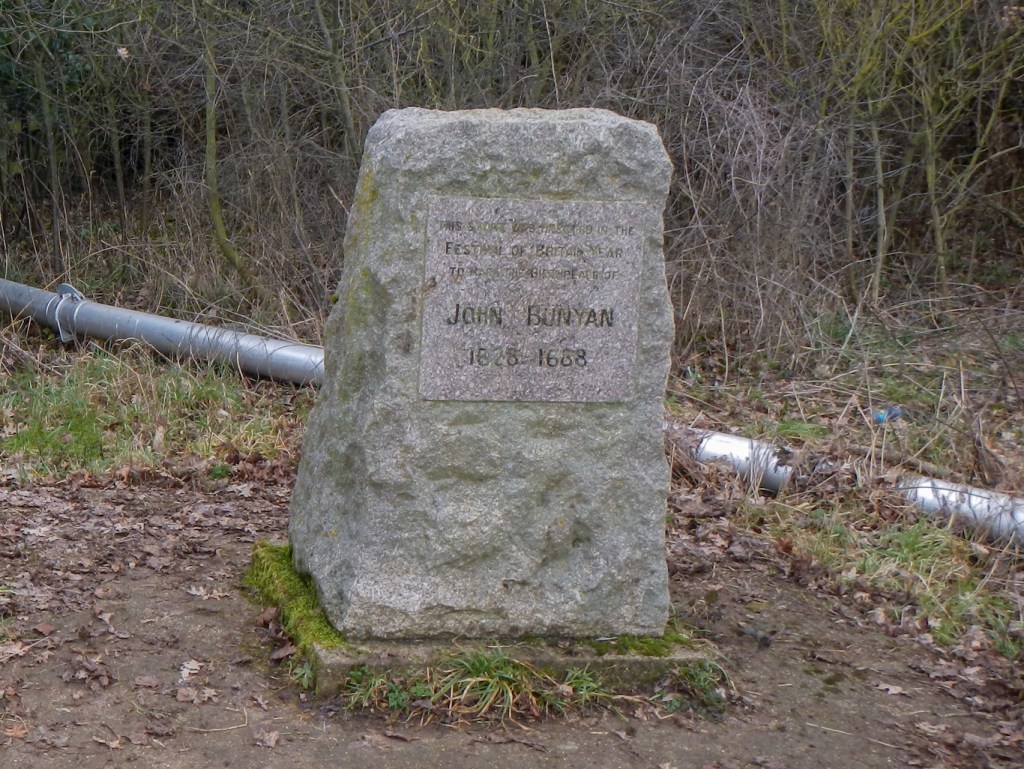
Initially I followed the River Ouse and then used various paths to reach Bunyan’s Birthplace, now in the corner of a very muddy field. There’s a plaque on a stone erected at the time of the Festival of Britain in 1951.
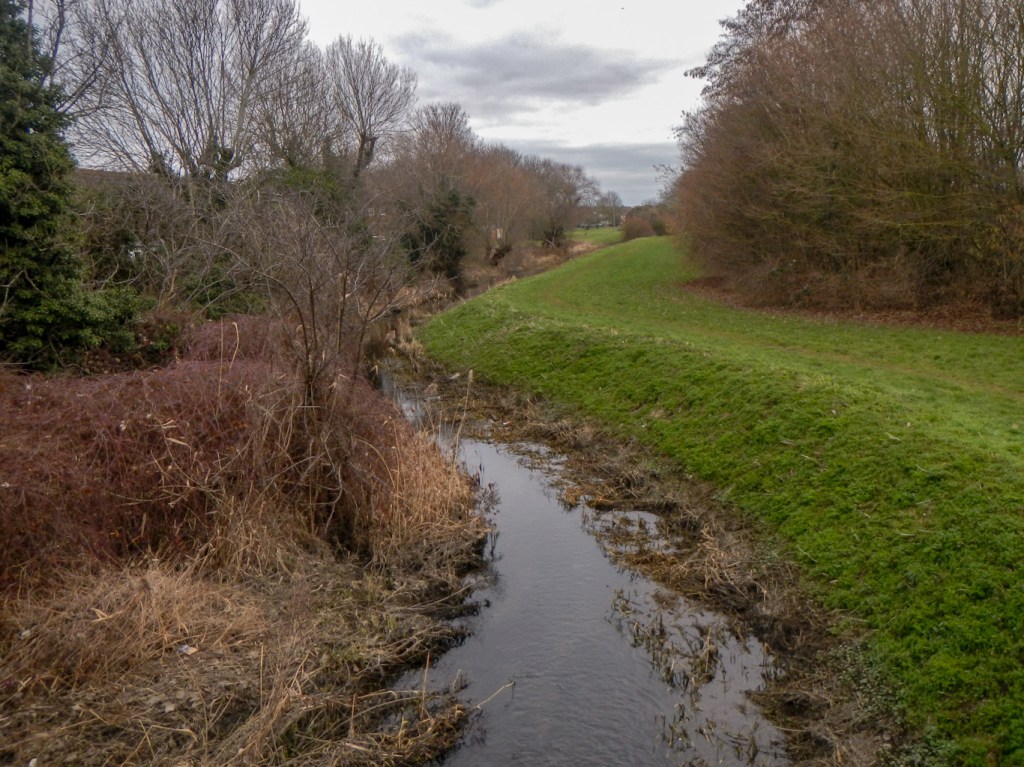
I proceeded on along some less muddy footpaths near Elstow Brook. This area is thought to have inspired the “very miry Slough of Despond” but nowadays it’s less muddy, at least when the weather has been dry. Some of it has even been tarmacked!
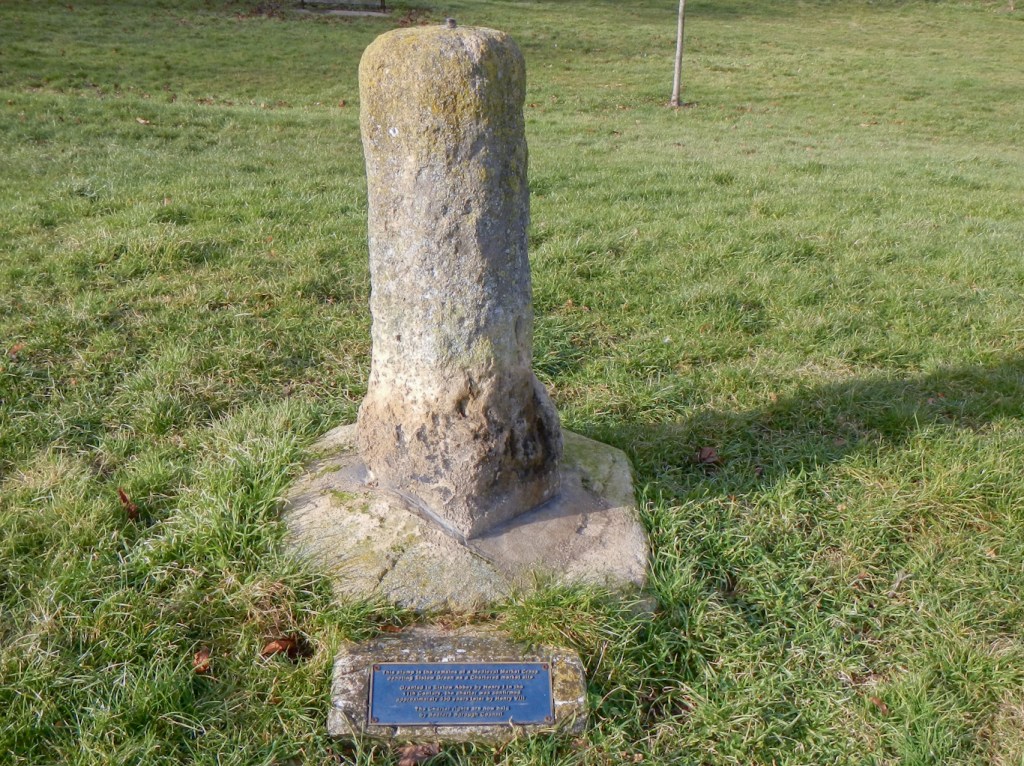
I reached the large village green in Elstow. There’s a stump visible which was part of the old market cross. In Bunyan’s time the May country fairs in Elstow were large and rowdy. It is likely that this location was the inspiration for the fictional “Vanity Fair”. It’s all very quiet nowadays!
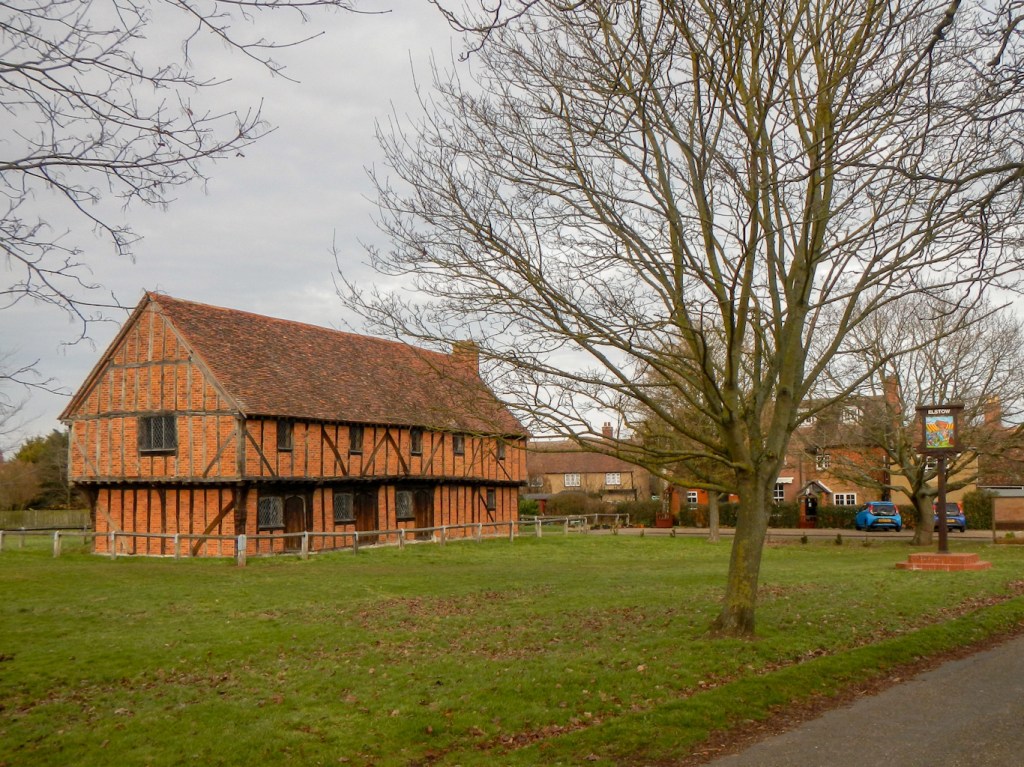
The Moot Hall on the green was originally a market house used during the fairs – nowadays it’s a museum (but was closed).
Bunyan was christened at Elstow Abbey Church in 1628 and, along with everyone else in the village, would have attended services. The separate belfry tower has six bells – traditionally Bunyan rang the fifth, which is still known as the Bunyan Bell.
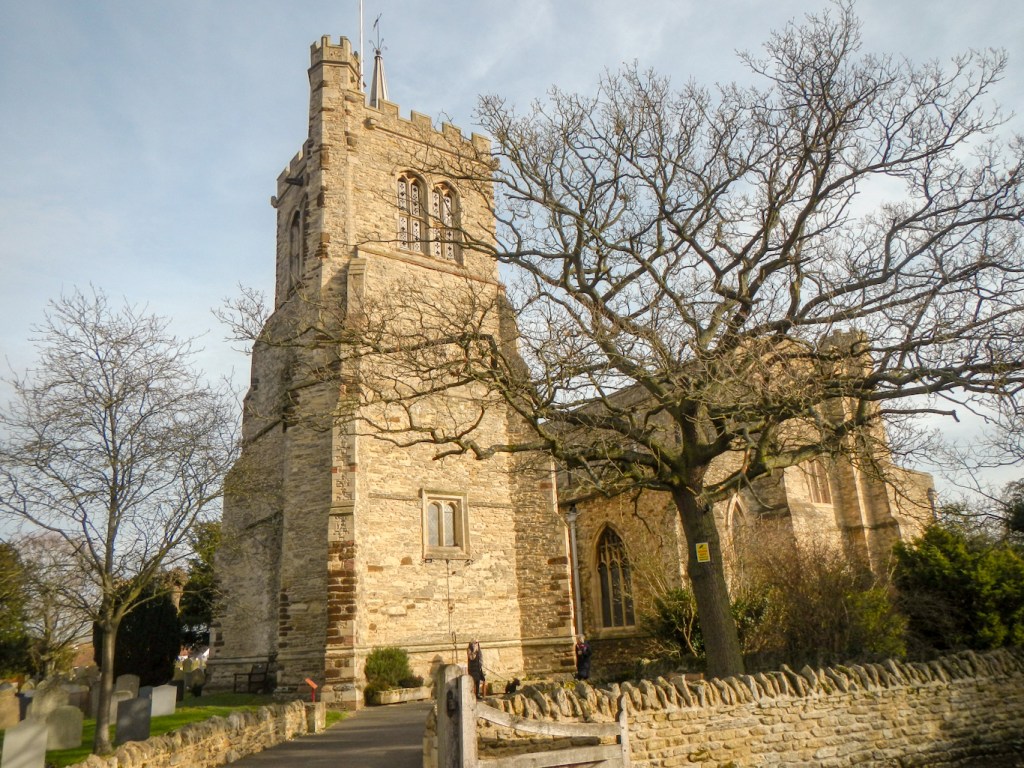
The wicket gate through which the pilgrims had to enter in the book is probably one of the small doors. The castle from which arrows were shot at those who would enter the wicket gate could be the stand-alone bell tower.
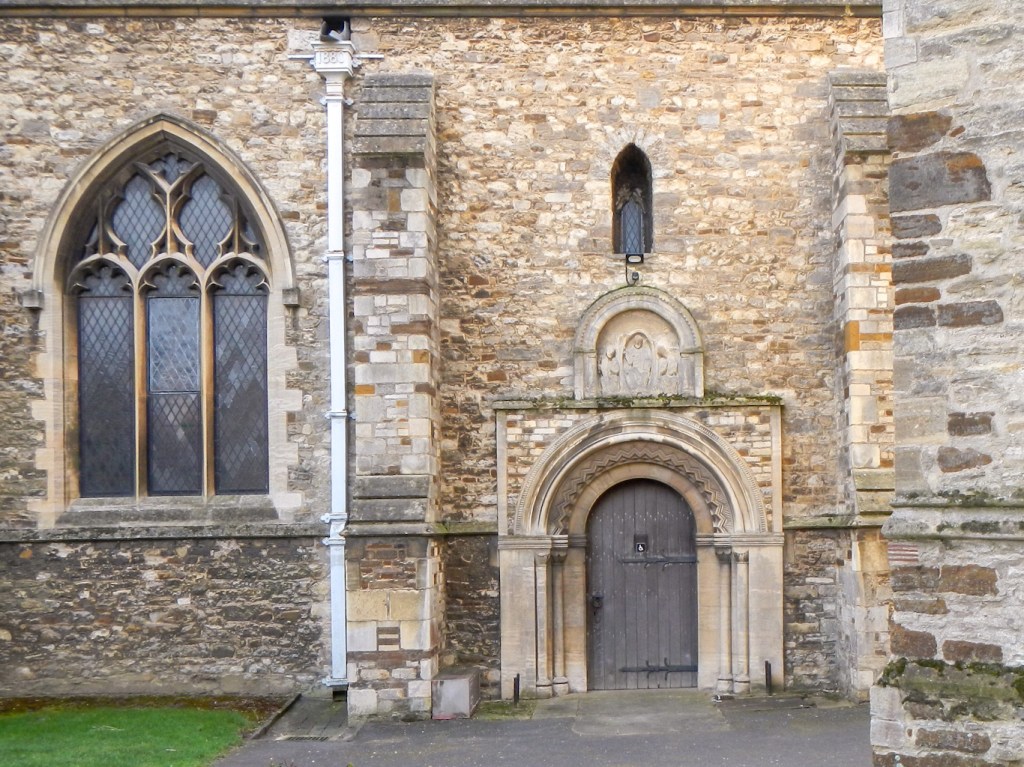
The church was locked, so I couldn’t see the two stained glass windows connected with Bunyan.
The Elstow Bunyan Christian Fellowship Building also has some stained glass relating to Bunyan. Opposite this building is a plaque marking the site of the cottage where Bunyan lived from 1649.
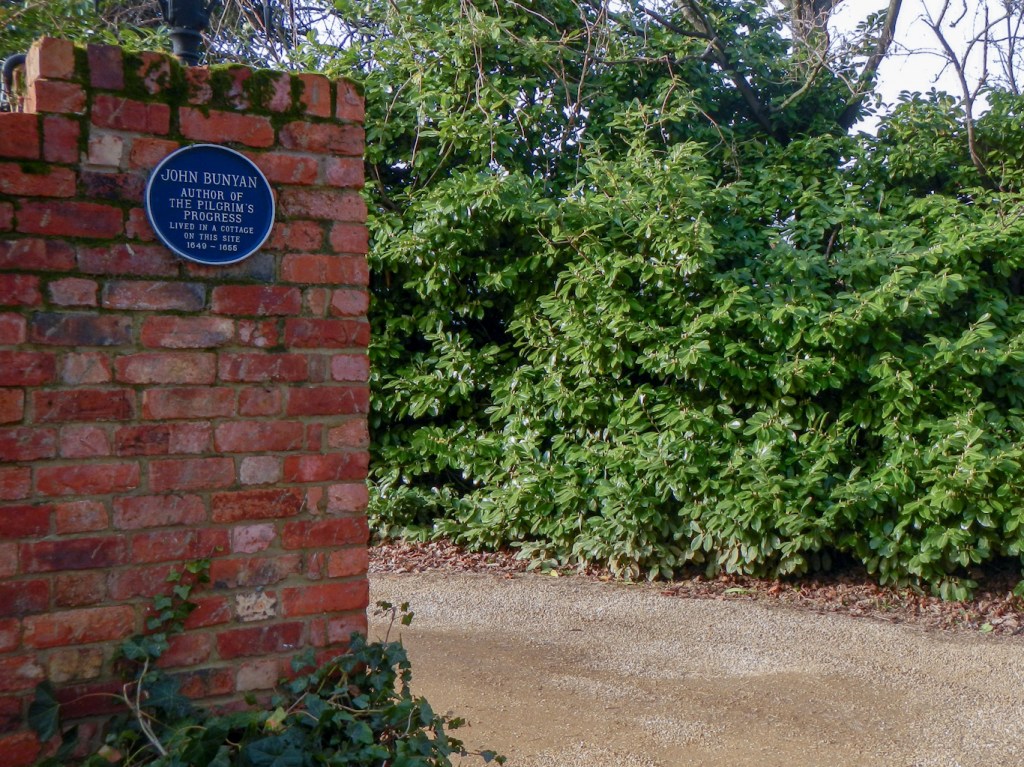
The City of Destruction in The Pilgrim’s Progress appears to have been inspired by Bunyan’s early experiences at Elstow. One Sunday in 1639 following a sermon delivered by the Vicar on the evil of breaking the Sabbath, Bunyan was playing his favourite game of tip-cat (various versions – one is like rounders but batting a stick rather than a ball) when he heard a voice asking whether he would leave his sins and go to heaven or keep them and go to hell. From that time his life changed and he became very devout.
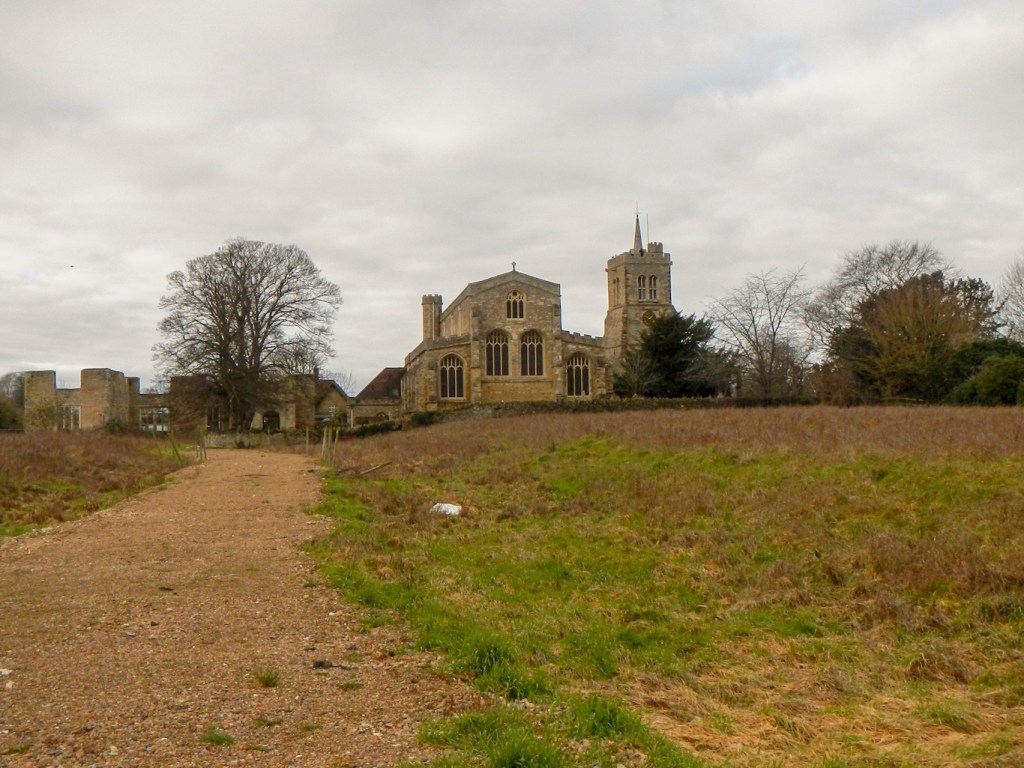
I headed back to Bedford following some residential and main roads – in the seventeenth century this would have consisted of fields with just a few farmhouses. I checked in to the aptly named Pilgrim’s Progress Hotel before spending a couple of hours looking round the interesting (and free) Higgins Museum, jam packed with exhibits of local and wider significance.
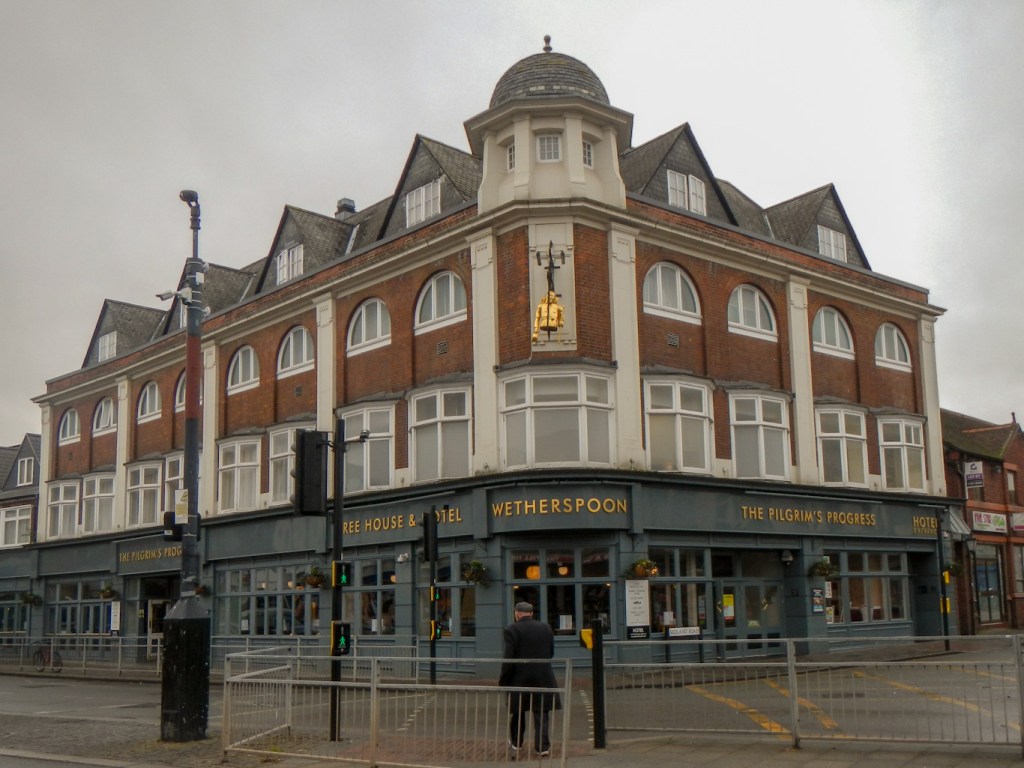
Next day was the first proper day for my walk so I headed out of Bedford on the main road having already explored the sights between Bedford and Elstow.
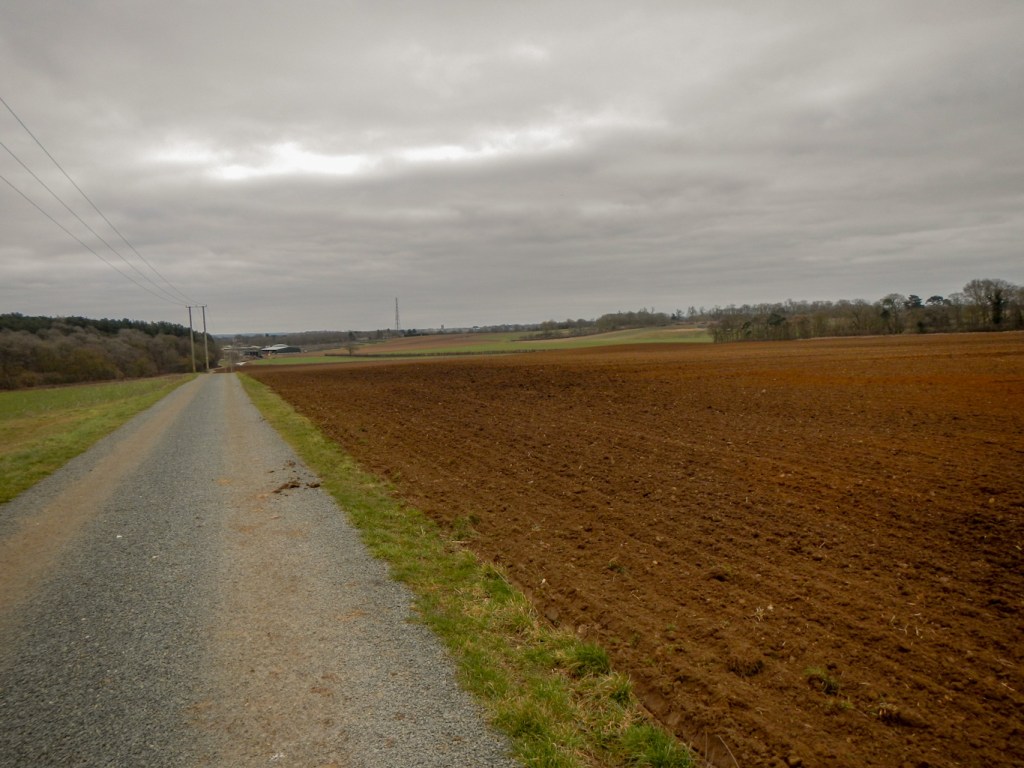
After Elstow, the route becomes more rural. It is also very flat and the land is likely to have inspired the plain across which Christian fled.
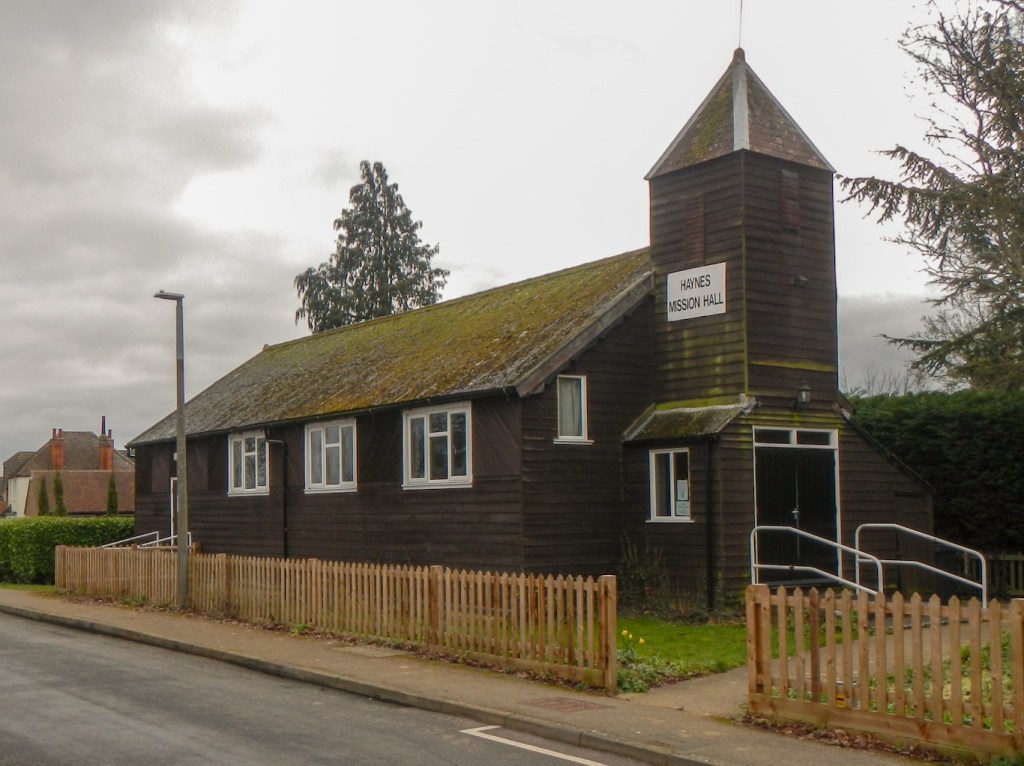
I passed the Haynes meeting house where the Bedford Baptists met in secret and Bunyan preached. I entered Greensand Ridge territory – an area of elevated land providing good views in this predominantly flat area.
My destination for the day was near Meppershall at a hotel with an attached Turkish restaurant. I enjoyed an excellent meal. I was relieved I had spare clothes to wear which I hadn’t walked in all day, although not quite the finery that most customers were wearing.
The hotel didn’t serve breakfast so I set my alarm early and, having completed my ankle exercises and eaten my breakfast of instant porridge made with water boiled in the kettle, I was on my way. It was a pleasant although chilly Sunday morning.
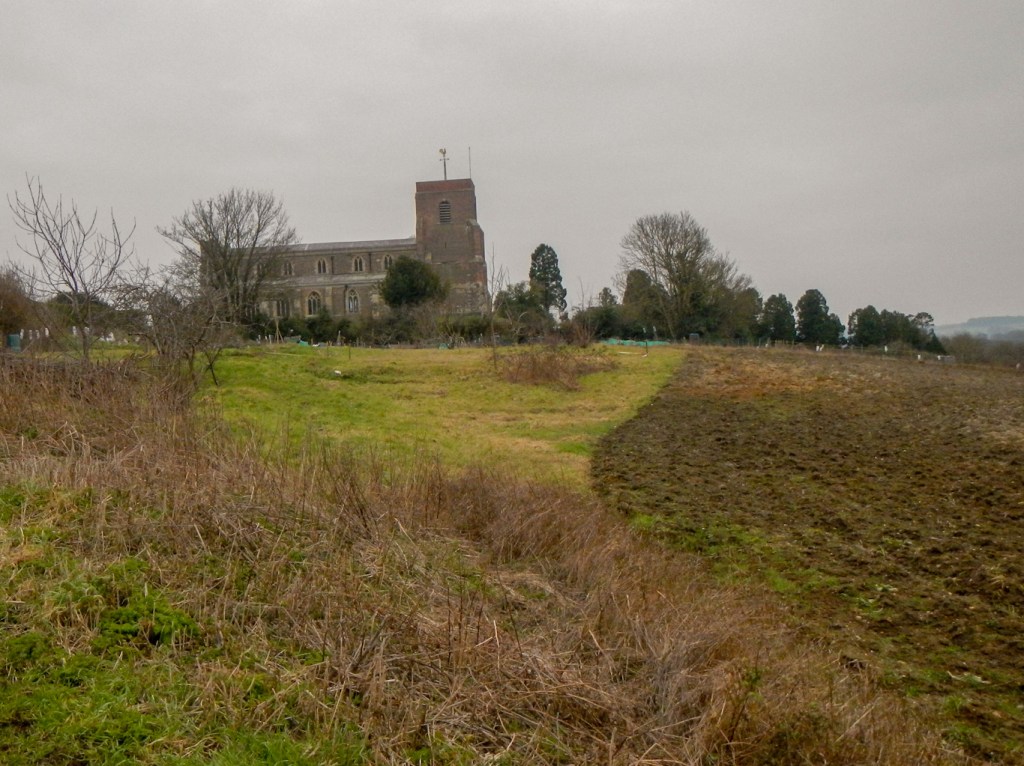
As I passed Shillington Church, prominently sited on a hill top I heard the bells being raised ready to call the congregation to worship. Gradually the Chiltern Hills became nearer (Bunyan’s “Delectable Mountains”). The church bells were ringing too at Barton-le-Clay as I approached but I soon heard them being lowered with the bell ringers just departing as I passed.
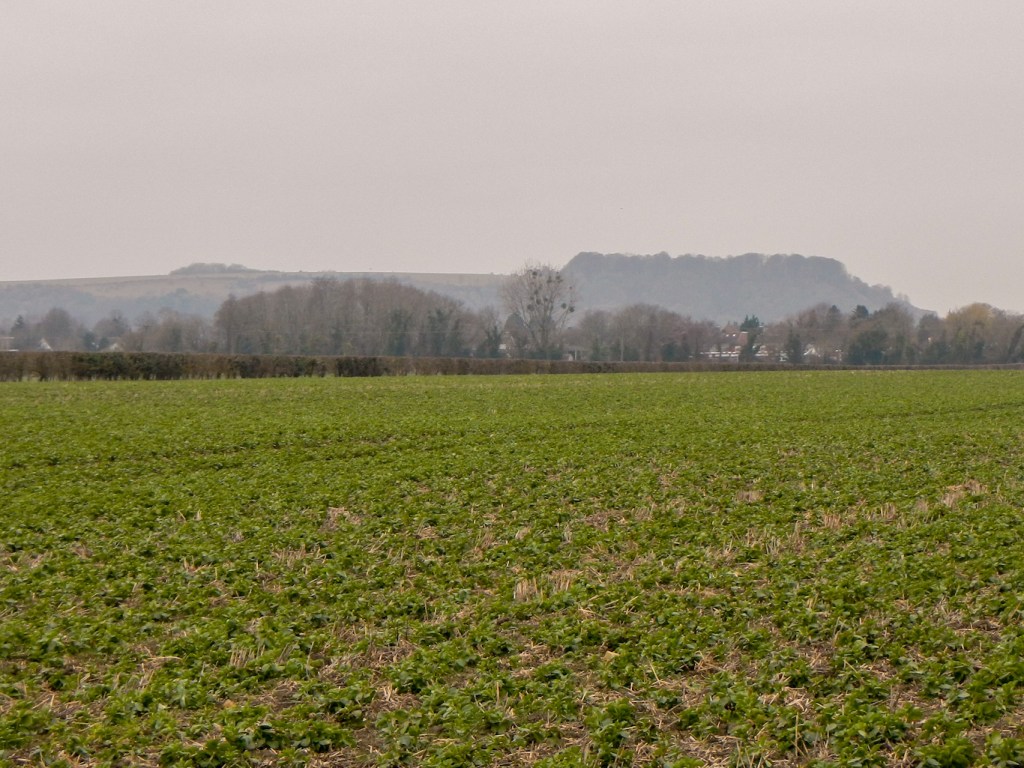
Soon I was climbing up the steepest hill so far on this journey. I stopped at a seat near the first summit to take in the view. A young boy with his family soon appeared commenting “We’re at the top of the mountain now”. However there was a further climb on to the ridge where I overtook and later turned to see he was being carried by his father. The Barton Hills (part of the Chilterns) are famous for their springs: “At a great distance Christian saw a most pleasant mountainous country… with springs and fountains”. These were the “Delectable Mountains”.
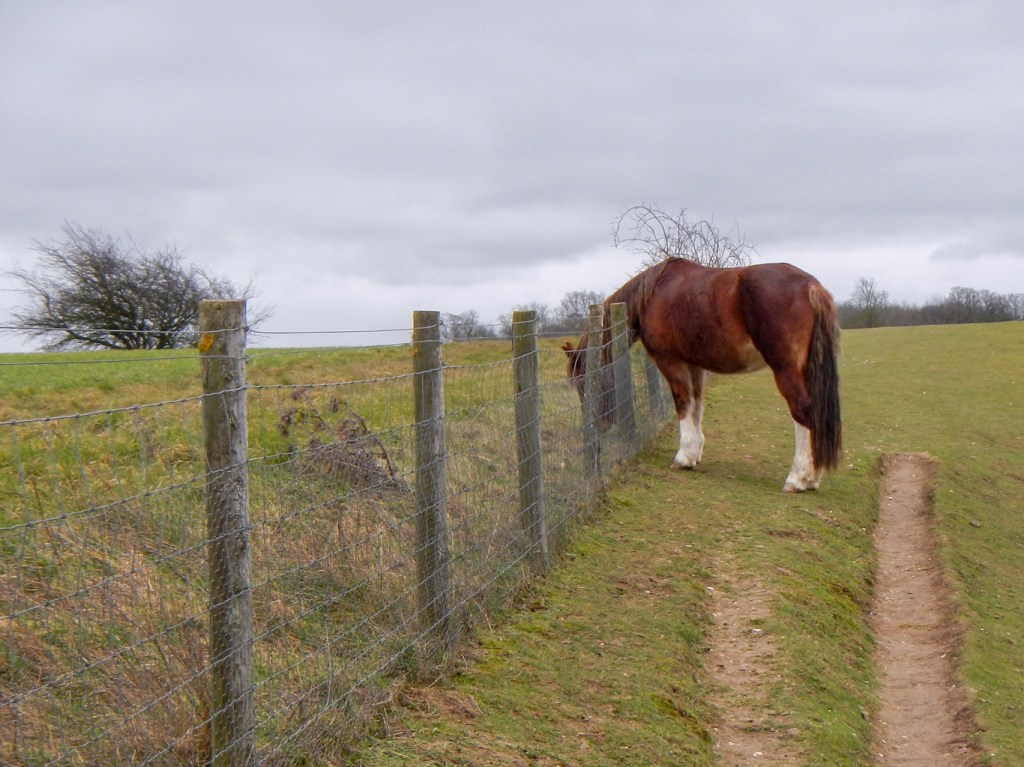
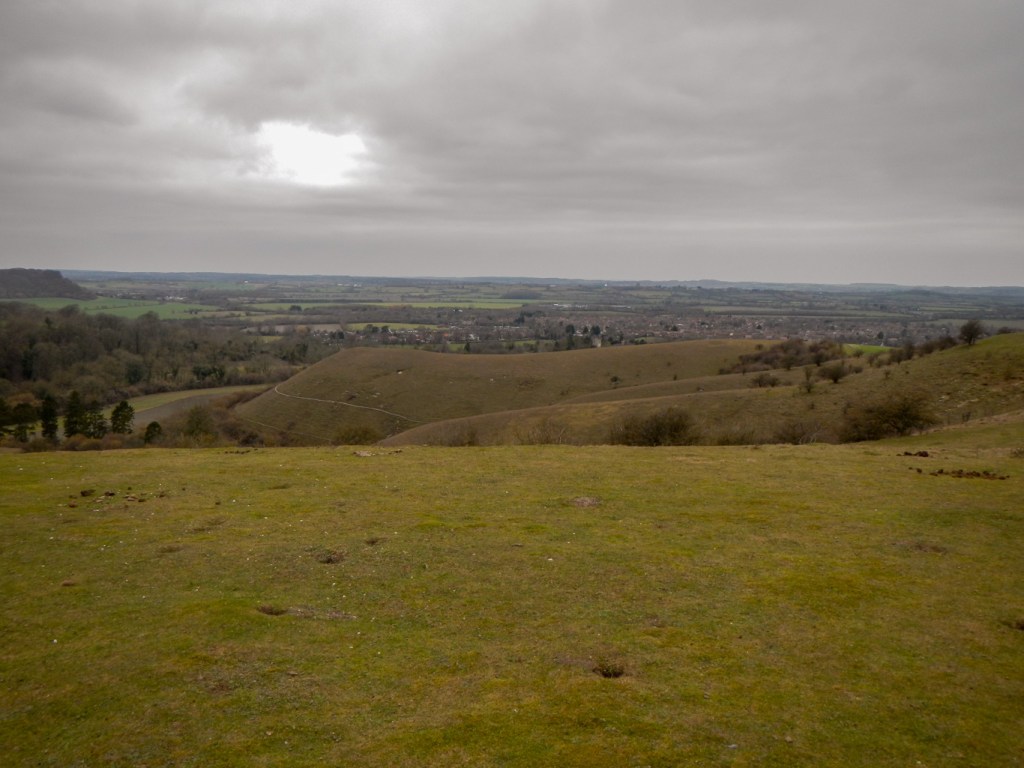

The route proceeded on to part of the Icknield Way. This path predates the Romans and is said to be the oldest road system in the country. Undoubtedly it is a route that Bunyan would have used on his travels.

I reached the village of Lilley. In this village, several houses registered for Dissenters would have been used for worship. Many of the houses display a rampant lion crest – this is the crest of the Sowerby family who bought the manor in 1788 and rebuilt many of the village properties as estate cottages.
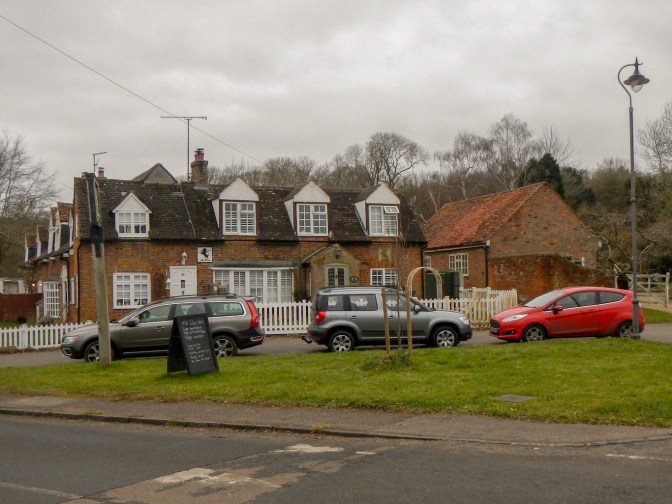
From Lilley, I re-crossed the hills on a more southerly line to reach Streatley, my overnight destination.
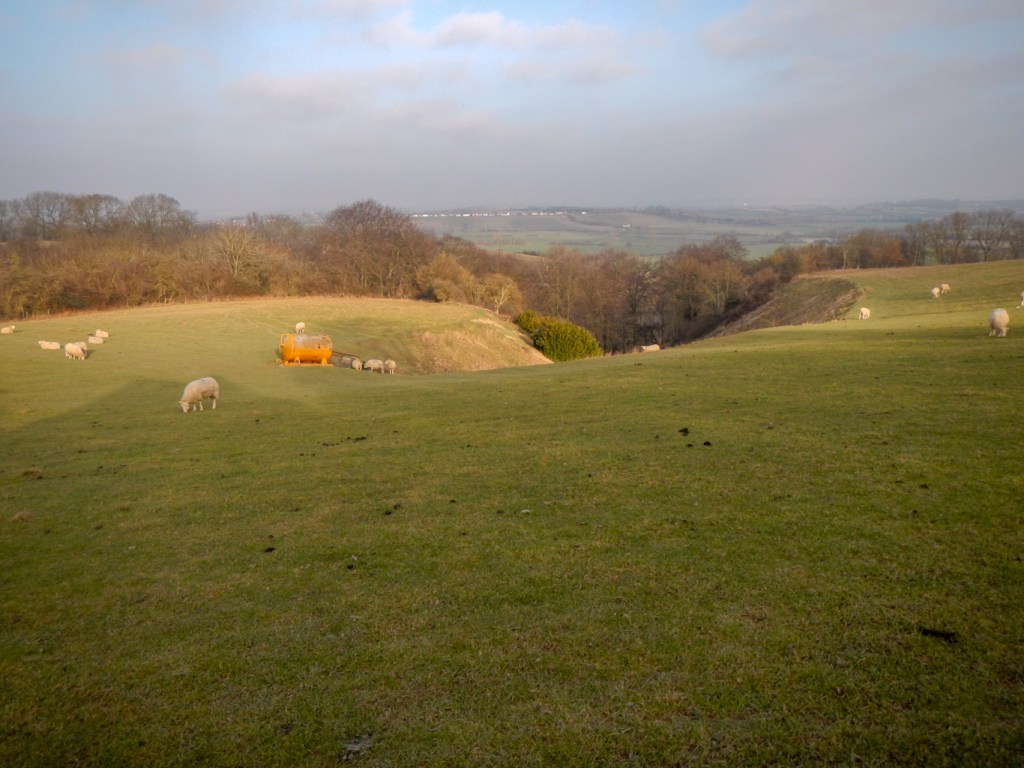
The next day, I had to decide whether to walk via the Sundon Hills. This was a detour adding a few miles to the route. My decision to take the longer route was amply rewarded as it is a fabulous walk through the Sundon Hills Country Park with superb views. It was also very quiet – I just saw one couple out walking. The route continued on to the equally scenic chalk escarpment of Sharpenhoe Clappers. This area was much busier with many walkers. It is crowned with traces of an Iron Age hill-fort and an impressive beech wood. Sharpenhoe Clappers had been visible intermittently in the distance on the previous two days. It may have been the inspiration for “Mount Pleasant” or for “Mount Caution” beyond the “Delectable Mountains”.


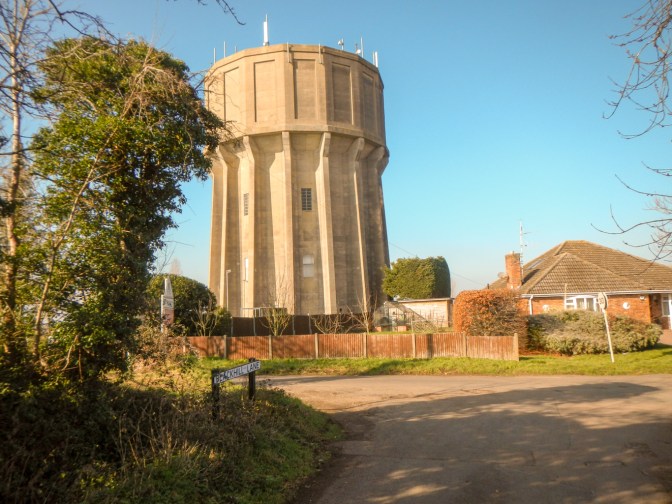
I descended to the flatter plain and walked to the edge of Pilloxhill village. The main feature seen from the route is the large water tower. However, in Bunyan’s time, Pilloxhill was a Quaker stronghold. It may have inspired “The Hill Lucre” (greedy profit) where in The Pilgrim’s Progress the pilgrims were tempted to investigate a silver mine in the hill. In Pilloxhill, there was thought to be gold but in fact it turned out to be flakes of mica in quartz.
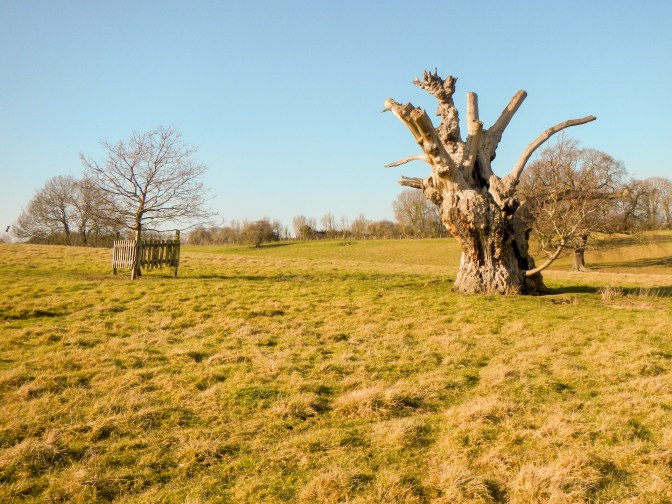
The next part of the walk passed “Bunyan’s Oak Tree” where Bunyan is said to have preached. The tree stump is marked on OS maps. Near to it is a young tree planted in 1988 to mark three hundred years since Bunyan’s death.
Harlington is the place where Bunyan was interrogated after his arrest for illegal preaching in November 1660.
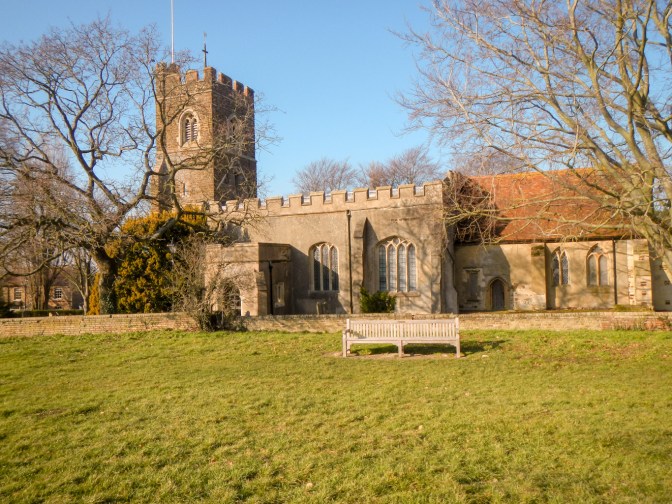
I continued on to the village of Westoning. Here I saw an information sign detailing a walk through the Flit Valley. I realised that following this rather than the Bunyan Trail would take me almost directly to my booked overnight accommodation at Flitwick Manor Hotel. The Flit Valley may have provided inspiration for “The River of the Water of Life” in The Pilgrim’s Progress.
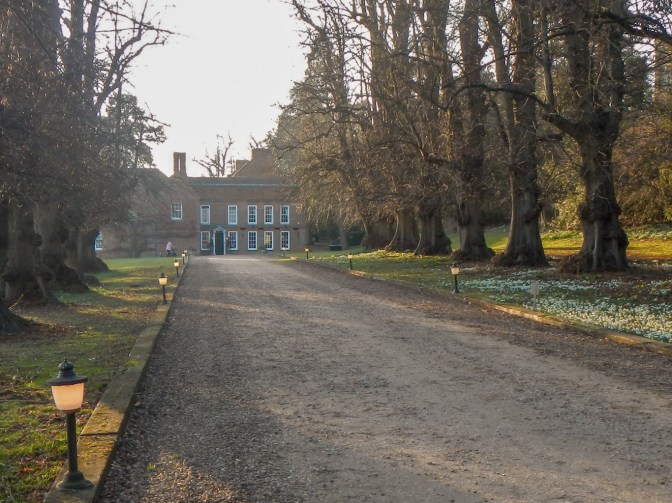
The Flitwick Manor Hotel is superb but a lot more expensive than anywhere else I stayed during my journey. I was a bit concerned about dress code for dinner but fortunately it was all very relaxed and my clean spare trousers and top were adequate. When I booked in the very professional receptionist didn’t bat an eyelid when he asked how I had arrived and I explained that I had walked. I don’t expect they have many visitors who walk. My room was huge with a sitting area as well as a sleeping area and there was even a bath which meant I could enjoy a relaxing soak before dinner. I had opted for dinner, bed and breakfast and enjoyed an amazing meal – red mullet to start, duck for the main course and chocolate and hazelnut torte to finish. Breakfast was also excellent and I was well set up for my walk which turned out to be over twenty miles that day.
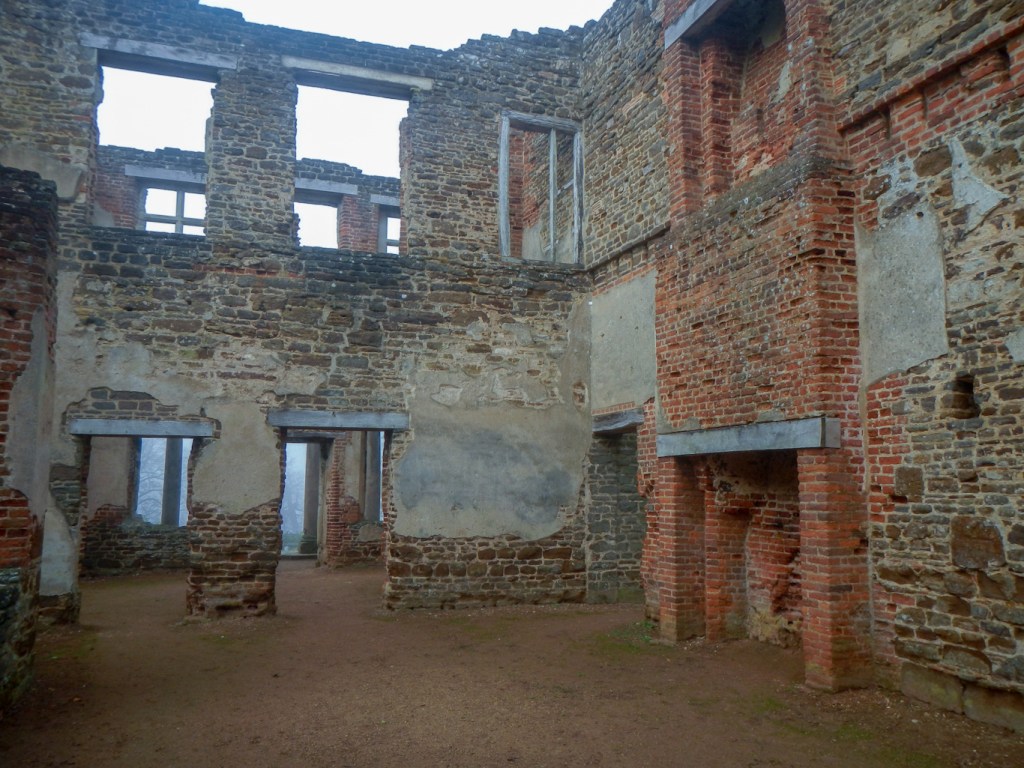
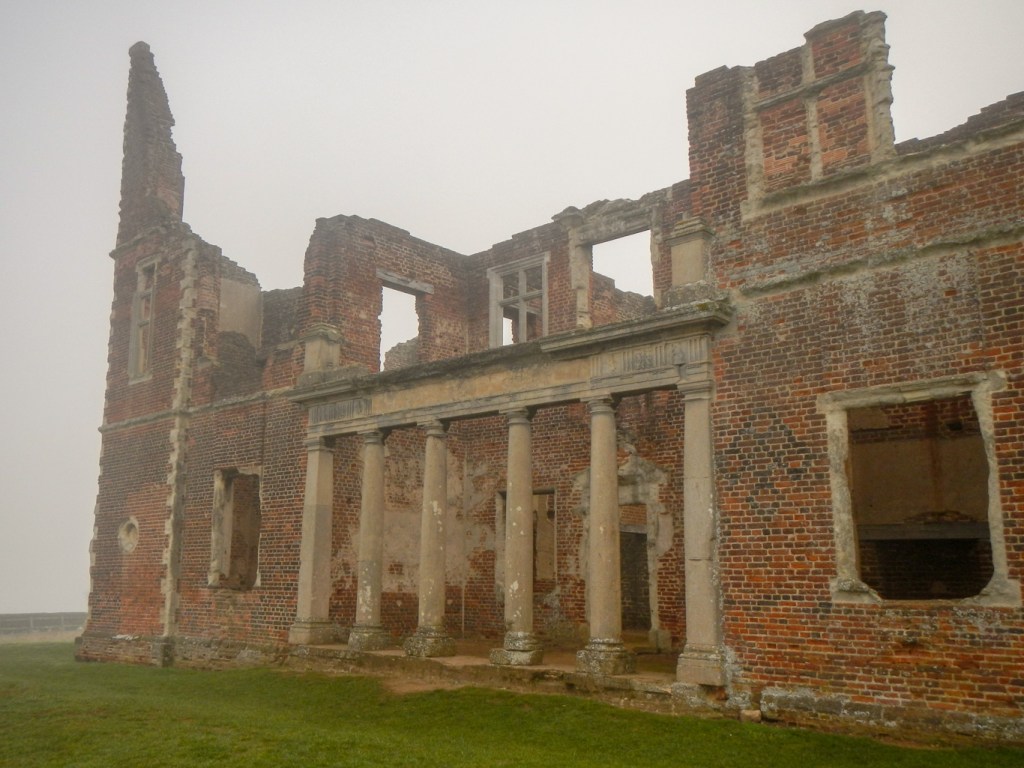
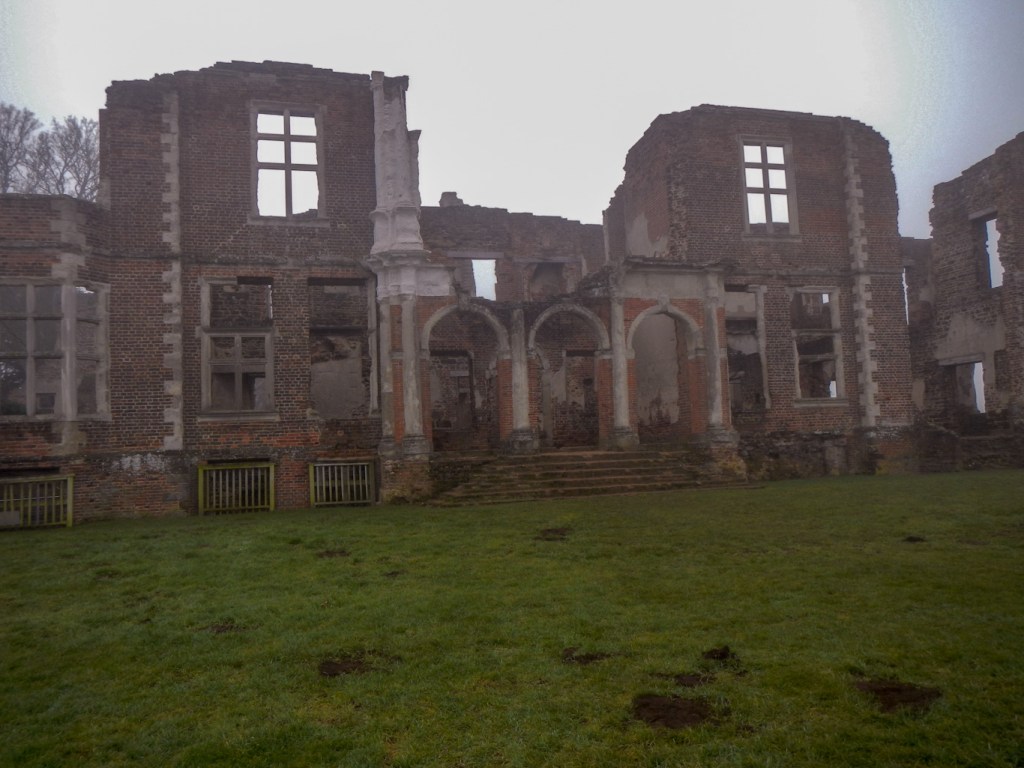
I cut across to Flitwick Wood to return on to the Bunyan Trail. Five miles on and I had reached the market town of Ampthill. My climb out of the town began from St Andrew’s Church. I traversed a field of Highland cattle with care and soon arrived at the ruined Houghton House. I deviated to visit – it’s under the care of English Heritage but freely accessible. It was built around 1615 for Mary, Dowager Countess of Pembroke, in a mixture of Jacobean and Classical styles – one of the architects was Inigo Jones. Capability Brown included Houghton House as a feature in the landscaping of nearby Ampthill Park though it lay outside the boundaries of his estate. The views of the surrounding countryside would have been stunning, but unfortunately the morning mist didn’t clear until after midday so I was there too early. The house is believed to have been Bunyan’s inspiration for “House Beautiful”.
Reluctantly I left the house behind me as I needed to get to Cranfield by the end of the day. As I left, I saw a large walking group approach. This turned out to be the very friendly group from Leighton Buzzard Ramblers, as mentioned in my introduction.
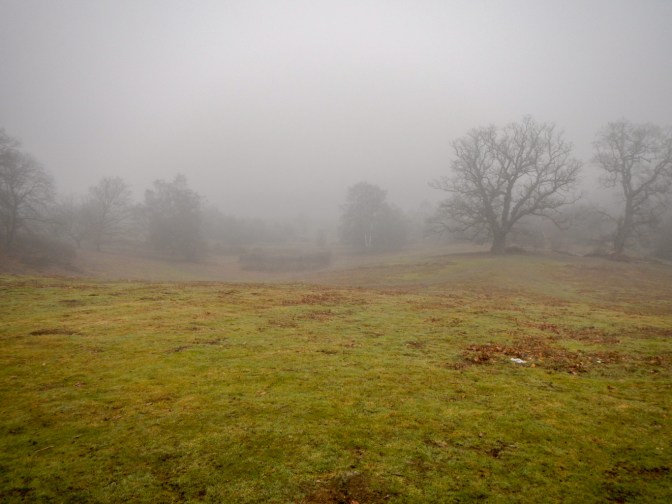
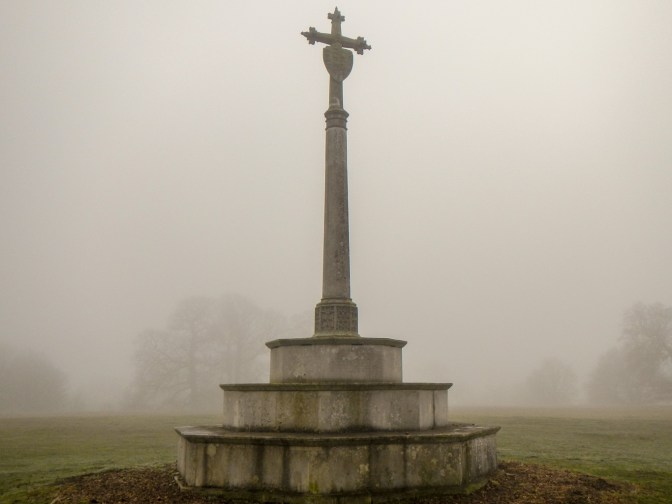
I was soon in Ampthill Park – unfortunately it remained misty and so I missed the expected ongoing fine views. I reached Katherine’s Cross – this marks the site of the 15th century castle which has been suggested as the inspiration for “Doubting Castle”. Henry VIII who frequently visited and stayed in the castle to take part in country sports may have been the model for the character “Giant Despair”.
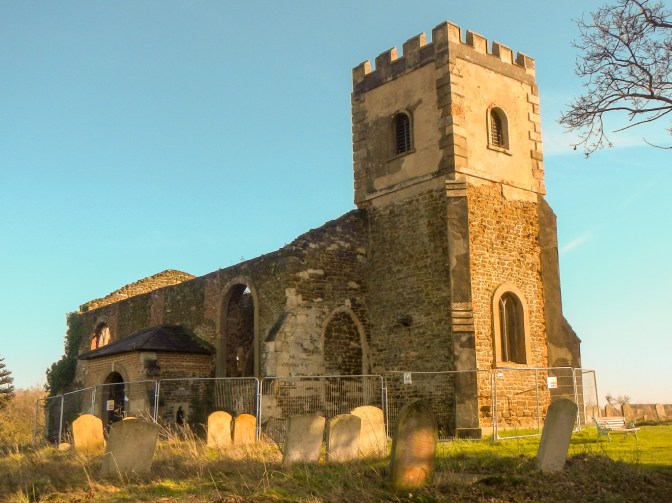
Millbrook Church appeared near the end of a track through some trees. A lane in this area, narrow and gloomy with overhanging trees, is thought to have inspired “The Valley of the Shadow of Death”.
I trudged on past the ruins of the medieval Segenhoe Church to reach Ridgmont where I was delighted to find an open café and be in time for a cup of coffee. An elderly couple just finishing a late lunch were on a trip out from Luton and it turned out I had almost passed their front door a couple of days earlier.
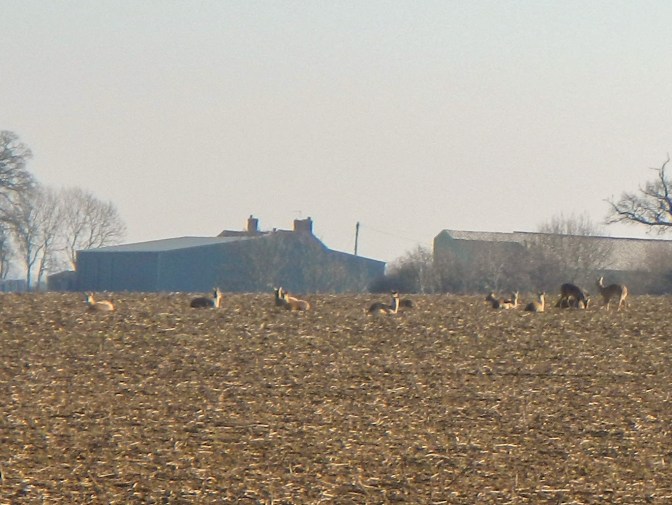
I’m glad I stopped for coffee as it seemed hard work for the final six miles of the day to Cranfield. Much of the walk shares the trail with the Clay Way. Fortunately the recent dry weather meant it wasn’t too heavy going. I saw lots of large fields with small herds of deer feeding as well as some areas of woodland.
My bed and breakfast was at the far end of the village and it was dusk by the time I arrived. It was an excellent overnight stop with a very friendly owner plus the local pub served delicious home cooked food. I saw the Church of St Peter and St Paul near the village green in Cranfield and my bed and breakfast was next door to the Baptist Church. In Bunyan’s time, William Wheeler was pastor at the church but became a dissenter who left his post due to a conflict of principles. he became first minister of the Baptist Church in 1660 but in 1664 or 1665 he was sent to the county gaol at the same time Bunyan was there and for the same reason.
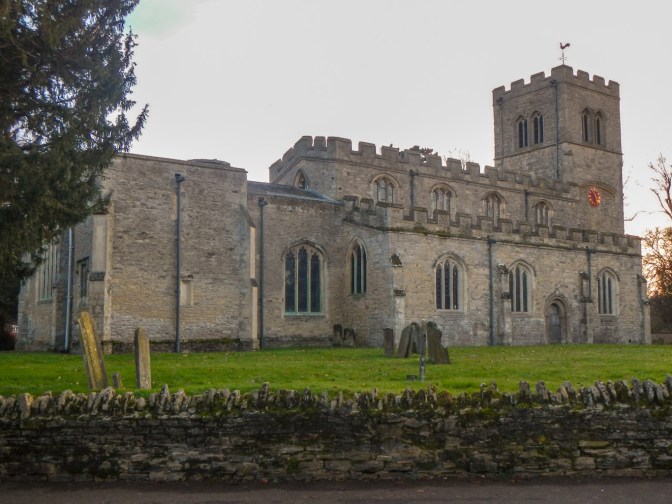

My final day on the trail had arrived. It was dry, bright and sunny. Amazingly my waterproofs remained in my rucksack for the entire expedition. The first stage of my day was an eight mile trek through farmland, country parks and the occasional road to Bromham. I decided not to visit the water mill but I walked down towards the riverbank and sat on a bench overlooking the River Ouse.
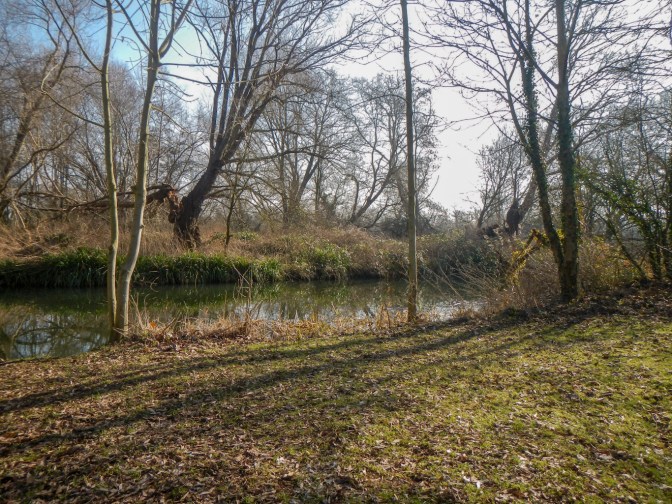
As I took the path towards Bromham Park, I said “Good Morning” to a lady walking the opposite way. Amazingly she recognised me as she had served me coffee at the Bunyan Meeting building in Bedford! What a surprising coincidence to meet her on the final day of my walk and this had only happened because I had stopped a few minutes earlier for a rest. Otherwise our paths wouldn’t have crossed.
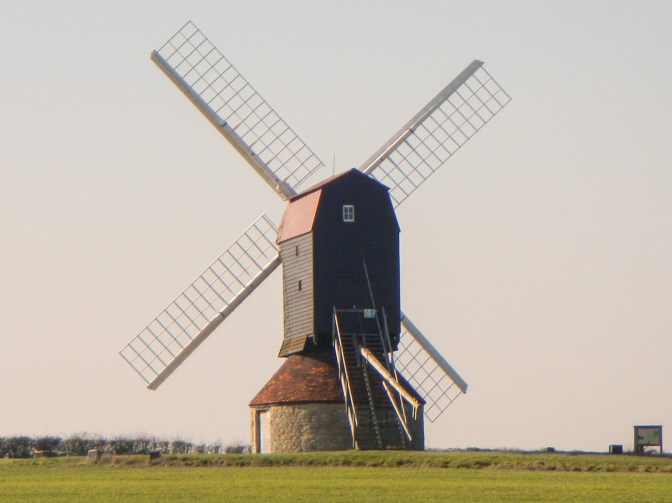
I continued across the park with views towards the church. My next destination was Stevington, a village with several interesting features related to Bunyan. The route continued along field tracks and paths. I had an excellent view of Stevington windmill. This is an impressive postmill built in the 18th century so it wasn’t there in Bunyan’s time. It is the only complete windmill left in Bedfordshire.
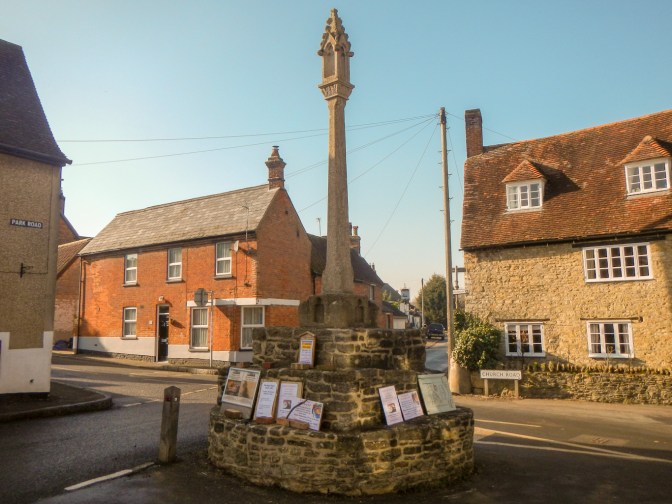
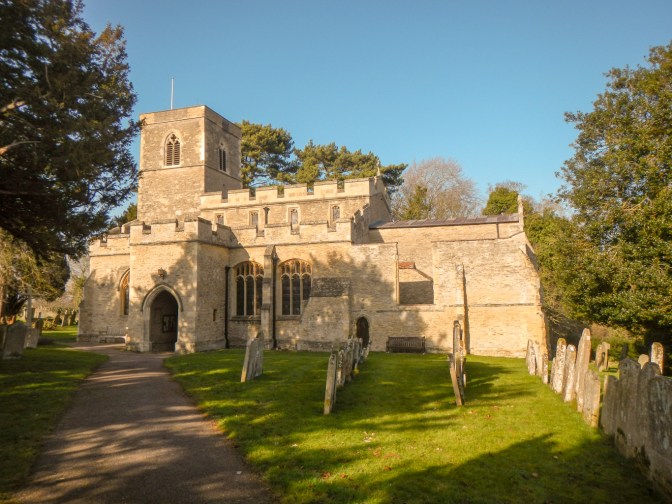
Stevington did not disappoint me. I arrived at the village crossroads. Stevington Cross, a Gothic column of grey stone, dates from medieval times. It is thought to have inspired the writing about Christian’s burden falling from his back and rolling down into the holy sepulchre. It remains a focal part of the village today, with many notices placed on it announcing upcoming local events.
The village church of St Mary the Virgin is at the very end of Church Road, past some picturesque houses, the church hall and community shop and the Manor Gardens. I sat on a bench in the church yard to eat lunch and work out some logistics for the rest of my journey. Bunyan is said to have rested here in a straight-backed medieval chair after walking from Bedford. I realised that it was possible to walk on to Pavenham and then on to Oakley to catch a bus back to Bedford. This would enable me to take more time on the very attractive looking part of the walk along the banks of the Ouse.
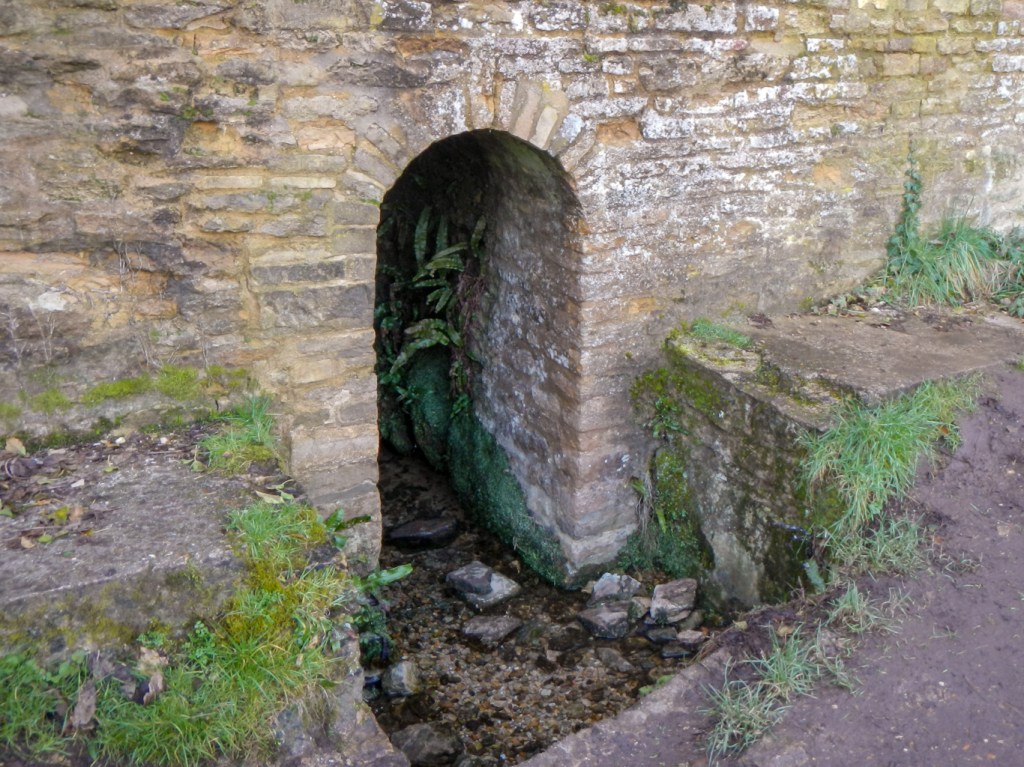
Refreshed following a rest and lunch, I took the path to the open spring known as “The Holy Well” which may have been Bunyan’s sepulchre.
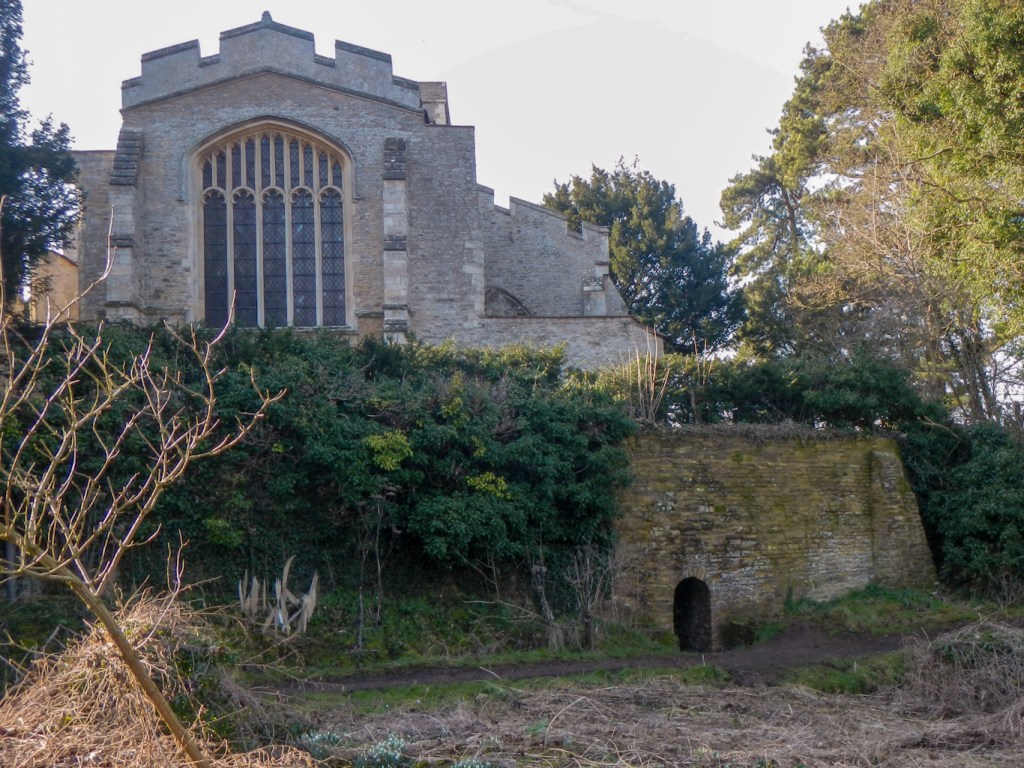
From here it was indeed a beautiful trail following the river bank. The path was marshy in places and signs erected by the local council explain that it is a site of Special Scientific Interest. In this area, secluded by trees and brambles, John Bunyan would sometimes preach. It is also where the early Baptists from Stevington Independent Church would baptise their converts.
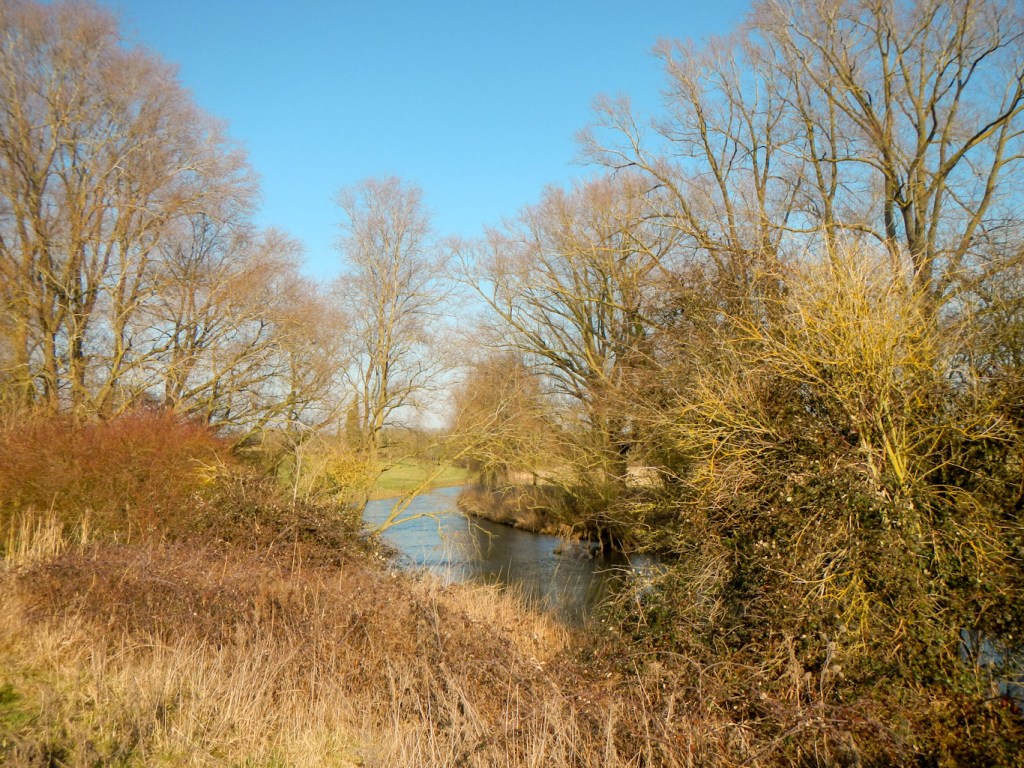
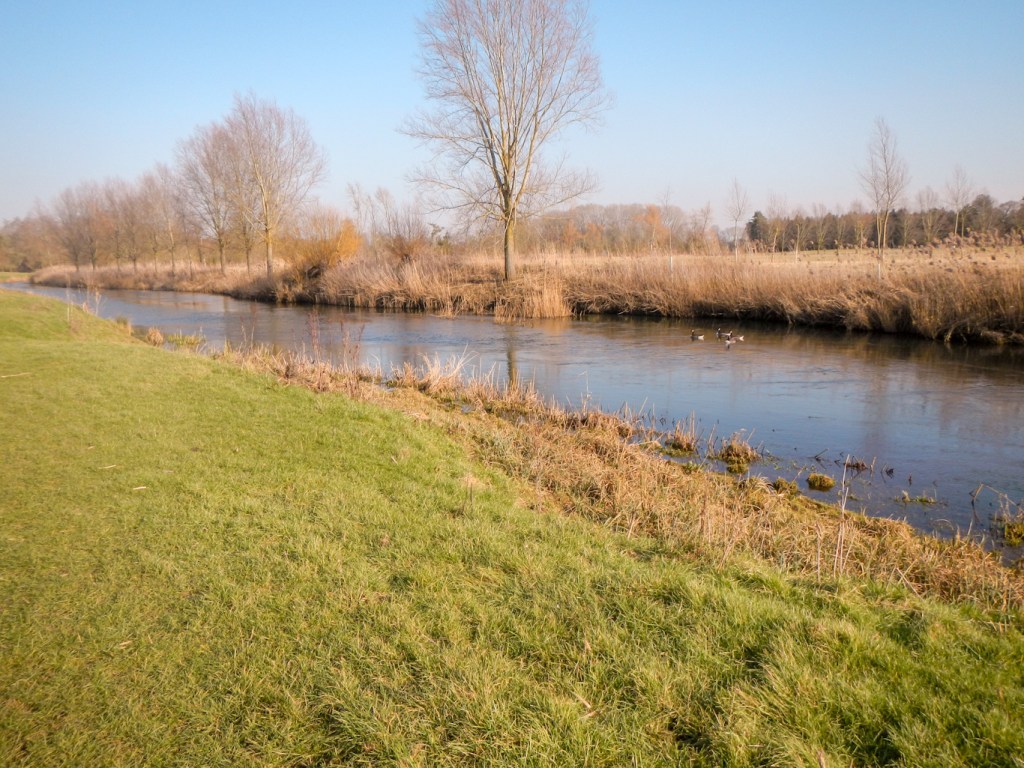
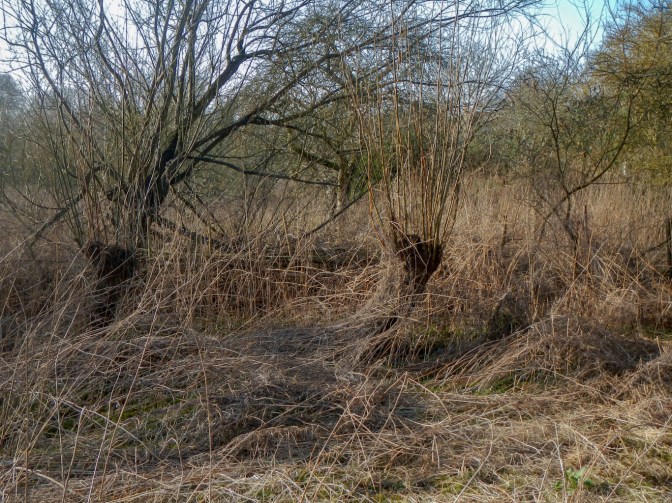
I made my way past osier beds in Pavenham, walking towards Oakley. Unfortunately my way became blocked by some Highland cattle and I wasn’t able to regain the path. However I managed to navigate myself to the correct bus stop in Oakley to have only a 10-15 minute wait for the bus to Bedford, hence omitting part of the route which appeared to be more urban than the majority of this interesting walk and pilgrimage.
I had discovered that although it is a small county, Bedfordshire contains a beautiful and varied landscape including chalk escarpments, the Greensand Ridge, picturesque rivers, small villages with an active community life and the interesting county town of Bedford. Passing through these areas alongside spotting features relating to the life and times of John Bunyan, as well as buildings and scenery which may have inspired parts of his writing almost 350 years ago was a fascinating experience.


Hi Katherine, I enjoyed reading your blog, as one of the volunteers involved in developing the route. It was actually Bedfordshire Ramblers that developed the route. Leighton Buzzard Ramblers were responsible for part of it, along with other groups in Bedfordshire. Happy walking, Caroline
LikeLiked by 1 person
Thanks Caroline for pointing this out – I have amended the text now to reflect this. I also realised that my photo of the church at Cranham was the wrong one so have put that right as well.
LikeLike