17-19 June 2021
This place is made for adventure – it was site of the first ever experimental Scout camp in August 1907. Nowadays the island is owned by the National Trust, with a significant chunk in the north managed by the Dorset Wildlife Trust; John Lewis partnership runs the castle area for their own colleagues to have holidays; there is also a Church of England church. Recently it has become possible for individuals to camp on the island – and adventuring is positively encouraged by the National Trust.
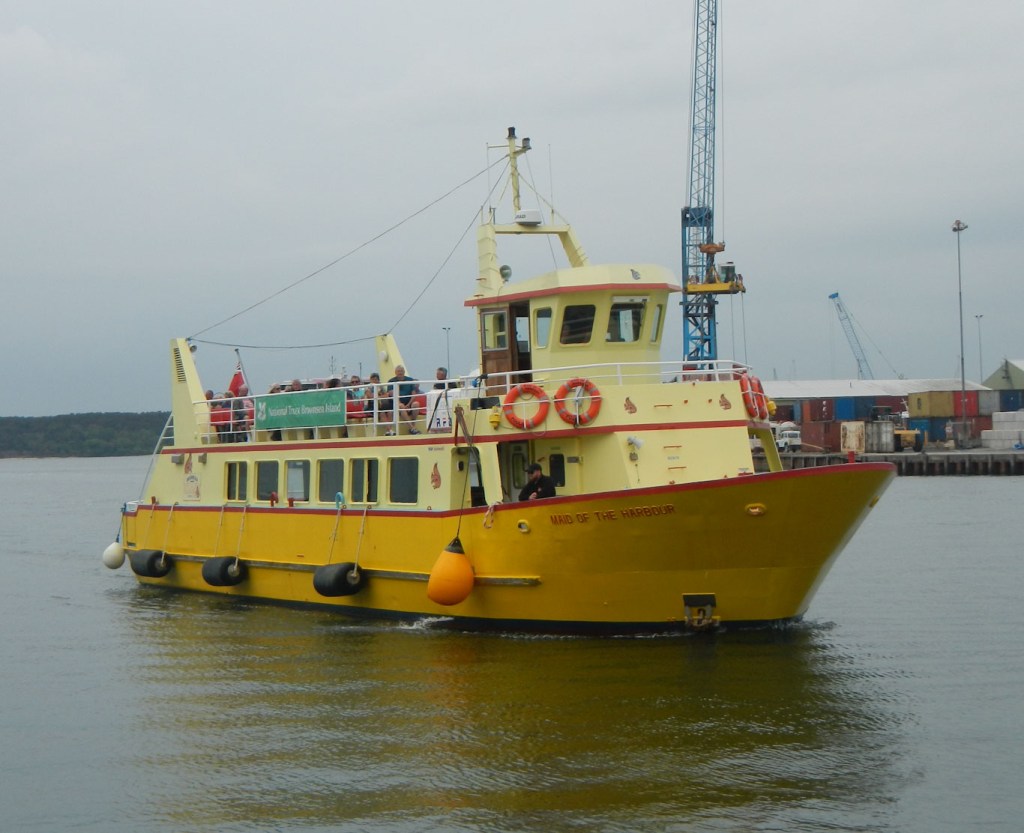
The famous “Yellow Ferries” 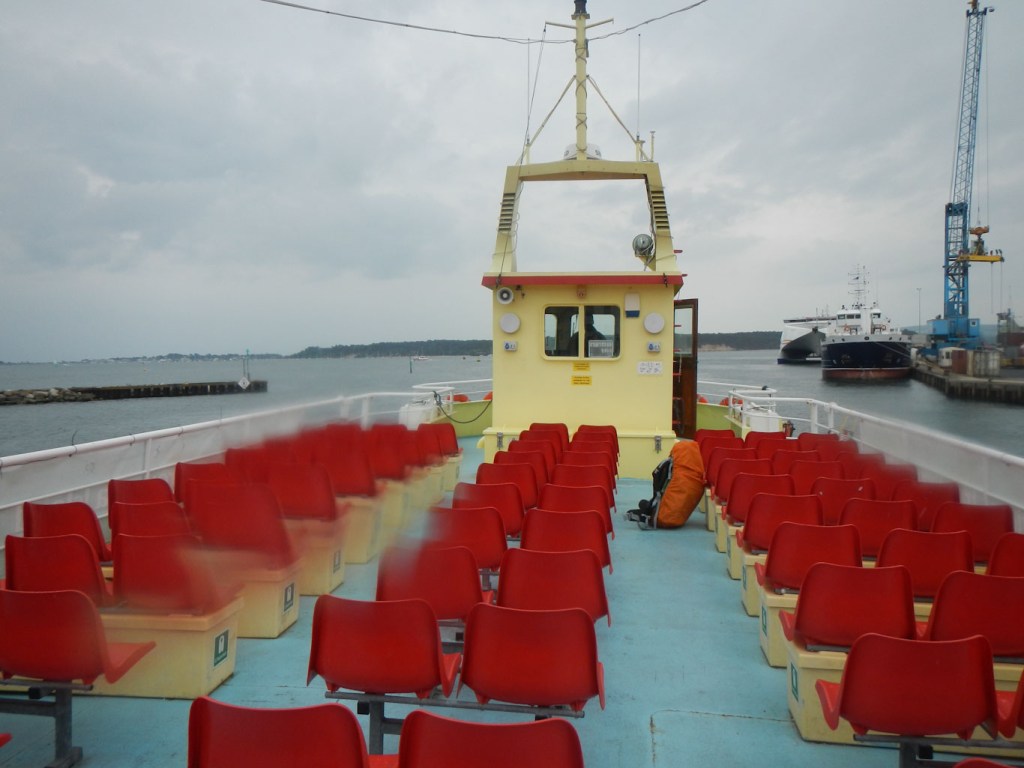
I was the sole passenger!
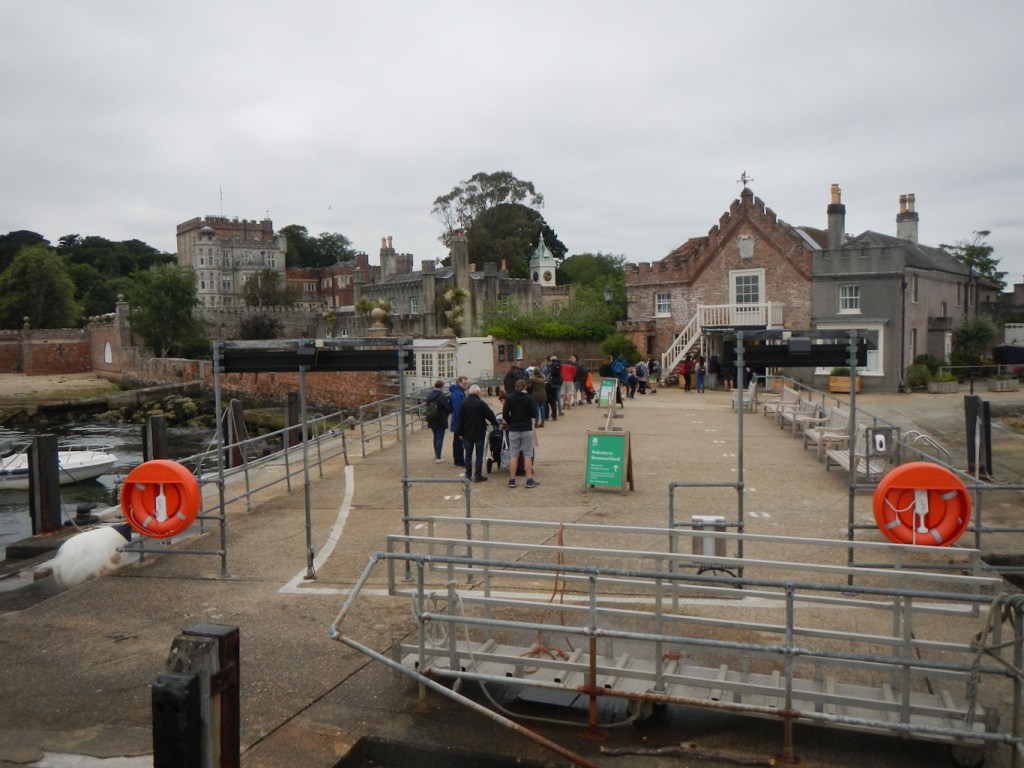
I caught the “Yellow Ferry” from Poole Harbour. The adventure started immediately as I was the only passenger on the “Maid of the Harbour” – a boat which can normally take 185 passengers (less with social distancing in Covid)! The ferry route goes around the north of the island so I could see the huge salt water bird lagoon before I even landed. As the boat arrived at the quay, I saw a queue of people waiting to board the vessel back to Poole. I discovered that the “empty” ferries are used to transport campers – the day visitors arrive earlier and depart later in the day whereas the overnight visitor crossings arrive in the afternoon and return to Poole in the morning.
Sadly it was raining – unfortunately my stay coincided with the first rainy days for a while. However, this wasn’t going to dampen my spirits. I was offered the use of an umbrella for the mile walk to the campsite, but I was already wearing full waterproofs and had my own lightweight trekking umbrella as well. I was given a map showing all the main paths and there were helpful signposts so it was easy to find the way. It’s a friendly place and, as I walked, I also saw some people in National Trust logoed clothing who were keen to point me in the correct direction.
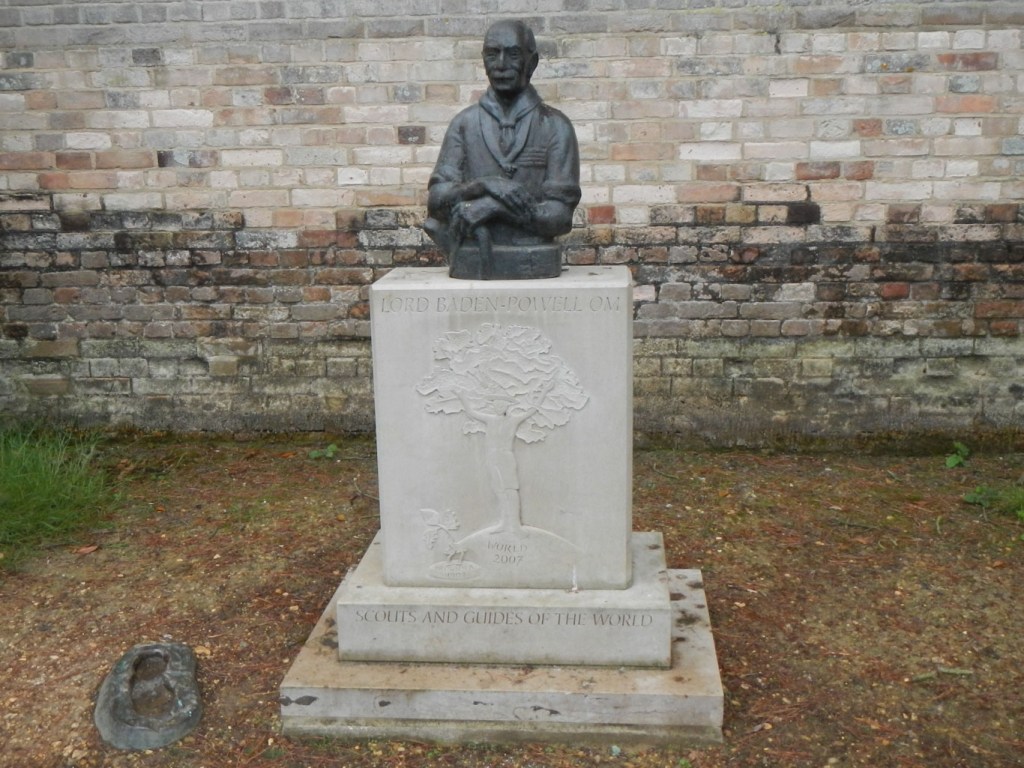
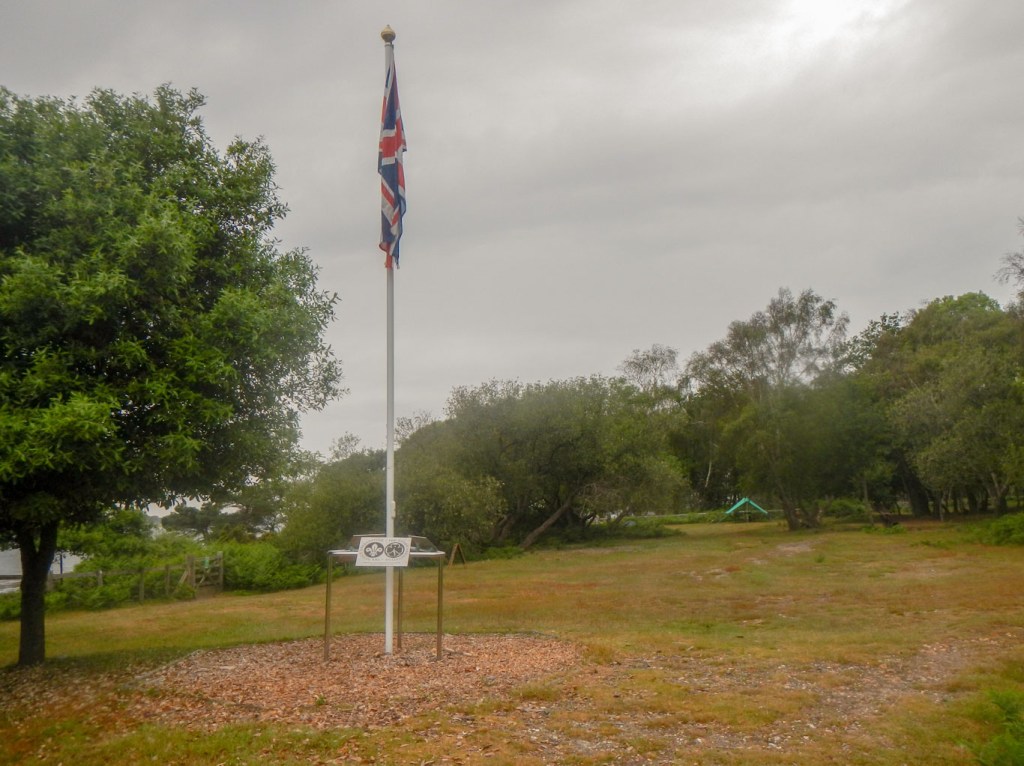
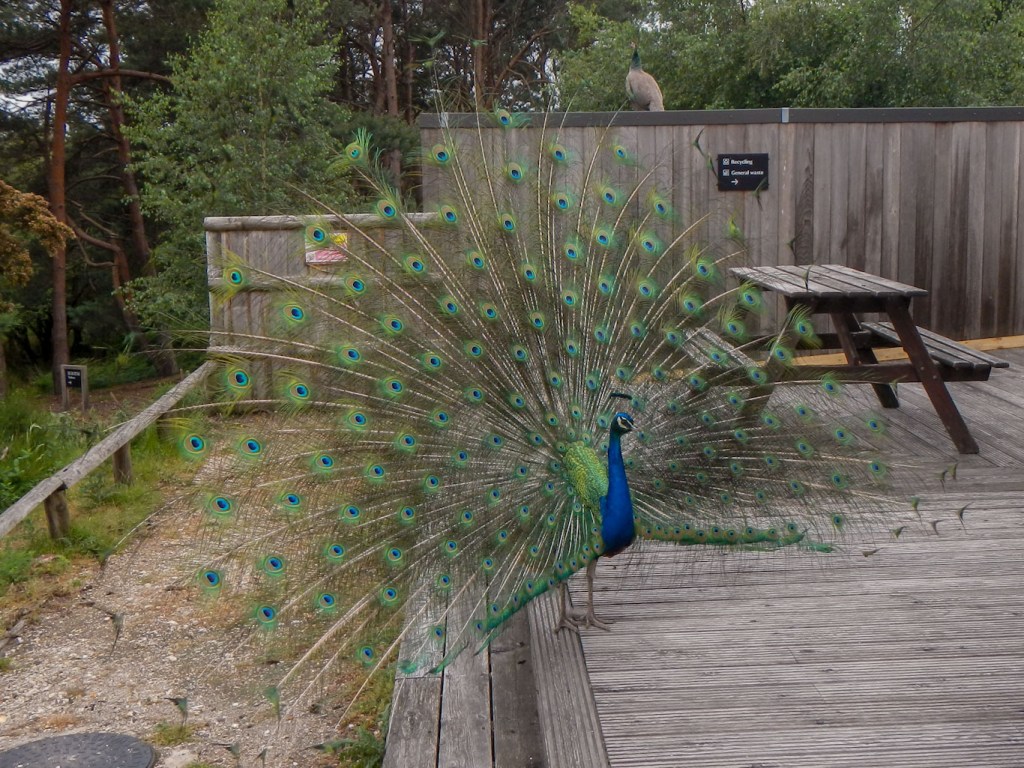
On arrival at the outdoor centre, I was immediately greeted by the campsite warden and shown all the facilities. Campers are not allowed to use their own stoves and the booking instructions said that cooking equipment is provided. I was given a huge plastic box of pots, pans and implements, a hob kettle, washing up bowl and large water carrier and the warden helped to carry everything down to the site as of course I had my full rucksack too. We passed the central flag commemorating the first Brownsea Camp and I discovered that I was privileged to be camping in the original Baden Powell field (normally reserved for Scout and Guide groups but they’re not back yet due to Covid). There was only one other tent occupied on the entire site! Hence I had my own cooking shelter under which was a two ring gas stove and a couple of trestle tables along with equipment to put out fires. I even appeared to have my own peacock!
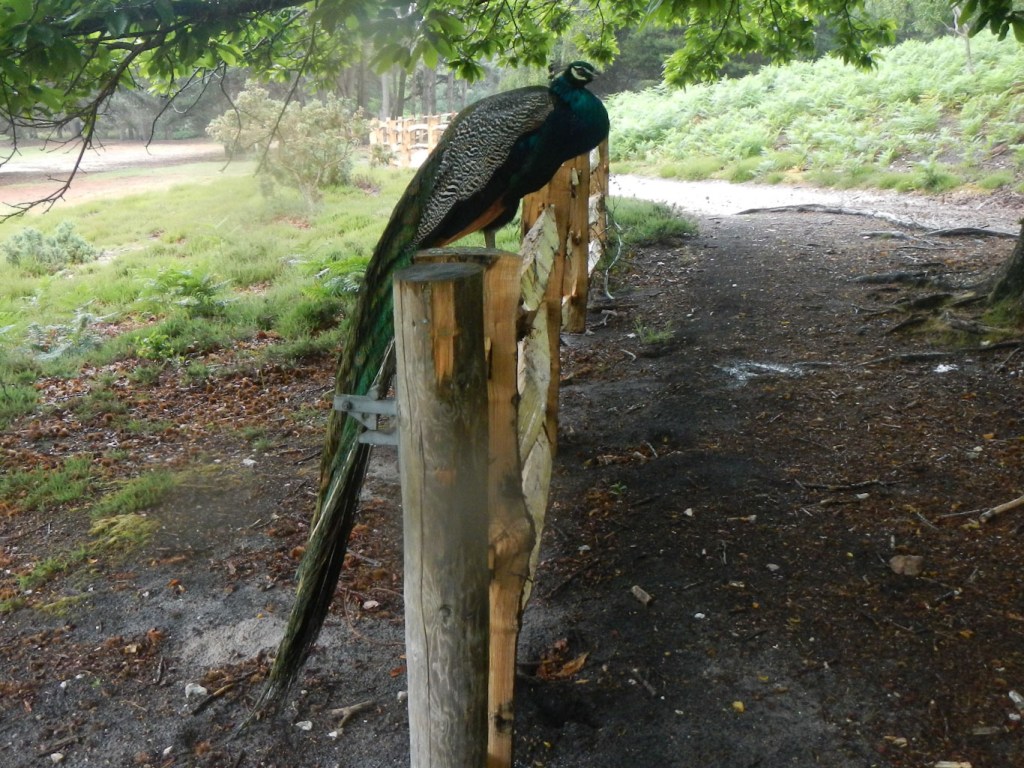
I could have hired a tent from the centre but had brought my own which I pitched with a sea view, intermittently shooing away the curious peacock.
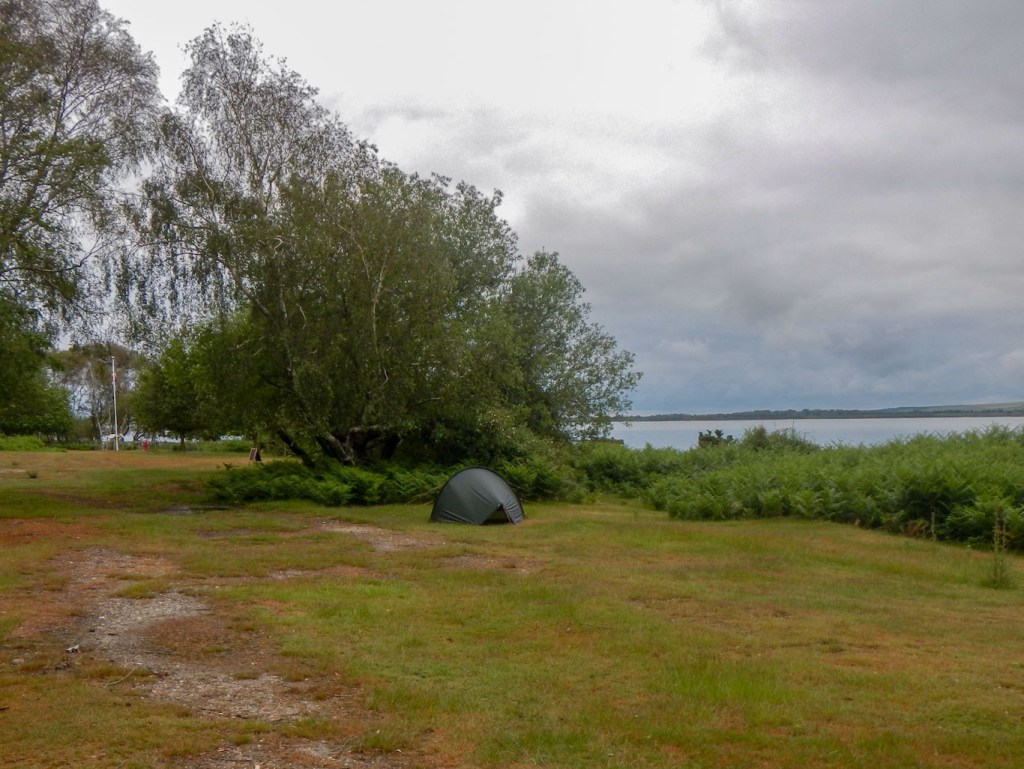
My tent in Baden Powell Field 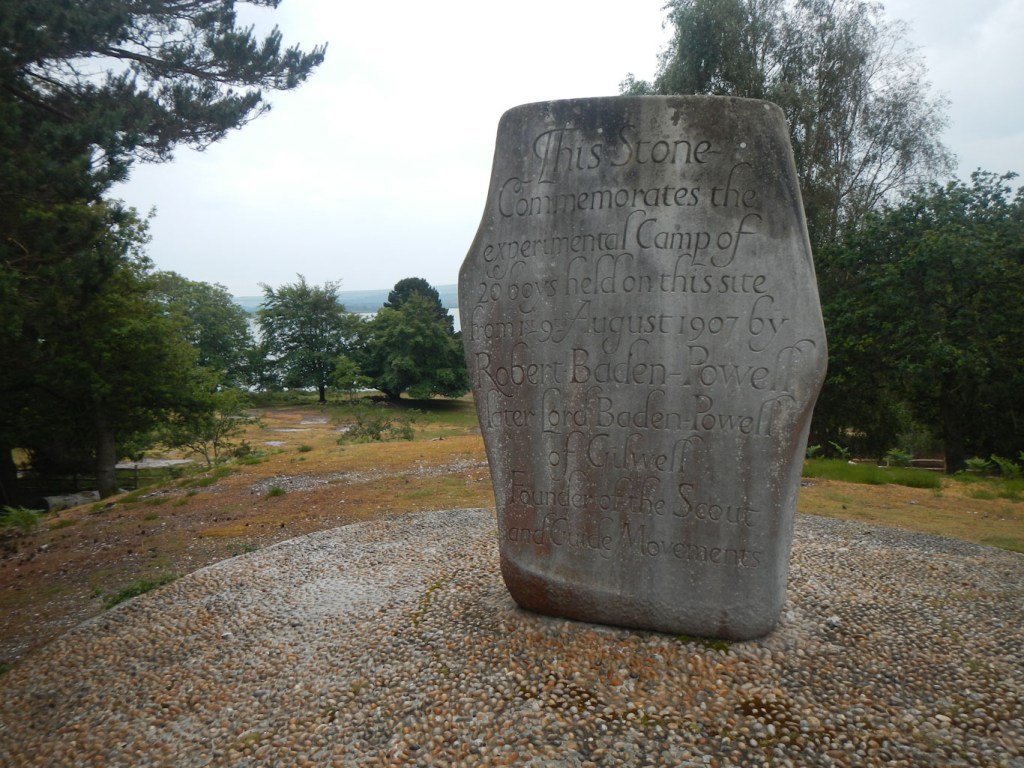
The Baden Powell stone 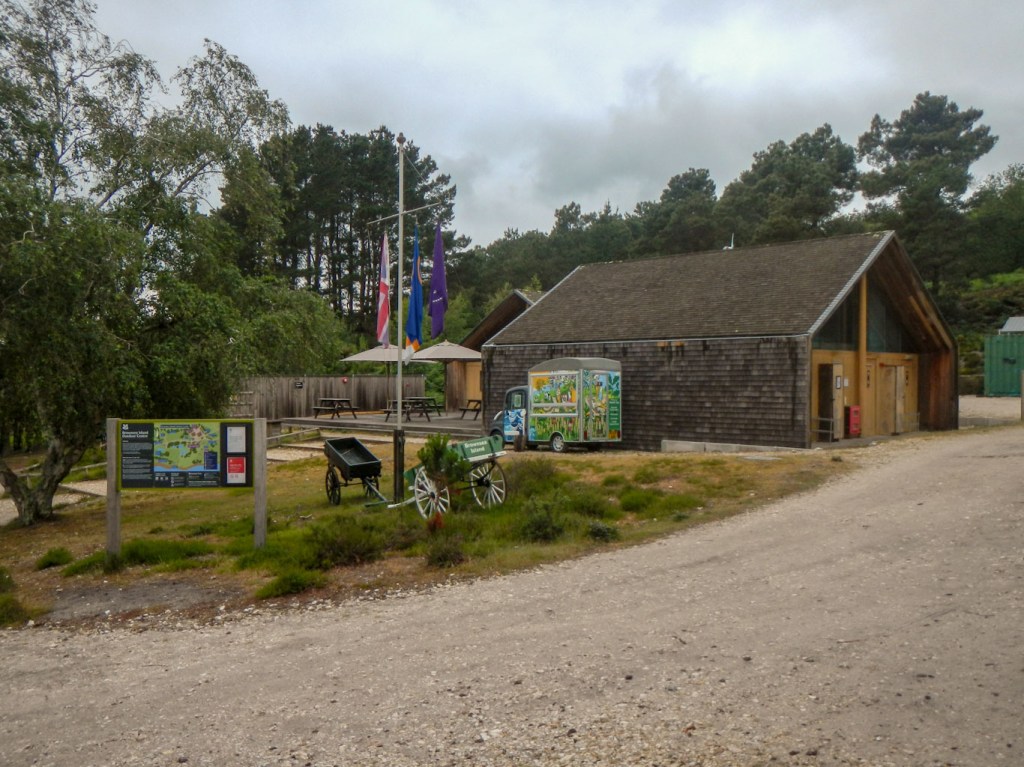
Campsite reception
It was still drizzling, but I was determined to explore the island whatever the weather. The day trippers currently have time slots and only spend three hours on the island. I had about forty-three hours and was keen to make the most of it. In particular the hours before 10am and after 5pm are particularly special as the day visitors have all left so the only people are the campers, up to ten visitors in two holiday cottages by the quay, the Brownsea Castle guests (John Lewis partners) and a few National Trust workers who live on the island. The South Shore Lodge can also take up to 24 guests in bunkbed accommodation but it’s currently closed because of Covid. The campsite would normally be more busy, but it’s only just reopened after Covid closure and not been widely advertised yet; just a few people like me who kept going back to the website to check if it was possible to book.
Suffice to say, I had a great time. Often it felt as though I was the only person wandering round. I was the sole occupant of the campsite on my second night – I now have the dubious distinction of having been the only tent on the campsite on three different islands – Fetlar (not the only camper as I was sharing the tent with my husband and daughter), Lundy and now Brownsea.
The highlights of my adventure:
Camping on the original field of the August 1907 Scout camp.
Sightings of the Sika deer.
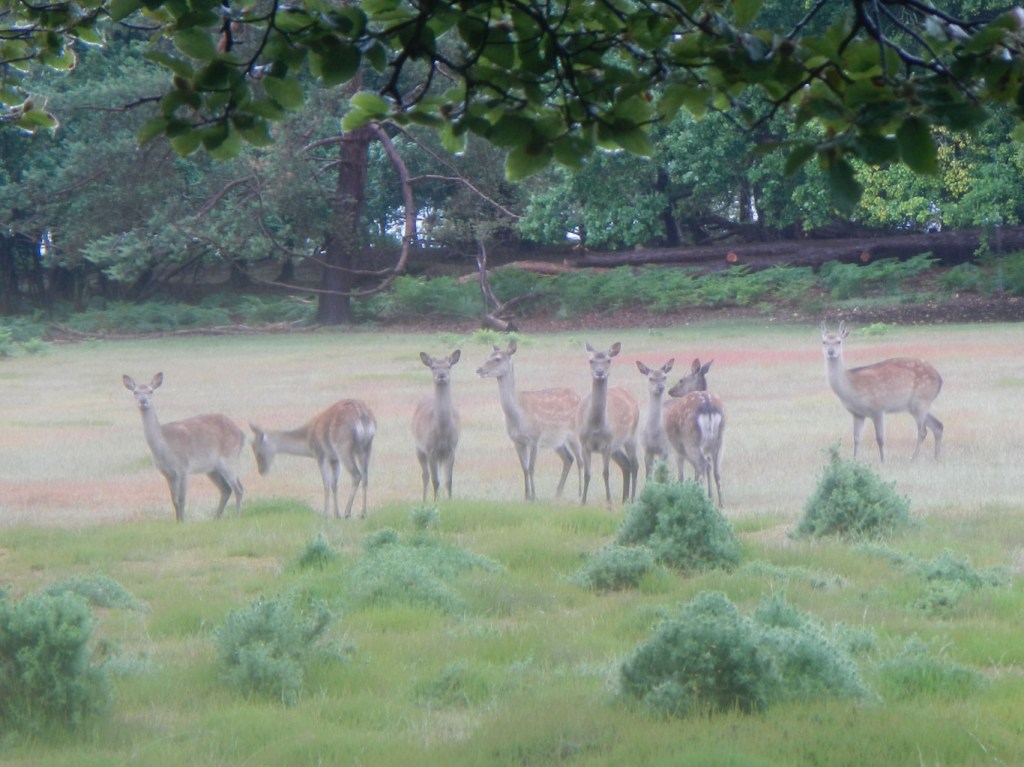
Many sightings of red squirrels including on the campsite as well as two “playing” on the board walk, but mainly on Scots Pine in the woods.

My first sighting of a squirrel 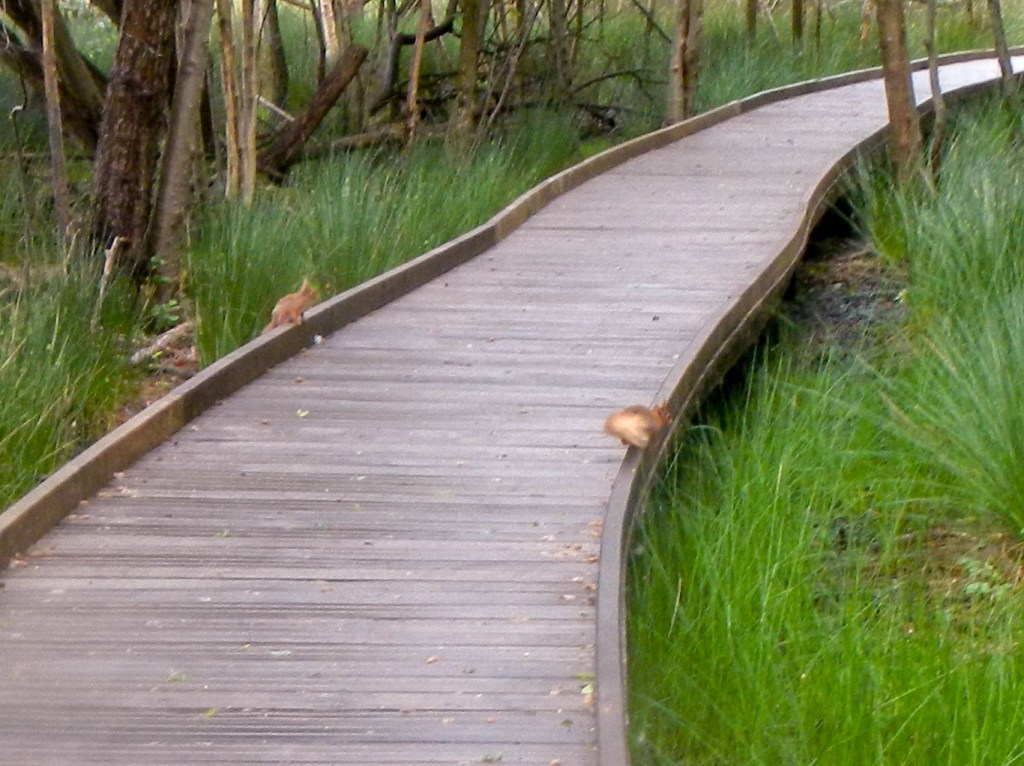
Squirrels on board walk 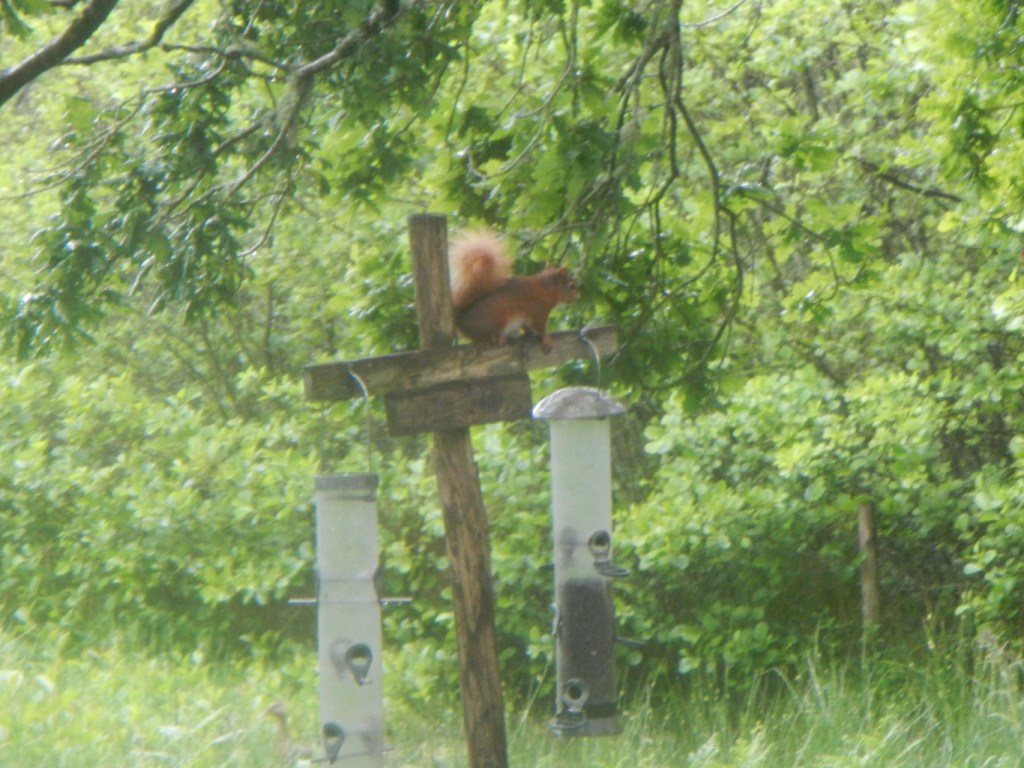
Squirrel on bird feeder 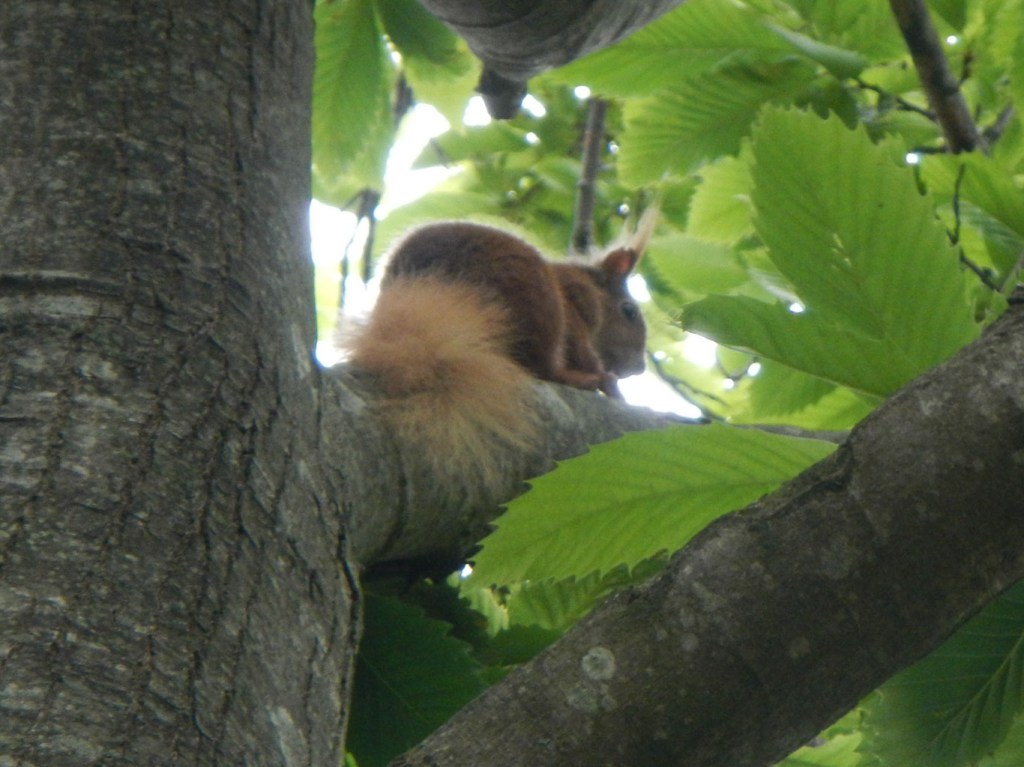
Squirrel at campsite
Seeing a movement at the side of the path and realising it was a water vole.
Walking along the beach and seeing common terns, egrets, cormorants, pairs of oystercatchers and even an oystercatcher chick.
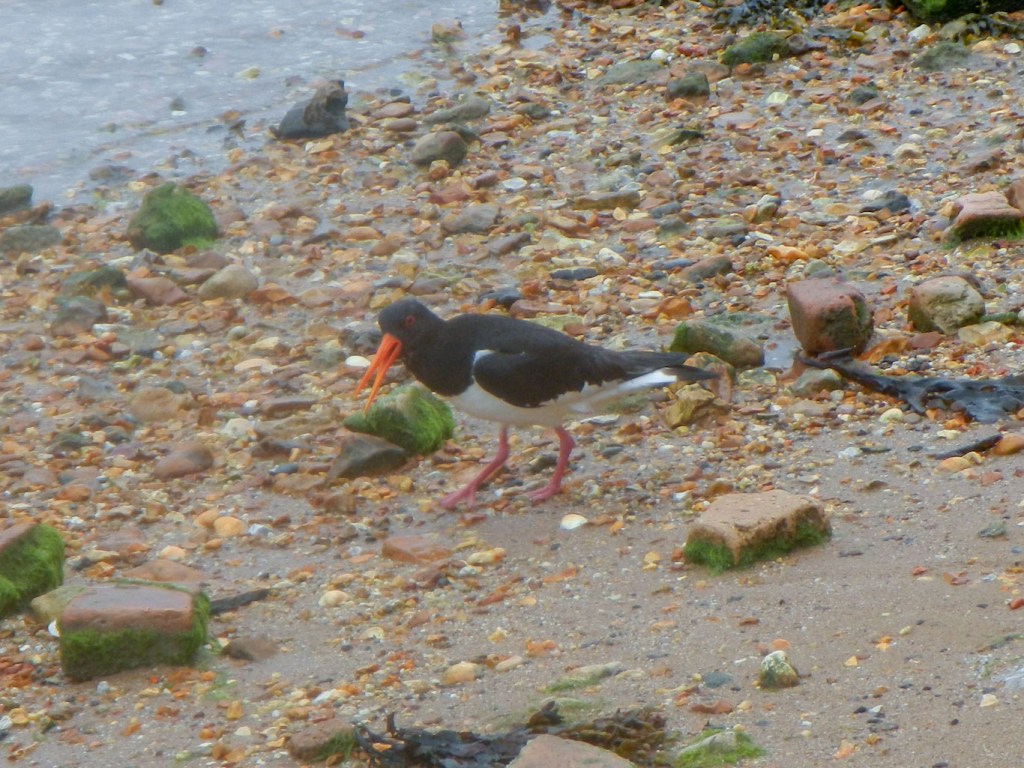
Noisy oystercatcher on the beach protecting its young 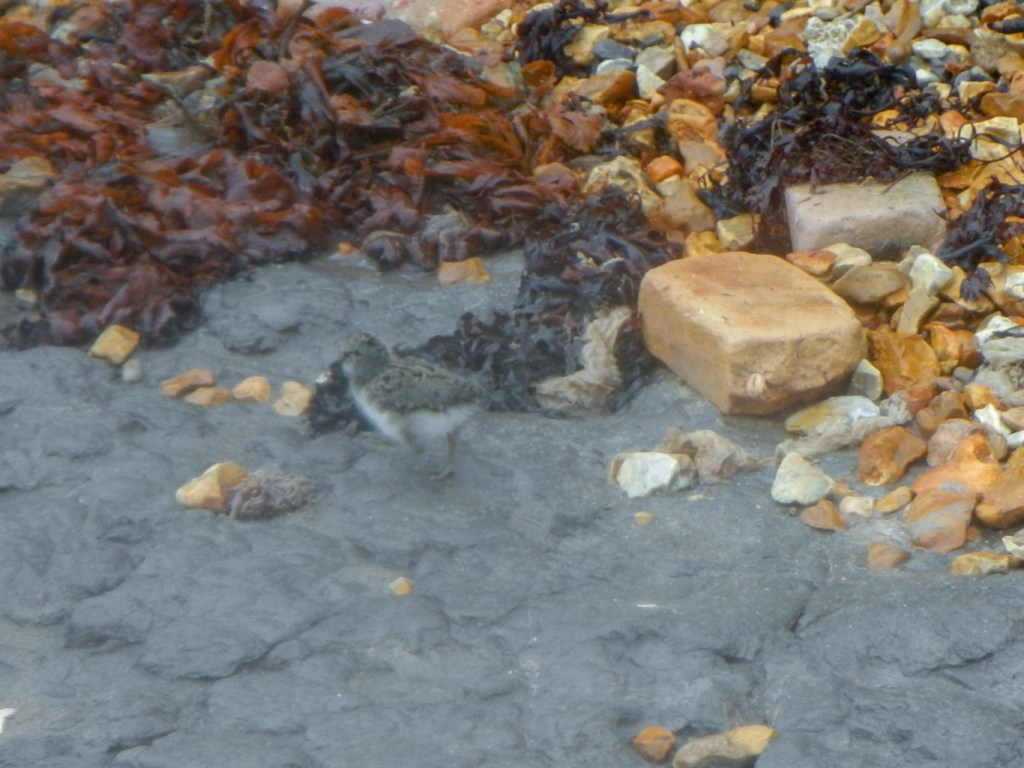
Well camouflaged chick 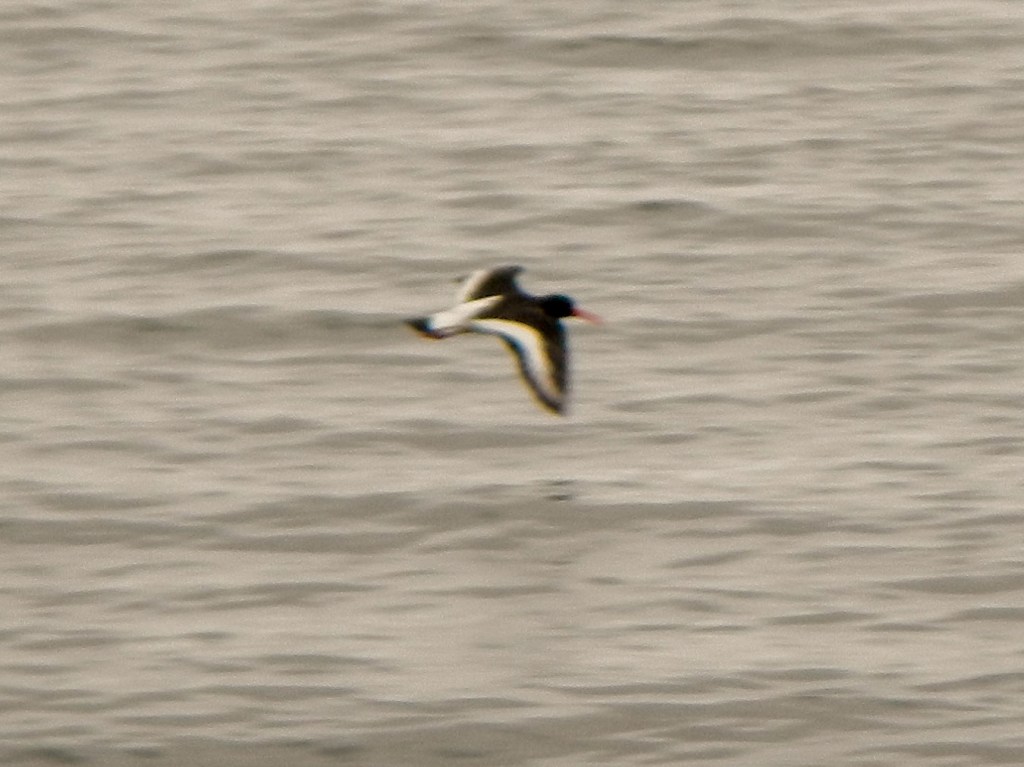
Flying oystercatcher 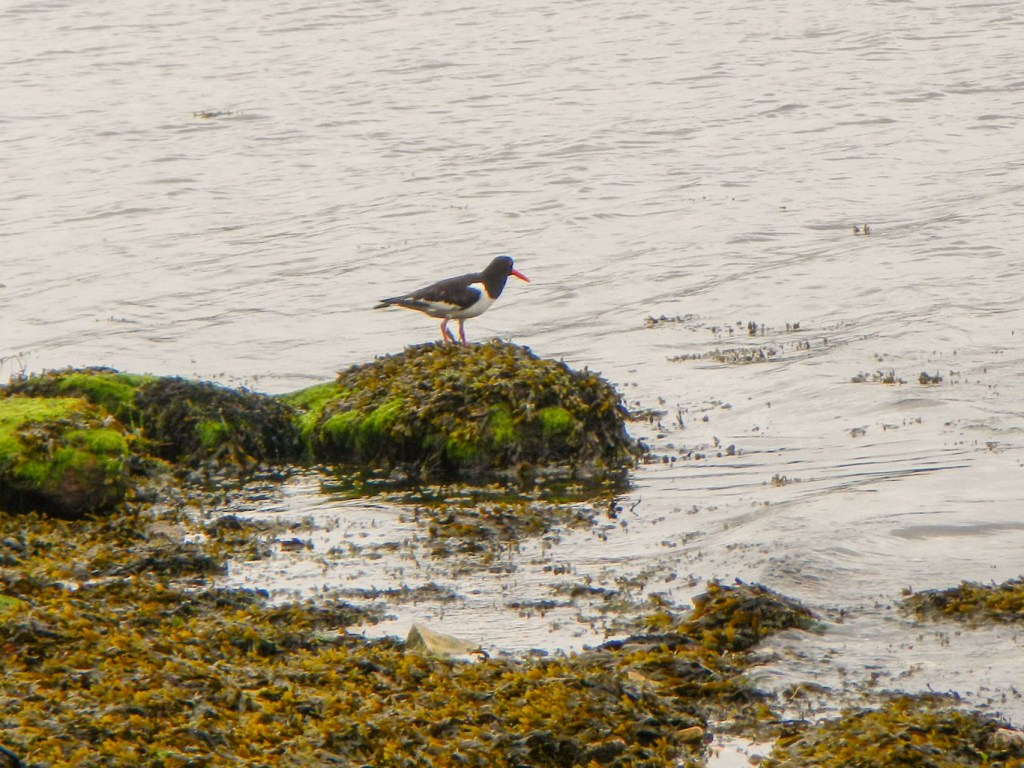
Looking for food?
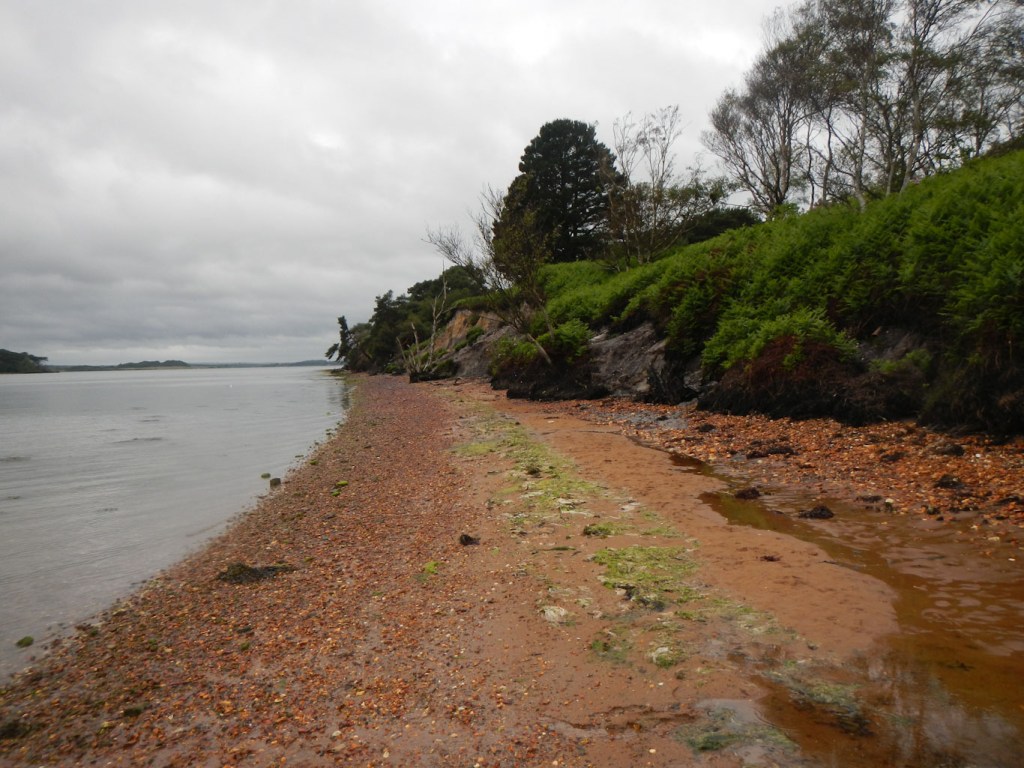
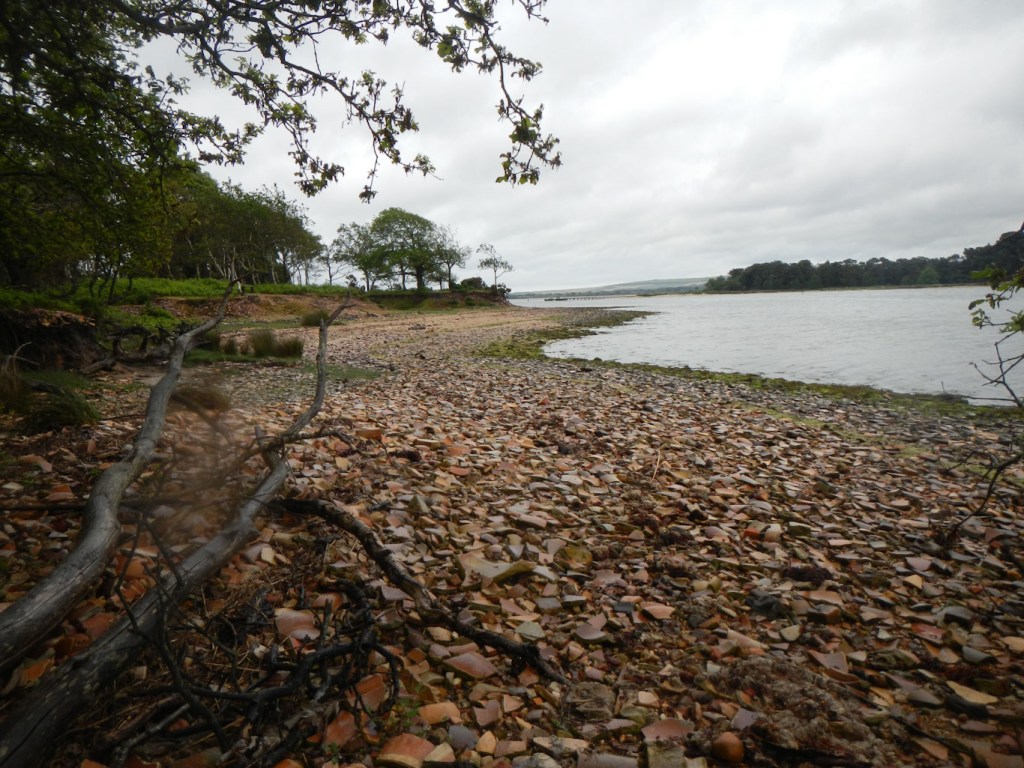
Finding the Pottery Pier and the old village of Maryland. I found out that William Waugh, who bought the island in 1852 had hoped that the clay deposits would be suitable to manufacture high quality porcelain, but in fact it was only of use for sanitary ware. There are still lots of pottery pipe fragments on the beach in this area.
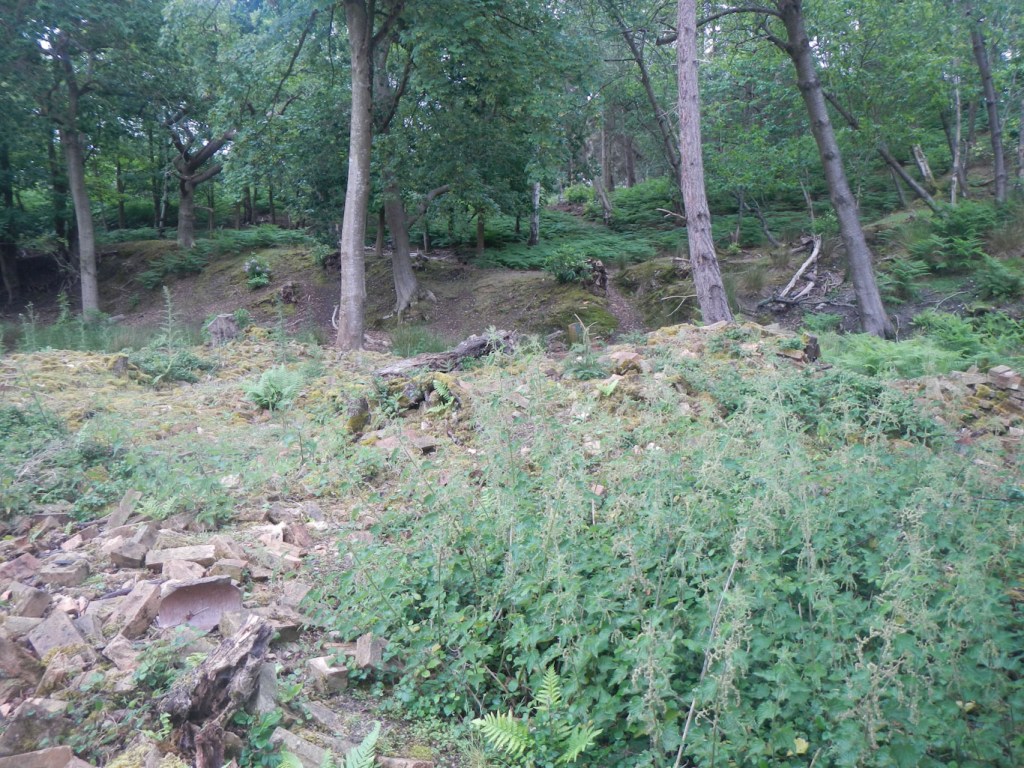
Swinging on the tree swing and sitting on the reclined seat looking at the tree canopy on the “calming” woodland walk.

All the different habitats in close proximity – heathland, deciduous wood, Scot’s pine, the arboretum, foreshore, cliffs, the brackish lagoon, freshwater lakes, grassland.
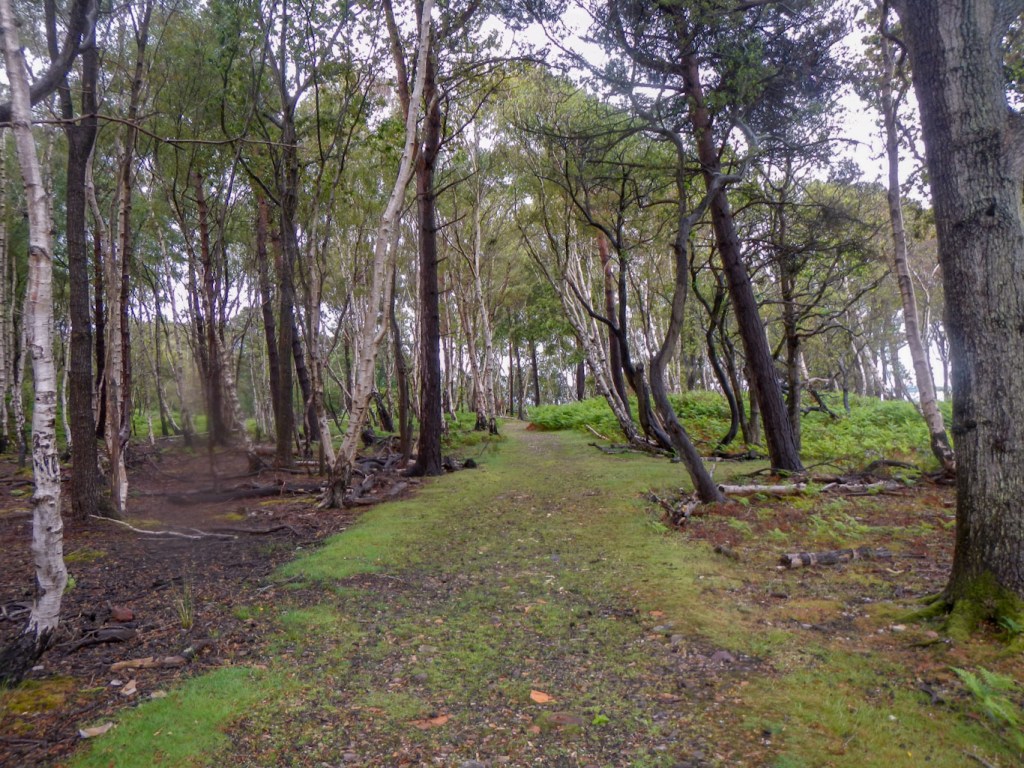
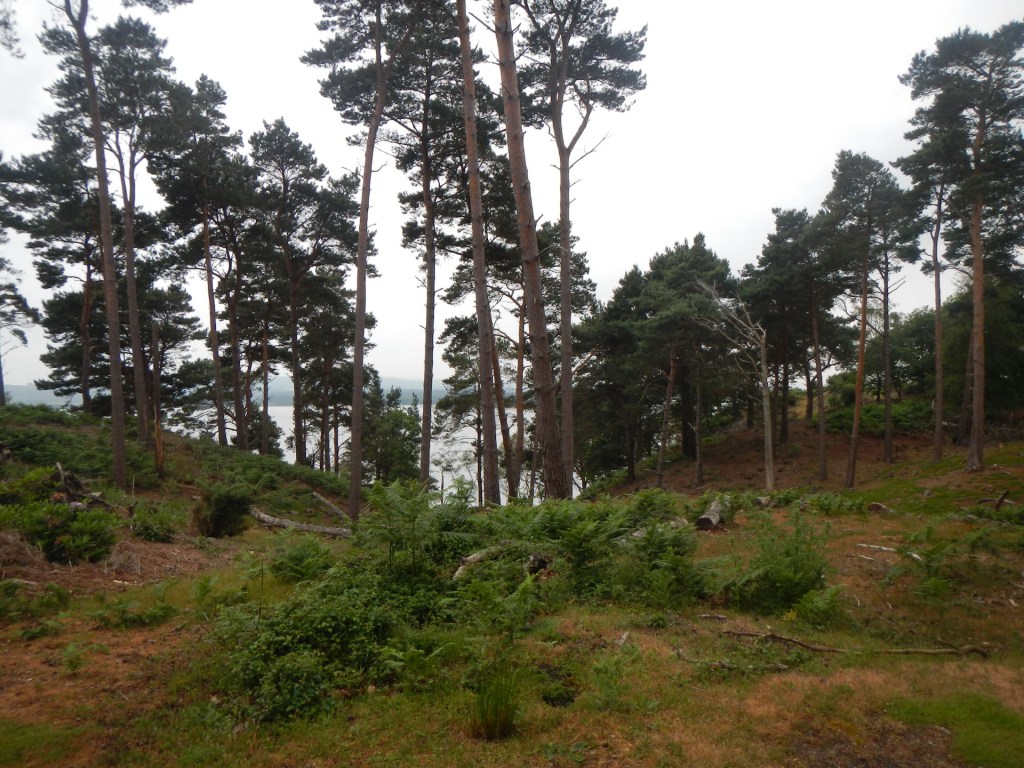
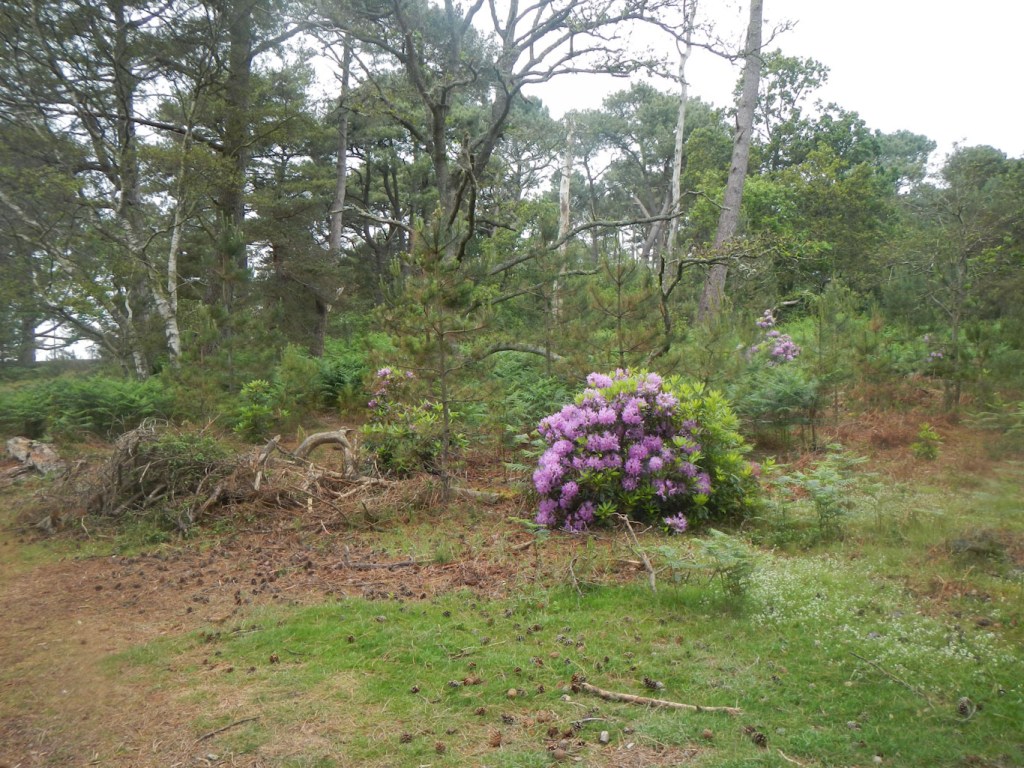
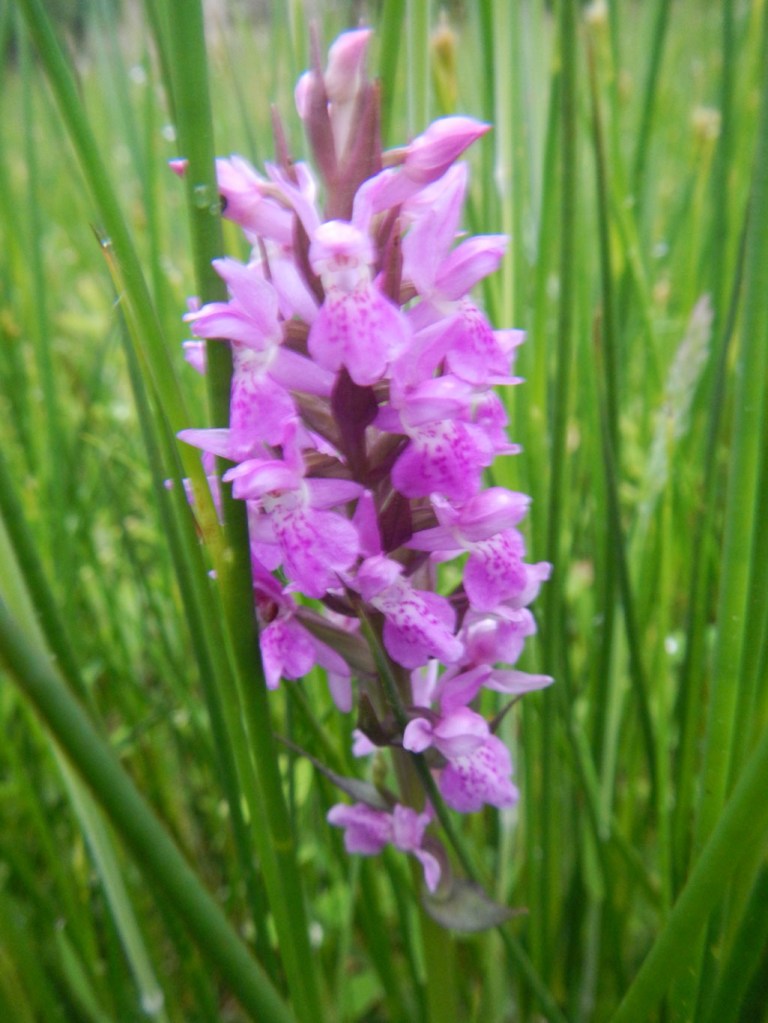
Spotting the heart sculpture near the lily pond.
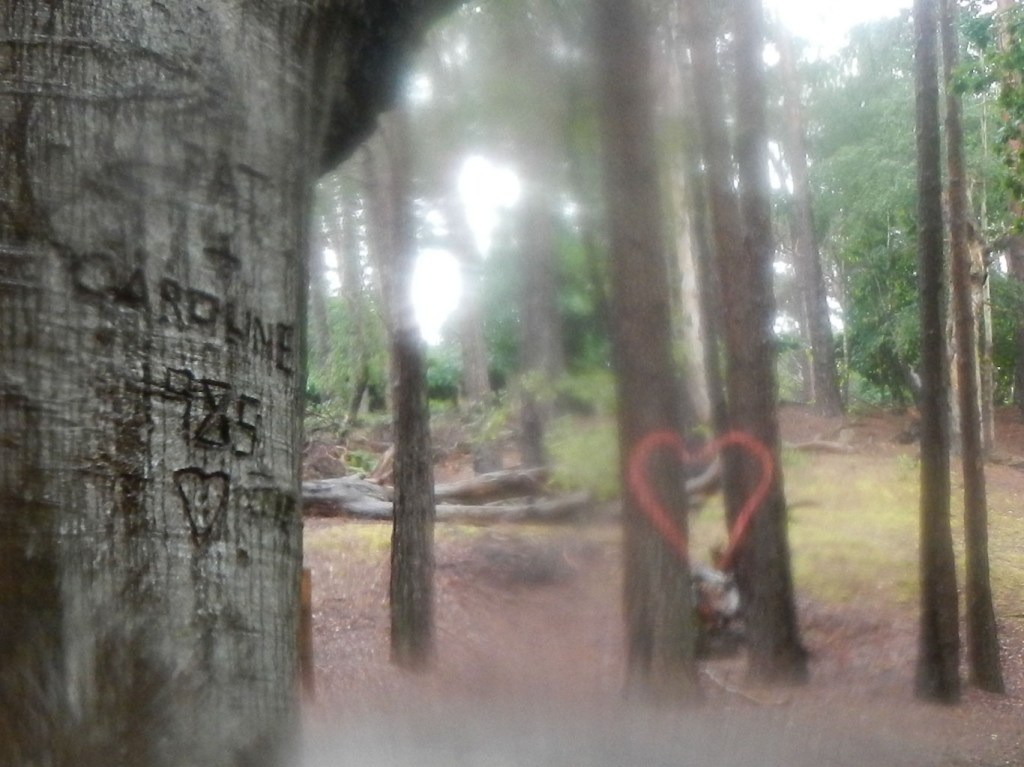
Spotting signs of the past – the old vinery, the whispering seat, ridges on the daffodil field.
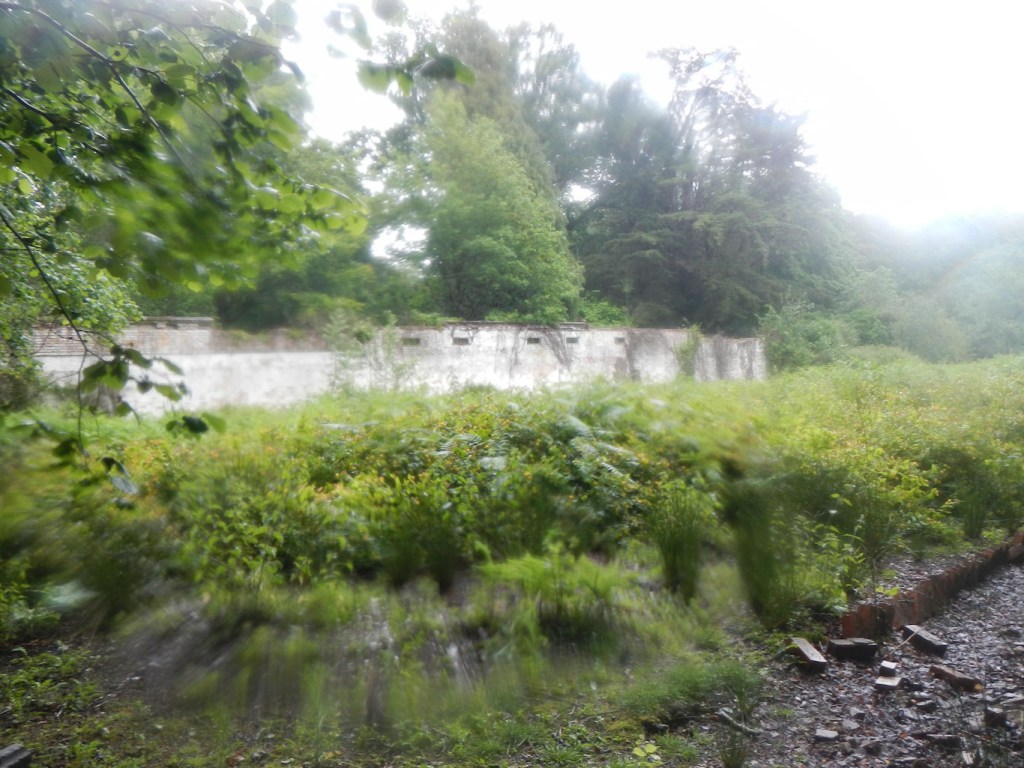
The old vinery and kitchen garden 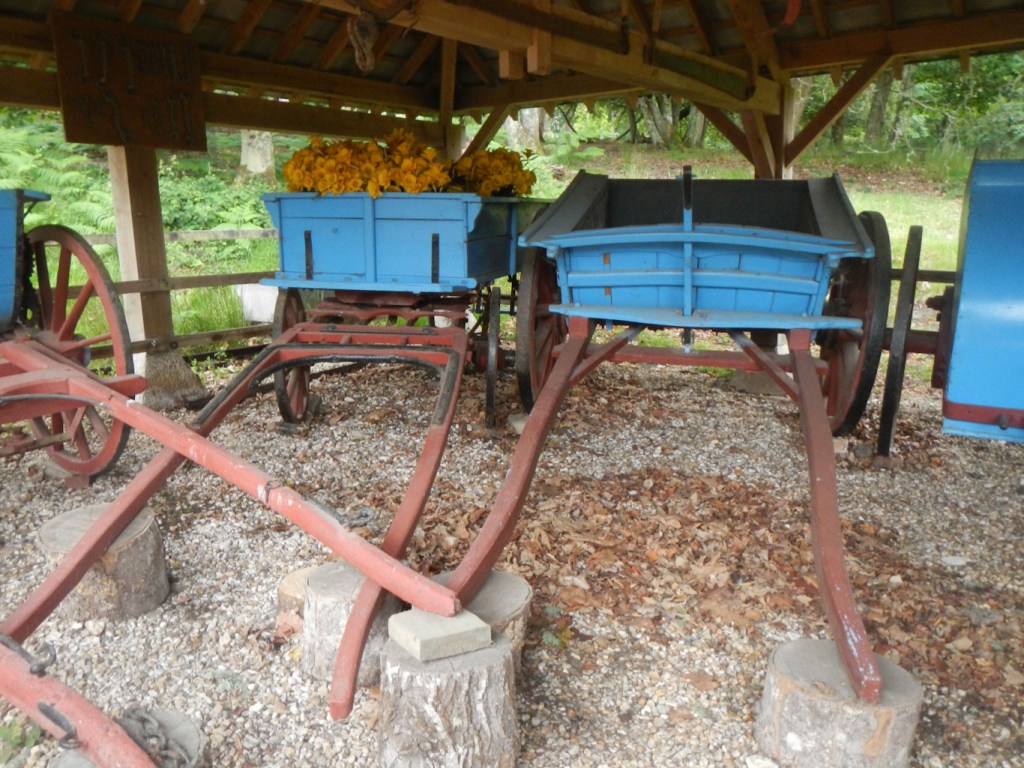
Restored farm carts and barrows
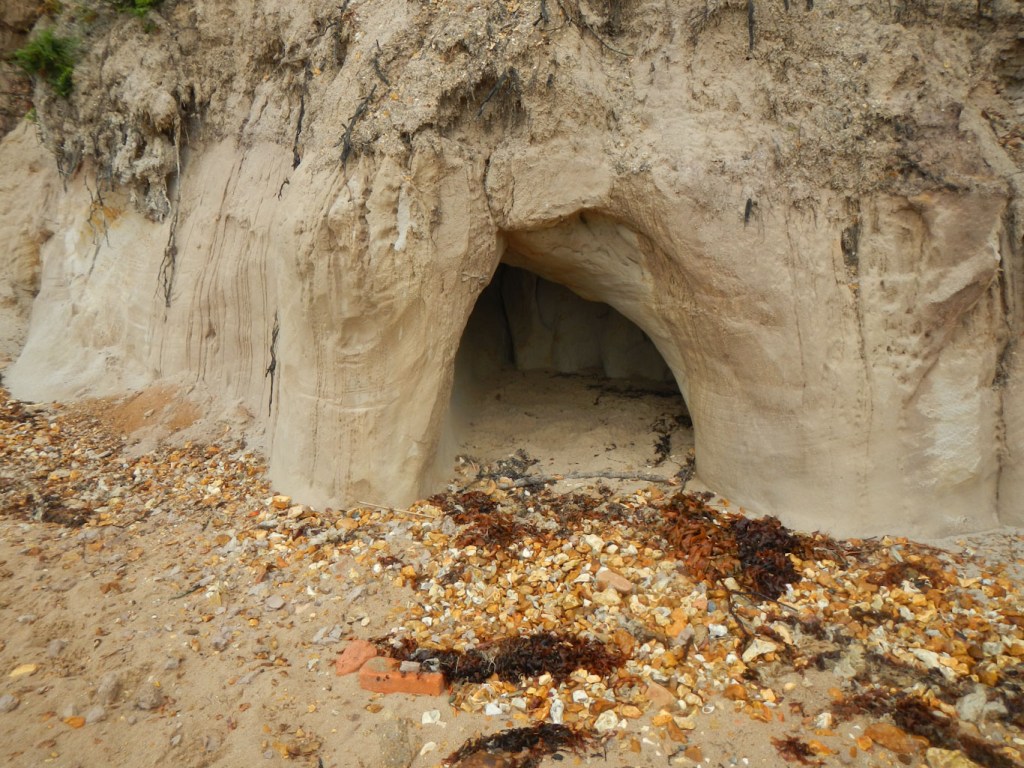
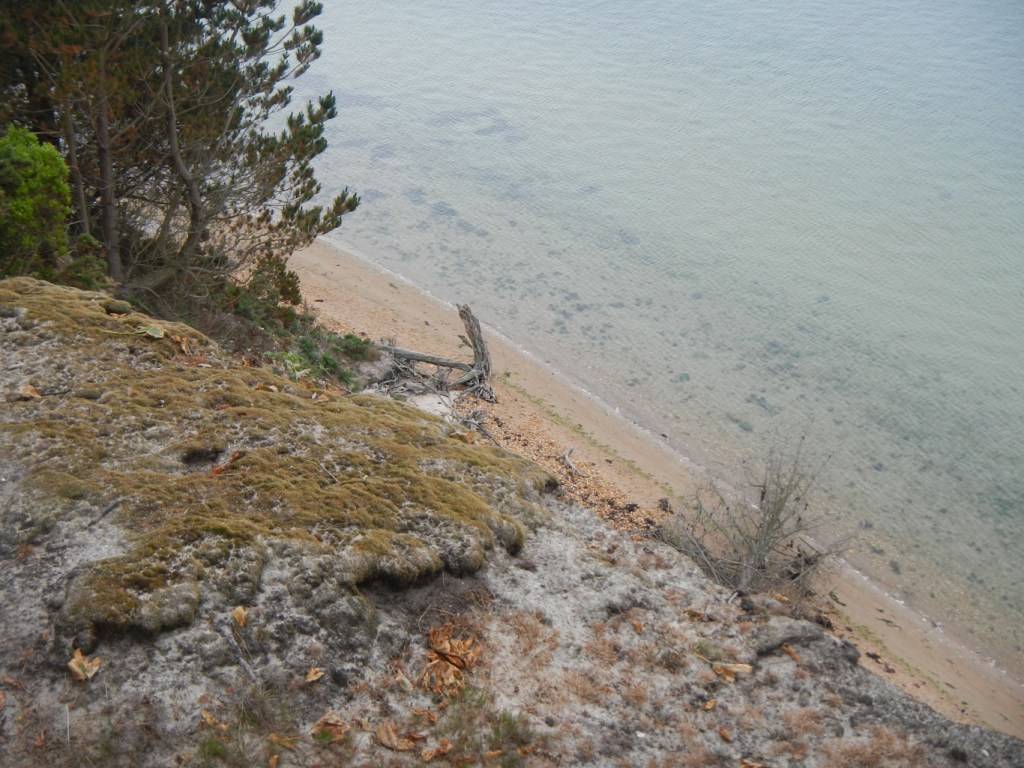
Looking at the eroding cliffs and the views from the top.

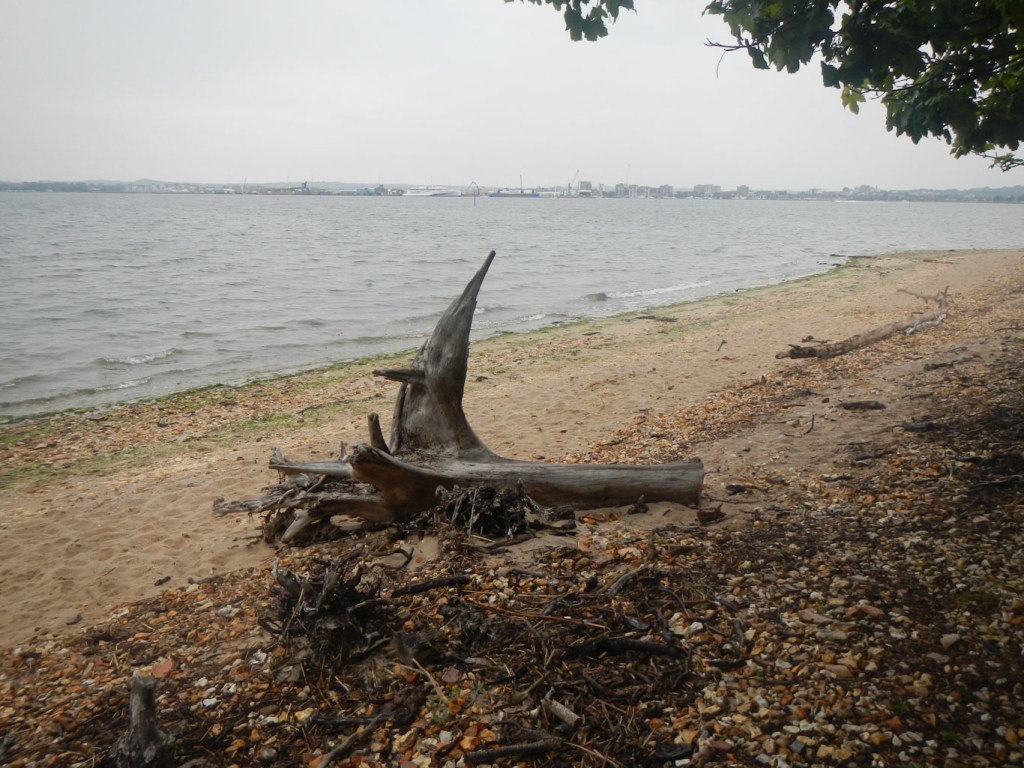
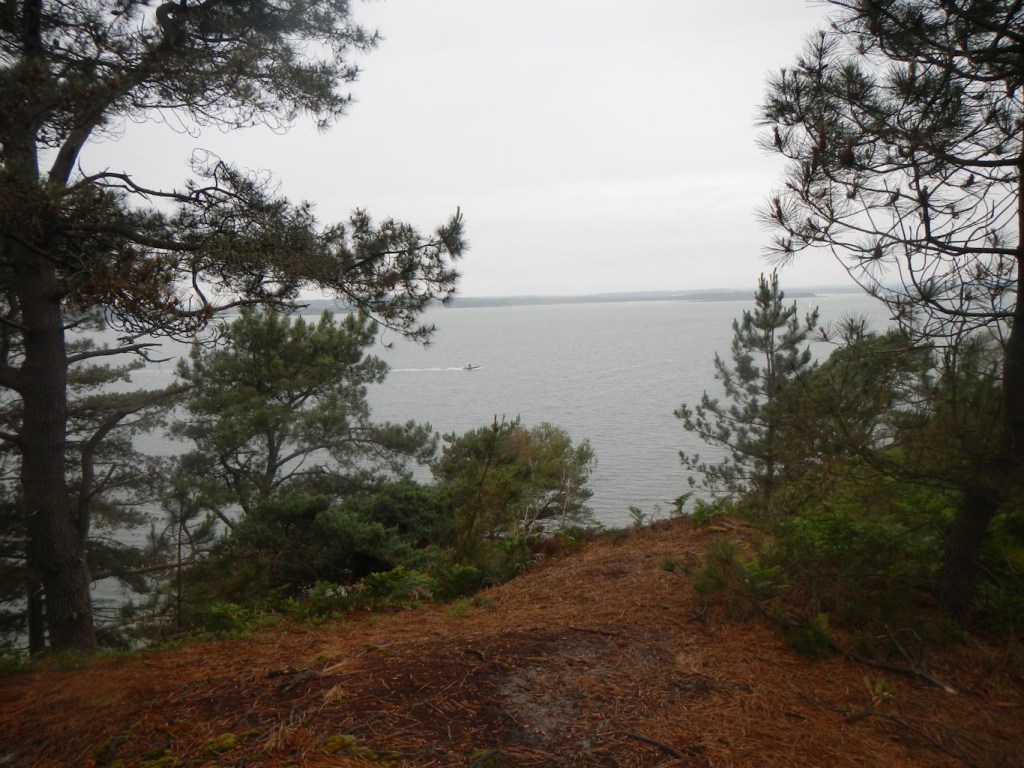
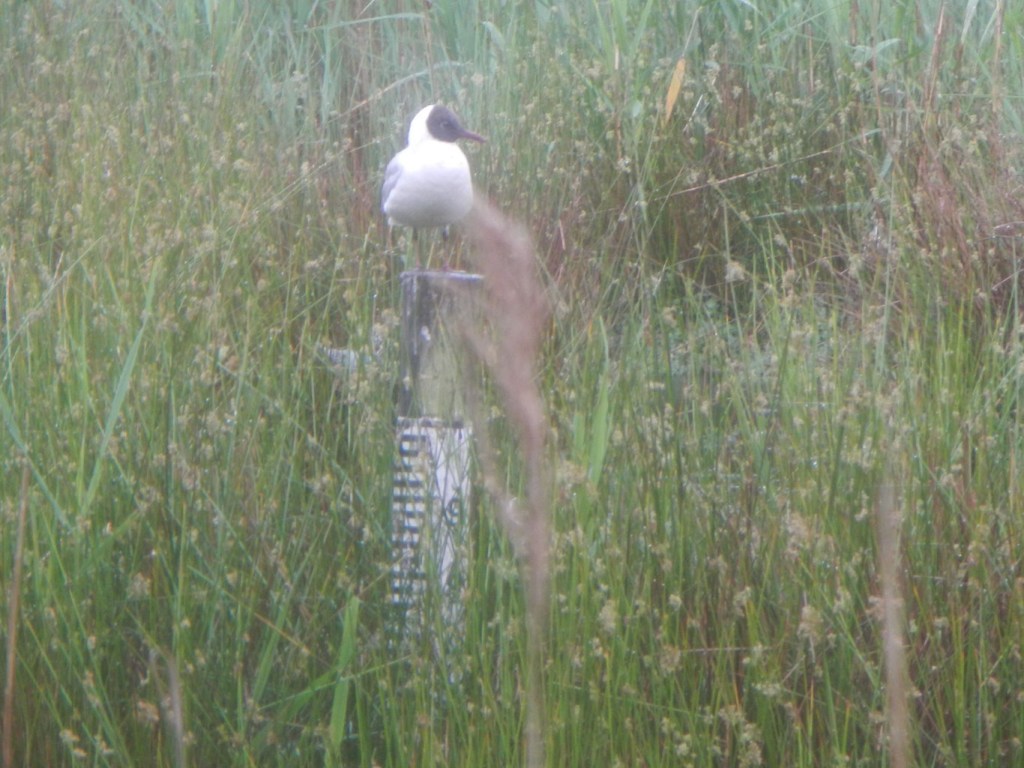
Hearing and seeing the nesting black headed gulls on the reed beds. There were also common terns – smaller than the gulls and with forked tails.
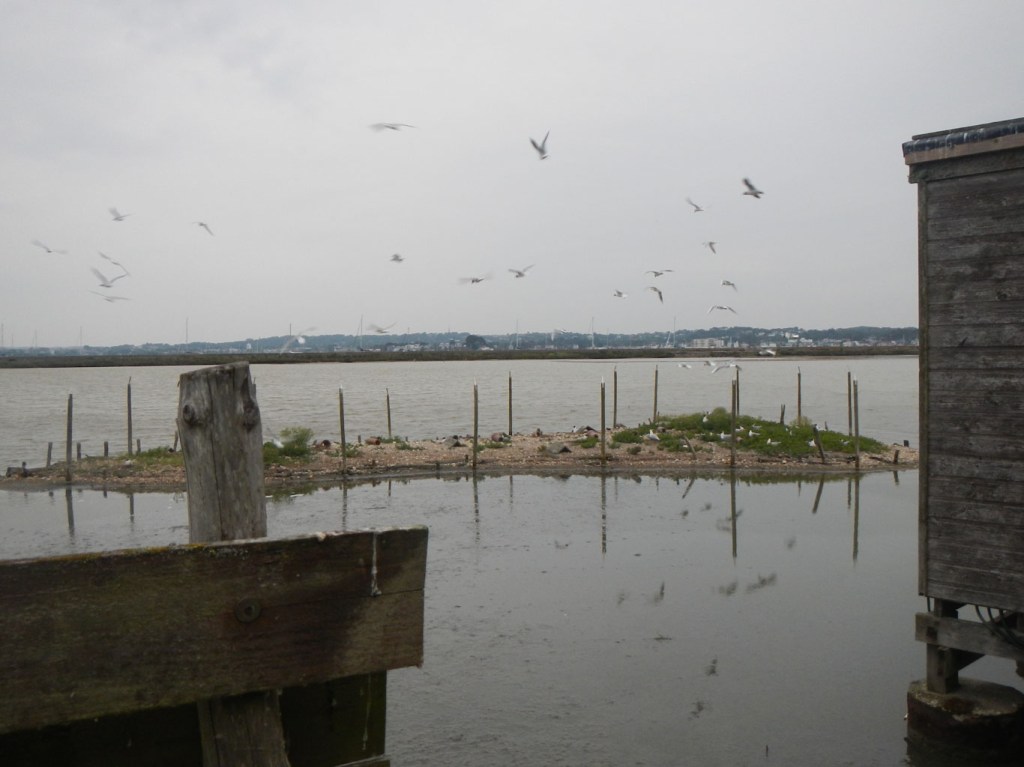
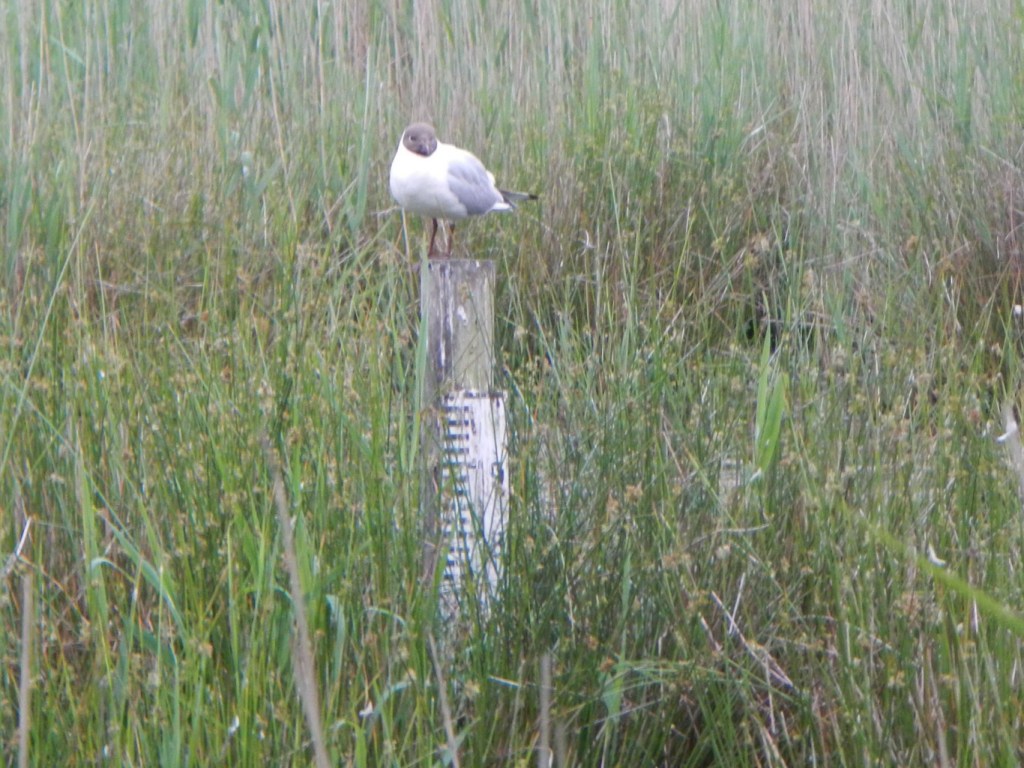
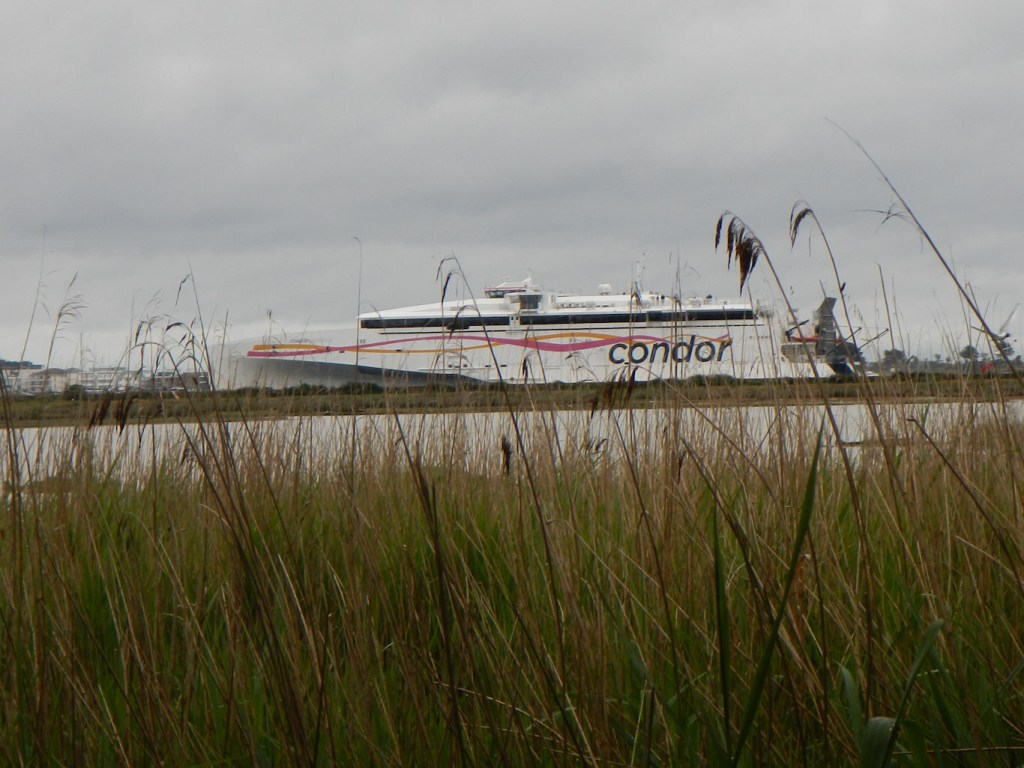
“Alone” on the island yet being so close to the mainland that at times I could hear traffic noise and sirens, reminding me what a privilege it was to be in this “oasis of calm”
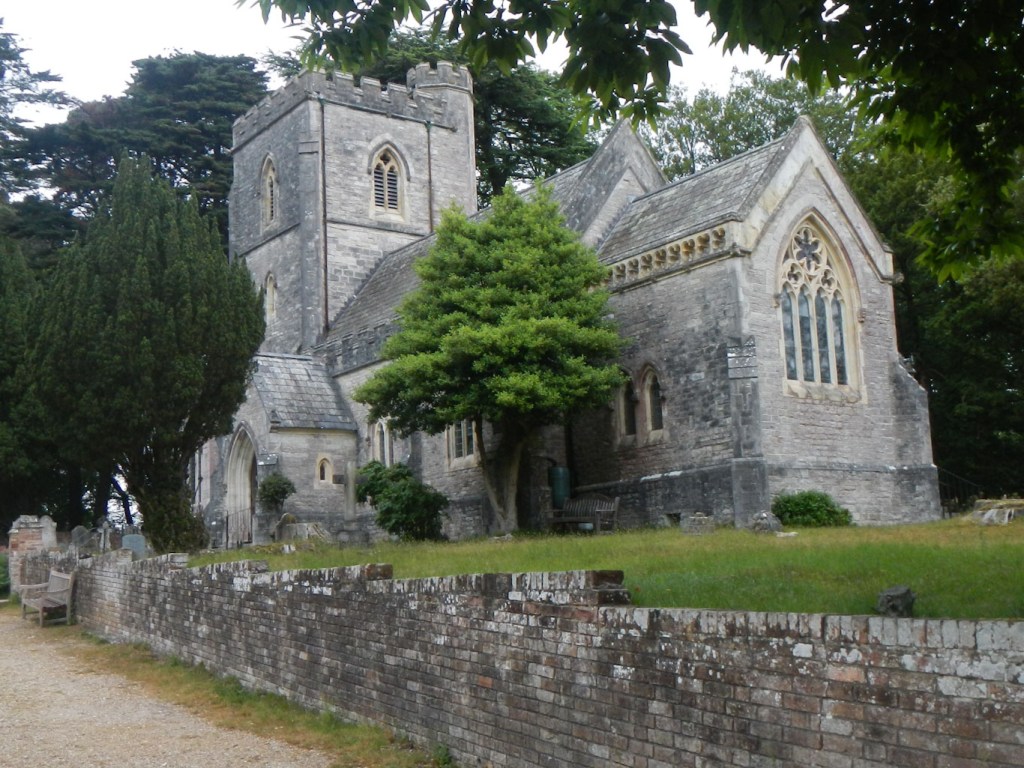
Discovering how to get into the church and finding the tomb of Charles Van Raalte, the island’s owner from 1901 to 1907 and the person who allowed the first Scout camp on his land. The tomb did feel a bit spooky!
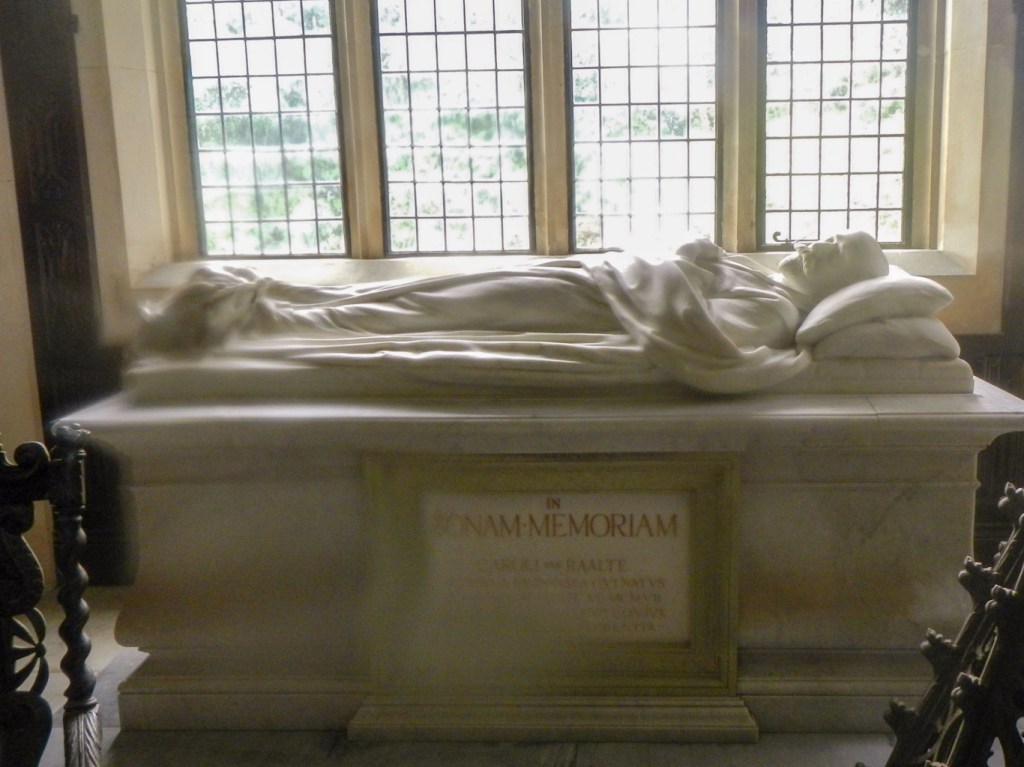
Understanding some of the history of the island. It was an active farming community until 1927 when it was purchased at auction by Mary Bonham-Christie for £125,000. She ordered a mass eviction of the island’s residents to the mainland and “conserved” it by leaving everything to “nature”. Most of the island was abandoned and gradually reverted to natural heath and woodland. Sadly the farm cattle became “walking skeletons” and eventually had to be put down by the vet. After her death in 1961, it was turned over to the Treasury in lieu of death duties. A local conservationist, Helen Brotherton, campaigned as she was concerned that it would be sold to commercial developers. It was eventually purchased by the National Trust who, with their partners, have managed a programme of active conservation as well as promoting it as a destination for visitors including Scouts and Guides.
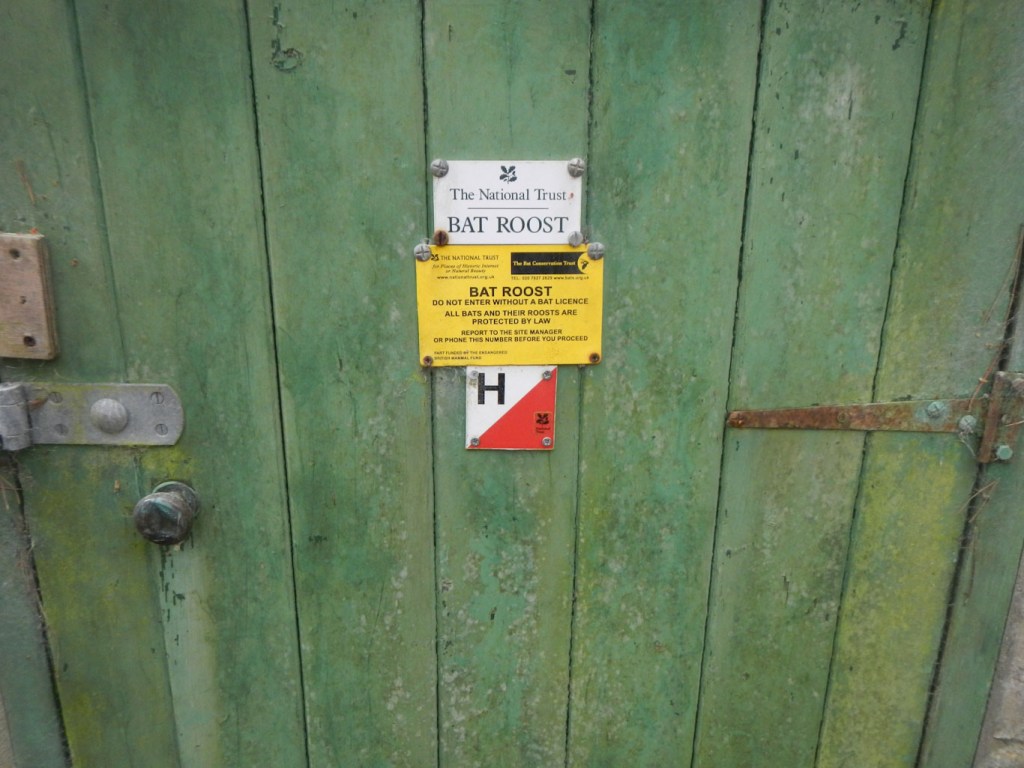
Attempting a night bat hunt – sadly no bats found, but there were impressive night views of the mainland, frequent hooting of owls and it was an adventure finding my way back to the campsite in the dark.
Even in the midst of all this exploring, some time to sit and read a novel in the middle of the day.
I was sorry to leave and hope to return sometime. As the boat passed the north west coast on my return voyage to Poole, I realised there was one part of the island I hadn’t visited but is open to the public – the foreshore between the Pottery Pier and the north west view point. I would also like to visit once the bird hides open – I did walk up to them all but they are currently closed due to the pandemic. I also hope that the Dorset Wildlife Trust might be able work out how to open up some of the areas safely without adverse disturbance to the wildlife that are closed to visitors now in order to protect sensitive environments. Perhaps I will even be tempted to hire one of the tree tents or hammocks to sleep in…… This is indeed a special place and a very special adventure!

 Where's Kathryn?
Very clever blogging- I have not seen before.
LikeLike
Thanks for the comment Pip – sorry I have taken so long to approve but have been away on more adventures – which will appear soon once all the washing and gardening is done!
LikeLike