30 July 2025
I must admit that I hadn’t considered Aberdeenshire as a county likely to be blessed with an impressive coastline although, apart from a night when I stayed in the city while exploring Britain on a week’s All Line Rail Rover Ticket, I had only visited Aberdeen previously to catch the overnight ferry to Shetland.

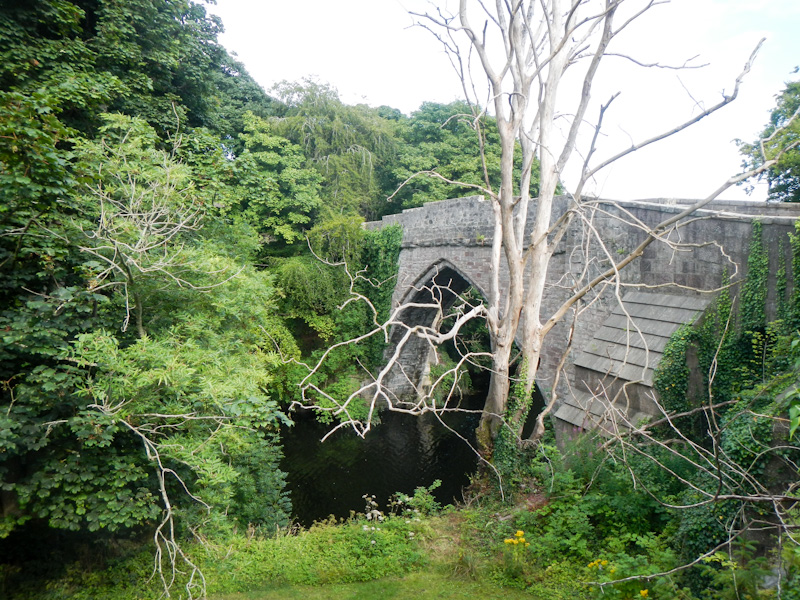
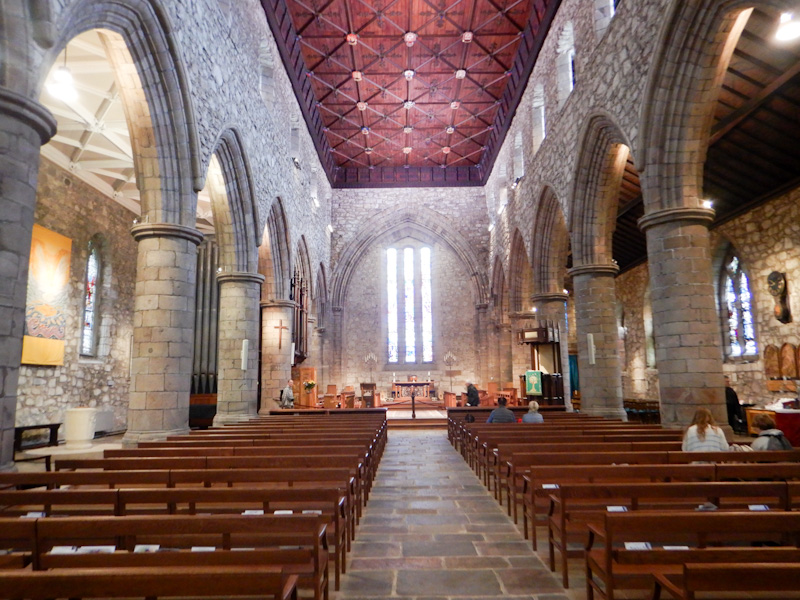
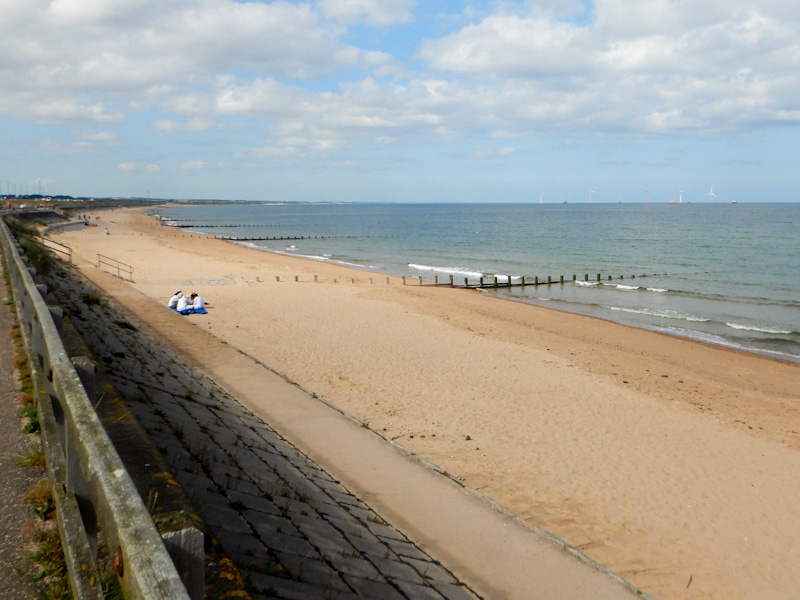
This time my visit with my husband was primarily because it was a convenient place from which to explore the coast to the north. We actually stayed in a small hotel on the north side of the city near Old Aberdeen and the ancient Brig o’ Balgownie over the River Don. Fortunately we had factored in time to visit Aberdeen itself. The city is on Map 38 so doesn’t really belong to this post. However, the city certainly deserves a mention – we explored the quaint cobbled streets of Old Aberdeen including the fourteenth century St Machar’s Cathedral before walking down to the modern city centre to visit the impressive Aberdeen Art Gallery (free admission to eighteen gallery rooms each with a different story and displaying a range of works by local, national and international artists, designers and makers) and then walking north to return along the esplanade and beach to where we were staying.
On the following day, I could have used the hourly bus service to reach the start point for my walk and to return back to Aberdeen at the end of my expedition. However my husband was keen to join me for a short section of walking from Cruden Bay and then explore some of the coast himself before meeting me at my destination further north at Boddam. Hence we travelled by car.
We parked at the village car park in Cruden Bay, immediately noticing multiple Norwegian flags around a commemorative garden. It was coincidentally the 111th anniversary of the first person to cross the North Sea in a plane. The crossing was made by the Norwegian aviator Tryggve Gran on 30 July 1914 flying a Blériot XI-2 monoplane from Cruden Bay to a field sixty miles south of Stavanger.
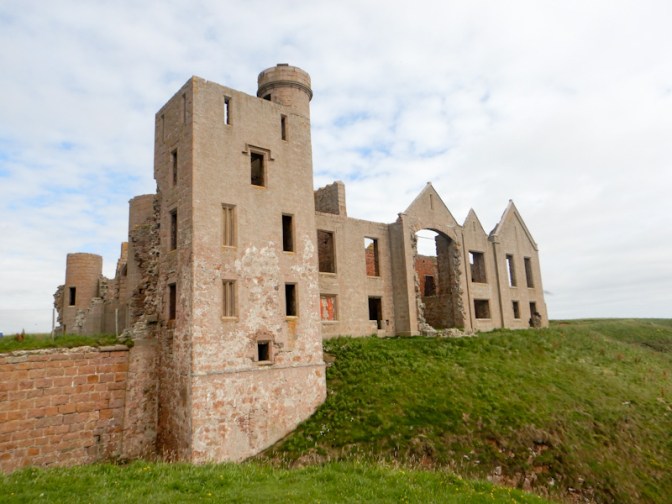
We followed a muddy footpath next to a stream before reaching open cliff tops and soon had views of a huge ruined castle. Slains Castle was originally built in 1597 by the Earl of Erroll and served as a stately home rather than as a defensive castle. During the nineteenth century it became a place where celebrities were entertained, including Bram Stoker and it is believed to be the author’s inspiration for Dracula’s Castle. The castle was sold in 1919 but the buyer gave it up in 1925 just salvaging lead from the roof. The castle has been left to rack and ruin ever since, although in 2016 it stood in for the Castle of Mey in scenes when the Queen Mother goes to Scotland.
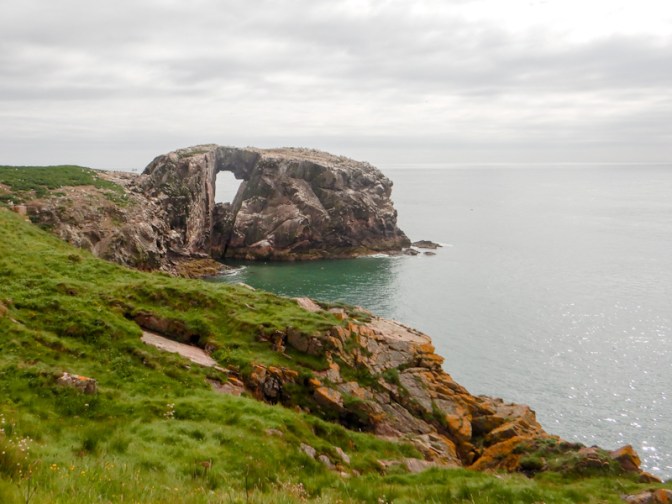
My husband turned off to return to Cruden Bay, but I continued past increasingly impressive coastal scenery – geos, stacks, arches, collapsed sea caves.
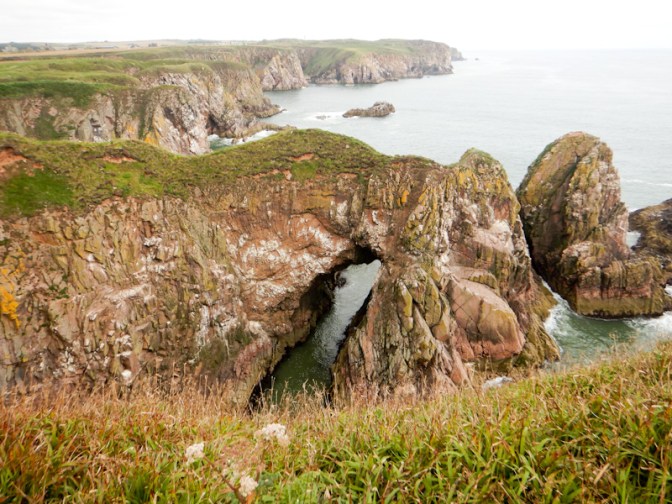
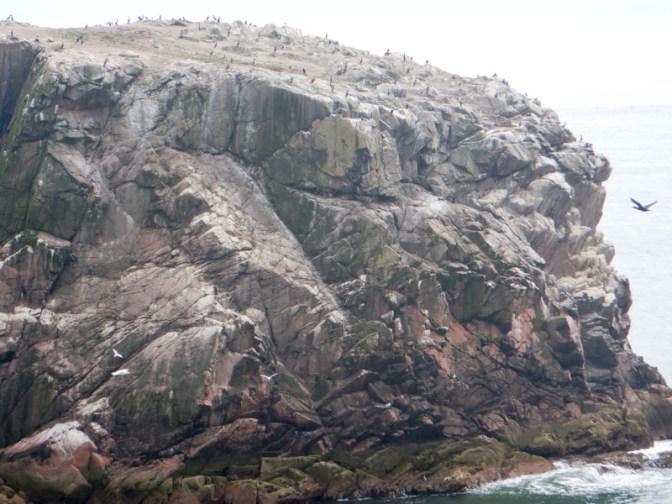
The puffin burrows were already empty but the area was teeming with seabirds including razorbills, cormorants, divers, guillemots and kittiwakes.
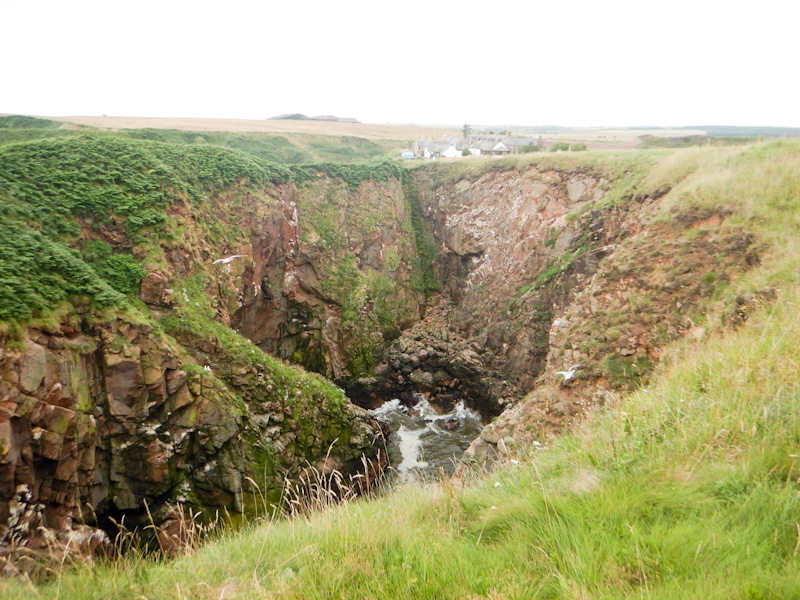
The highlight was the Bullers of Buchan: a huge collapsed sea cave linked to the sea by two arches.

Moreover the area includes important saltmarsh and coastal heath habitats with many rare plant species.
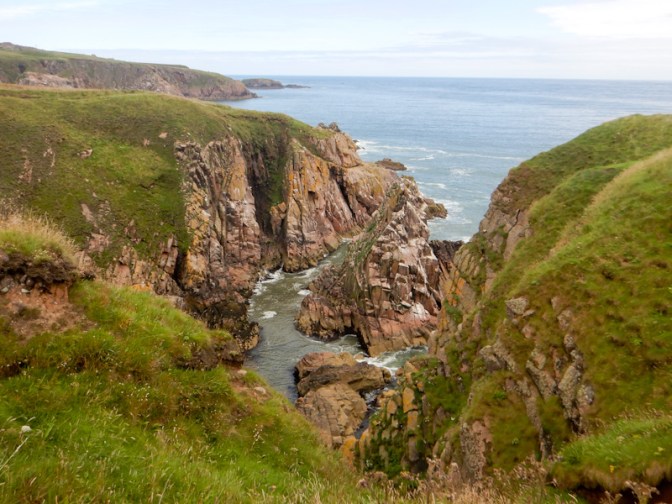
I walked through the Longhaven Cliffs Wildlife Reserve which is in the care of the Scottish Wildlife Trust. A sign explained that the reserve is part of a larger Special Site of Scientific Interest designated for three reasons: firstly being an important area for breeding seabirds, secondly the coastal cliffs and thirdly the rare and important reserve habitats including maritime heath and perched saltmarsh. The area also has designations as a Special Area of Conservation and a Special Protected Area.
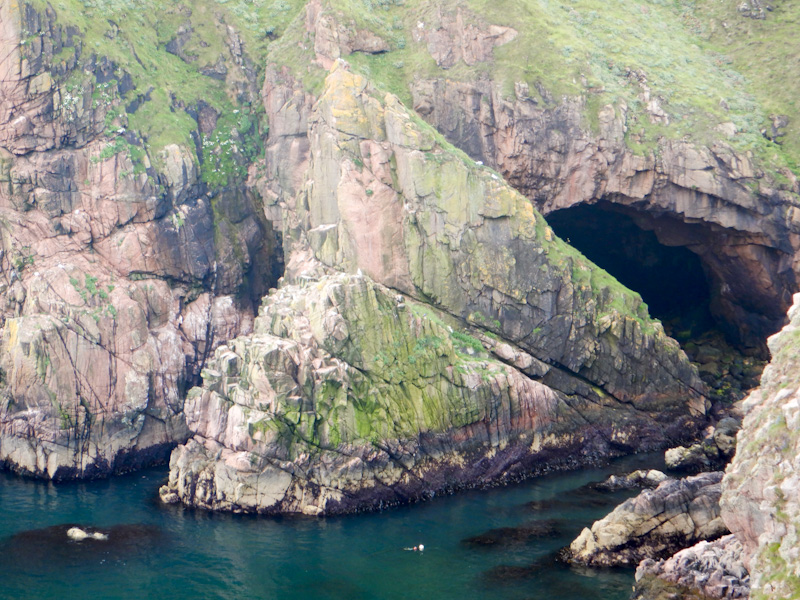
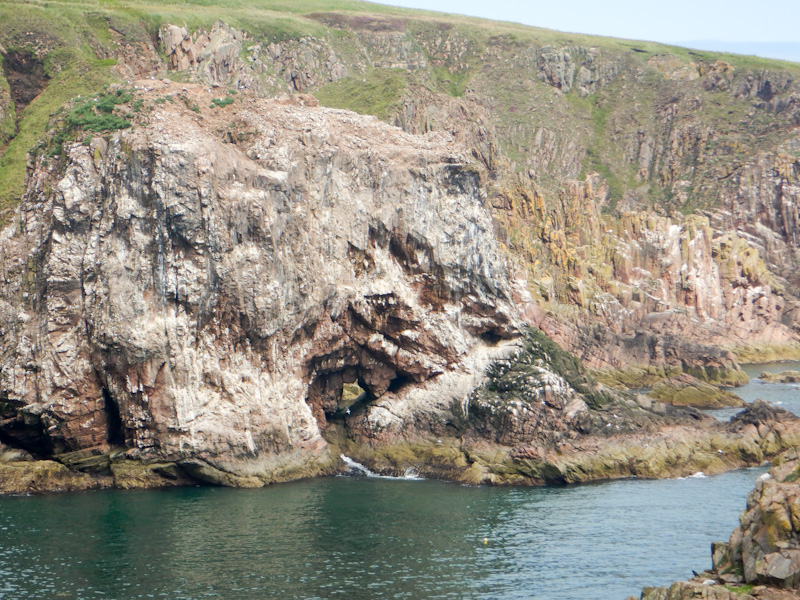
Eventually the end of my walk at Boddam was in sight as I approached towards the light house at Buchan Ness.
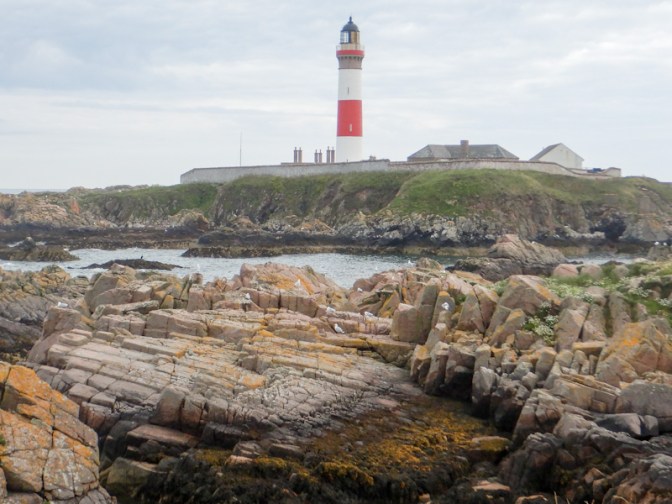
I really hadn’t expected this coastline, all under thirty miles away from Aberdeen, to be quite so scenic. This is definitely a hidden gem!

 Where's Kathryn?