26 Feb – 10 March 2025
We’d been on Saint Lucia already for four complete days and were enjoying quite a different sort of experience compared with the apparently more typical tourists: cruise ship passengers spending a day on the island and visitors to big hotels perhaps venturing out for one or two excursions during their stay.
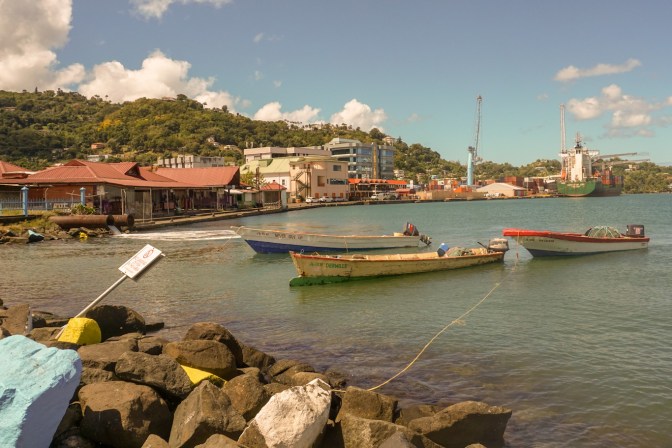
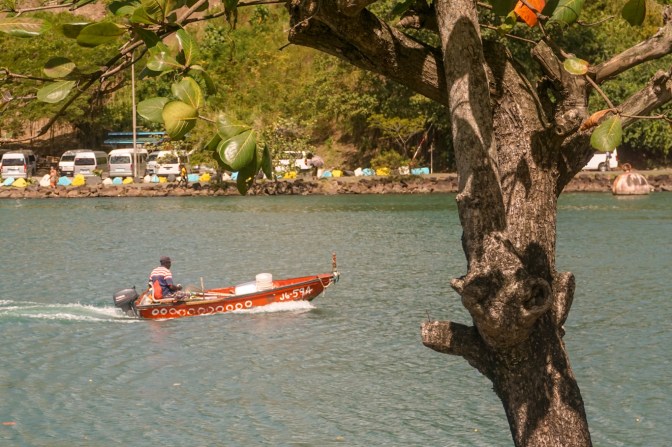
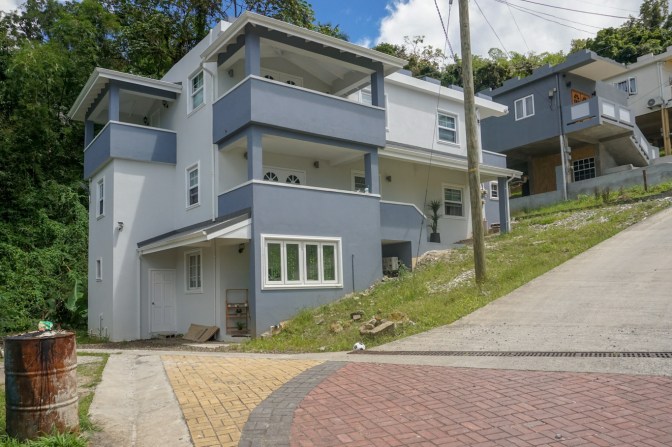
Yeoli, the owner of our superb apartment in addition to juggling life as a busy doctor and mother to two young sons, had been incredibly welcoming and helpful. She had recommended and organised contact with Joseph who arrived at the apartment early on our fifth morning in St Lucia and was driving us along the pot holed, twisty, narrow and hilly road south of Castries, skilfully negotiating the multiple hairpin bends. As he drove and provided commentary on the scenery, he explained that St Lucia is a “no pressure” place, having already labelled me as a “Ninja” given my enthusiasm to reach the start place to climb Gros Piton, the tall volcanic cone 798m high, dominating the landscape around Soufriere. He pointed out the highest mountain on St Lucia, Mount Gimie, which is 950m and takes twice as long to climb given its more remote location. Of course I immediately wished I could climb that as well.
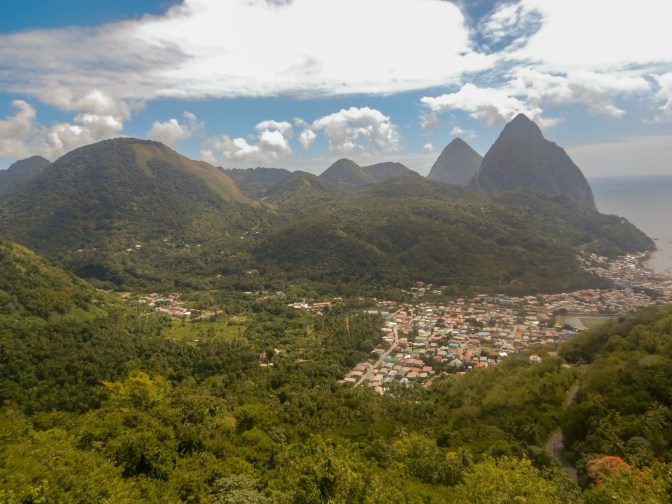
We dropped my husband off in Soufriere where he planned to spend the morning taking photographs; he had strict instructions not to stray further from the beach than the third street from the shore. The usual route from there to the Gros Piton start was blocked by a landslide and even Joseph had to ask about the convoluted diversion that added almost thirty minutes to our journey time.
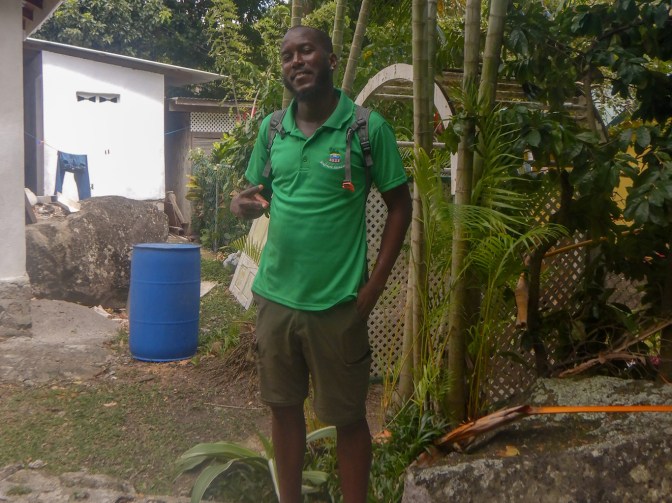
We arrived to a well-organised reception – the next official guide was Shem, who had lived in the small local village all his life – there is no way to climb without a guide. Joseph handed me over, I paid the track fee at an office and after a short introduction covering what to expect on the climb we were off.
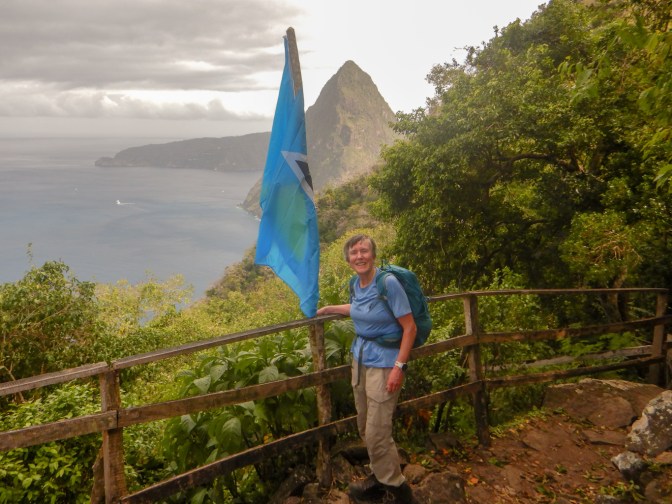
There’s a rest point at each quarter of the route and after the first quarter and second quarter fine views. The stages gradually become more steep and rocky. Shem took good care of me, even carrying my trekking poles on the bits where it was better for me to use my hands to assist with the ascent. After all I turned out to be older than his mother so he was impressed that we were at the summit in well under the usual two hour duration. I was very sweaty and had already drunk just over half of the two litres of water I was carrying but Shem had barely broken out into a sweat. His current hobby is football, both playing in a local team and supporting Arsenal – so he has an ambition to travel to London. As a schoolchild he had been a good 100m and 200m runner but had given this up for football. I am sure that he could have run up the mountain! He explained that he has seven siblings but he was the active one so none of the others work as mountain guides.
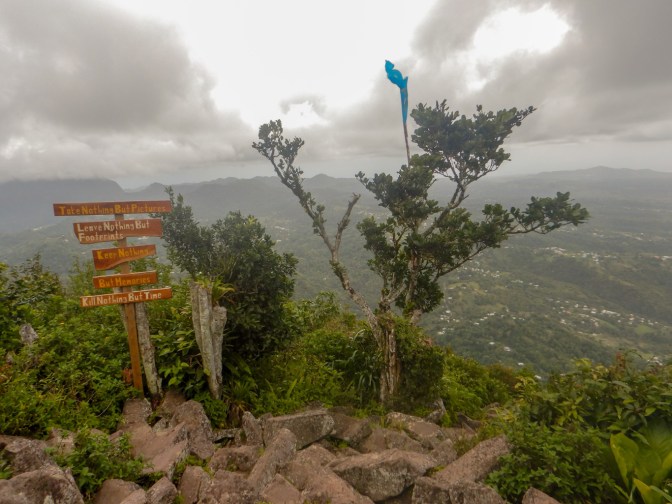
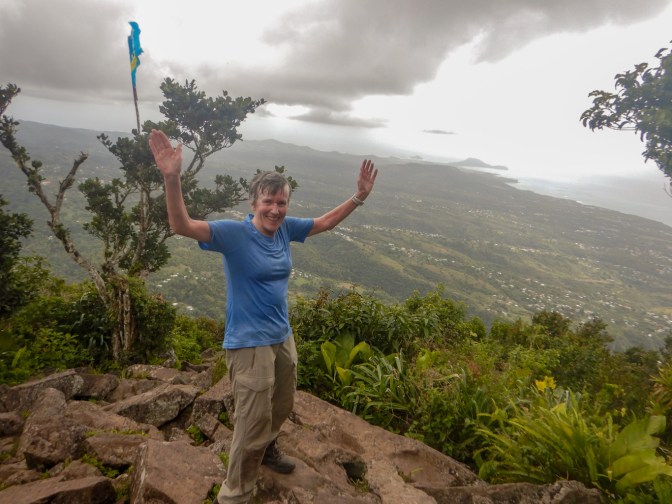
Climbing down is for me always the most worrying bit but Shem encouraged me to take my time – even so we overtook a few other groups and were back at the start point around three and a half hours after leaving. Joseph was already waiting as Shem had contacted him when we had twenty minutes walk time to go. Despite the road diversion we weren’t late back at Soufriere to pick up my husband and return to Castries. I had maintained my “Ninja” status!
So back to our first few days on the island. The St Lucian born consultant paediatrician we had met on our flight had stressed that we would find the islanders very friendly and helpful. This was no exaggeration.
As we waited at the airport (our plane had been early) waiting for our promised lift from Yeoli, we were bombarded by people checking that we were ok -it definitely wasn’t just drivers wanting the fare for us to travel in their taxi. Yeoli arrived and transported us to our apartment but also stopped at a tremendous viewpoint on the way and at a supermarket for us to buy the food we needed until the next day. She even pointed out some of the local delicacies – sea moss, cocoa balls and hot pepper sauce.
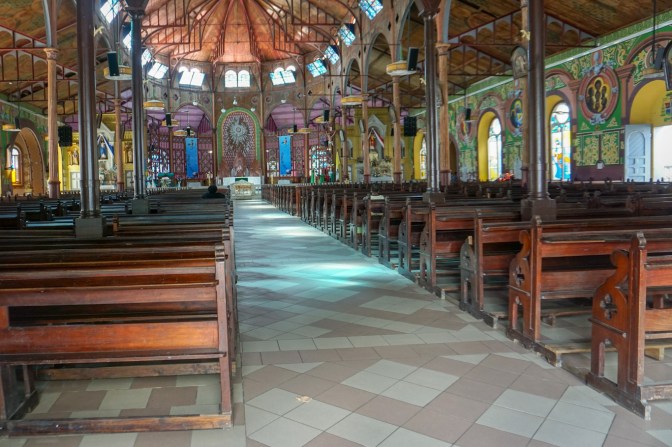
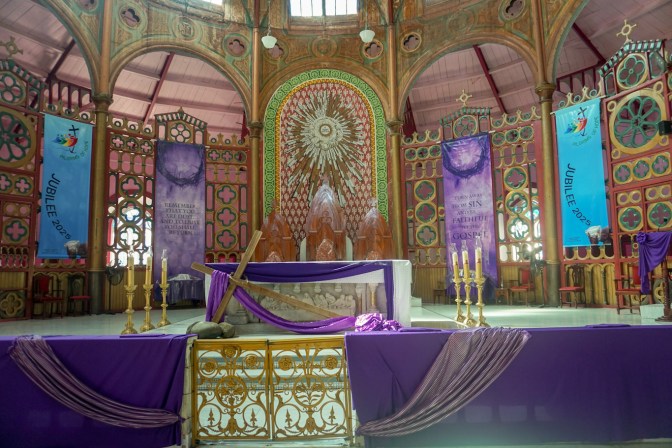
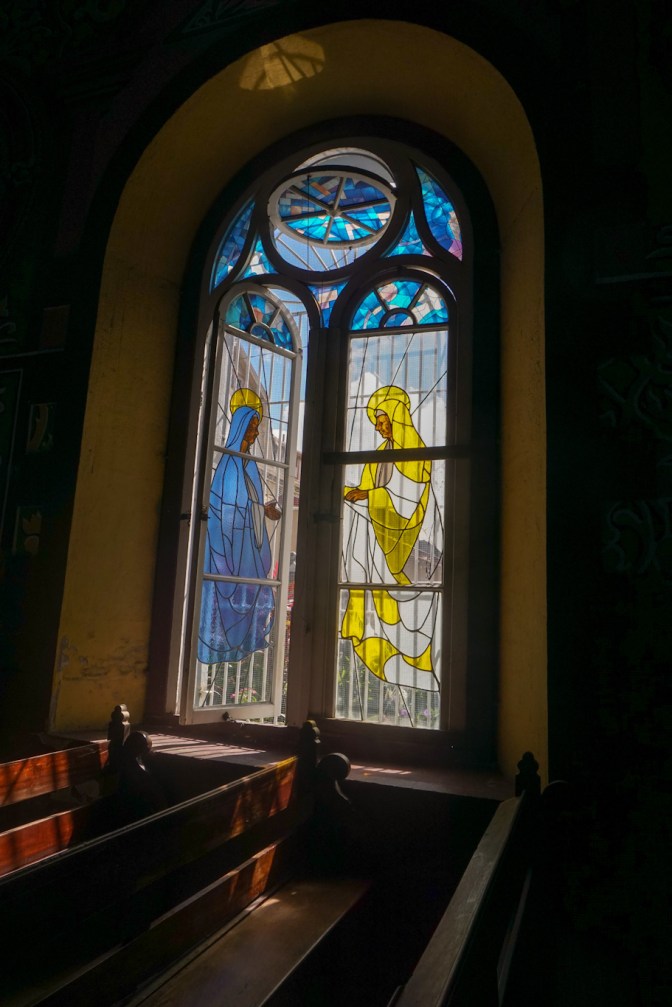
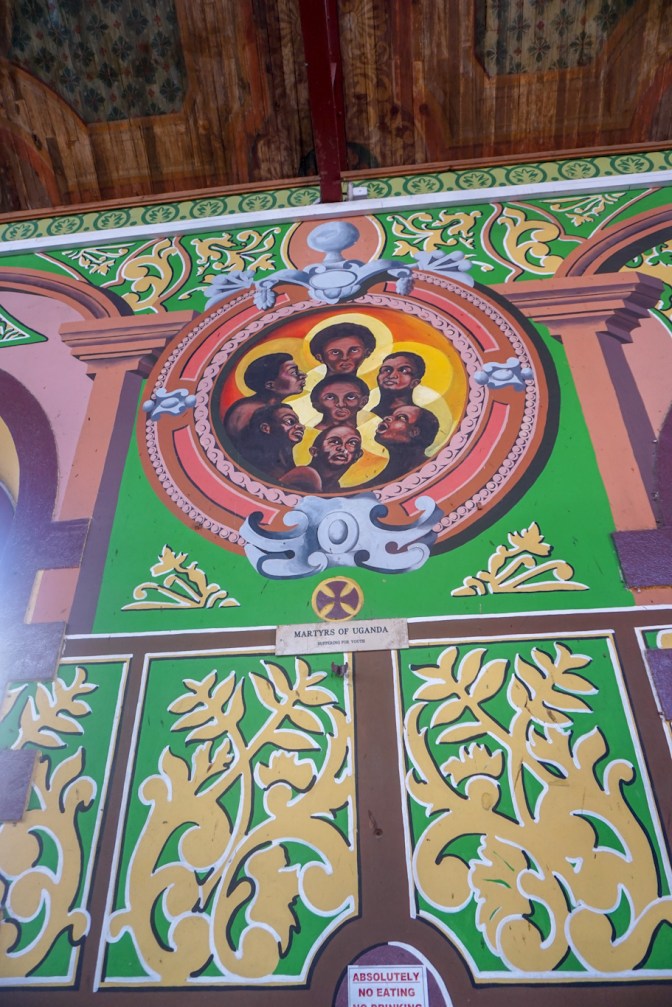
We spent our first whole day on St Lucia wandering down the hill to Castries where we found the major city sights including the market, the main Derek Walcott Square and the adjacent Roman Catholic cathedral: The Minor Basilica of the Immaculate Conception.
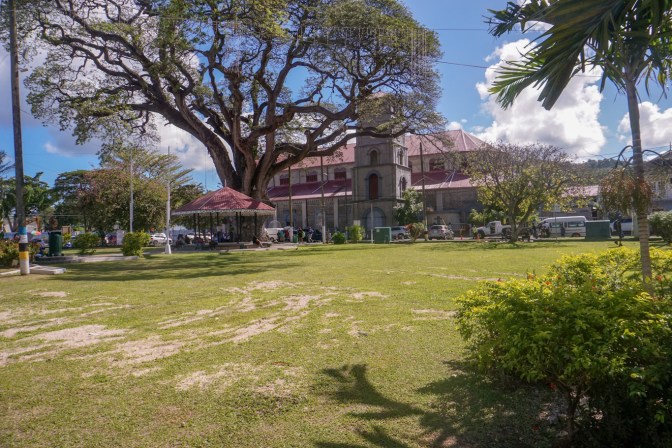
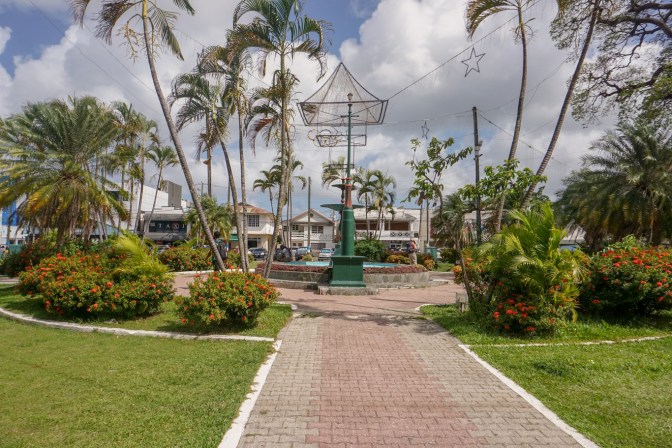

We discovered why the guidebooks suggest taking a bus or taxi up to the Morne Fortune Historic Area. It was quite a climb despite being only a short distance. We rested and bought soft drinks from a roadside bar near the summit then ate our picnic lunch near the Royal Inniskilling Fusiliers Memorial with picturesque views to Pigeon Island on the coast and over the rainforest and mountains.
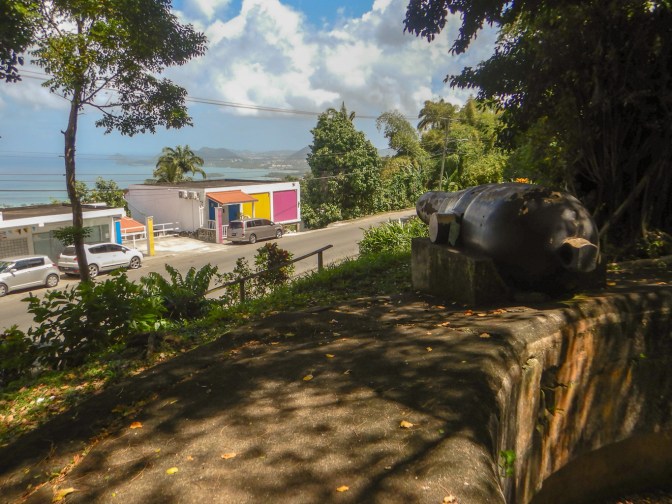
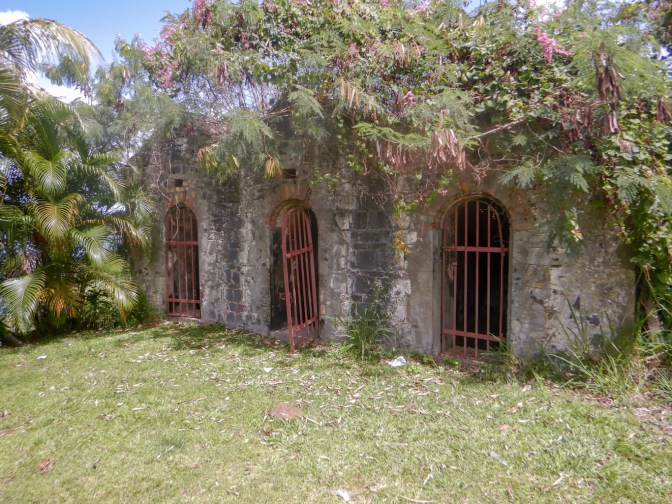
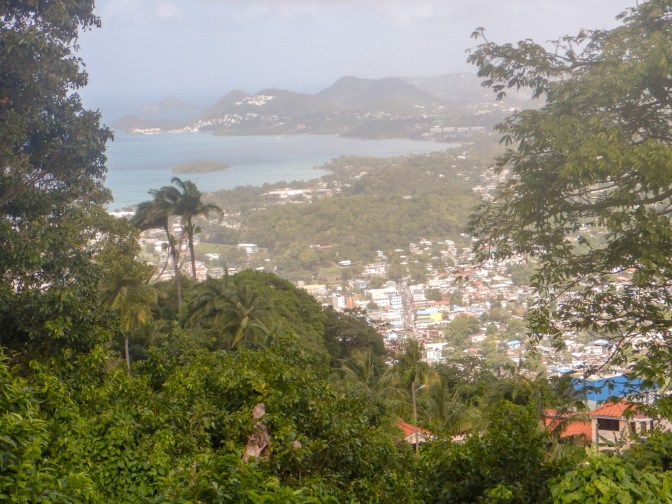

In order to preserve our knees, we caught one of the frequent minibuses back down the hill. These run on an almost continuous basis during the day to many parts of the island. The various routes start from different points in Castries but there is information online as to the start point for different destinations. They set off as soon as they’re full with 14-15 seated passengers (or almost full at quieter times). More passengers are picked up from various stops as passengers alight so the buses are always full or nearly full. It would seem that those wanting to catch a bus at the first bus stops out of Castries must have a long wait as the buses seemed to be persistently full at these points. The fares are laid down in Acts of Parliament and the most expensive fare from one end of the island to the other is just $9 EC (that’s about £2.70). Many journeys have a fare under $3 EC (£0.90).

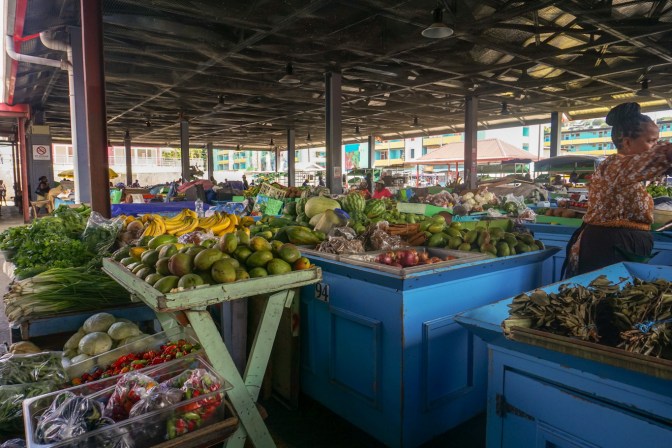
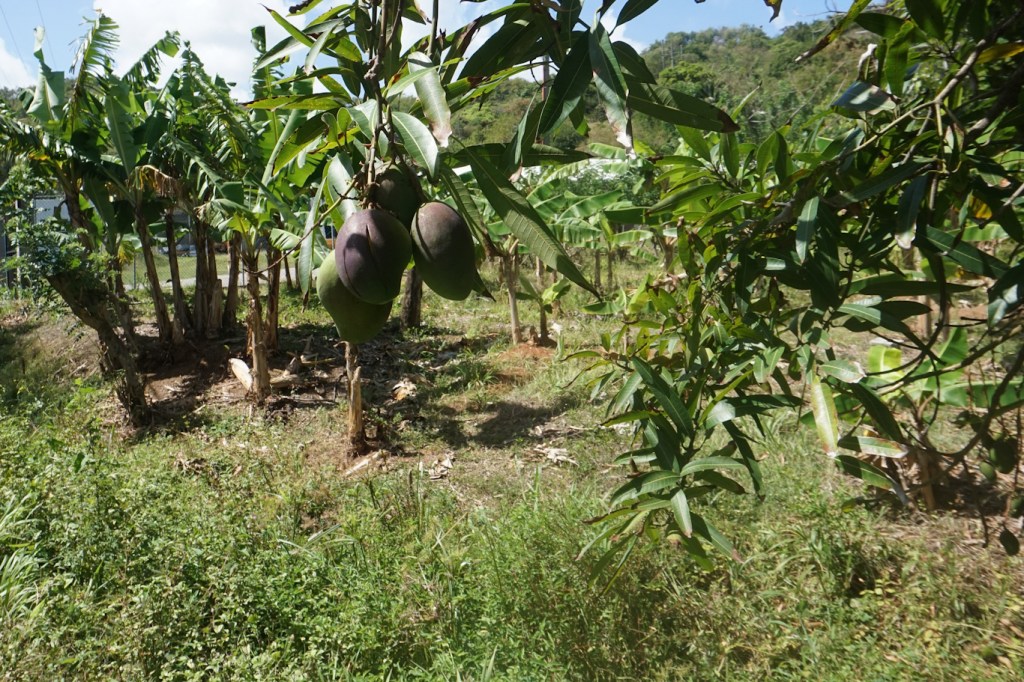
From the bus stop in Castries, it was only a few steps to reach the market where we were able to wander round numerous stalls selling fruit, vegetables and other local produce from the rural parts of the island. We bought food from the market vendors to prepare our own meals in the evenings – plantains, sweet potatoes, dasheen (a starchy tuber), pumpkin, pineapple, water melon and mangoes were some of the items we purchased.
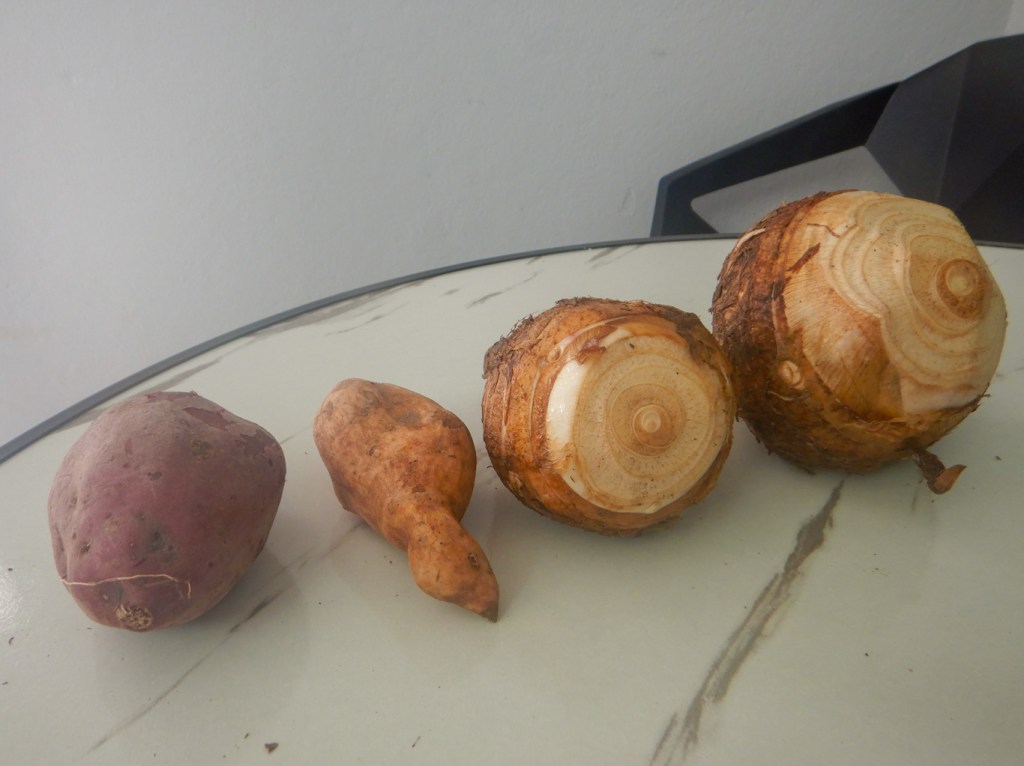
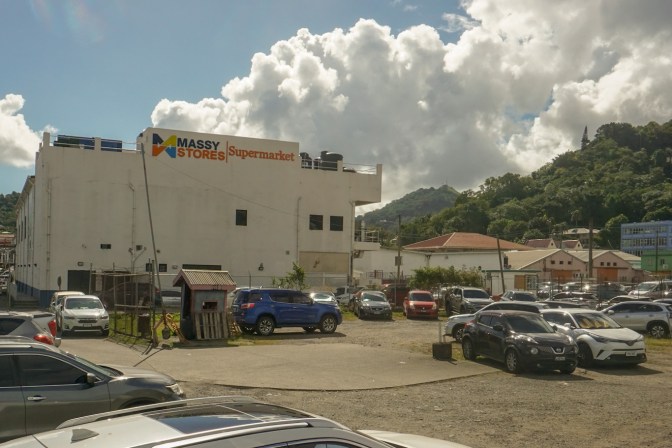
We managed to find local chicken in the supermarket as well as Piton beer named for the mountains and, later in our holiday, even discovered Bounty rum lime liqueur (the tonic to mix with it to make a refreshing long drink cost almost as much as the liqueur!).
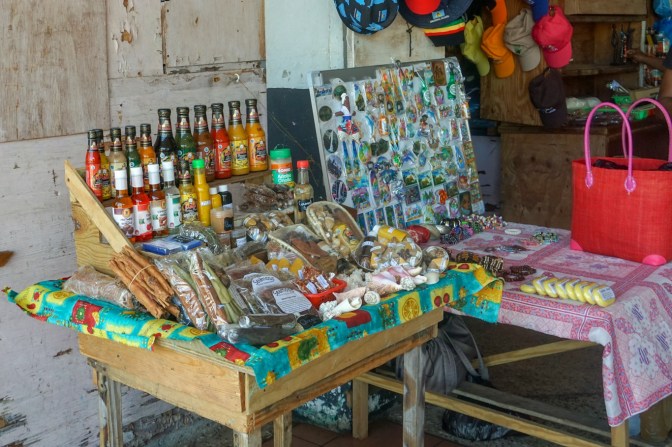
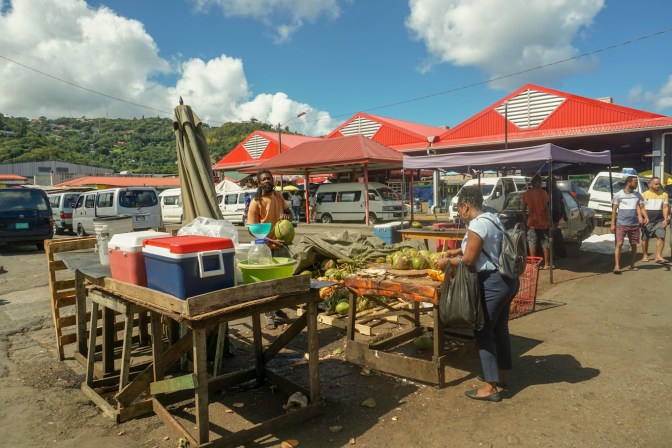
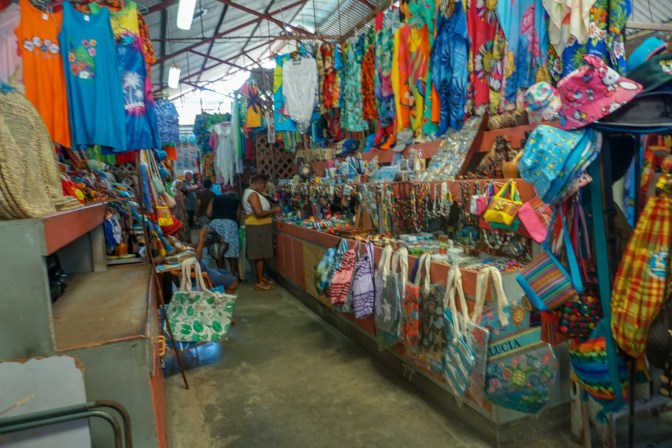
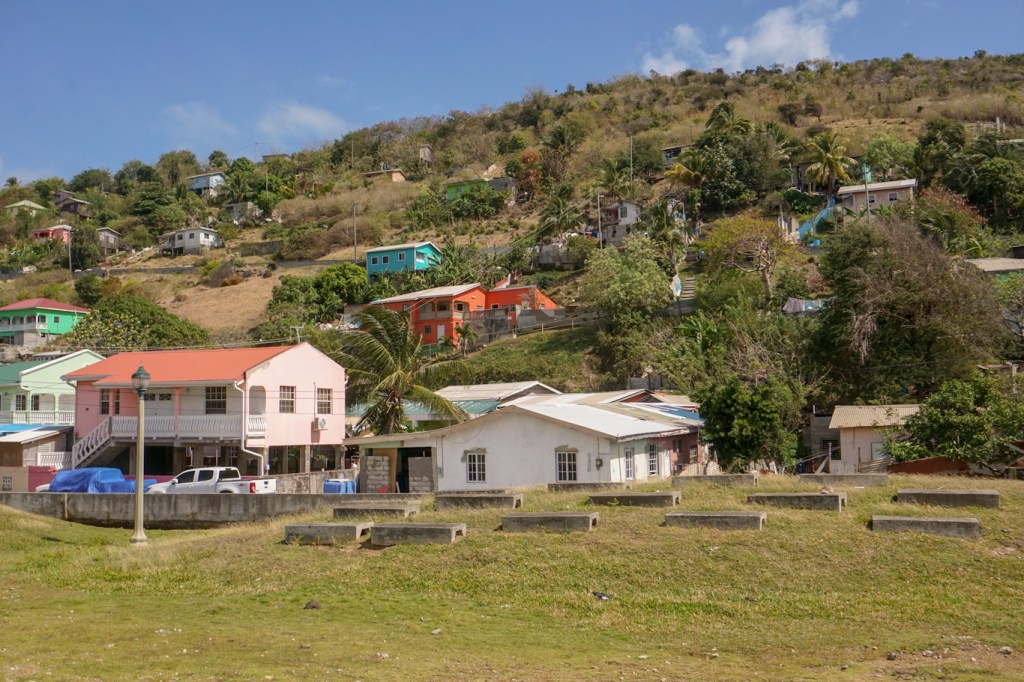
We developed a routine of waking and leaving the apartment early most mornings. It definitely felt more hot in the later afternoon and was better to be back at the apartment to keep cool. We walked to the centre of the town and caught buses to other villages and towns including the fishing villages of Gros Islet, Anse La Raye and Dennery, the town of Vieux Fort: St Lucia’s second town and one of the oldest settlements as well as the resort town of Rodney Bay near Reduit Beach. In all our travels we only once saw another white person on a bus. However we seemed to be accepted and were treated courteously by the local people. We learnt that on joining the bus at an intermediate stop, it was customary to greet passengers already on the bus with a smile and “Good morning” or “Good afternoon”.
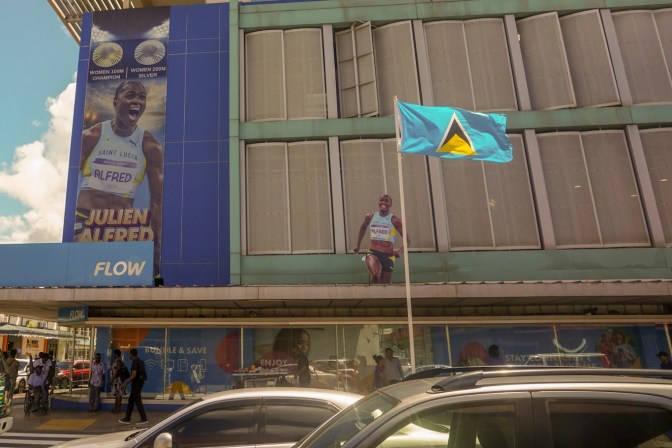
We enjoyed eating food for lunch from street barbecues and local eateries – all amazingly inexpensive.

The standard lunch package consisted of local fish, chicken or pig tail in sauce and several “sides” – salad, beans, tubers, macaroni cheese, making a very filling meal.
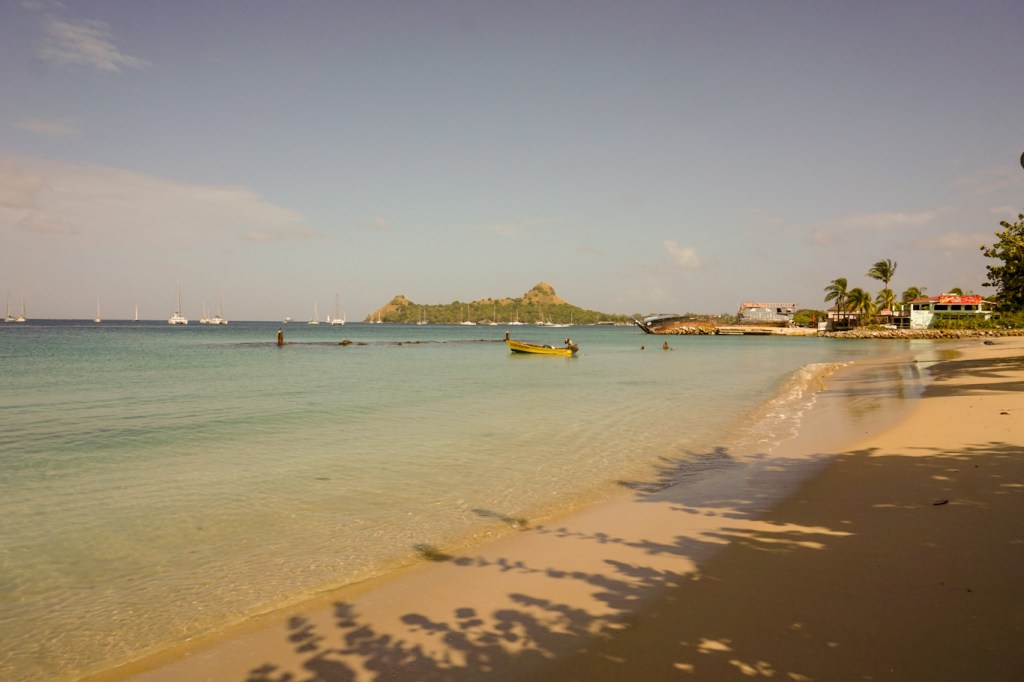
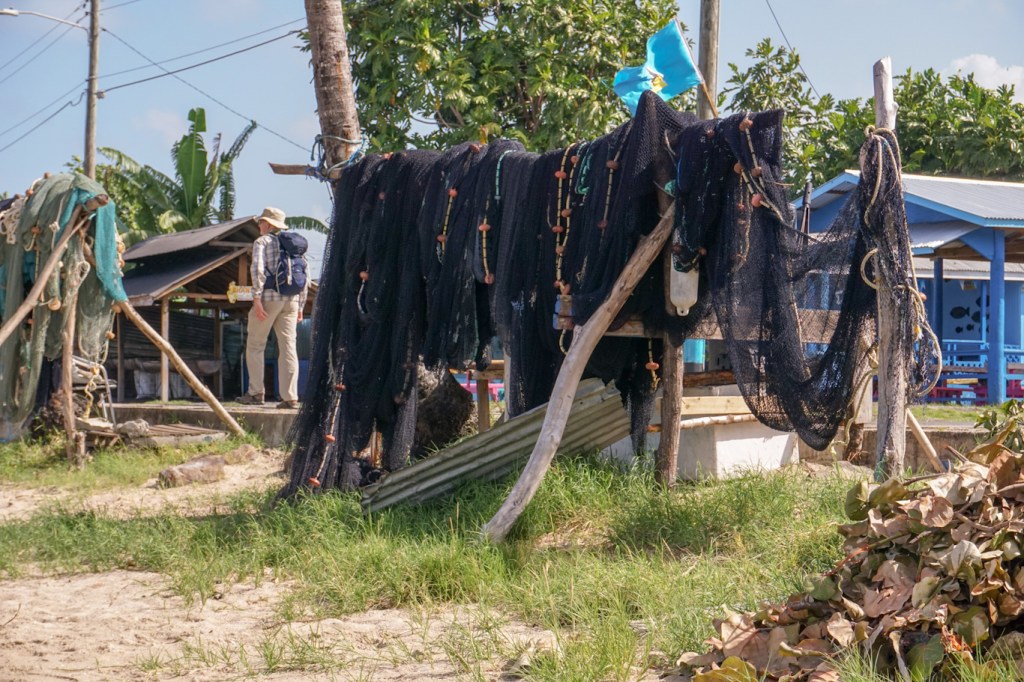
We walked from the bus stop at Gros Islet up to Pigeon Island, joined to the mainland by a man-made causeway completed in 1972. The island is thought to have been inhabited originally by Native Americans who used the caves for shelter and grew staple crops.
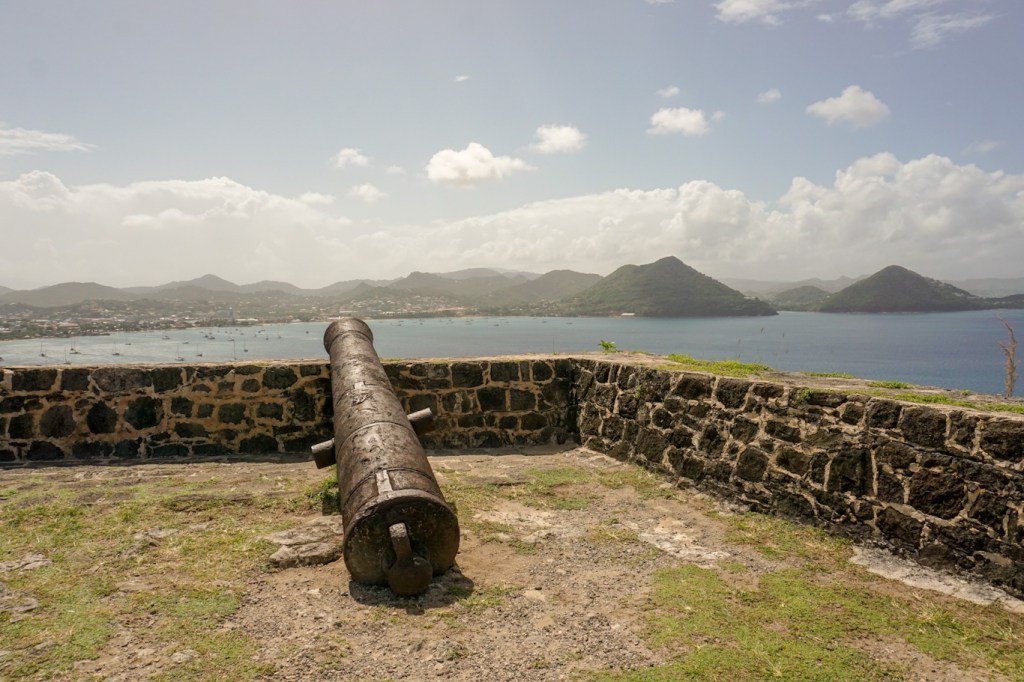
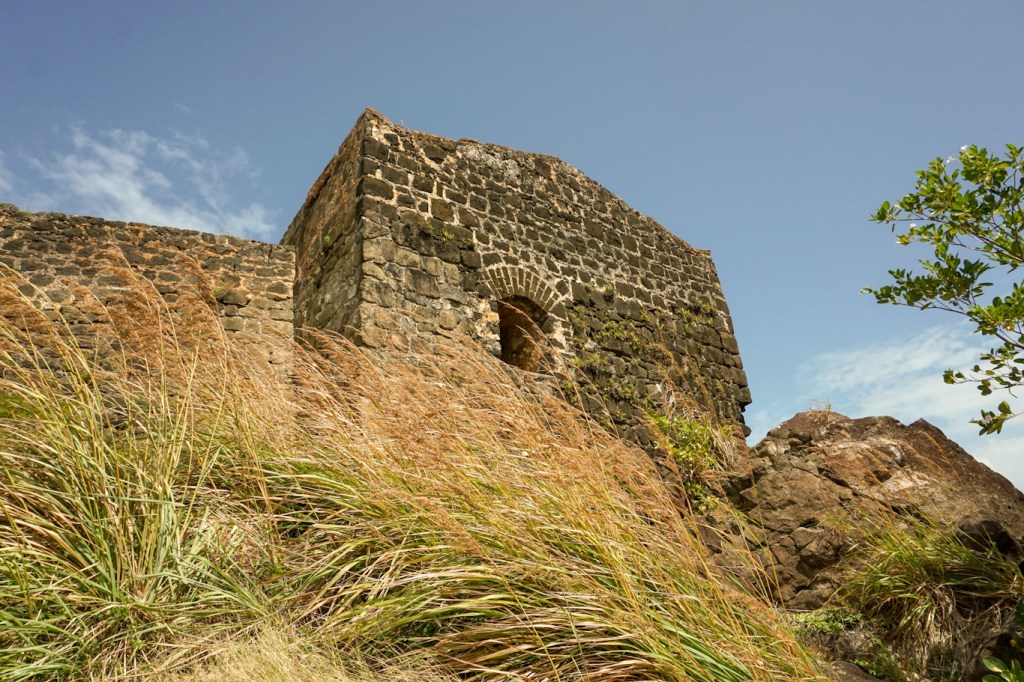
During the eighteenth and nineteenth centuries, the site’s strategic position meant that it figured in the battles between European imperialist powers over control of St Lucia. Admiral Rodney established a naval outpost here in 1780 and the ruins of his fort are on a hill at the tip of the island.
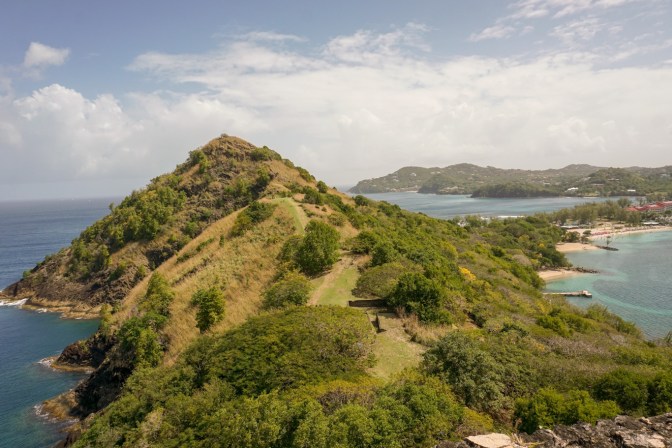
The best viewpoint is on Signal Peak (110m) although it was a steep and rocky climb to the summit.
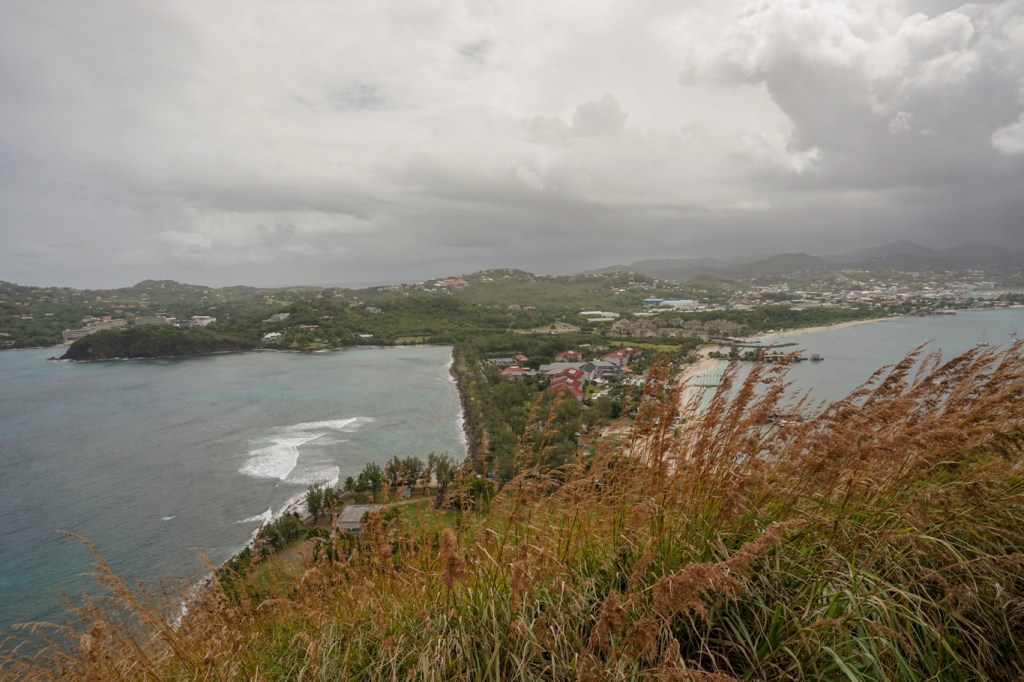
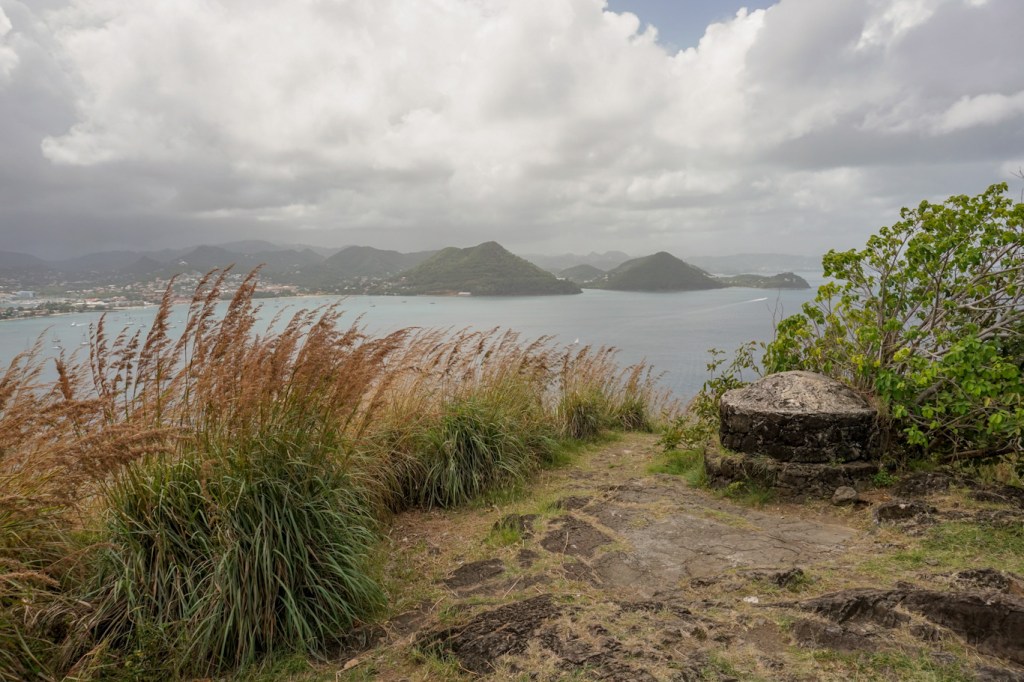
On another day we walked from Gros Islet to Cap Estate in the far north. The properties on the former 1,500 acre sugar plantation are some of the most exclusive on the island – homes of the wealthy and luxury rental villas and hotels. This is also the driest part of the island.
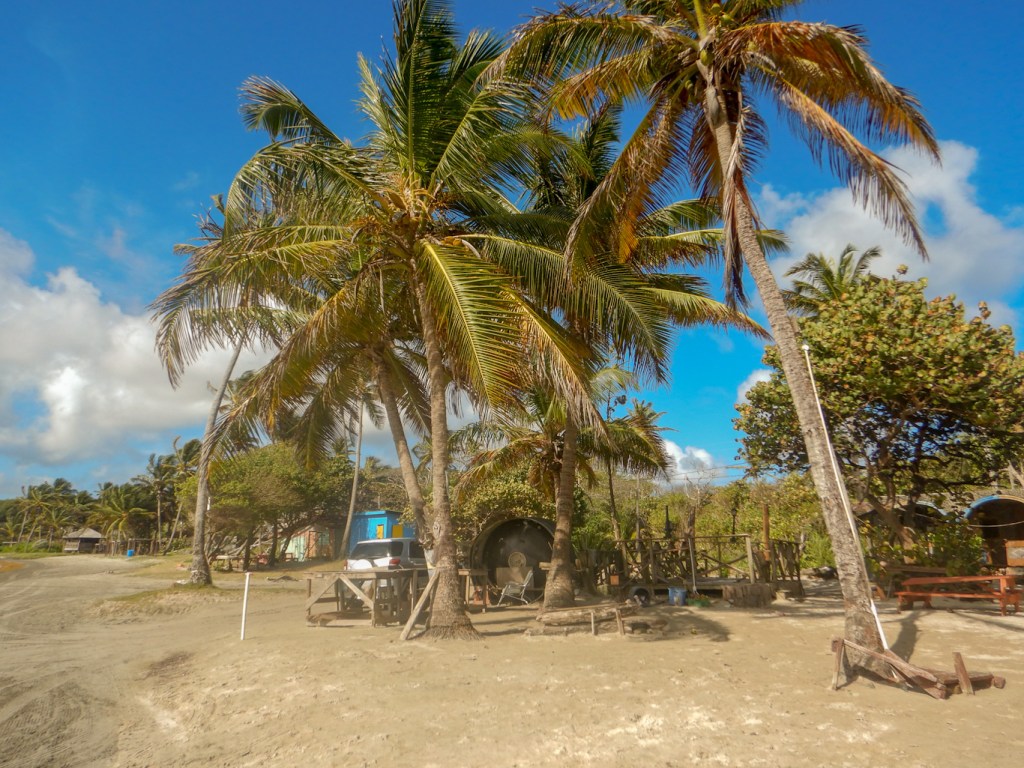
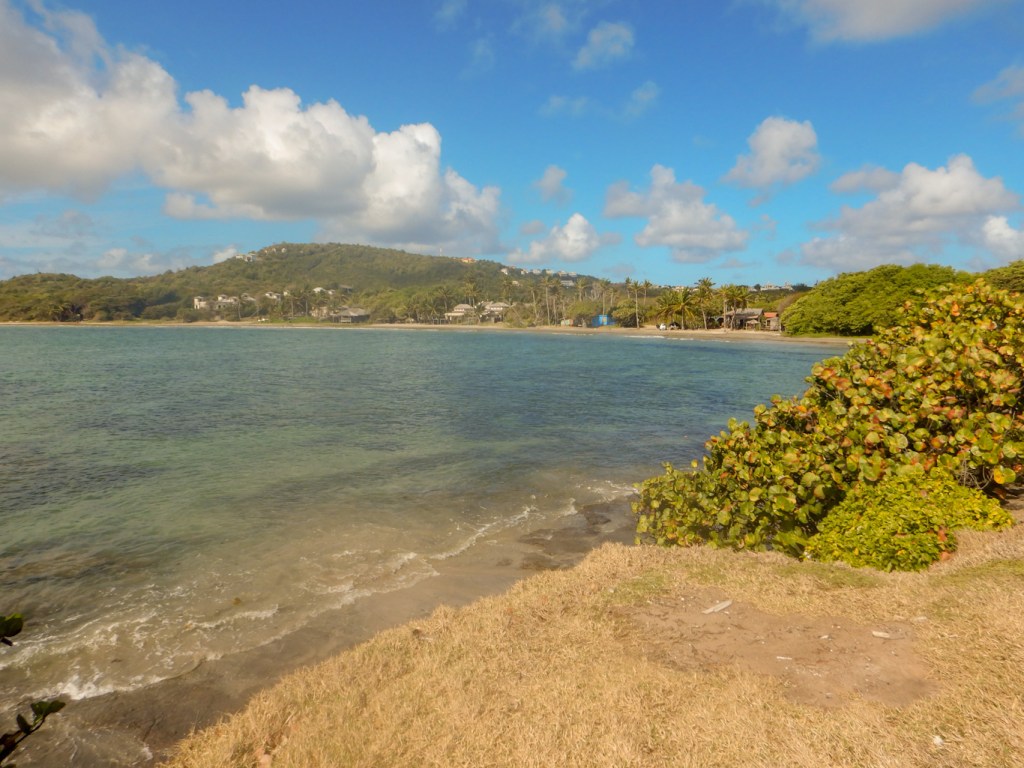
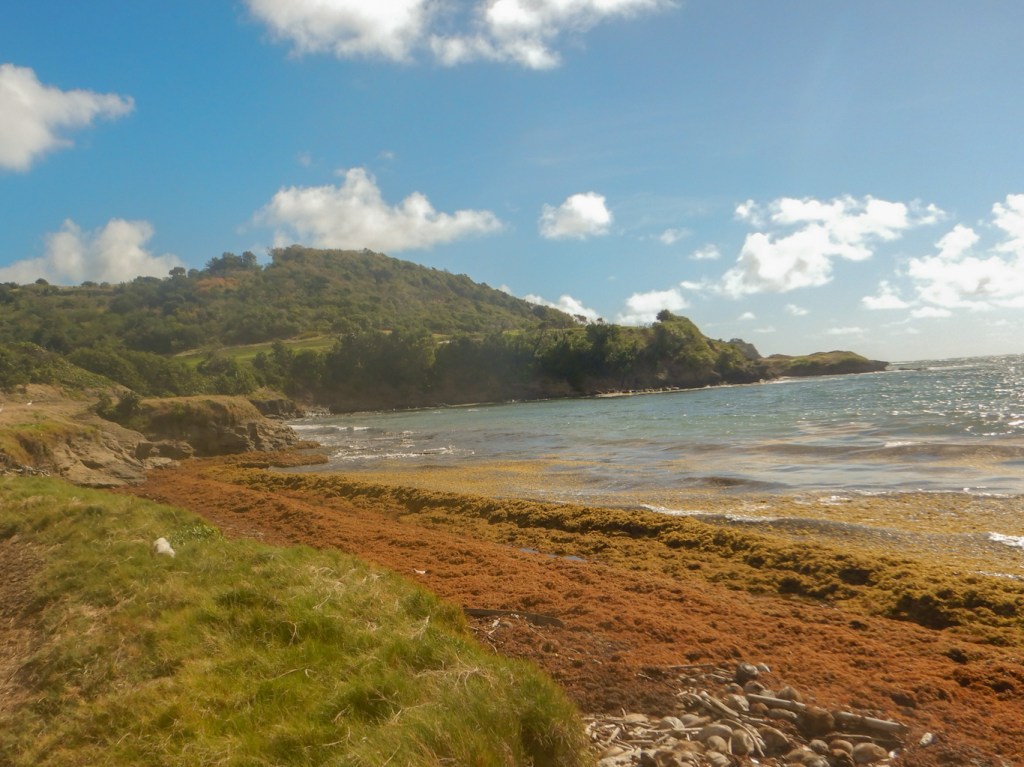
We reached Cotton Bay Village and an idyllic deserted beach with a beach bar that was just opening. There’s a path marked on our map from here to Pointe Hardy but we were turned back by the security guard who explained that the area has now been incorporated into a golf course (Cabot St Lucia) and so no longer accessible.
We made our way on quiet roads across to the west and then headed north along the public road through the middle of another golf course at the Sandals Golf and Country Club Development before descending to the sheltered Smuggler’s Cove.
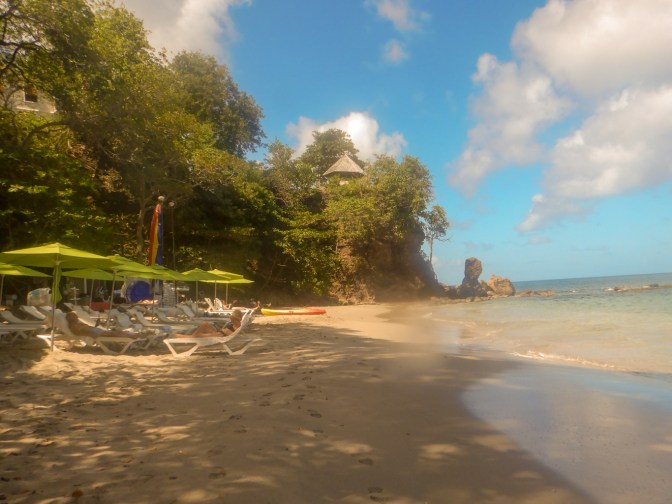
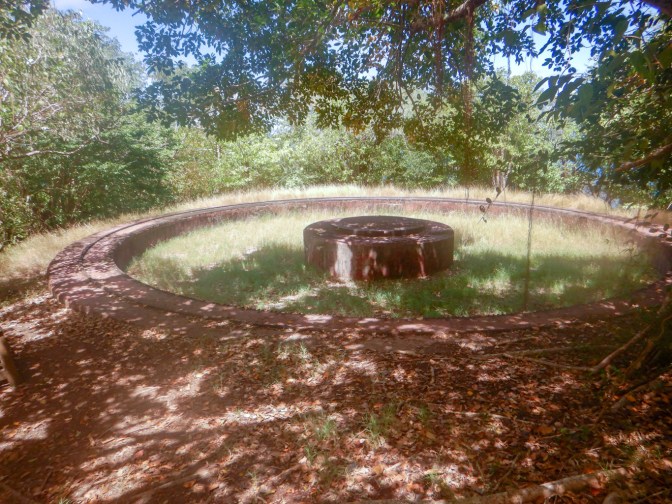
We tried to walk up to Pointe du Cap reputed to be a panoramic viewpoint but ended up in woodland next to an old gun emplacement point.
We headed east again to try to reach Pointe Hardy north of the new golf course, managing to find a vantage point to look over the northern part of St Lucia.
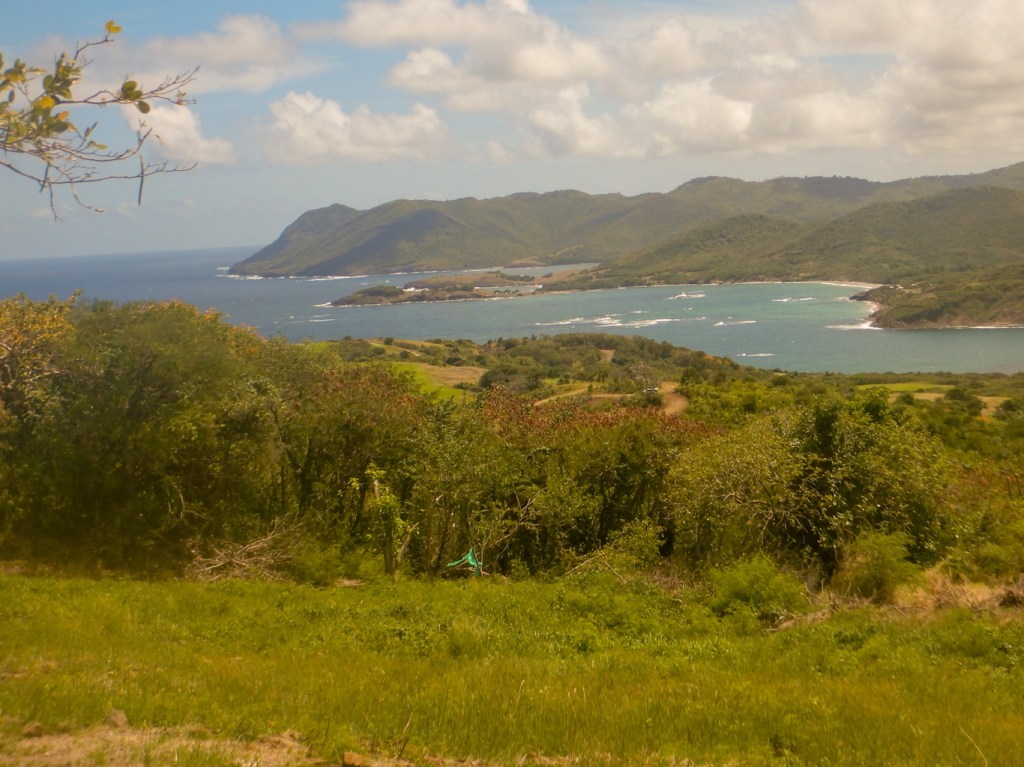
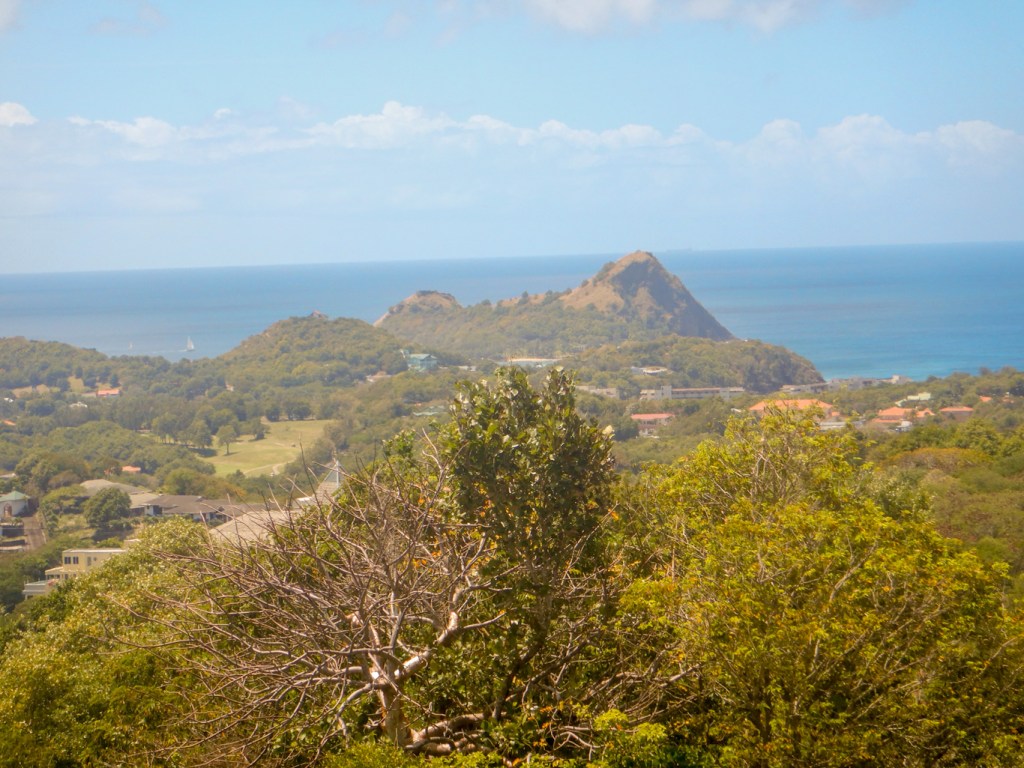
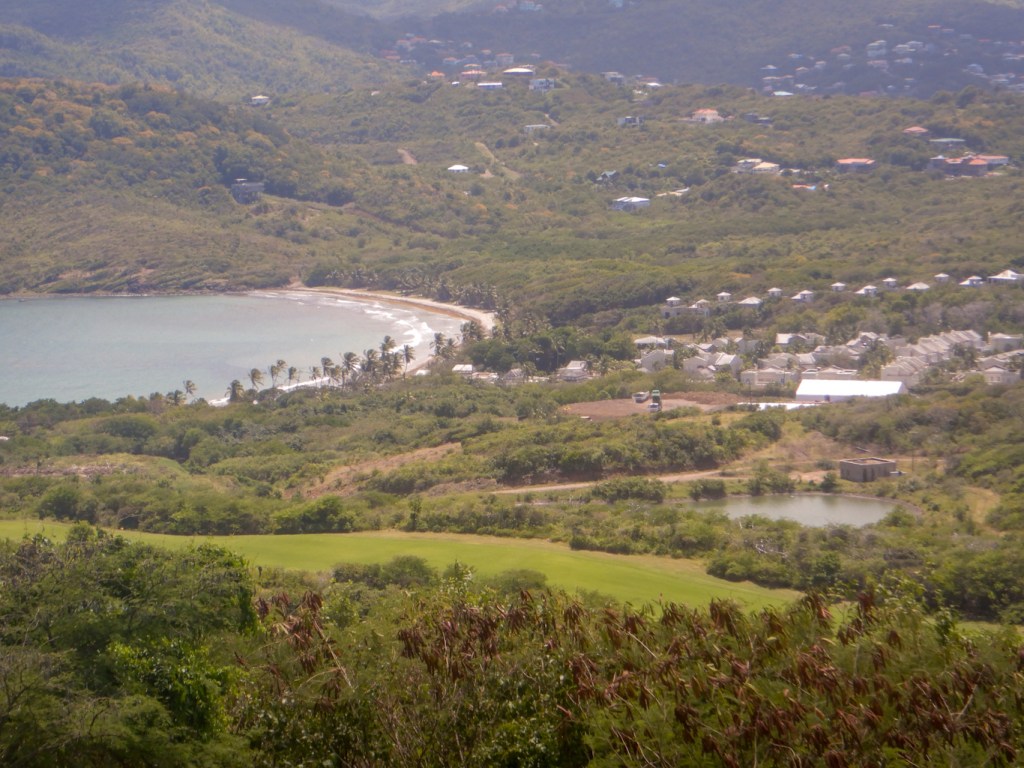
I had a similar thwarted experience trying to climb Mount Pimard from Rodney Bay. I was stopped partway up to be told that the previous path had been closed due to new hotel development.
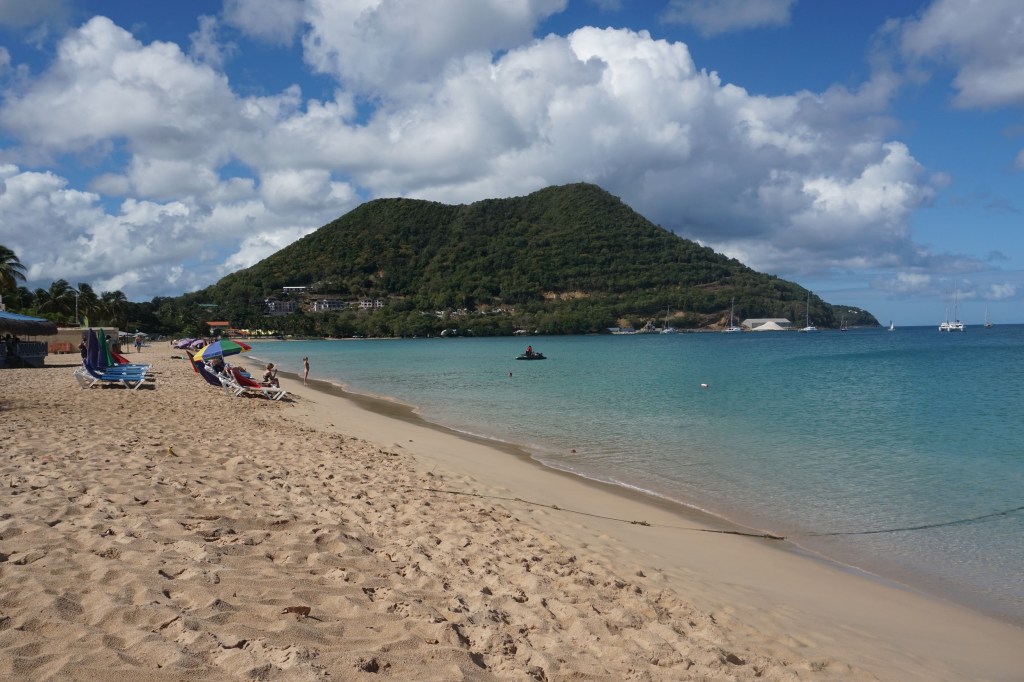
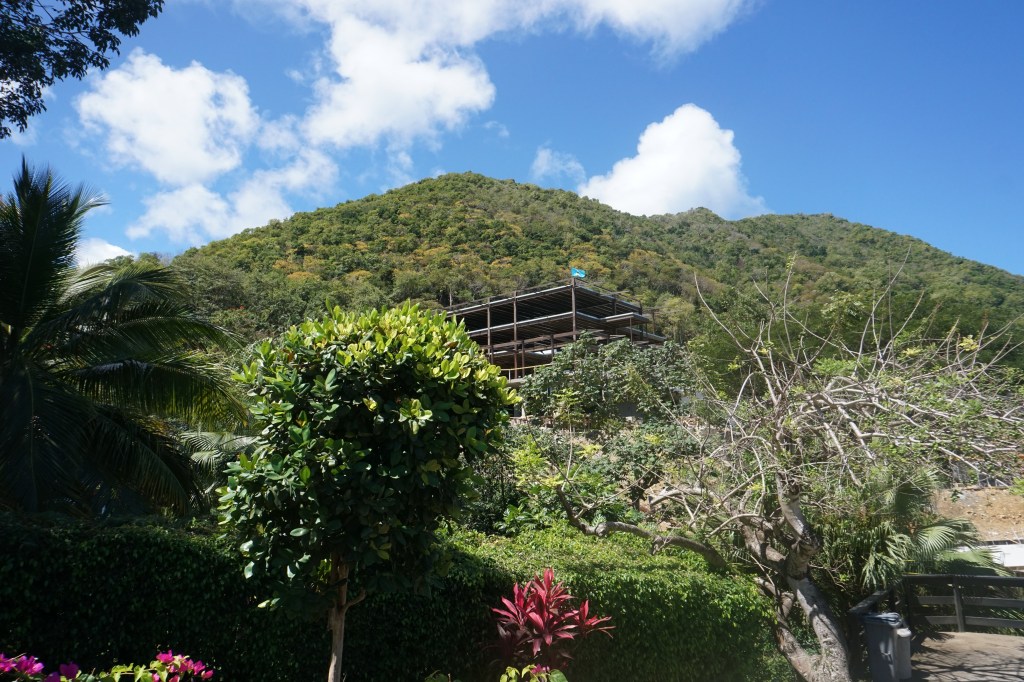
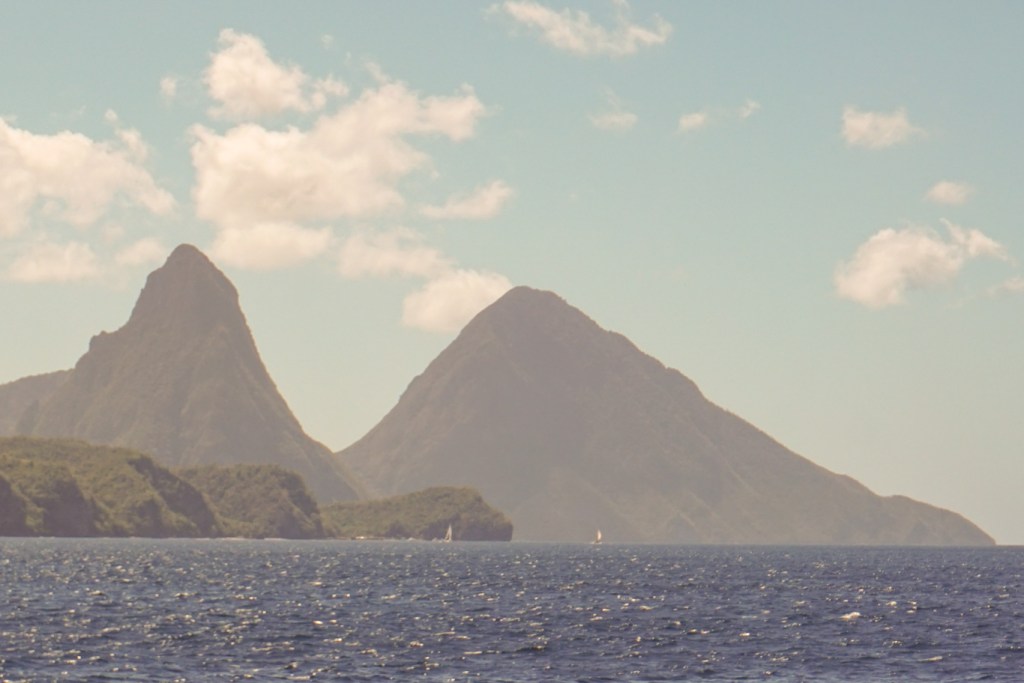
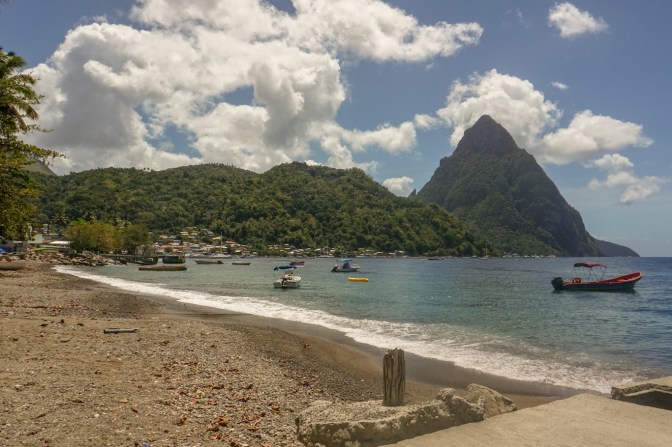
Our hike from Vieux Fort to the southern viewpoint at Cap Moule a Chique was more successful with superb vistas over southern St Lucia including the Pitons as well as views of the rocky Maria Islands Nature Reserve. Out to sea we could even see the outline of the north coast of St Vincent.
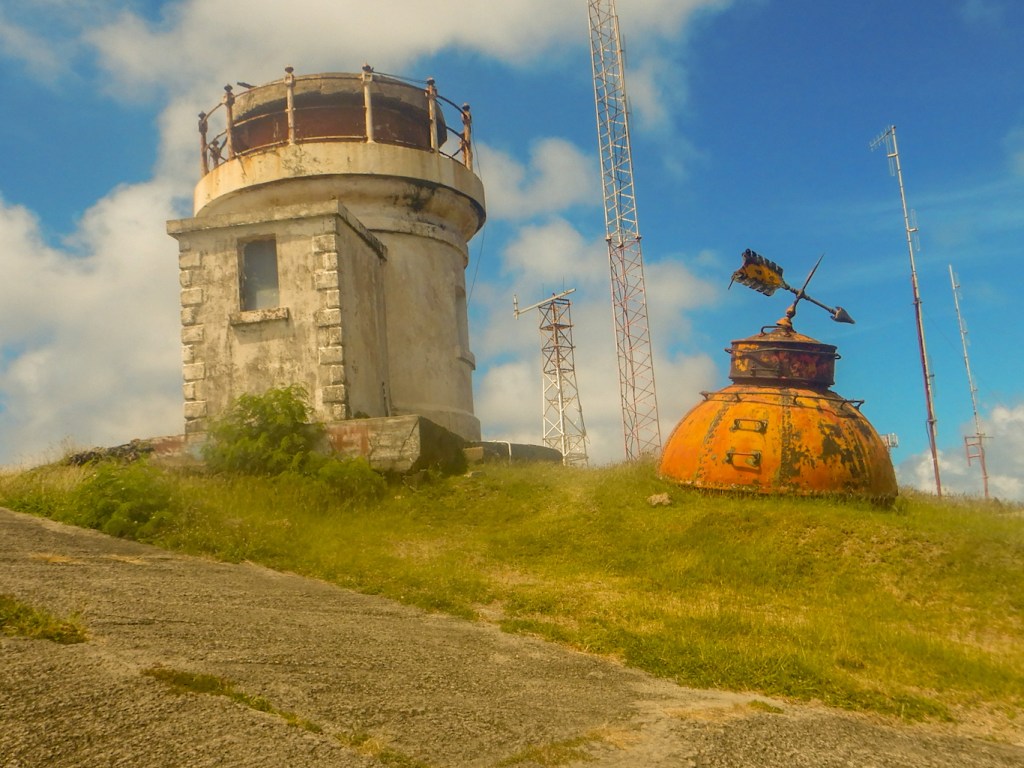
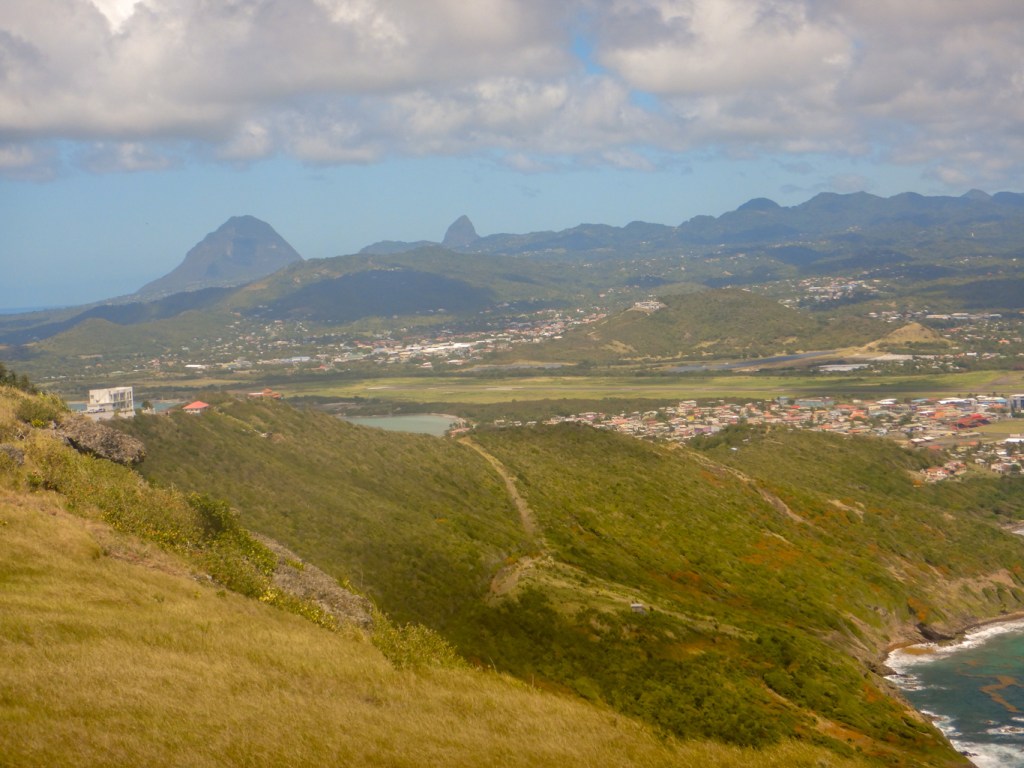
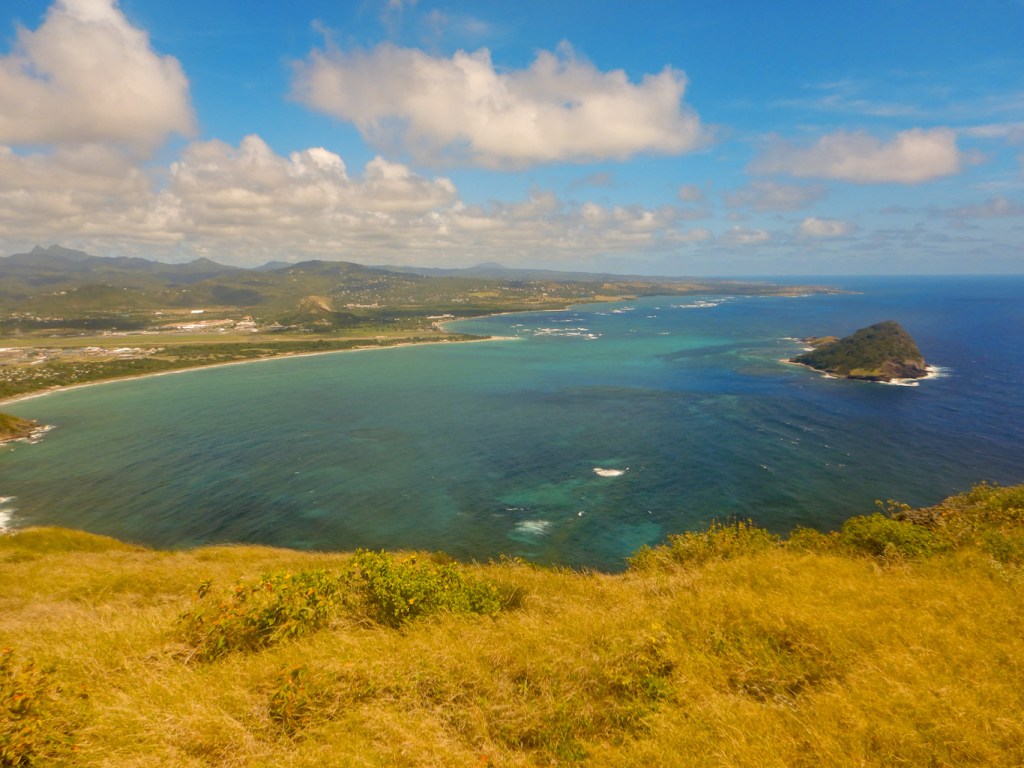
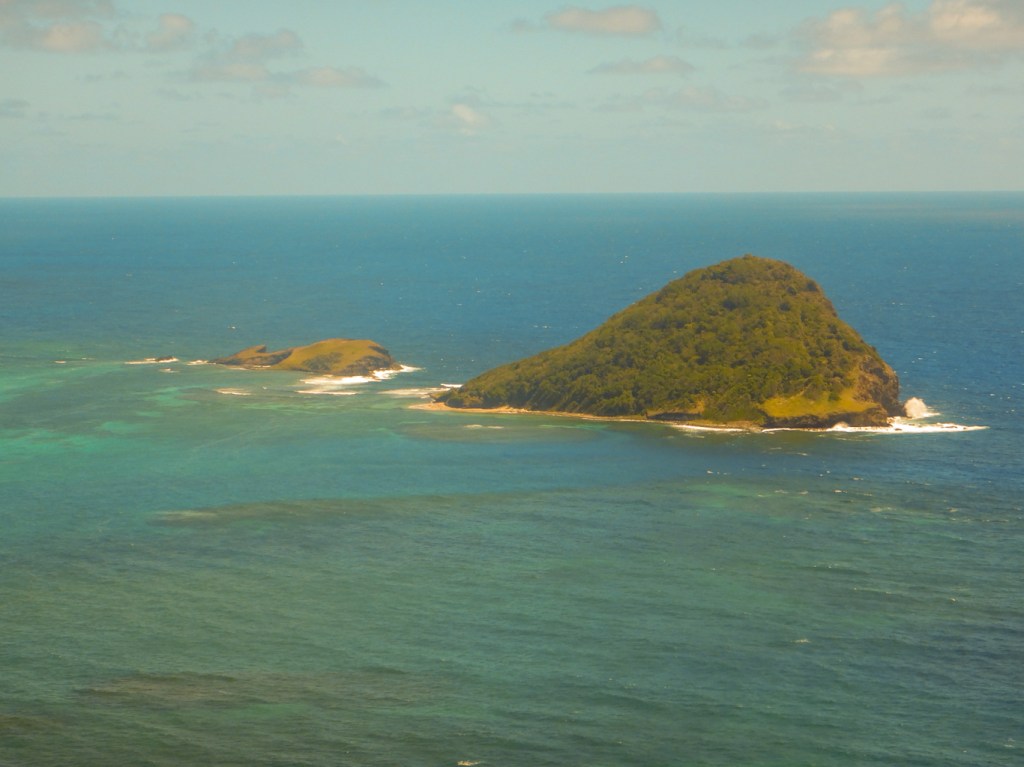

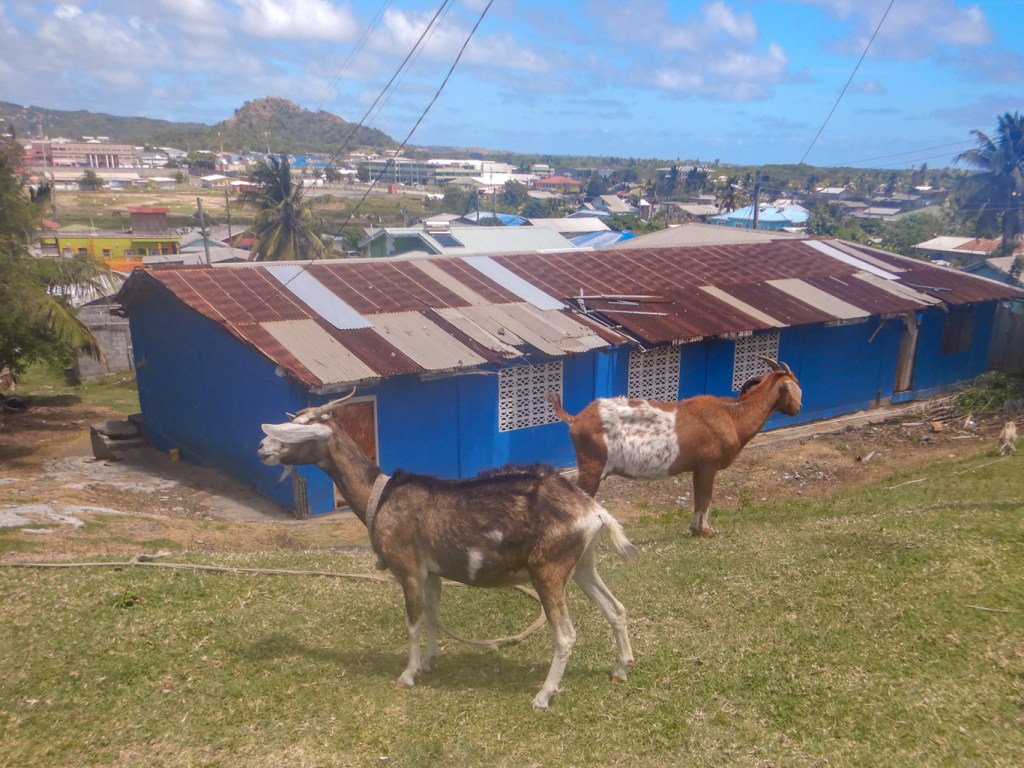
We also managed to walk all the way from Castries to the viewpoint at Vigie lighthouse.
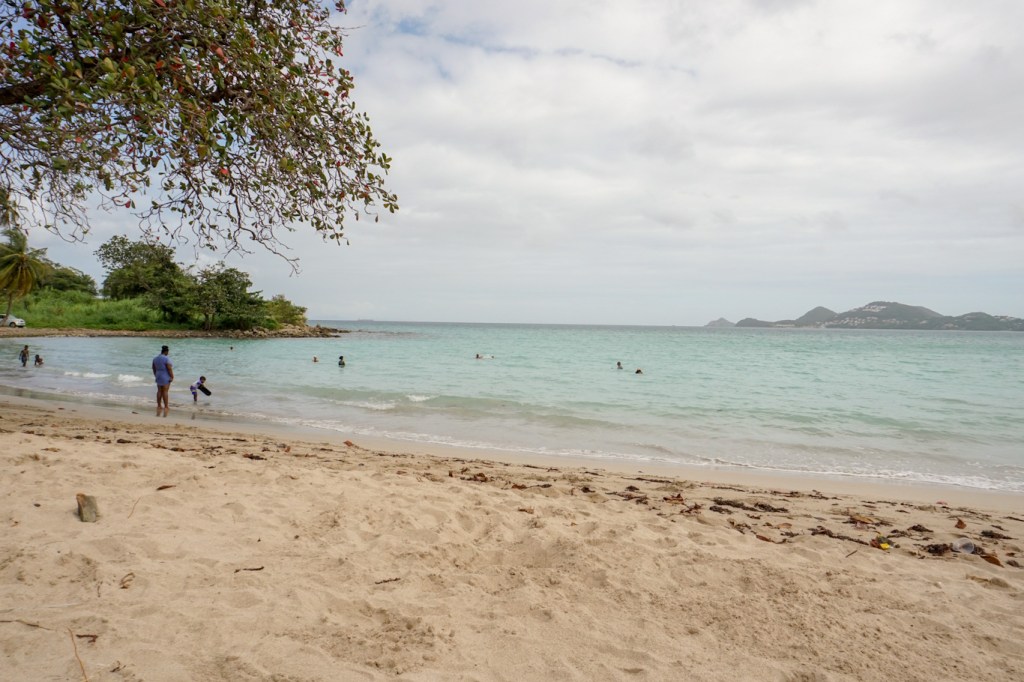
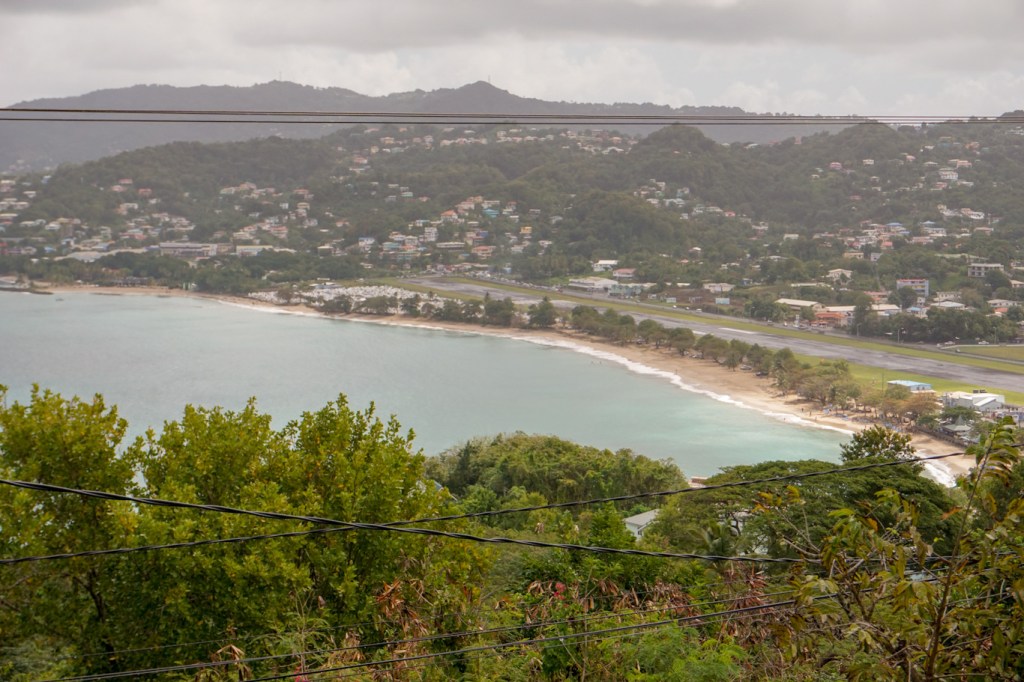
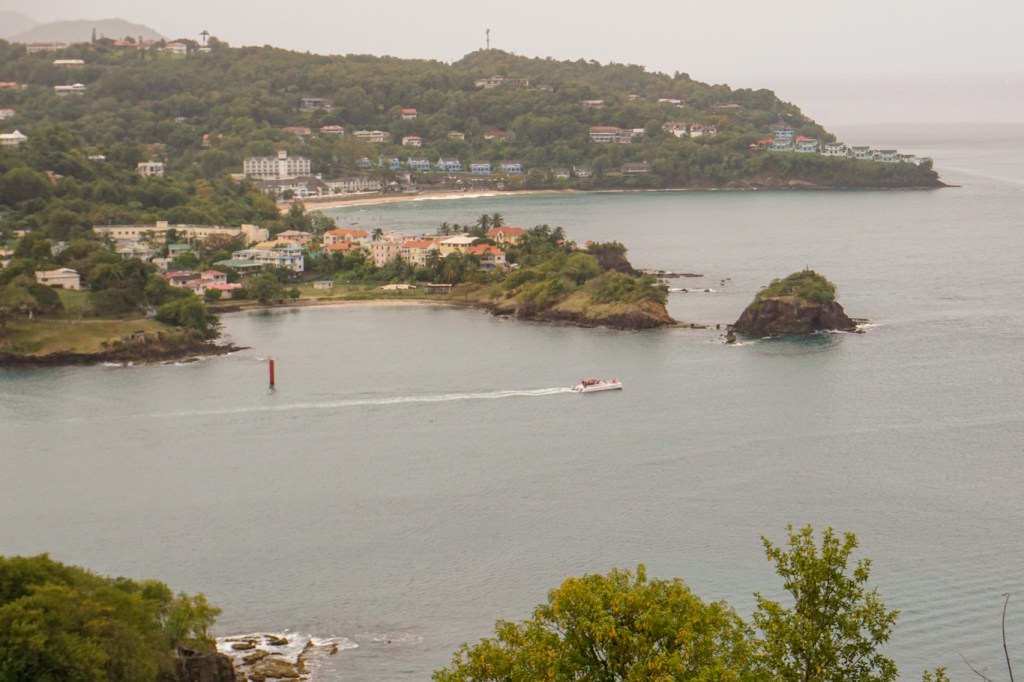
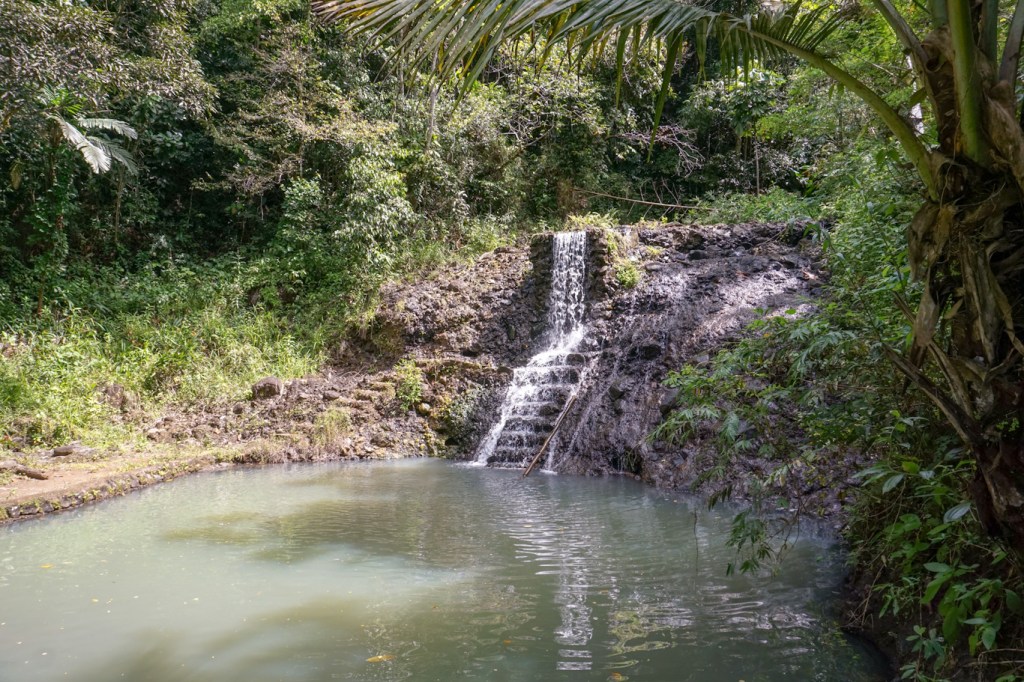
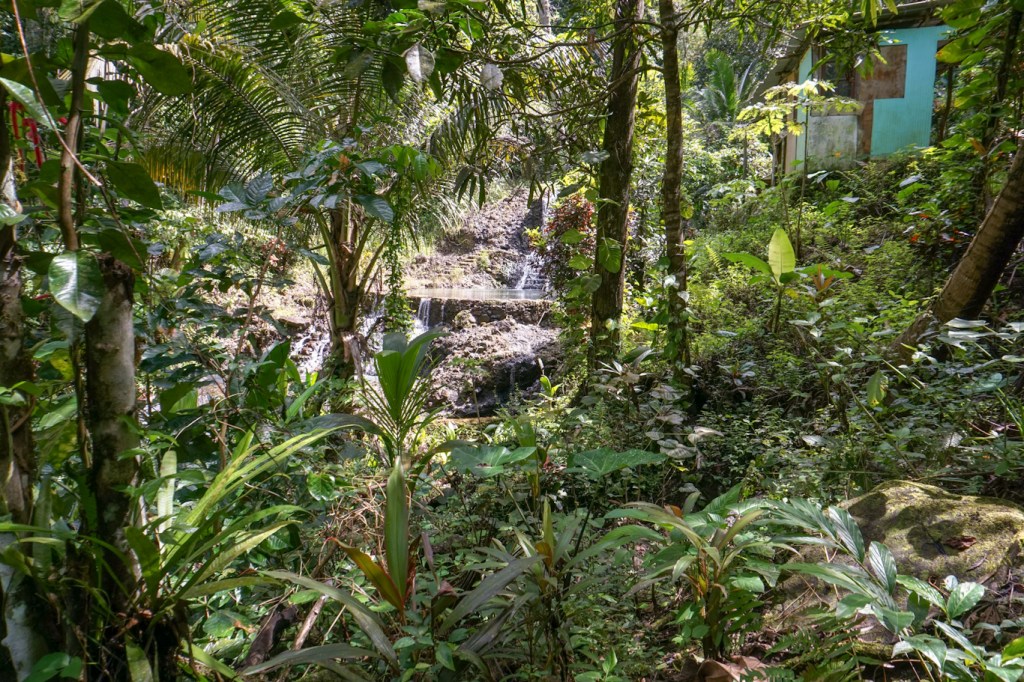
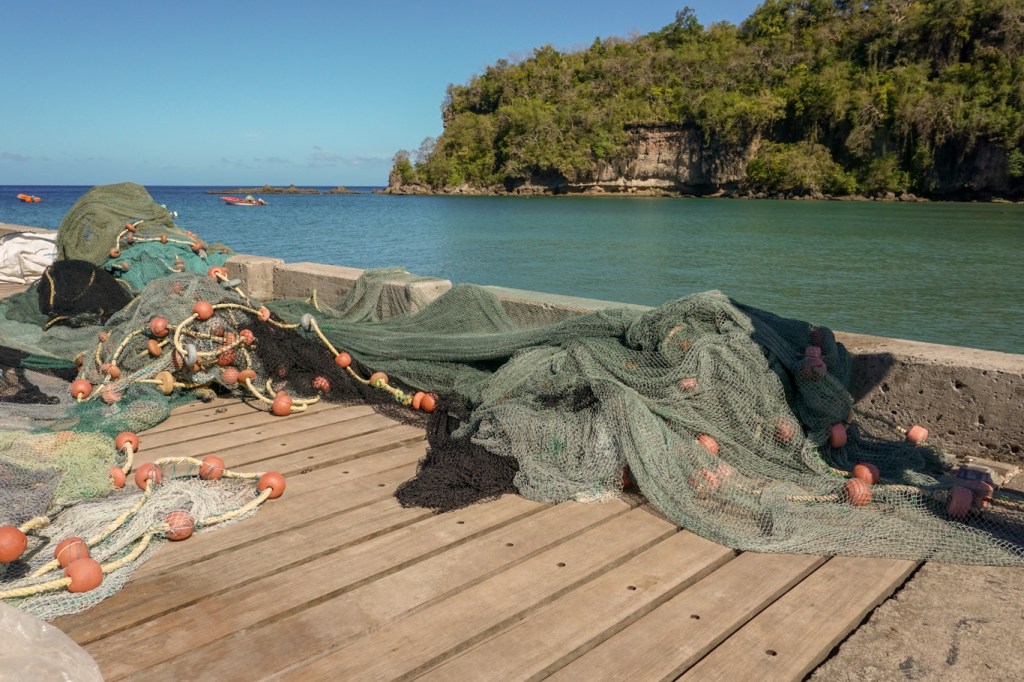
On the day we visited the small fishing village at Anse La Raye, we hiked up the track to the scenic River Rock Waterfall in the middle of the woods where there was a barbecue site and a small bathing area. At least I went all the way, meeting the owner of the site who was organising some mowing of the grassy part of the track. He explained that he also works as a chef in one of the local all-inclusive luxury hotels and confirmed that most visitors perhaps leave the hotel only once during their stay. Kindly he waived the charge for me walking to the waterfall but he knew I hadn’t lingered there and had just walked up to look at it. In the meantime my husband who stopped partway when the track was muddy met a man with a machete who was trying to sell wild cocoa pods without much apparent success.

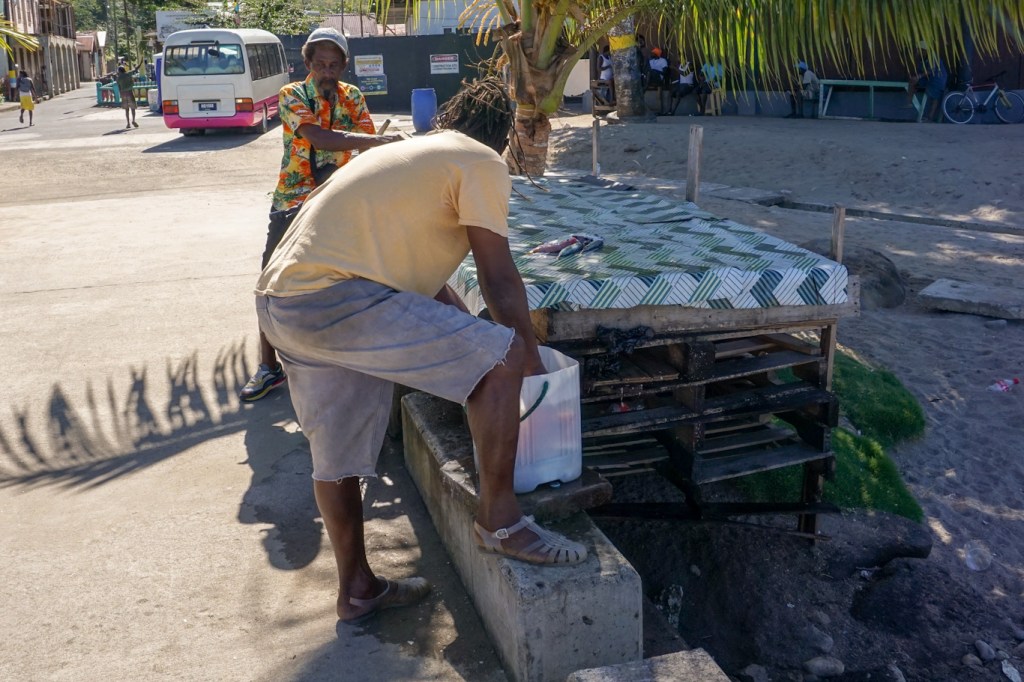
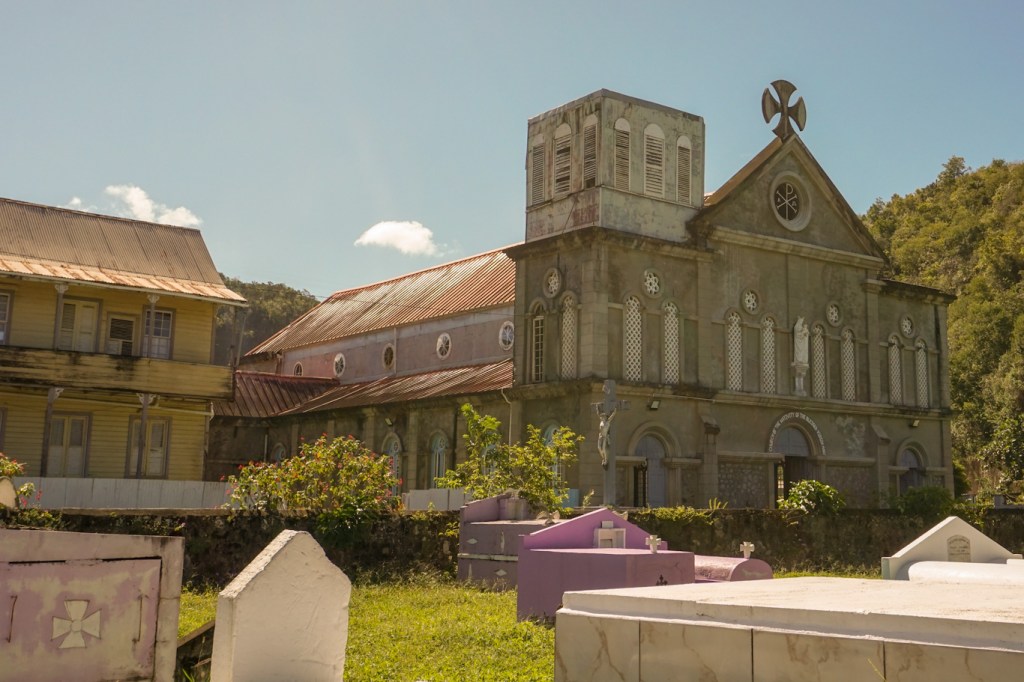
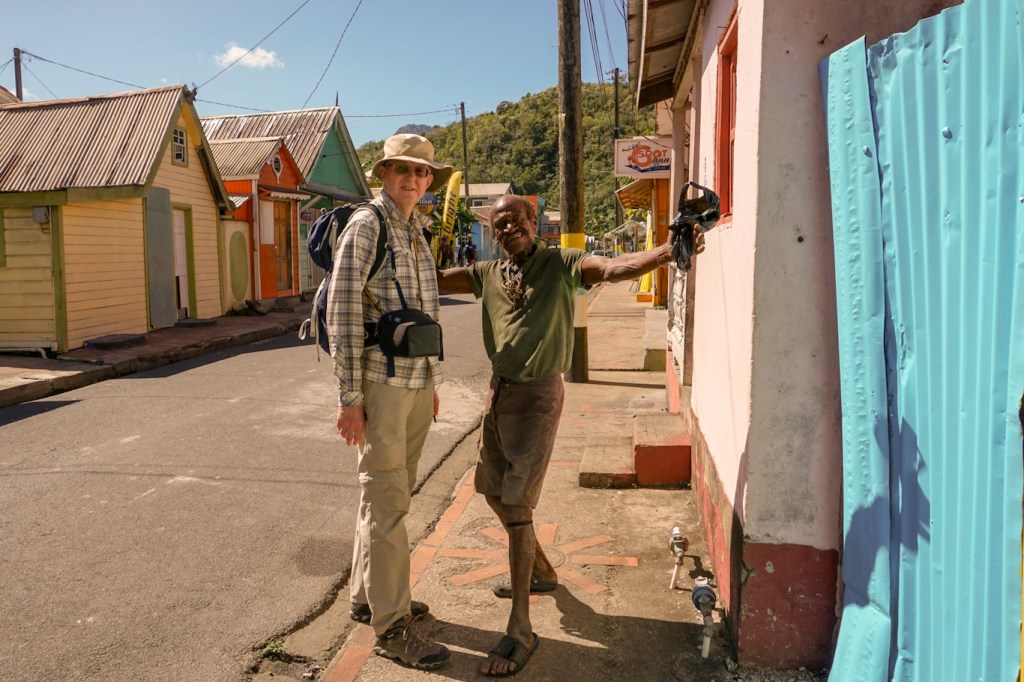
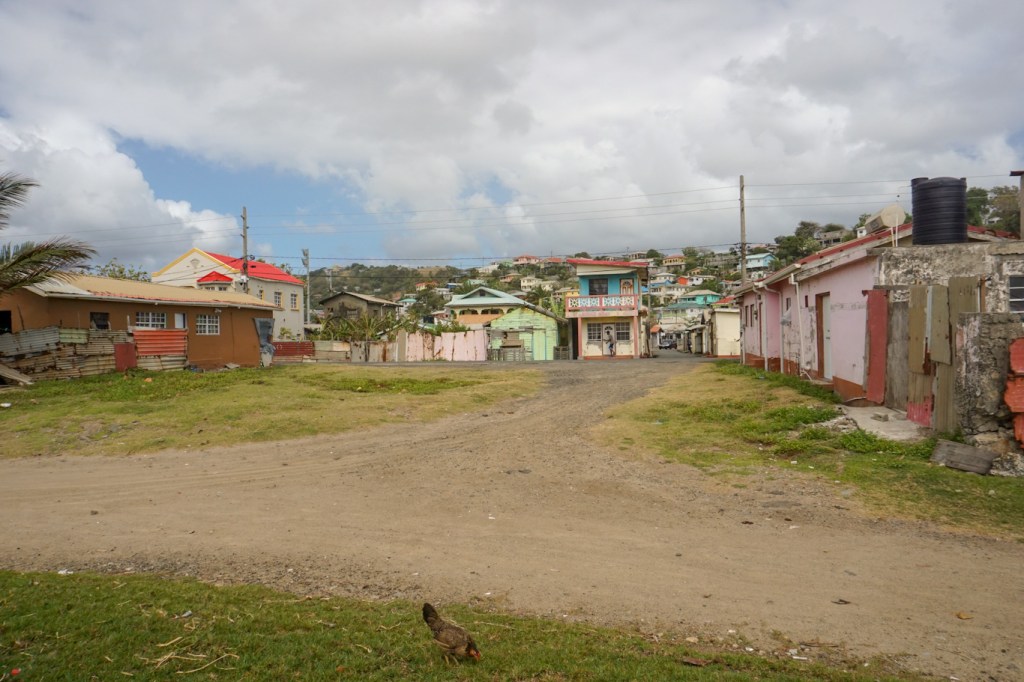
We enjoyed wandering round the village, meeting a local man who was keen to have his photo taken and trying to dodge the parties of cruise passengers who were the only other tourists we saw there. We sat in a park area to eat our lunch of fish which we had seen being gutted by the fisherman earlier in the day.
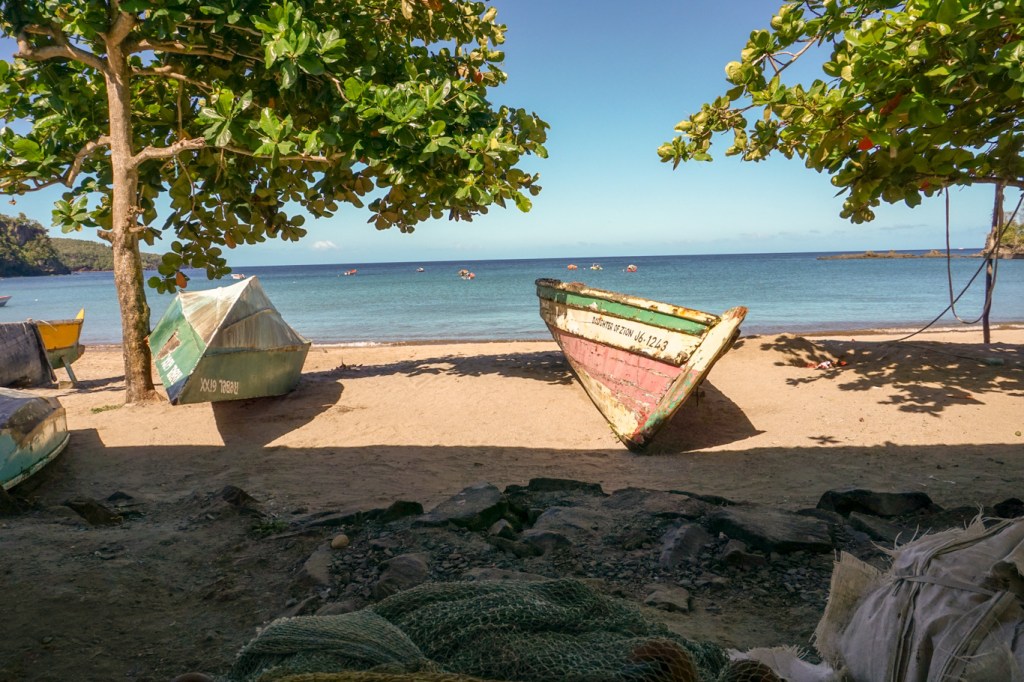

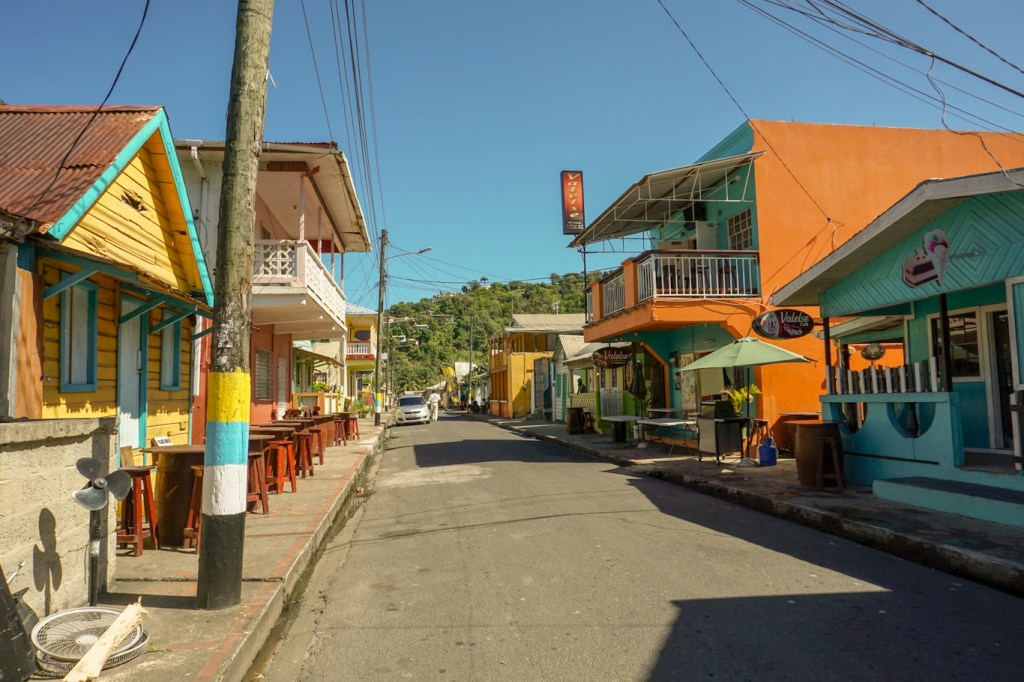
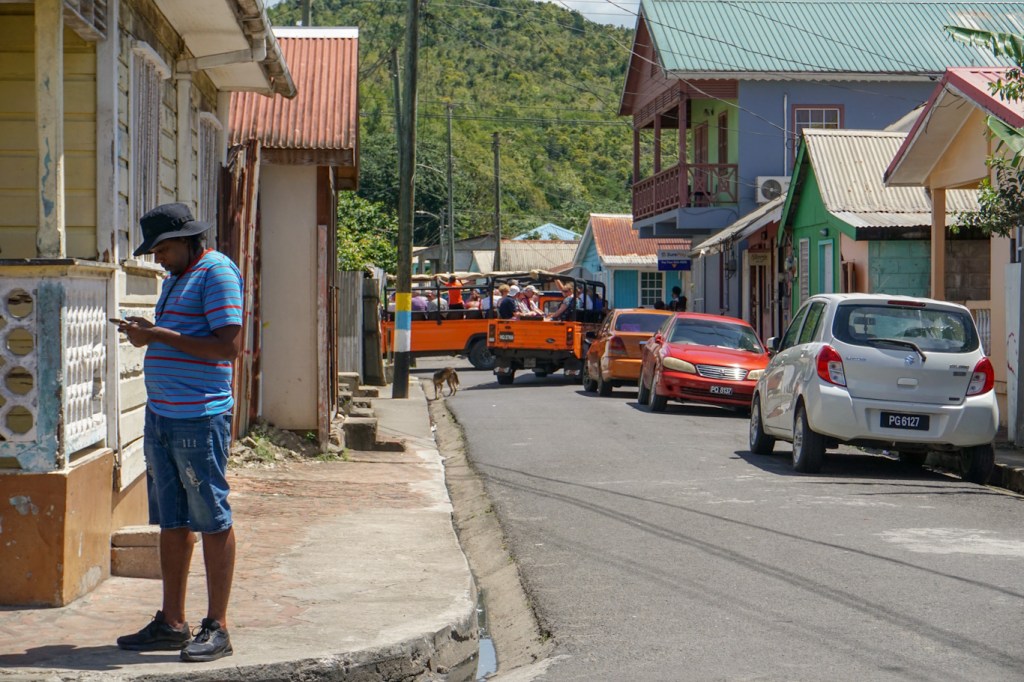
We visited Dennery, another small fishing village, then walked on a small road past areas of plantation where we also saw many birds including a couple of humming birds to the Treetop Canopy Adventure. I booked an amazing adventure going on twelve zip lines, including the island’s longest (800 feet), highest, and fastest, as well as five net bridges passing over the rainforest canopy. The staff were rather bemused to have literally “walk-in” customers as most arrive in a taxi or hire car! They also offered a delicious and low priced lunch.
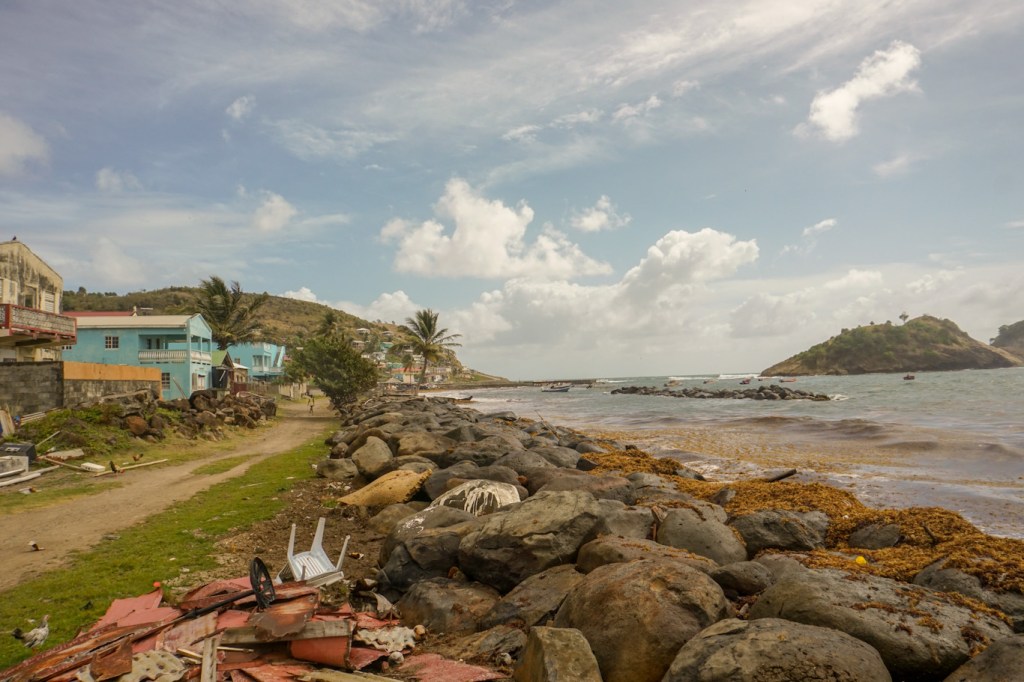
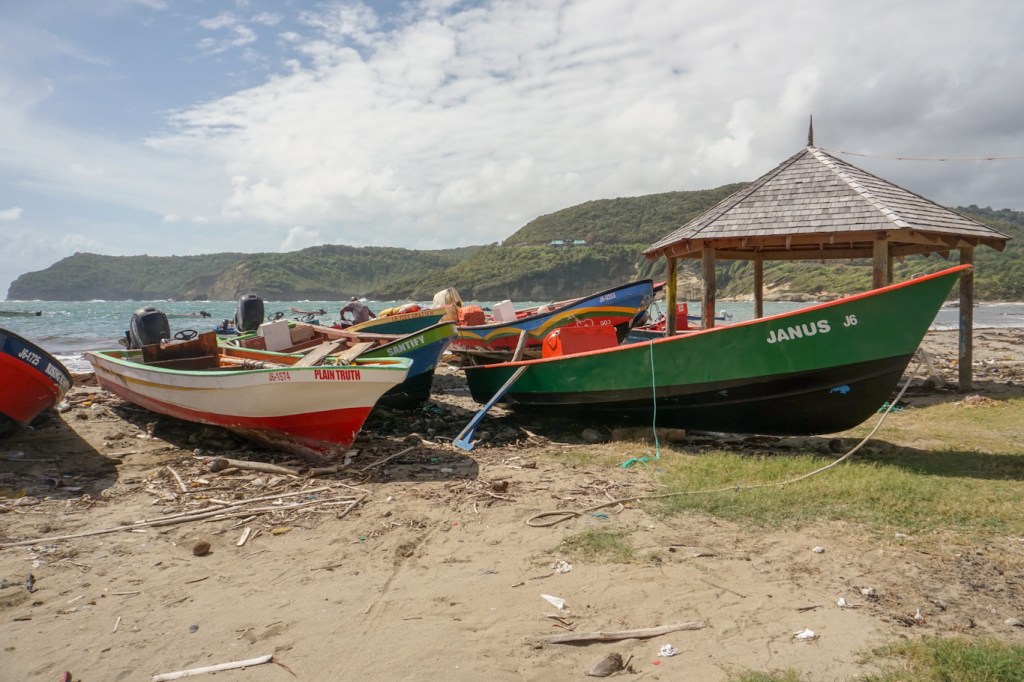
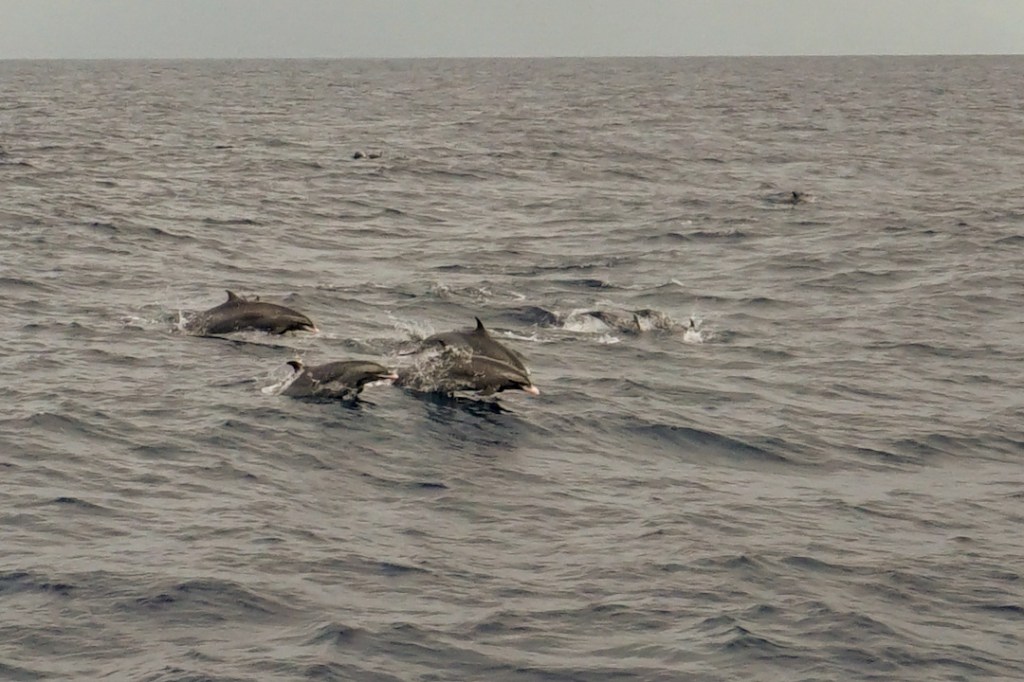
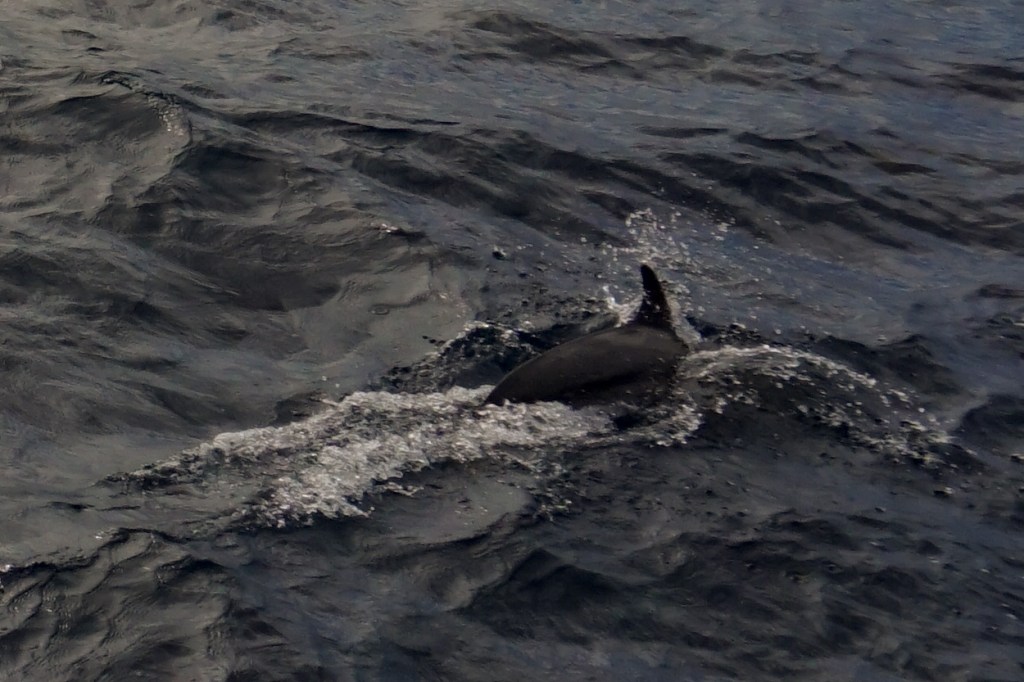
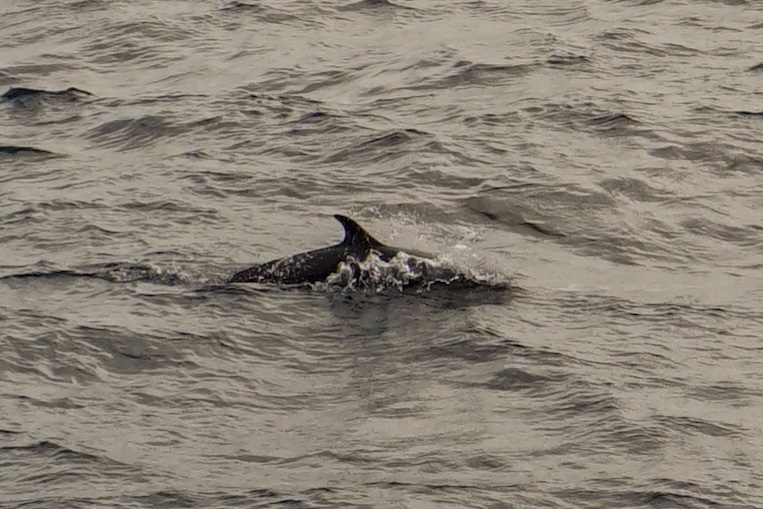
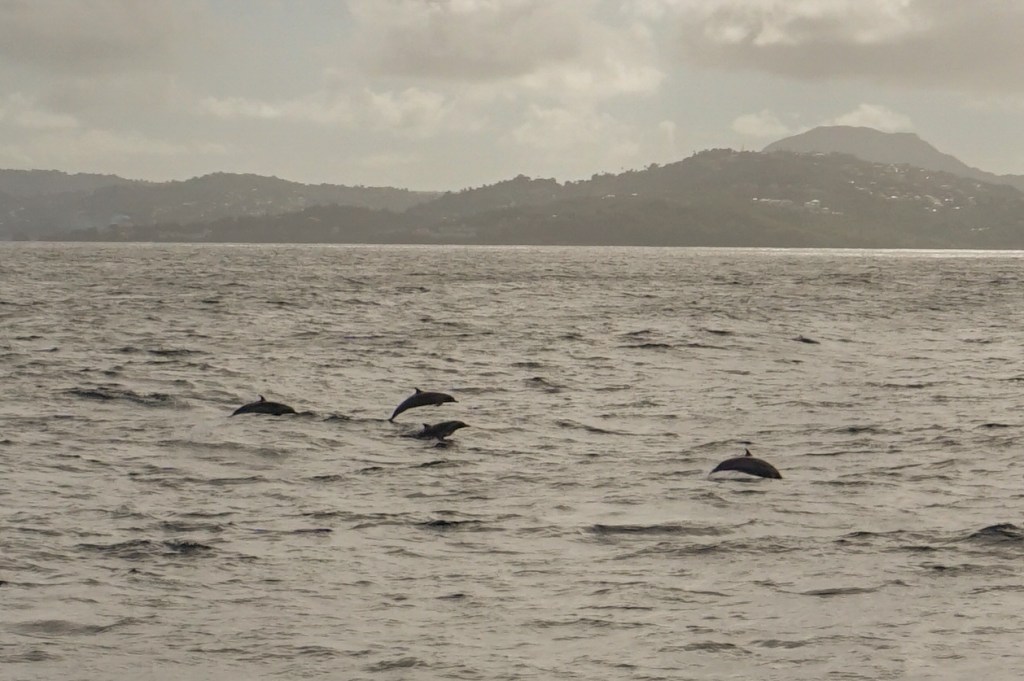
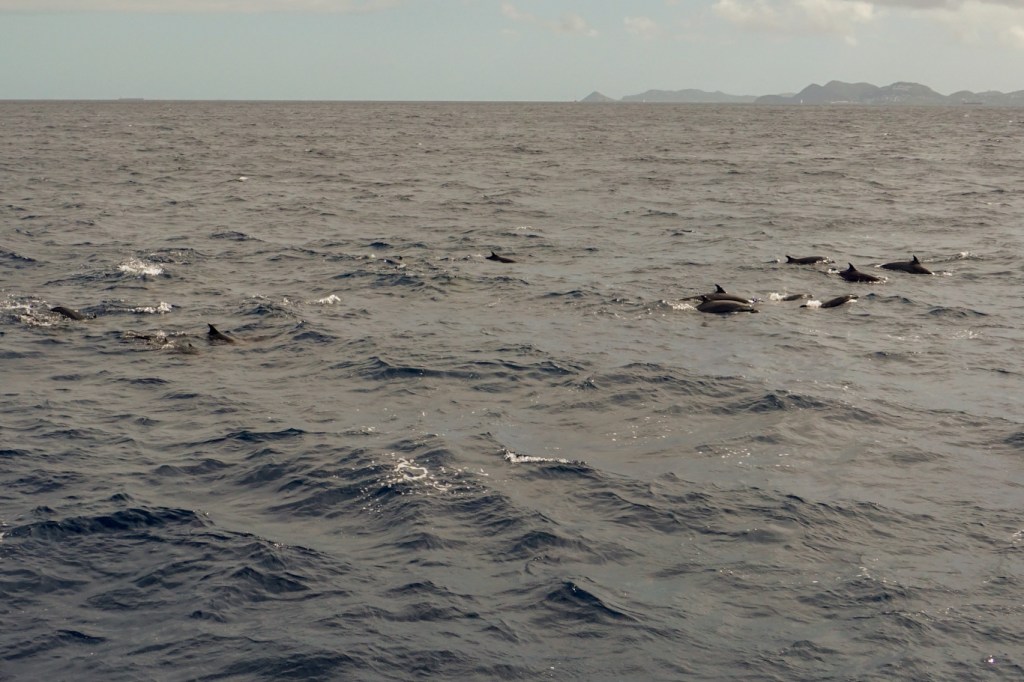
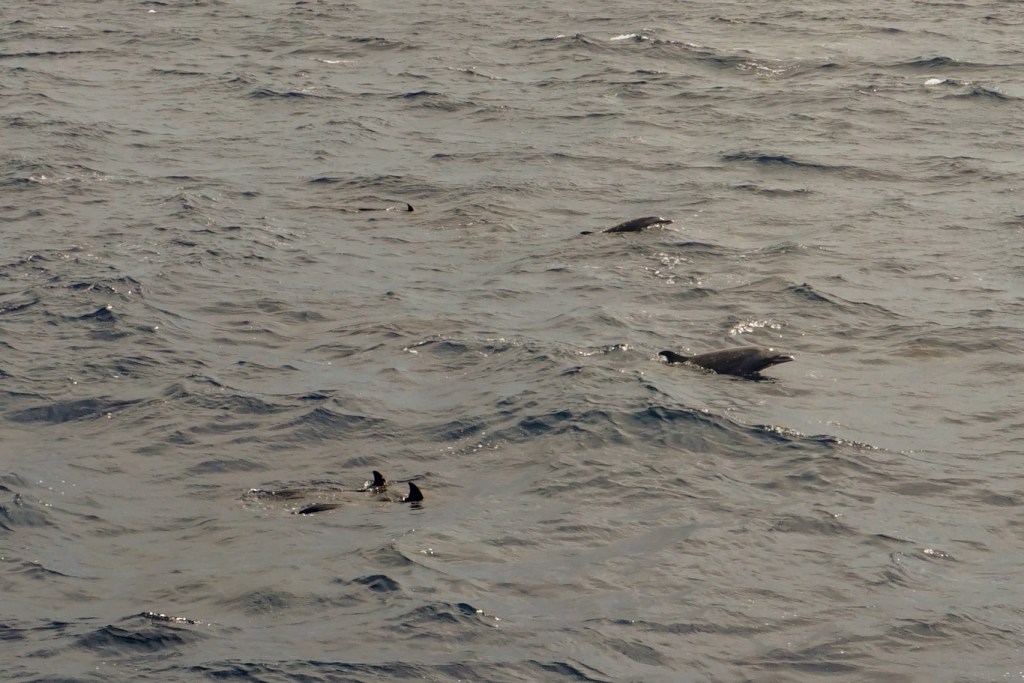
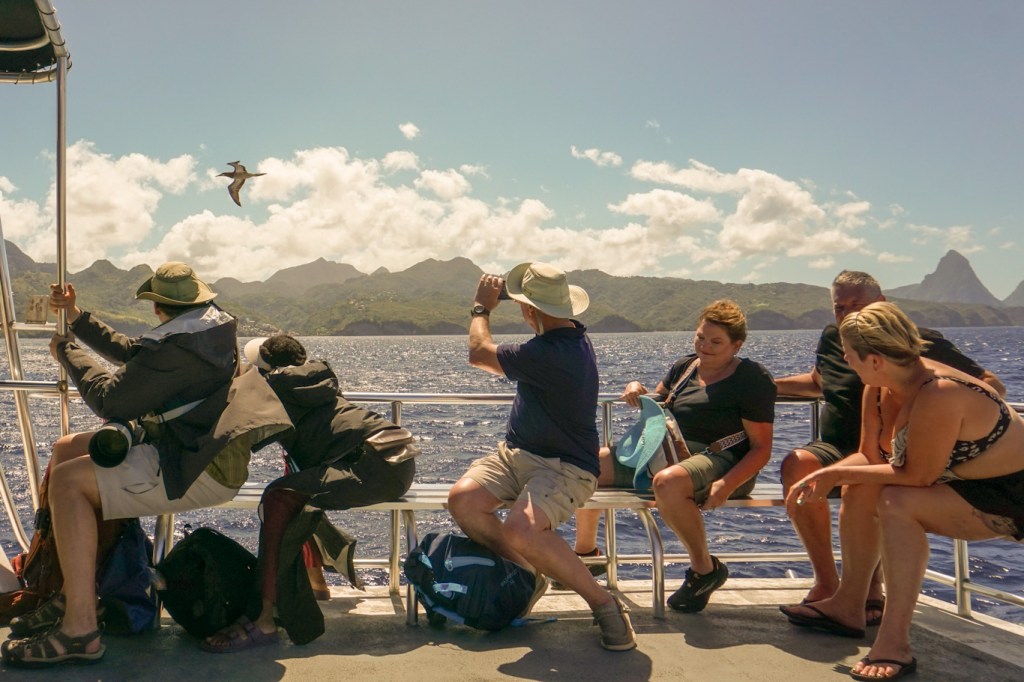
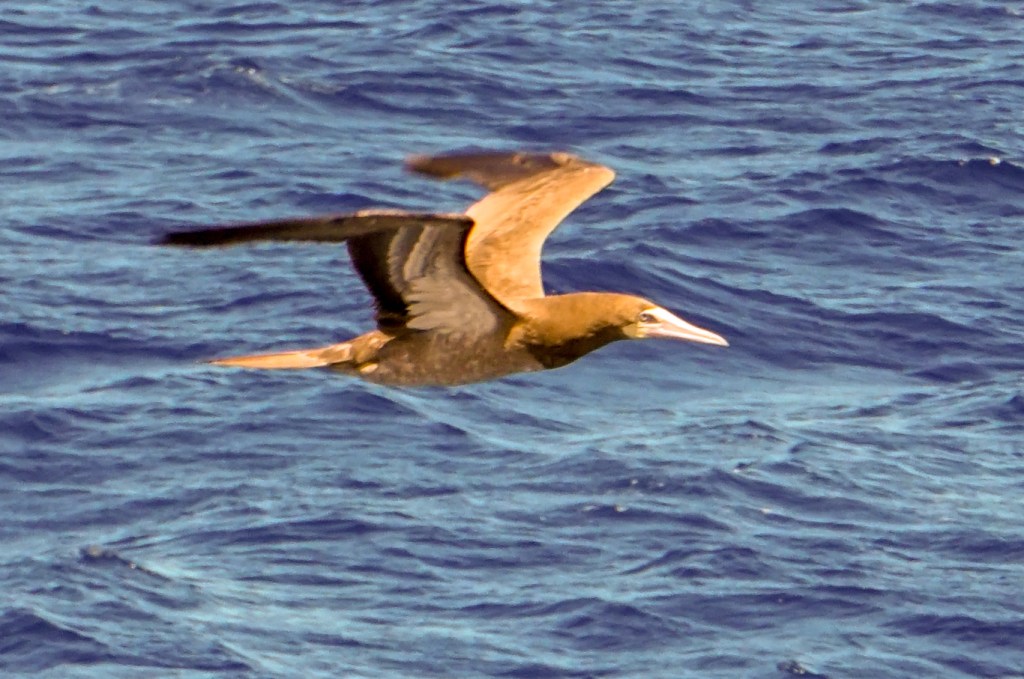
We spent a day as less atypical tourists, joining a group consisting mainly of American visitors, on a whale and dolphin sightseeing cruise from the quay near Vigie Marina. We struck gold with our sighting of a huge pod of dolphins of two different species. The boat sailed alongside the enormous groups of dolphins for a long period. The subsequent search for whales was unsuccessful but we enjoyed great views of the west coast of St Lucia from the boat on the relatively calm return voyage to the quay as well as being entertained by a following brown booby bird. We also enjoyed our first taste of rum punch – complimentary drinks aboard.
Near “Captain Mikes” after we landed, we wandered round to The Coal Pot Restaurant. This is one of the island’s oldest (and best) restaurants with prices to match. Apart from us, all the lunch time customers appeared to be affluent locals rather than tourists. This was a completely different cross section of the population from our other lunch spots on the island. Once again we opted for local cuisine which was a fusion of French and creole and ate our meal overlooking the sea inlet in the open air under canopies.
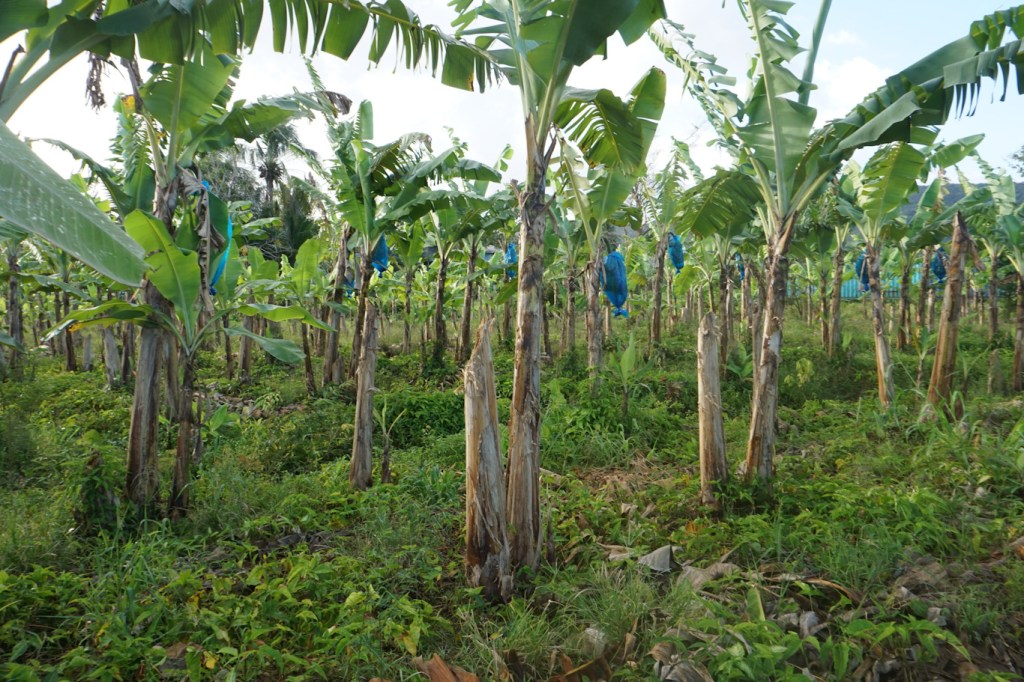
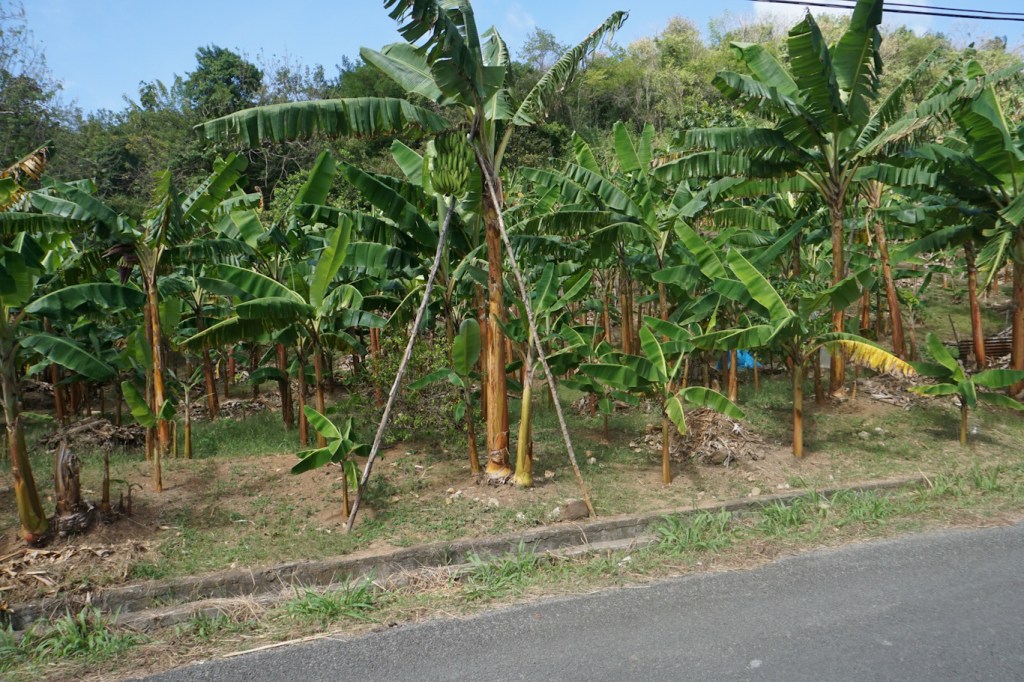
We also had another day when we followed the tourist trail, driven and guided by Joseph as on the day I climbed Gros Piton. We headed to a similar area south of Soufriere. It’s a long journey there on the local buses and there were several sites to visit which would have been difficult to manage by public transport. We stopped next to the biggest banana plantation on St Lucia.
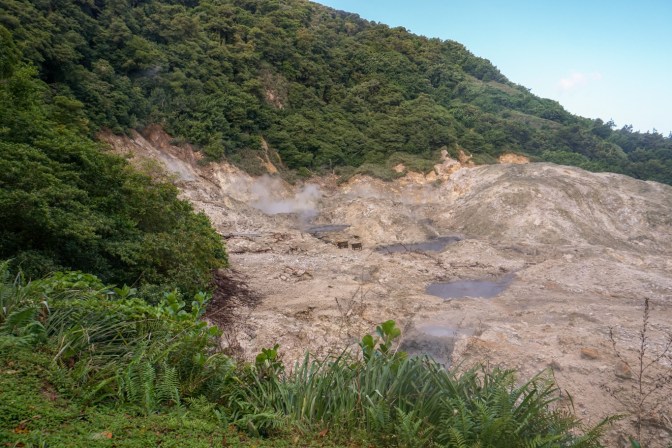
The first big stop was at Sulphur Springs Park, the most active and hottest geo-thermal area on the island. It’s all within a caldera and we could see a few small geysers and bubbling mud pools.
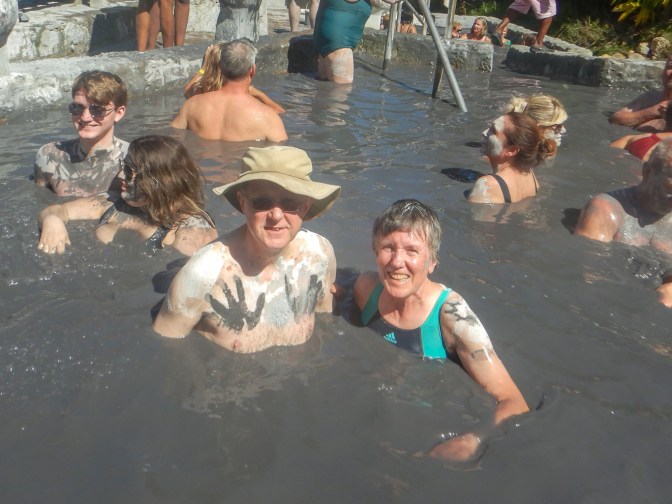
Having learnt about geo-thermal activity in the area, we changed into swimwear and descended to a warm mud bath. After a few minutes in one of the warm geo-thermal pools, we emerged and smeared pale brown mud over ourselves before making handprints on each other with some darker mud. The next step was to descend into the warm pool again to wash off most of the mud.


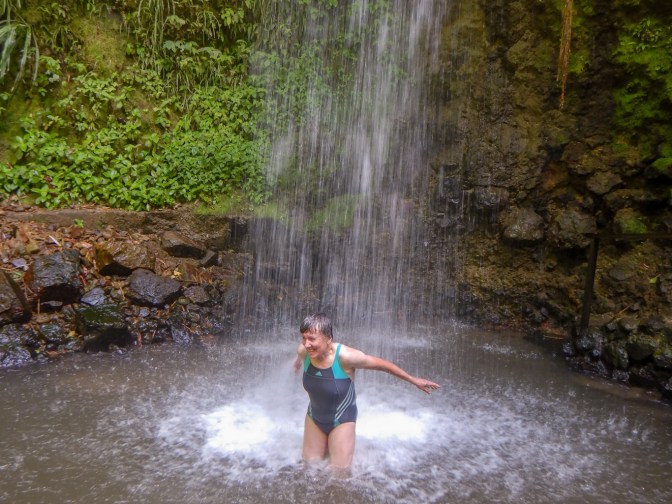
We left the area still dressed in swimwear and sat on towels in Joseph’s car to reach a cold waterfall. The idea was to stand under the powerful jet of water to clean off the rest of the mud….
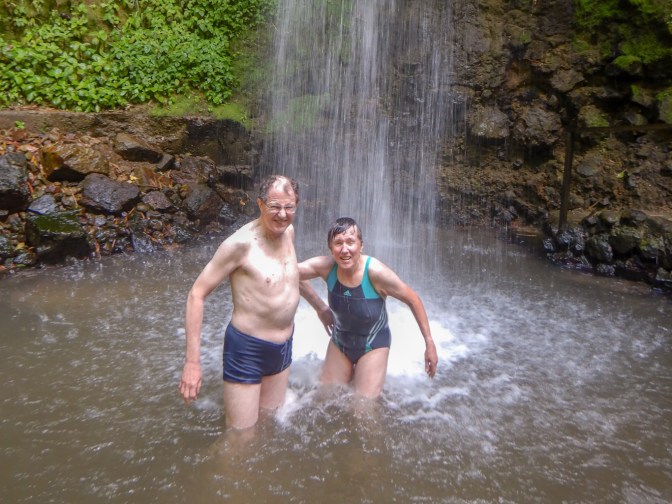
Still in swimwear, we drove further to the Diamond Botanical Gardens. There’s a waterfall here too but it’s no longer permitted to stand under it.
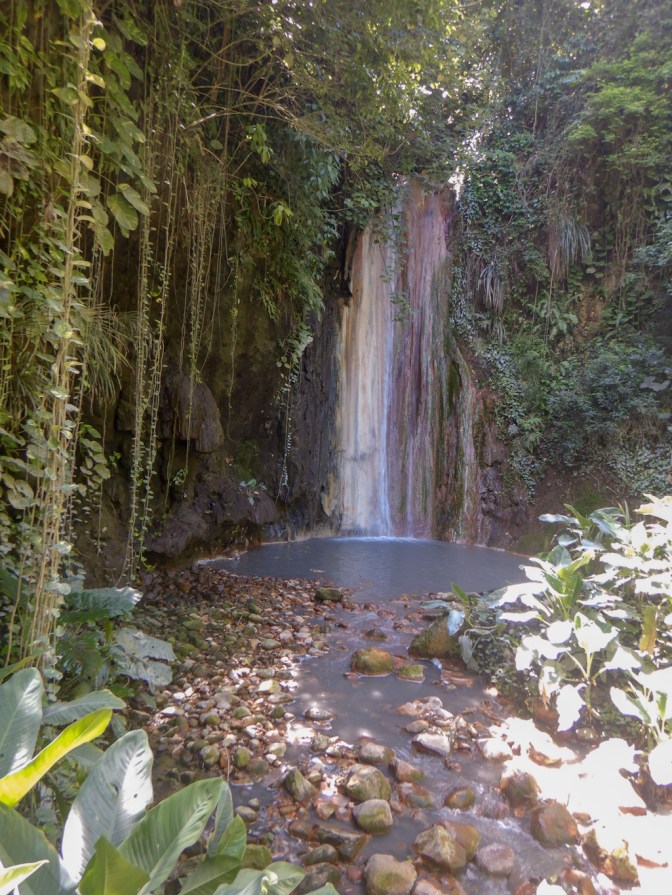
We took a dip in the mineral baths – reputedly an effective treatment for rheumatism and other ailments.

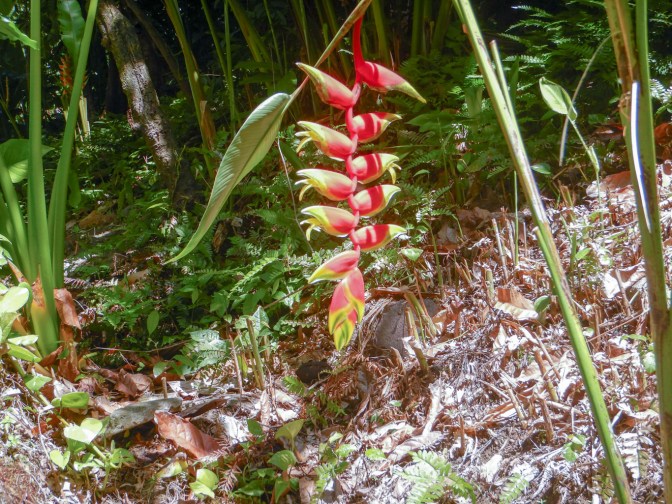
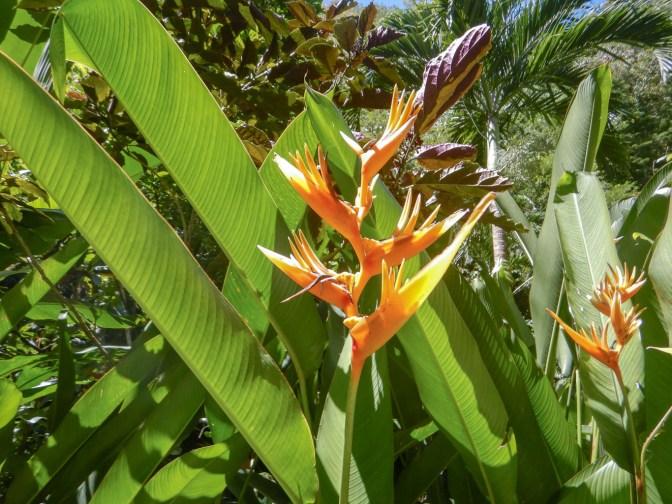
Next we changed back into clothes and wandered round the botanical gardens full of tropical flora.
A traditional beachside lunch with fish and side dishes followed at Soufriere.
In the afternoon we visited a very expensive chocolate shop, a much less expensive traditional premises processing cassava and making various cassava bread products and then a rum distillery where there was an opportunity to sample up to twenty-four different types of rum!
We certainly had a varied stay and a lot more contact with local people than most of the other tourists we saw on the island. I would have loved to spend more time trekking through the rainforest but with the need to walk with accredited guides and our reliance on the local buses for transport this would have been difficult to organise. We had expected there to be a couple of tourist information centres in Castries, but in fact these were only open when the cruise ships were in port and mainly appeared to oversee those cruise ship passengers catching transport for their excursions. On our single encounter with the centre, the member of staff tried to be helpful but in fact was merely researching information on-line which we had already done ourselves.
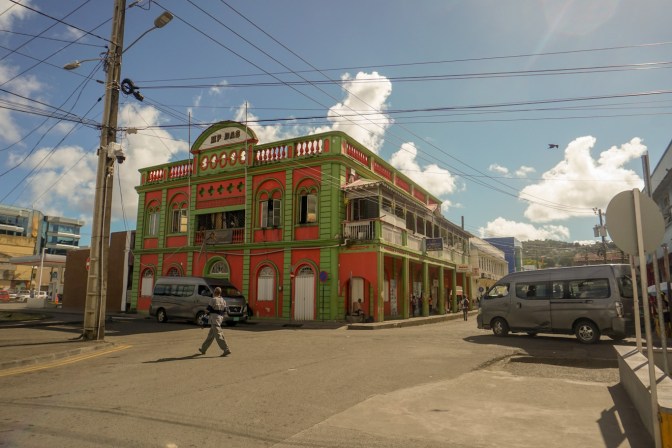
However, our encounters with local people were all extremely positive and friendly, even the security people who turned us away from paths which no longer existed. Once people knew we weren’t cruise ship passengers and were staying on the island for several days, even the most vociferous taxi drivers gave up trying to attract us. We enjoyed very positive conversations with local people in the villages who seemed pleased to see us wandering around “ordinary” parts of the island (although far from ordinary for us).
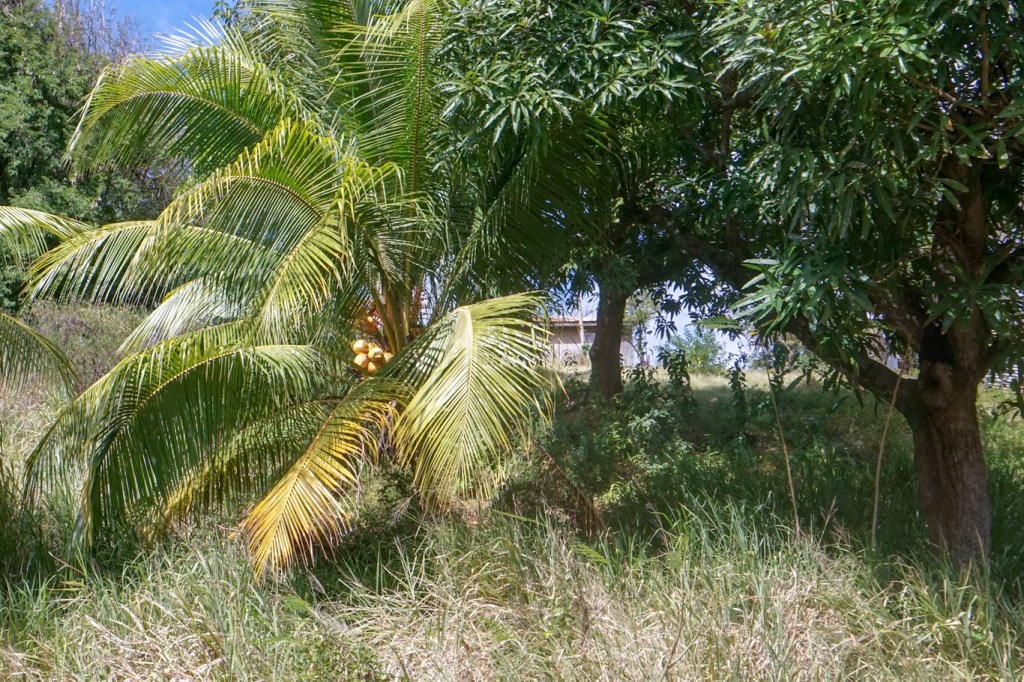

Each day, as we walked into Castries, numerous people smiled and said good morning.

We had been warned about the risks of “bandits” trying to steal our money and possessions but either we were fortunate or the risks aren’t as high as they have been in the past or are sometimes made out to be. However we took care that we didn’t stray on to the back streets in the towns and didn’t go out after dark.
Overall our Caribbean experience was positive. We visited many of the tourist destinations but also wandered around some of the less touristy parts of the island.
We met welcoming and friendly local people from many parts of society. We enjoyed local food at all ends of the price spectrum including our own attempts at Caribbean cuisine with local produce. Our experience was of a warm welcome to a friendly island. As Joseph reminded us many times “no pressure”!

 Where's Kathryn?