25 July 2023
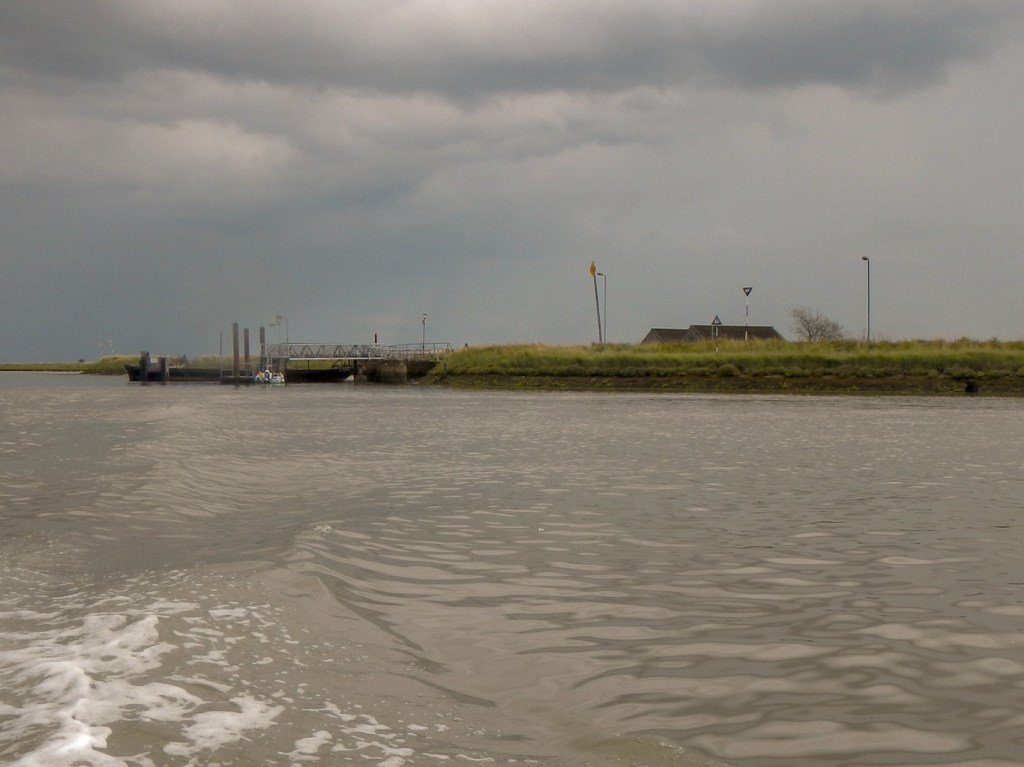
It was a privilege to be able to book a visit to this unique site. Access is only available to the internationally significant coastal nature reserve, complete with its fascinating 20th century military history, on a small number of days each summer. Moreover, numbers are limited and booking necessary as the only way to get there is on the ferry Octavia, run by the National Trust. It’s not a true island, but there is apparently an un-crossable fence on the shingle soon after leaving Aldeburgh. Hence effectively it’s an island – although the barrier on one side isn’t water but rather the fence erected for safety due to possible unexploded weapons as well as to protect fragile habitats.
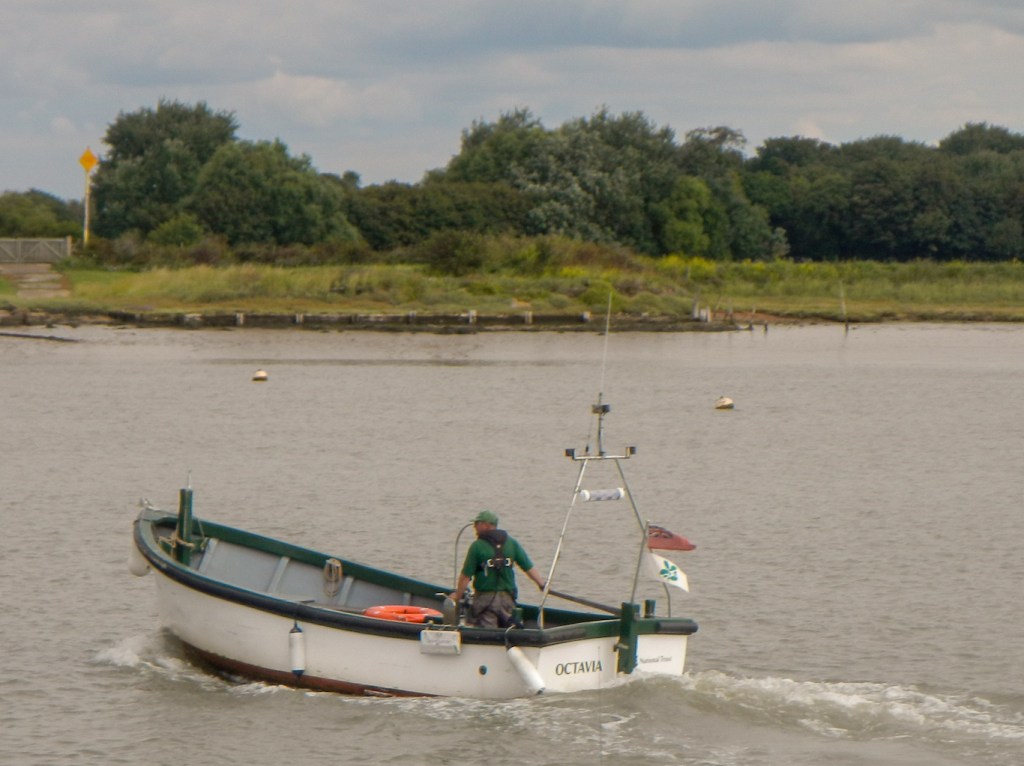
Once across on the ferry, the National Trust volunteers explain that it’s important to keep to the paths as they can’t guarantee the absence of unexploded military debris off the path. We had to hand in the tokens we had been given for our ferry crossing. We were told to collect them for the return journey – that process ensures no-one is left on the site at the end of the day.
The volunteers are all extremely enthusiastic and interested in the site – some of them had worked there when it was a military research station.
We walked round every open footpath and visited all the buildings that were accessible. The path across the airfield site was closed in order to help the safety of ground nesting birds and their eggs / chicks.
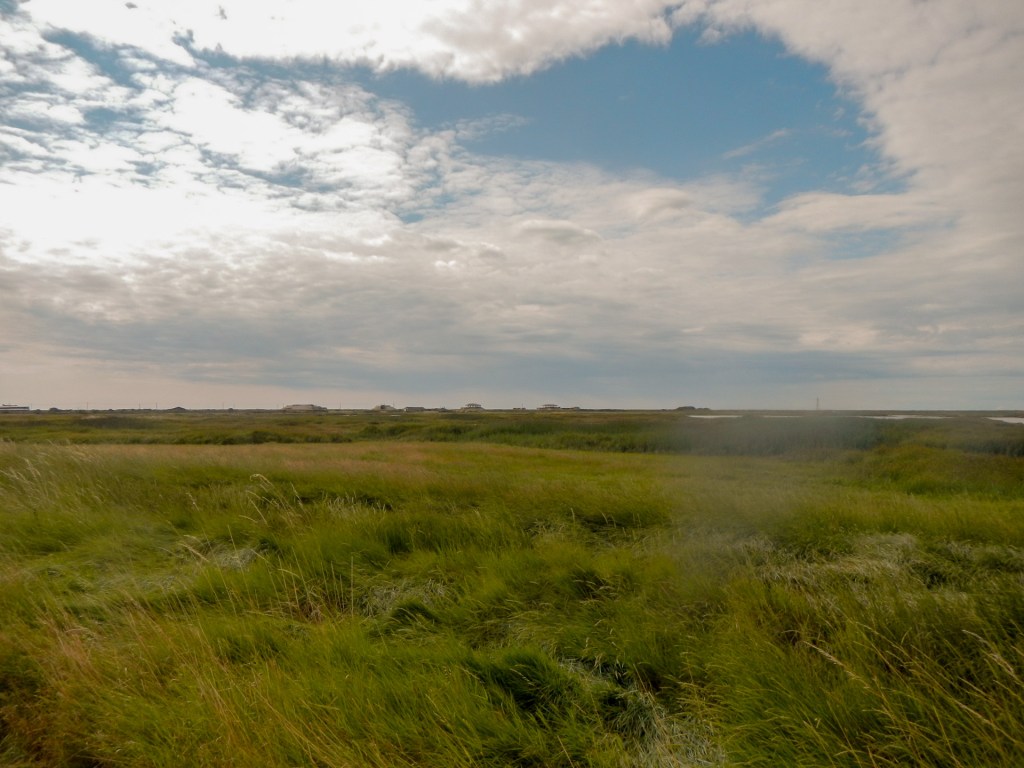
Orford Ness is Europe’s largest vegetated shingle spit. It is one of only three major shingle landforms in Britain and is unique in that it combines a shingle spit with a foreland or “nose”. The spit is formed almost entirely of flint deposited by waves through the process of long-shore drift. Over time, this process leads to the formation of stable ridges of fine particles, and hollows of coarser shingle. The Ness is a dynamic landform subject to erosion and deposition with daily effects due to the waves and tide, seasonal storm events and long term effects due to climate changes. There are ecologically important areas of shingle, tidal rivers, mud flats, sand flats, lagoons, grassland and salt marsh.
The site is of national ornithological significance. It is also of botanical interest supporting numerous rare plants as well as being an area where many nationally and internationally rare invertebrate species are found.
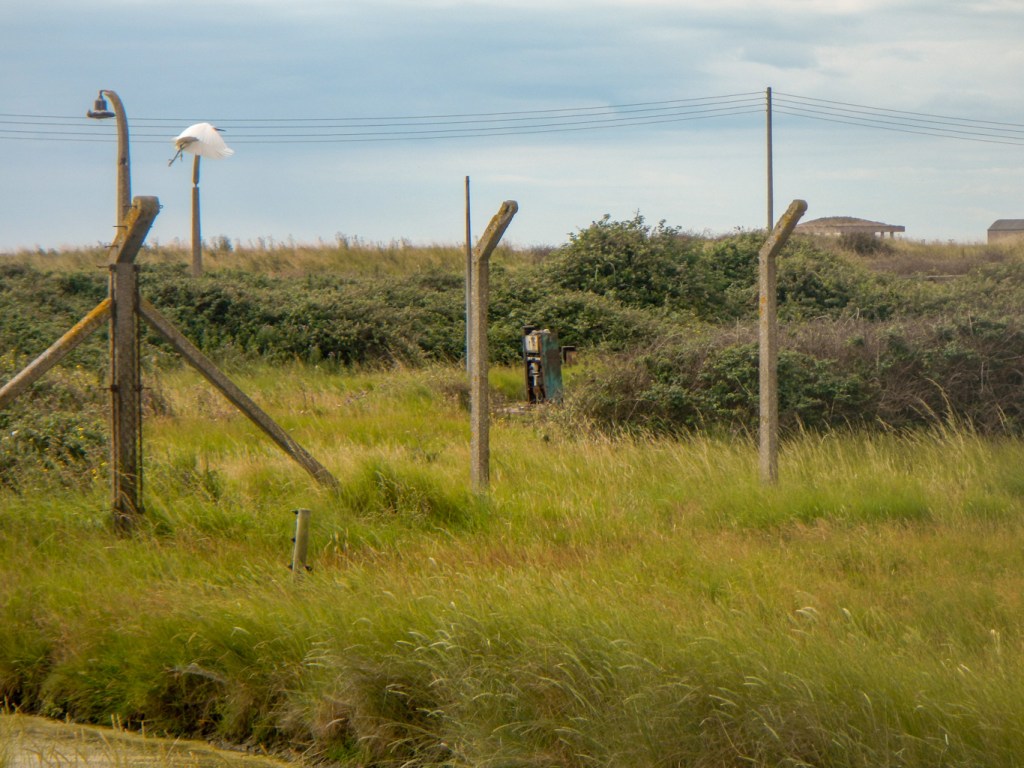
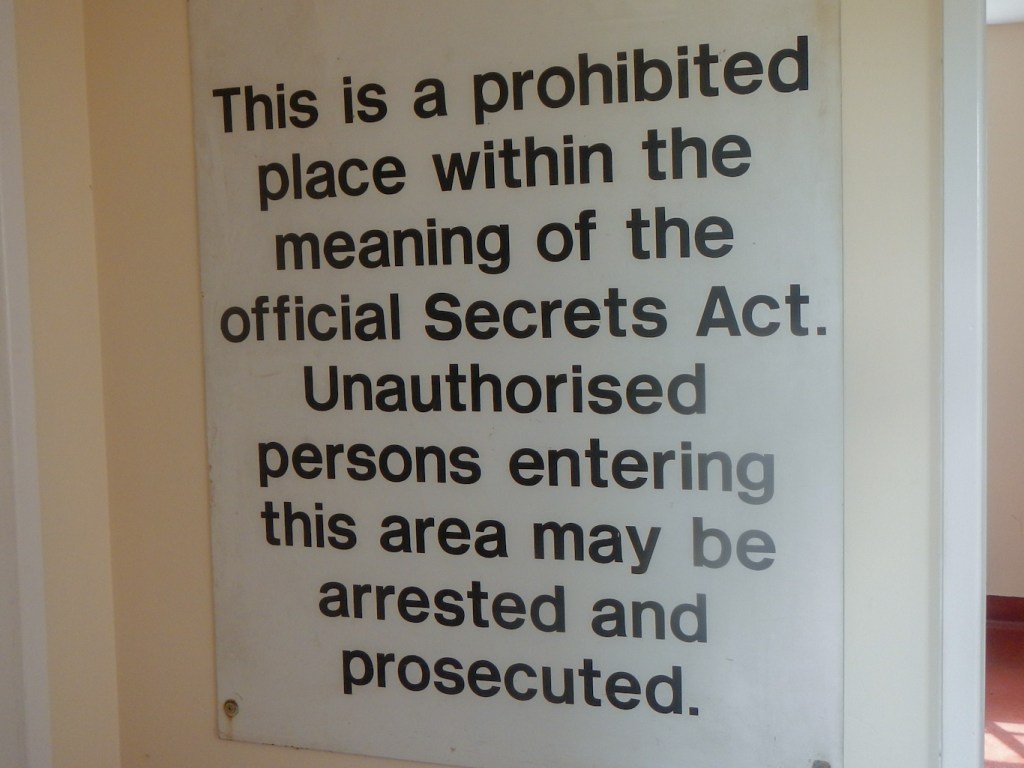
However the Ness was also the site of experiments in radar, defence systems, bombs and atomic weapons, some of which affected the course of World history. It was amazing to be able to read information in the exhibition area and then go out and see the actual buildings where this ground breaking work had taken place. Much of the work that took place remains secret although it is likely that over time further information will be released. Historically important buildings have been restored or are currently undergoing restoration, while some have been removed as they were so derelict and potentially dangerous. As far as possible, walls, footings and concrete bases have been left – and of course full records of the buildings were made before their demolition.
We spent several hours exploring, mainly concentrating on understanding some of the innovative research that was carried out and the uses of the buildings.
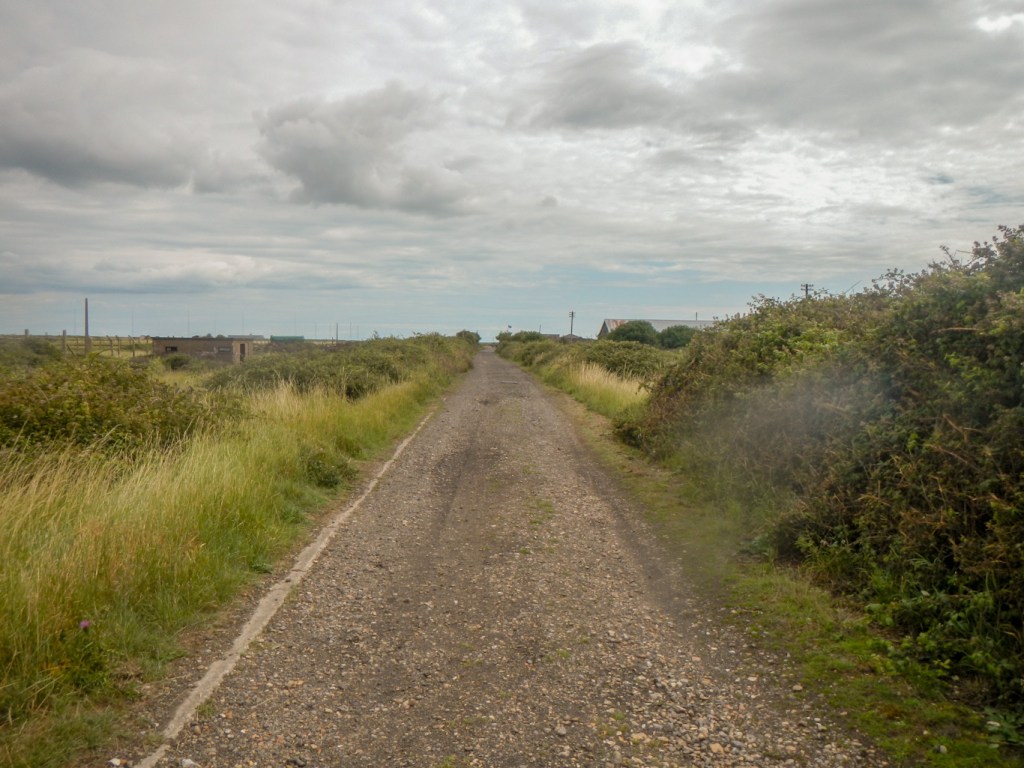
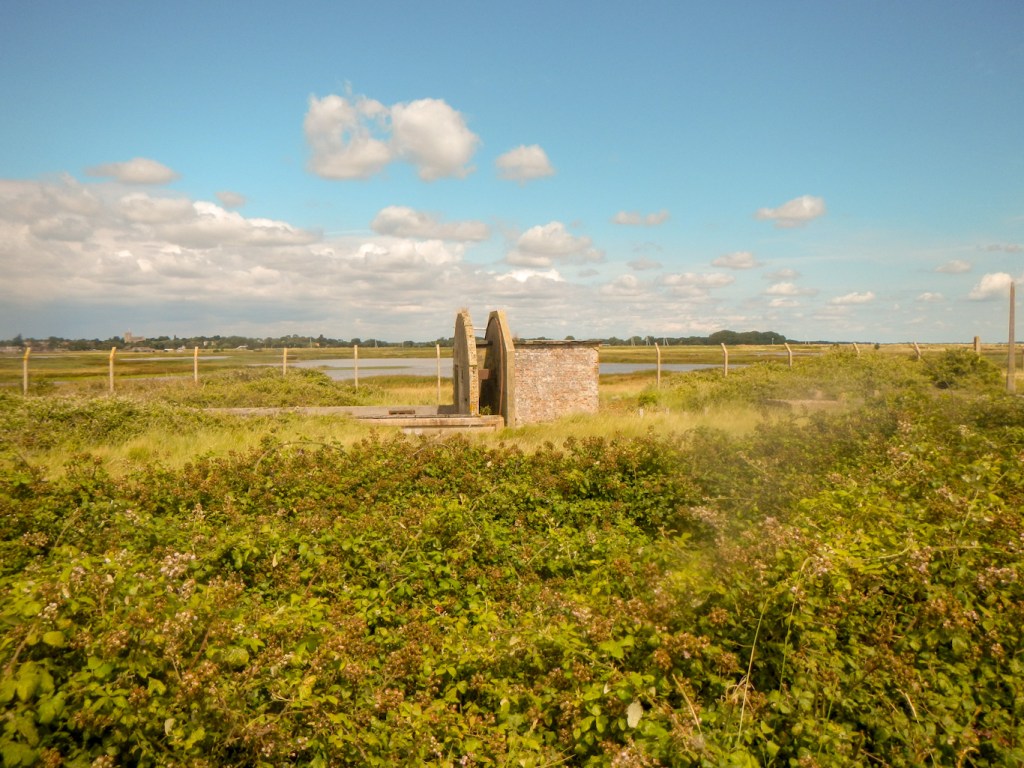
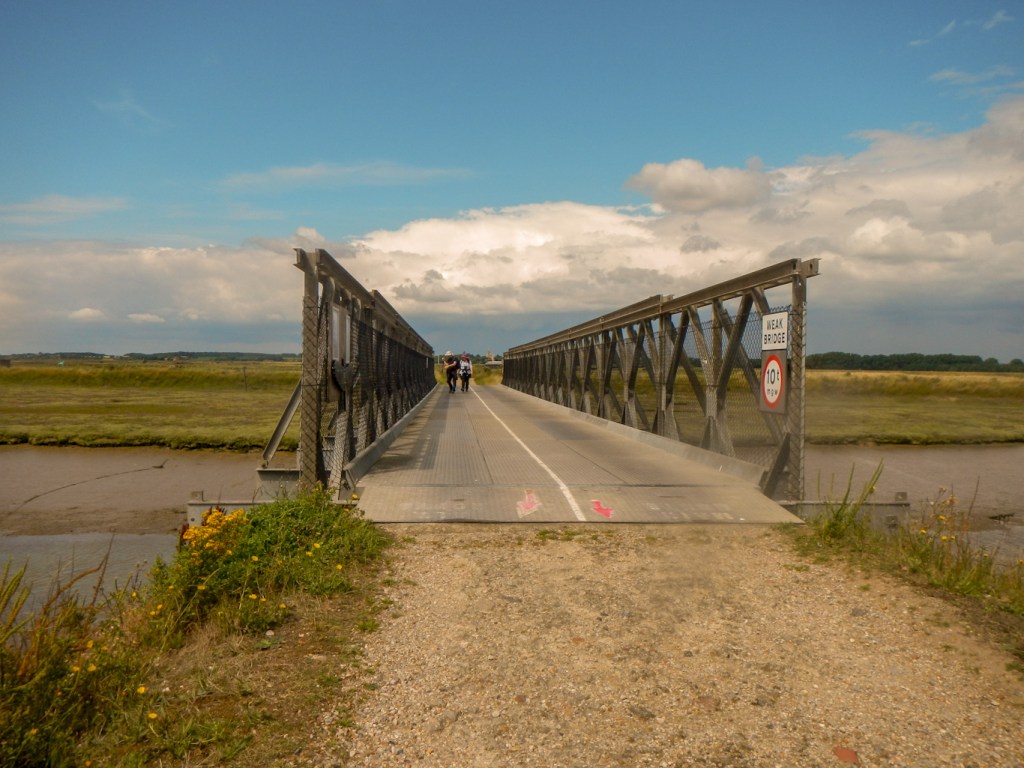
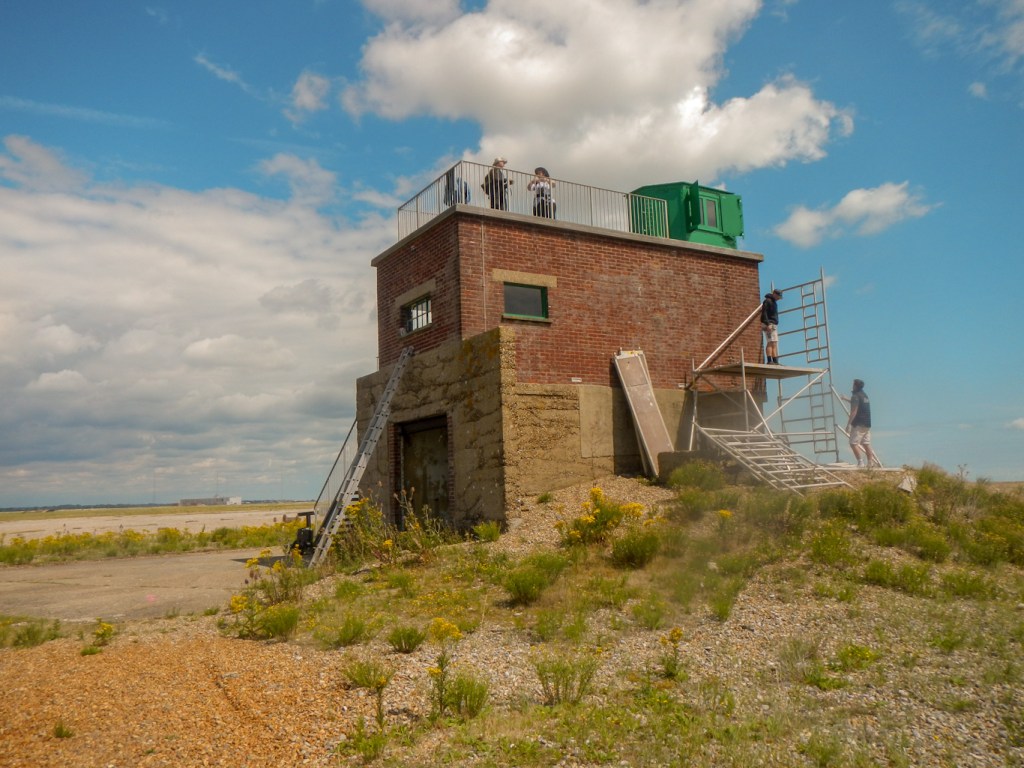

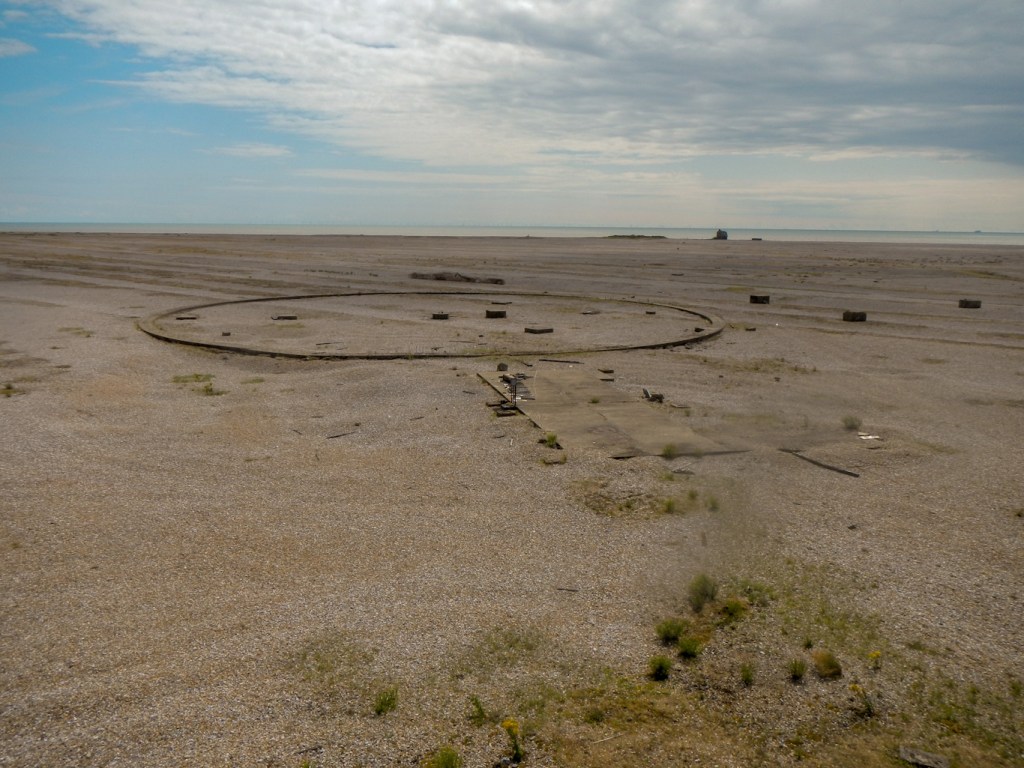
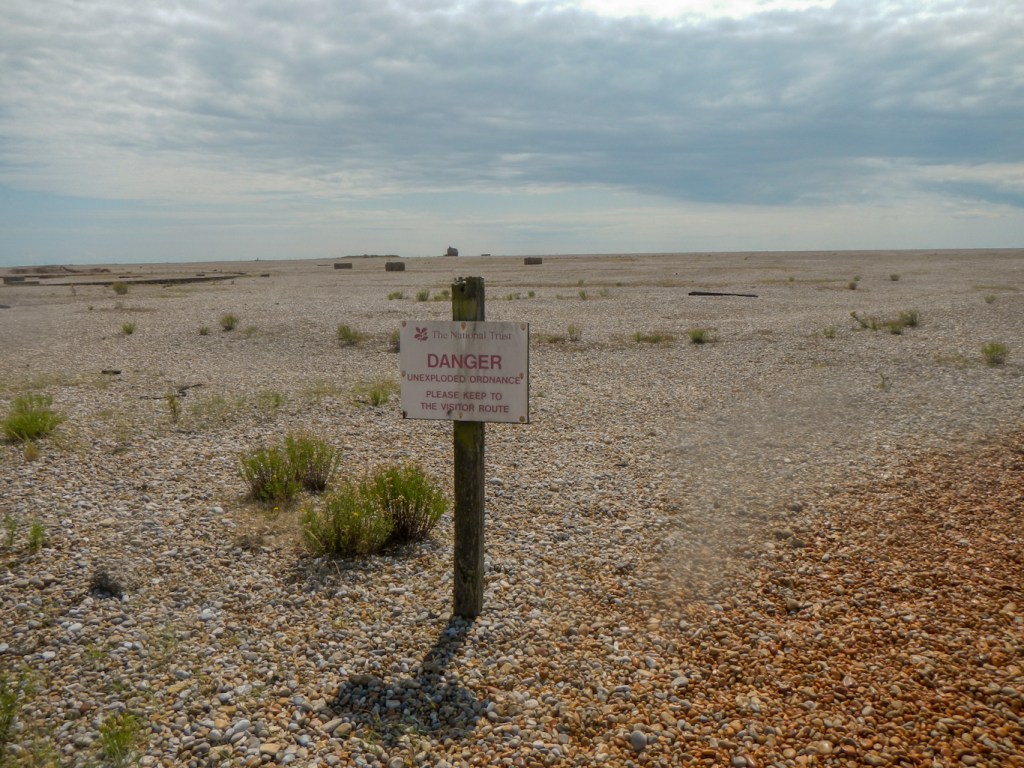
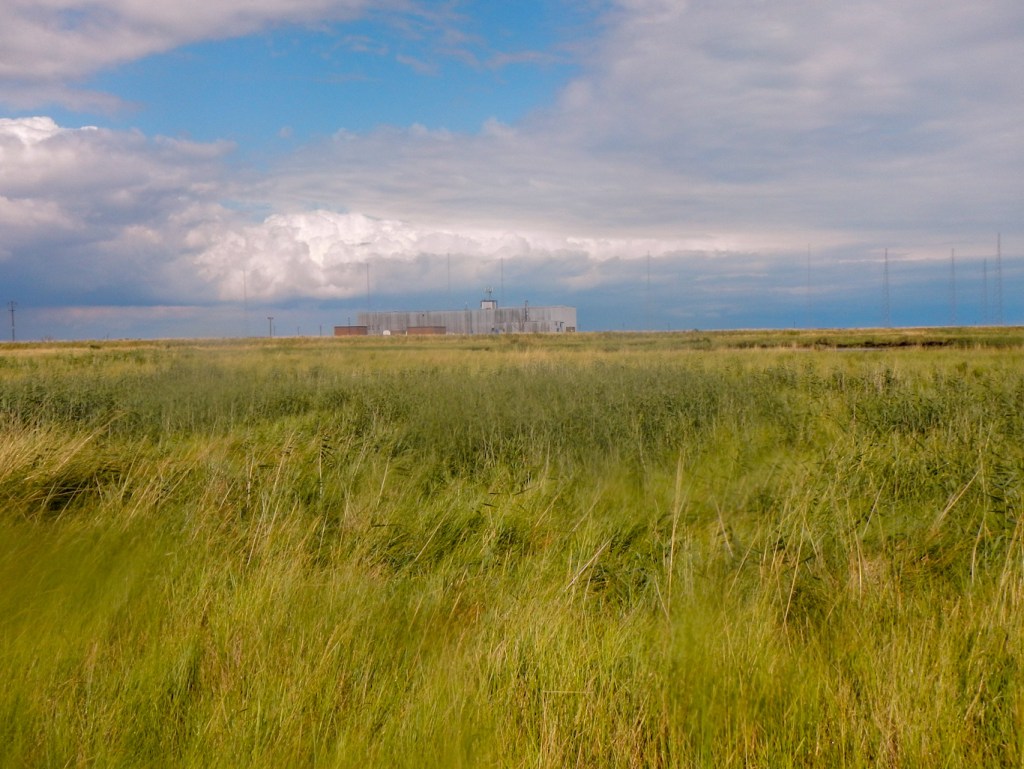
Clearly there is scope for lots of different types of adventure and exploration – searching and spotting rare flora and fauna; looking at the geo-morphology of the spit; seeking to understand the ground breaking research and development that were carried out here which has been released into the public domain and the ongoing release of new information revealing further secrets of the area.
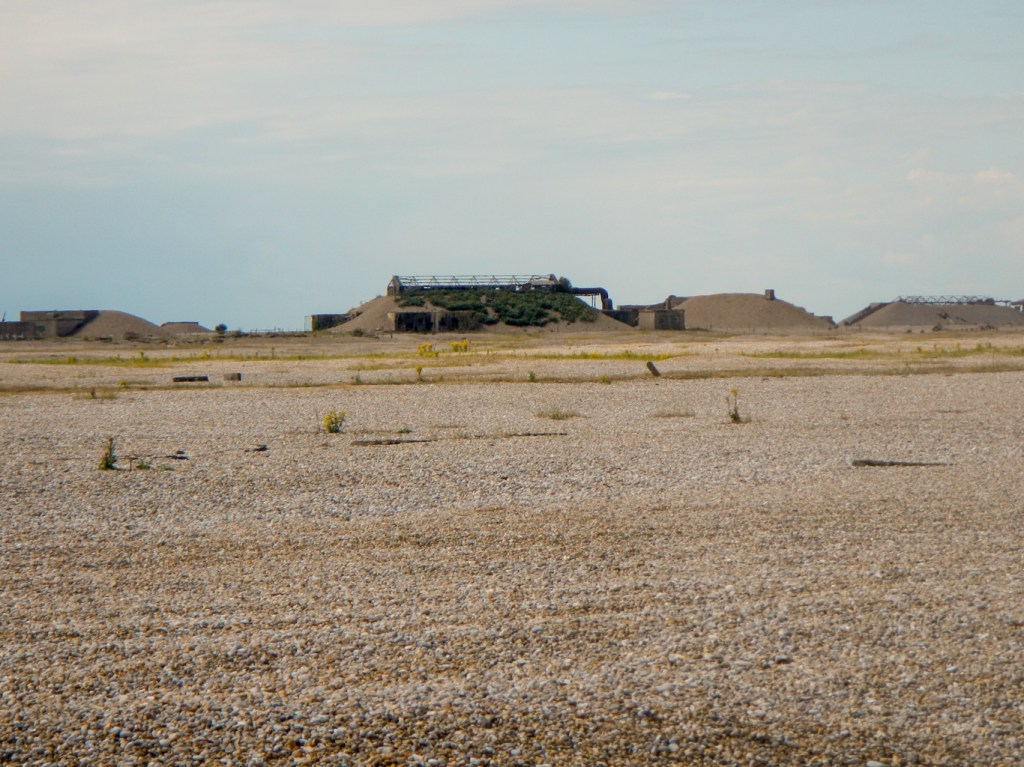
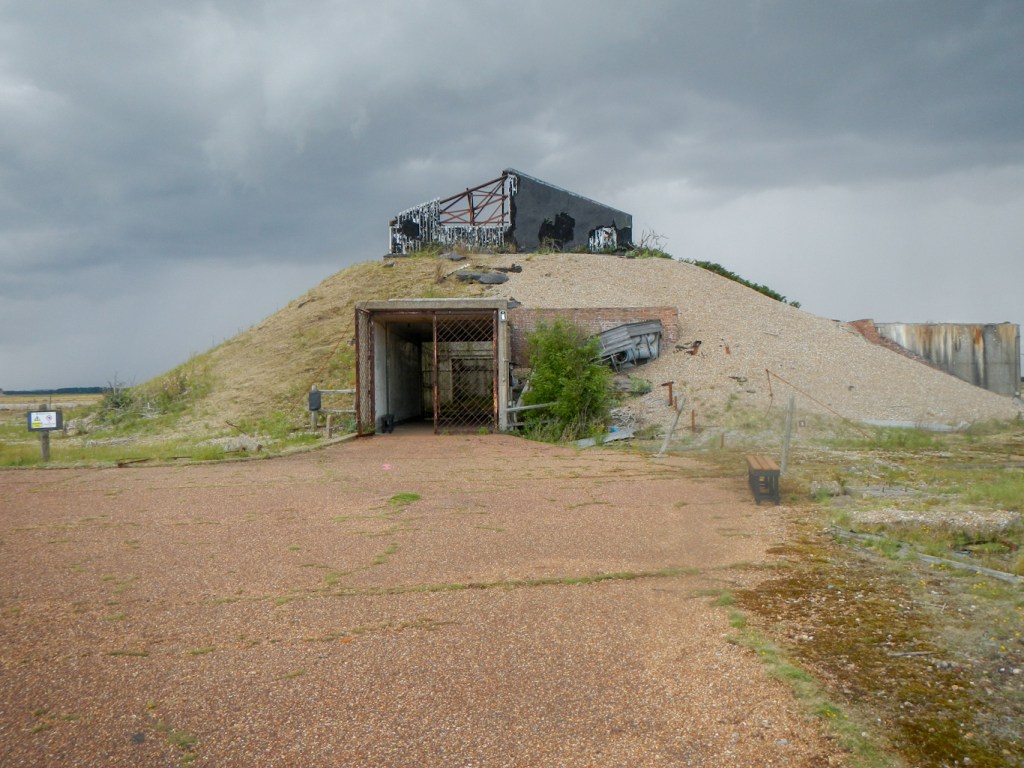
The overall impression is of the huge scale of the shingle spit. The heavy but short shower of rain during our visit accentuated its exposed, lonely, hostile and wild nature. Ongoing natural processes contrast with transitory man-made dereliction. This is indeed a special place and well worth visiting. It is quite unlike any other National Trust property that I have ever seen.

 Where's Kathryn?