3-6 April 2023
The discovery that I could buy an advance rail ticket (less than two weeks away!) with senior railcard discount all the way from Exeter to Falmouth for only £6.25 each way led to my last minute plan to spend a few days camping and walking around Falmouth and The Roseland. It’s an amazing deal for a journey that involves almost three hours on the train plus a short wait for a connection at Truro. Not only that, but this is, in my opinion, one of the most scenic rail journeys in England and is one of those journeys where the travel is as impressive as the destination. The best views are on the left side of the train travelling to Cornwall. The first highlight is the Exe Estuary then the famous section along the coast near Dawlish where the line was destroyed in the storms several years ago but now rebuilt. In rapid succession the Teign Estuary is reached, including views across to Shaldon. Near Ivybridge there are views of South Dartmoor. After reaching Plymouth, there is a fine stretch of line with magnificent views crossing into Cornwall. The delights continue with the line passing through rural parts of Cornwall before reaching Truro. At Truro, it is necessary to change on to a smaller train to travel along the “Maritime Line”, a scenic journey ending at Falmouth Docks.
I could have disembarked at Penmere ( near the campsite I had booked) or at Falmouth Town, but opted to travel to the end of the line at Falmouth Docks as that was what was on my ticket. All my luggage including the tent was packed in my rucksack so I walked easily into the town past the National Maritime Museum and the Custom House Quay to the Prince of Wales Pier.
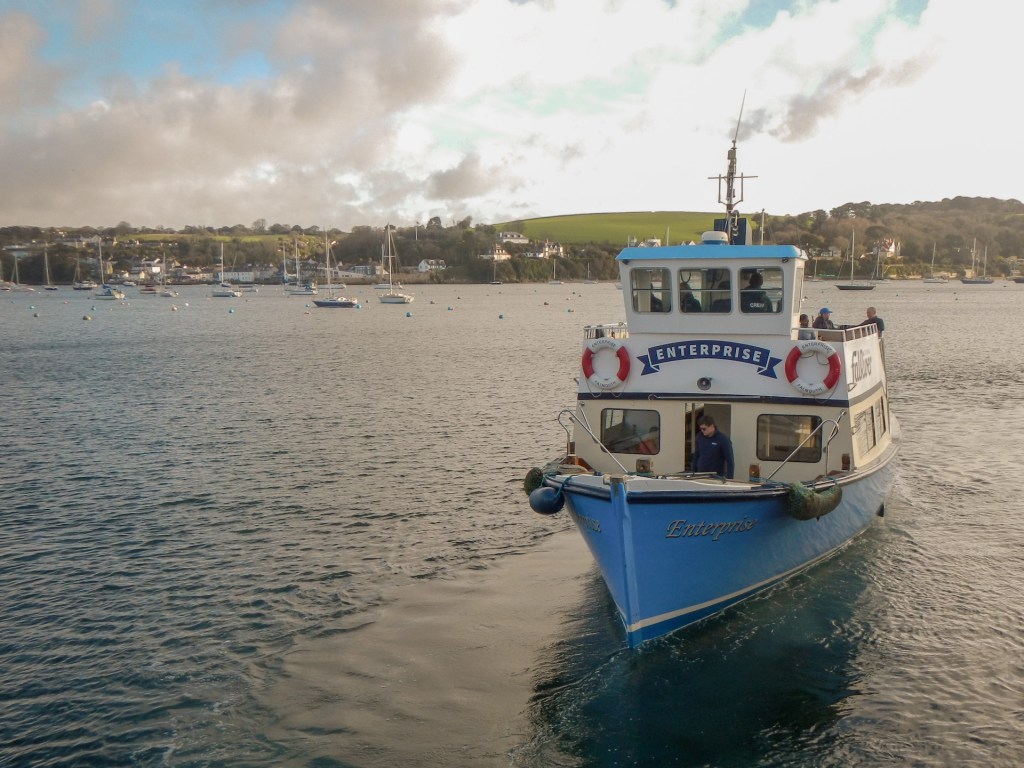
I managed to buy a three day “Mussel Card” from the information office on the pier to start the next morning. This card meant I could enjoy unlimited travel on the local ferries and also even on local buses and the train between Falmouth and Truro. https://www.falriver.co.uk/ferries
Away from the coastline, the area is hilly. I discovered this immediately as I walked the undulating but mainly uphill route to Menehay Farm Touring Park http://menehayfarm.co.uk/ with my full rucksack. It was a route I was going to become very familiar with over the next few days as I didn’t resort to the bus at all even though there’s a bus stop right next to the site. This campsite is the nearest one to Falmouth. It’s lovely and quiet, with beautifully clean washrooms, washing up area and laundry.
Of course, I had my tent erected in next to no time and enjoyed a quick brew before heading off to explore the area. Fortunately, my big rucksack has a detachable top which converts into a small but adequate day sac.
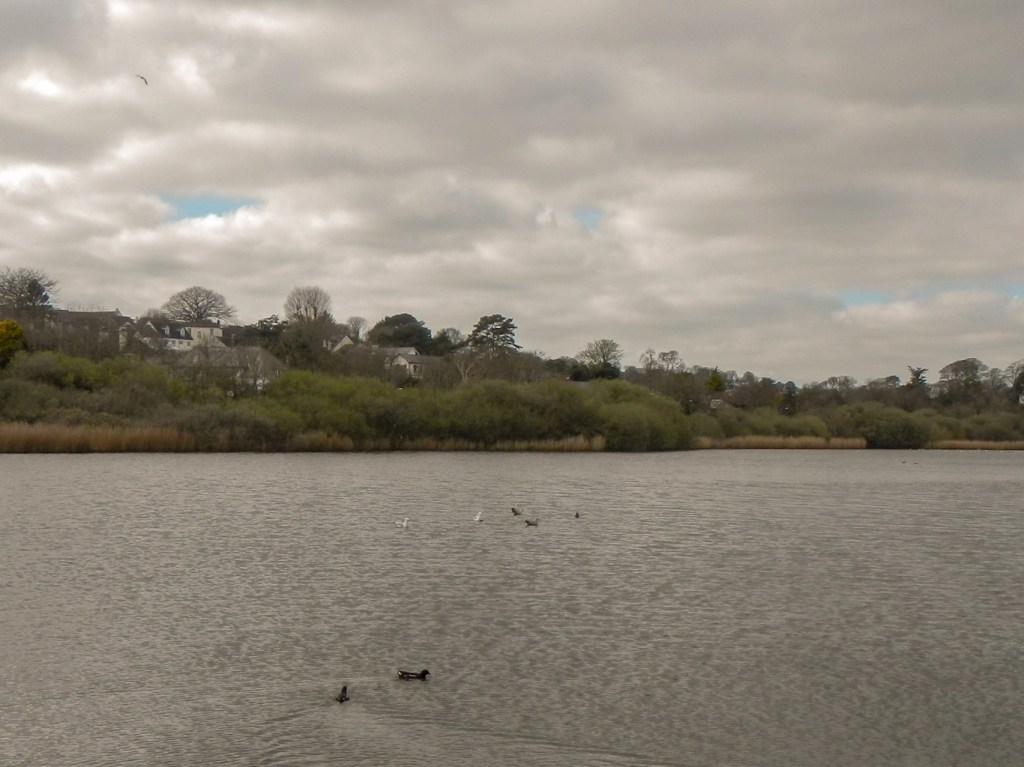
My first destination was Swanpool Lake and beach. The brackish lake is an SSSI and home to many bird species. However its main claim to fame is as the only place in Britain where the trembling sea mat can be found. They’re primitive sea animals called bryozoa, each only 1-2 millimetres in size but live in colonies underwater attached to stones and plant stems. They feed using a crown of tentacles covered in tiny hairs that catch food from the water.
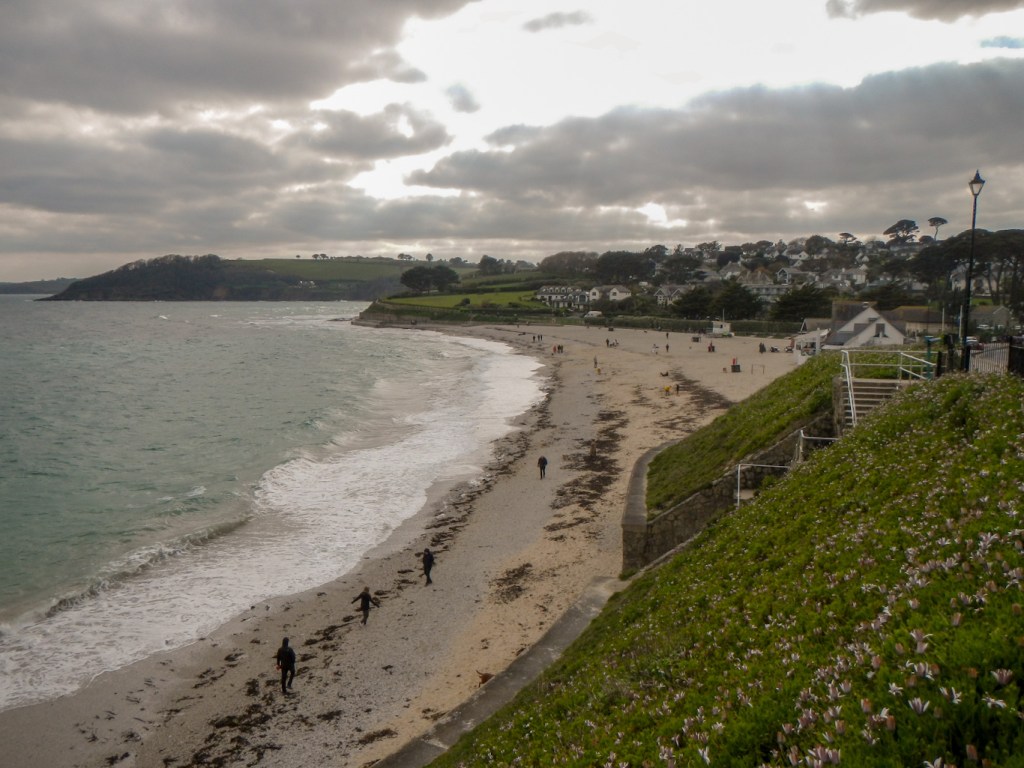
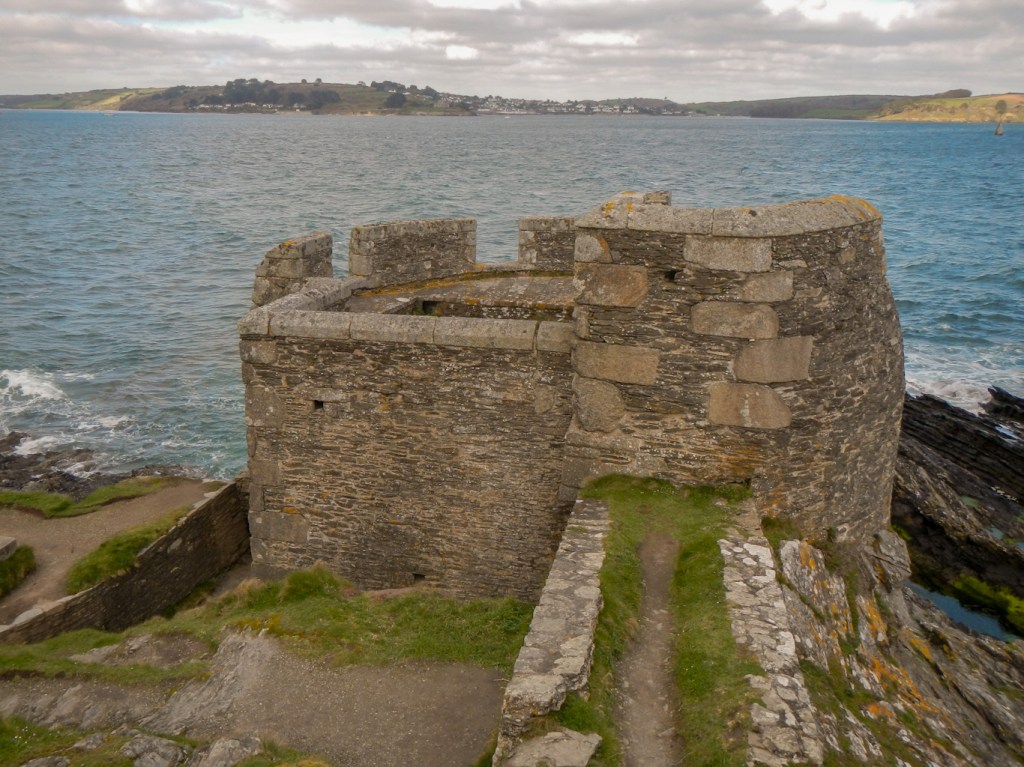
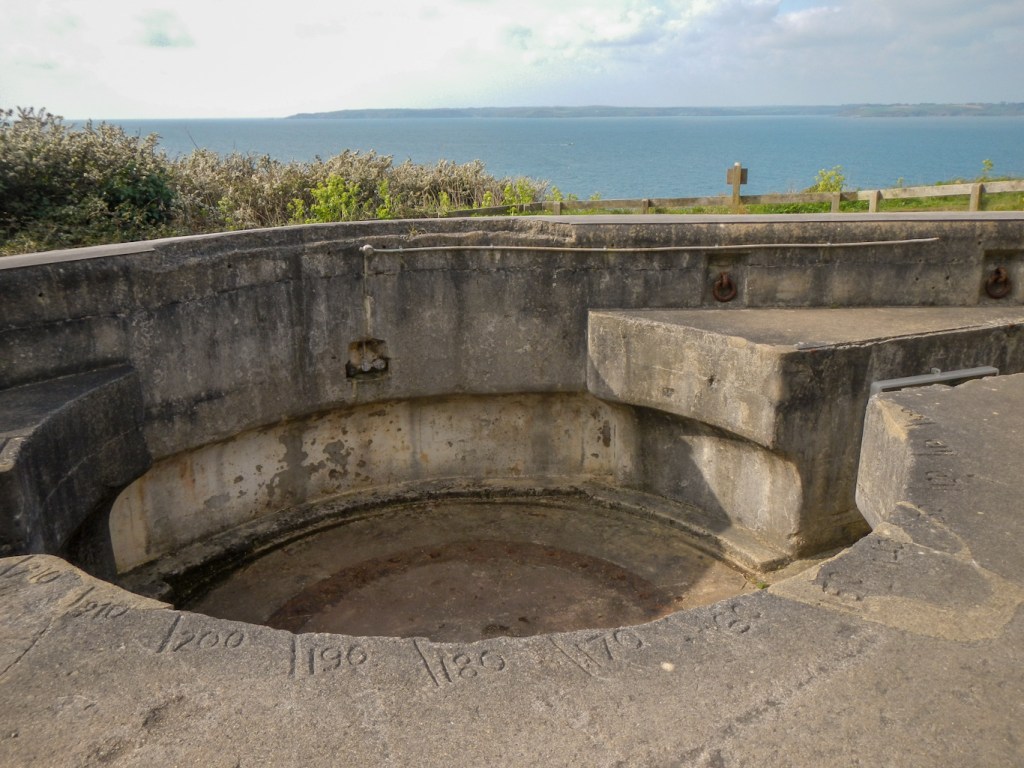
I continued round the seafront past Gyllngvase Beach to Pendennis Point, where there are stunning views towards St Anthony Head on The Roseland where I would be walking the next day. There’s a Grade 1 listed Tudor Blockhouse to explore. On the east side of the point, defending the Carrick Roads, are the remains of the Crab Quay Battery. This was built initially in 1795 and used intermittently up to the end of 1940.
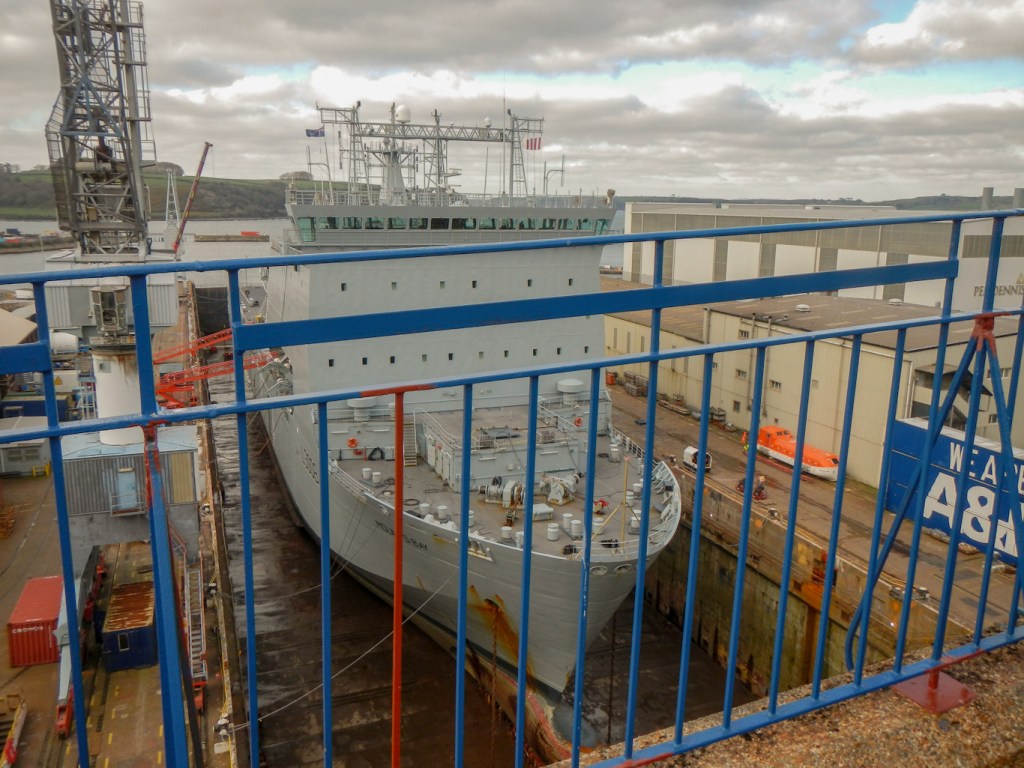
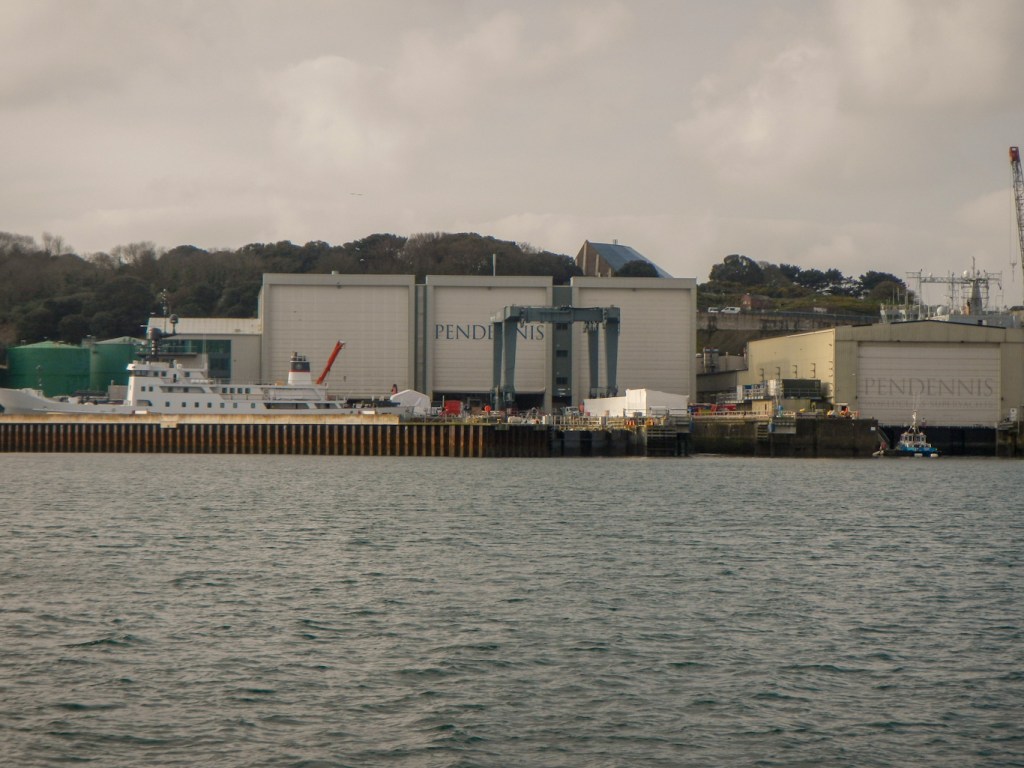
My walk continued past the docks. There was a large military ship in dry dock. I also saw the huge Pendennis Shipyard, one of the world’s leading superyacht refit and custom build facilities. Falmouth Harbour is actually the third deepest natural harbour in the whole World and the deepest natural port in Western Europe.
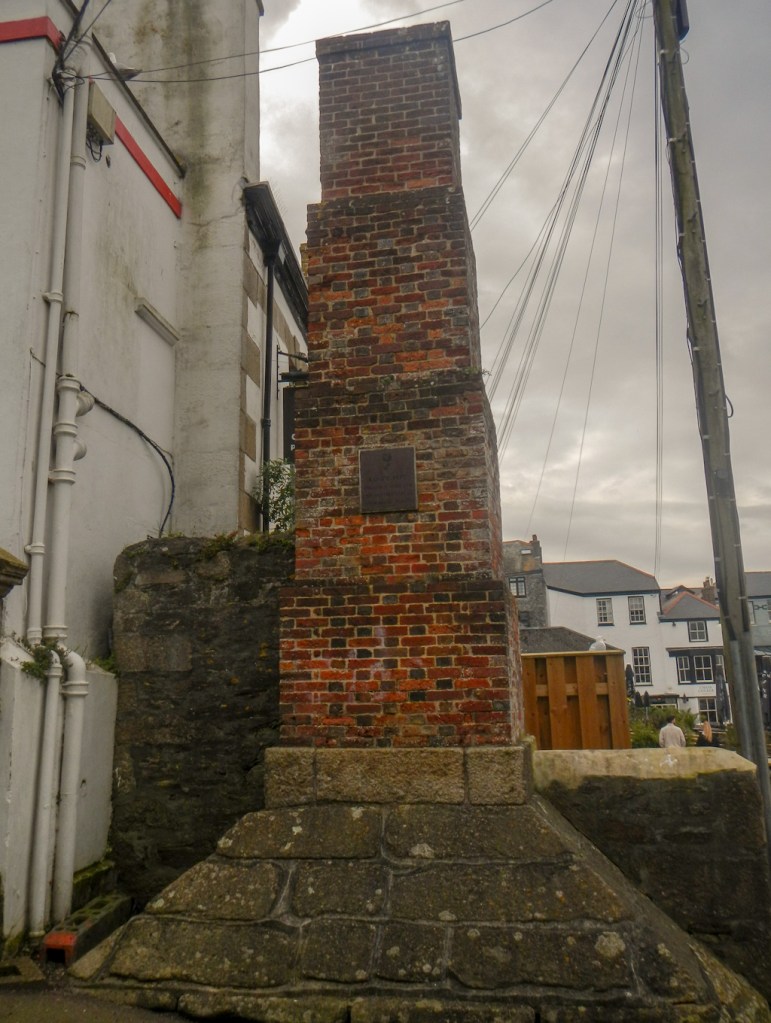
I passed the National Maritime Museum then went down to the Custom House Quay to look at the views and see the King’s Pipe. This is a furnace dating back to 1814 and was used for destroying smuggled tobacco seized by the customs officers.

There are plenty of places to eat in Falmouth so I made the most of the opportunity to grab a pub meal before heading back up to Menehays.
I ended up enjoying a further three days packed with ferry rides and walks along the coastline, by the side of creeks and over the hills in between. I travelled on each ferry journey at least once.
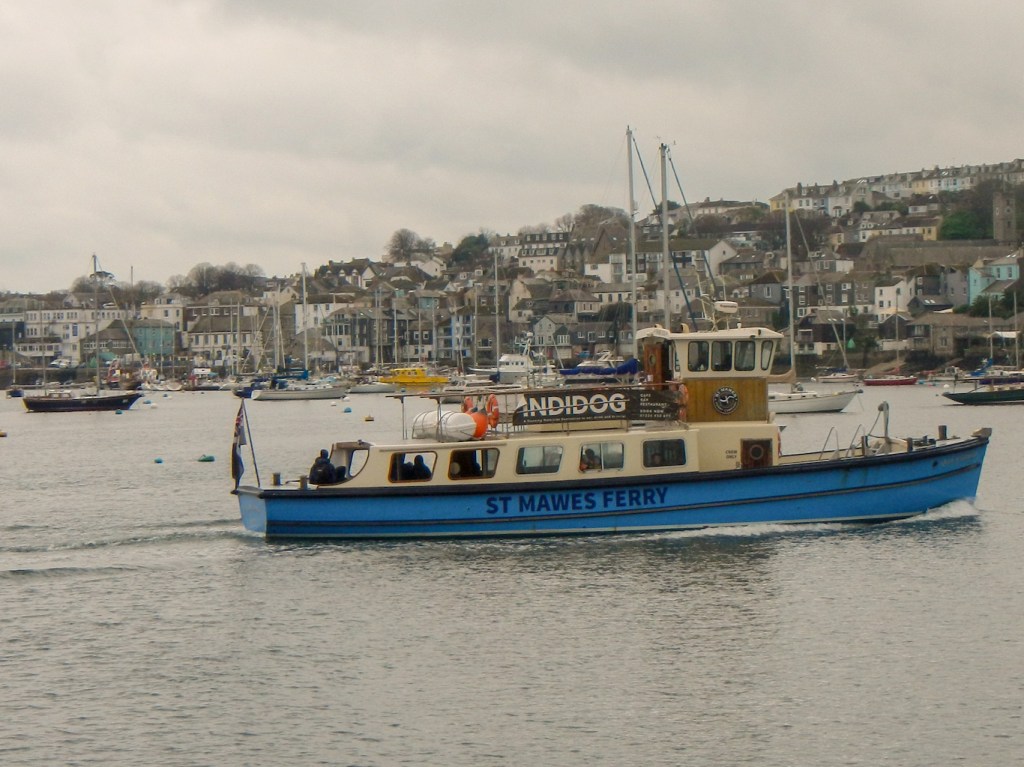
The larger, although still small passenger-only, ferries traverse the more open seas across the Carrick Roads to St. Mawes, the largest village on the Roseland Peninsula and an important port in medieval times. The village has a picturesque harbour and fishing, especially for pilchards, was a major occupation until the early 1900s. The first full day saw me on the early ferry to St Mawes at 08.30am. There were only a few other people on this boat including an American couple who were walking the South West Coast Path in stages. It was windy but dry as we took in the views from the open top deck. We disembarked at St Mawes, watching the larger number of people climb aboard the ferry back to Falmouth. This included a man carrying a remarkably lightly packed rucksack given that he was attempting to walk the entire English and Welsh coast paths and he had a tent in it.
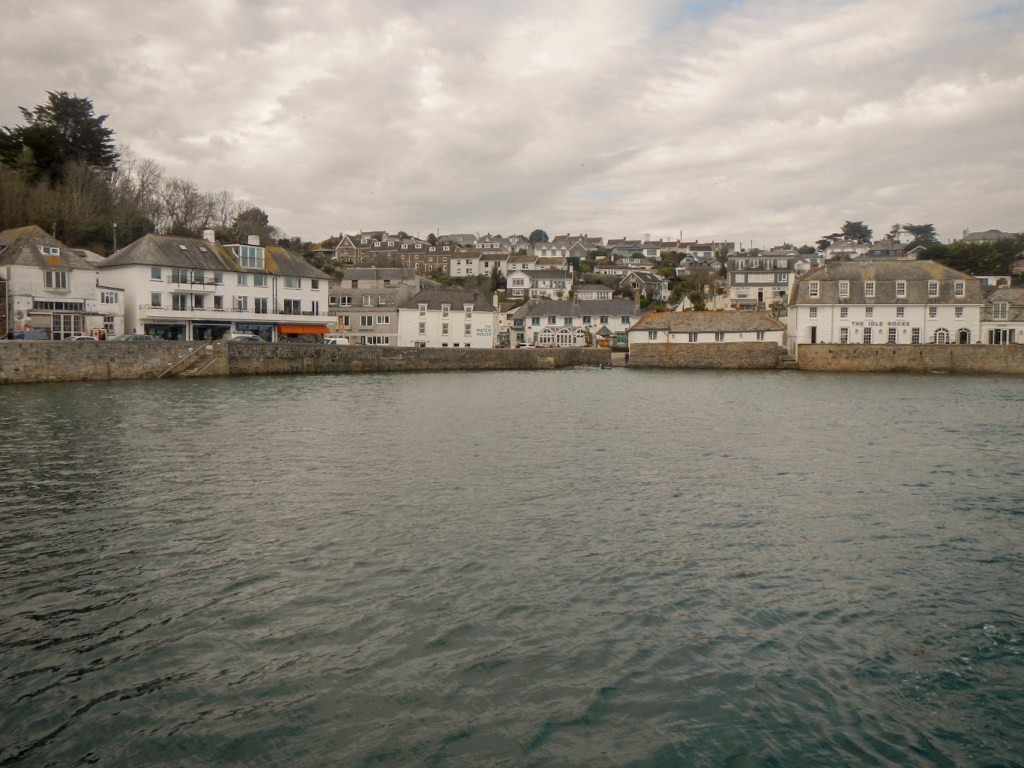
The American couple and myself spotted the small boat that was to take us further on to land at Place on the opposite bank of the Percuil River. It appeared rather daunting especially as the larger boat had rolled and tossed on the crossing from Falmouth. However this leg of the journey across the relatively sheltered Percuil estuary was much more calm. The friendly boatman checked whether he would expect to see us for the return journey.
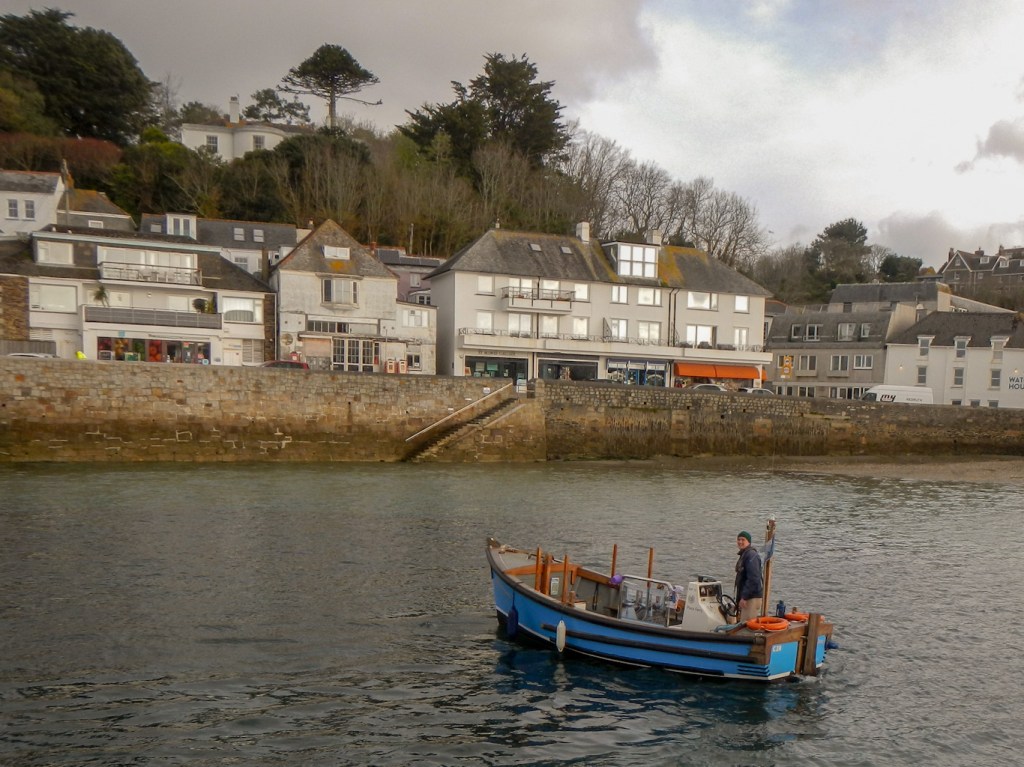
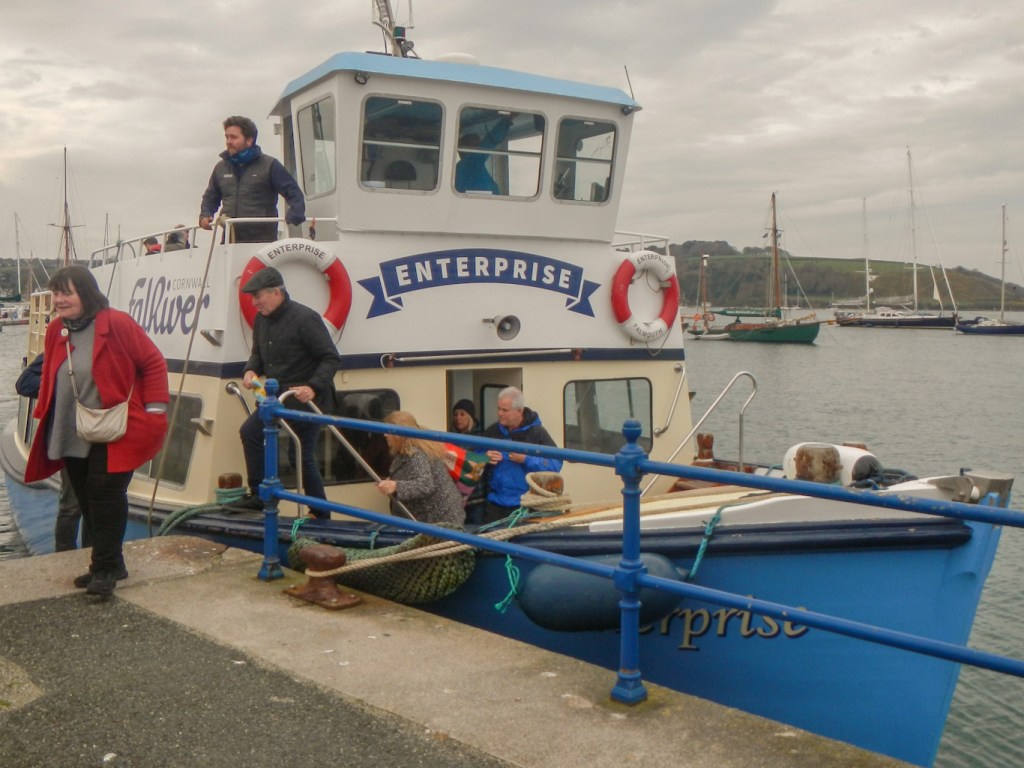
The following day saw me catching the Enterprise boat up the Carrick Roads, into the River Fal and then up the Truro River as far as the riverside village of Malpas.
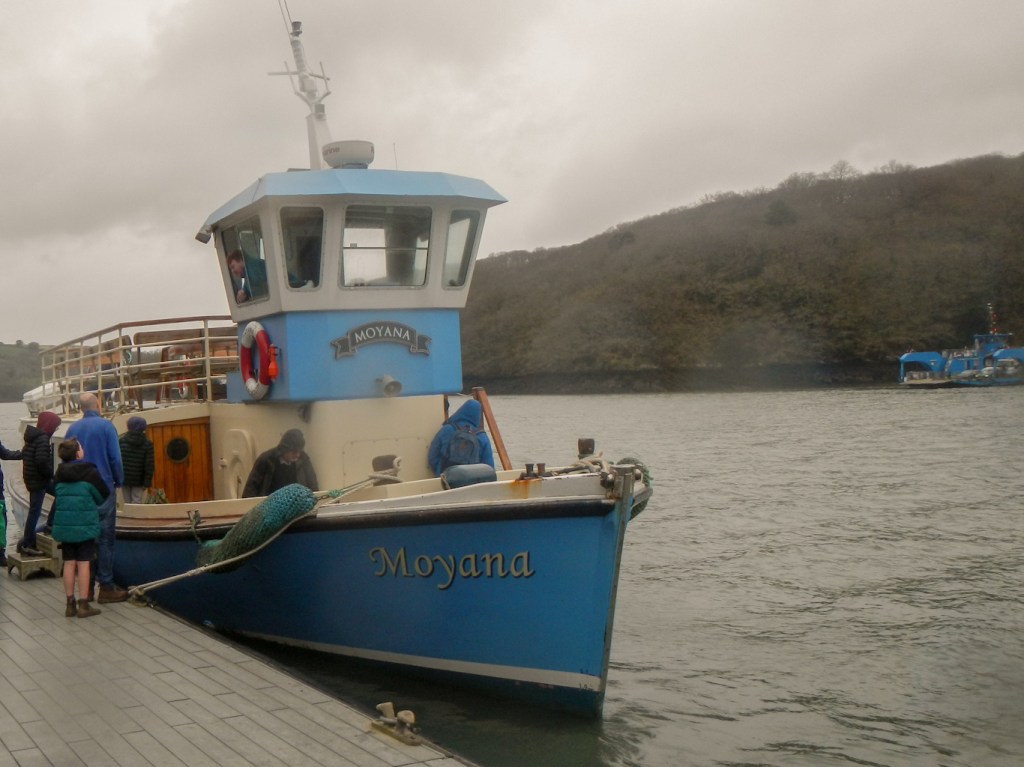
We were a small number on the boat, but enjoyed an excellent commentary as we travelled upstream. We even diverted to look at a seal basking on one of the rocks.
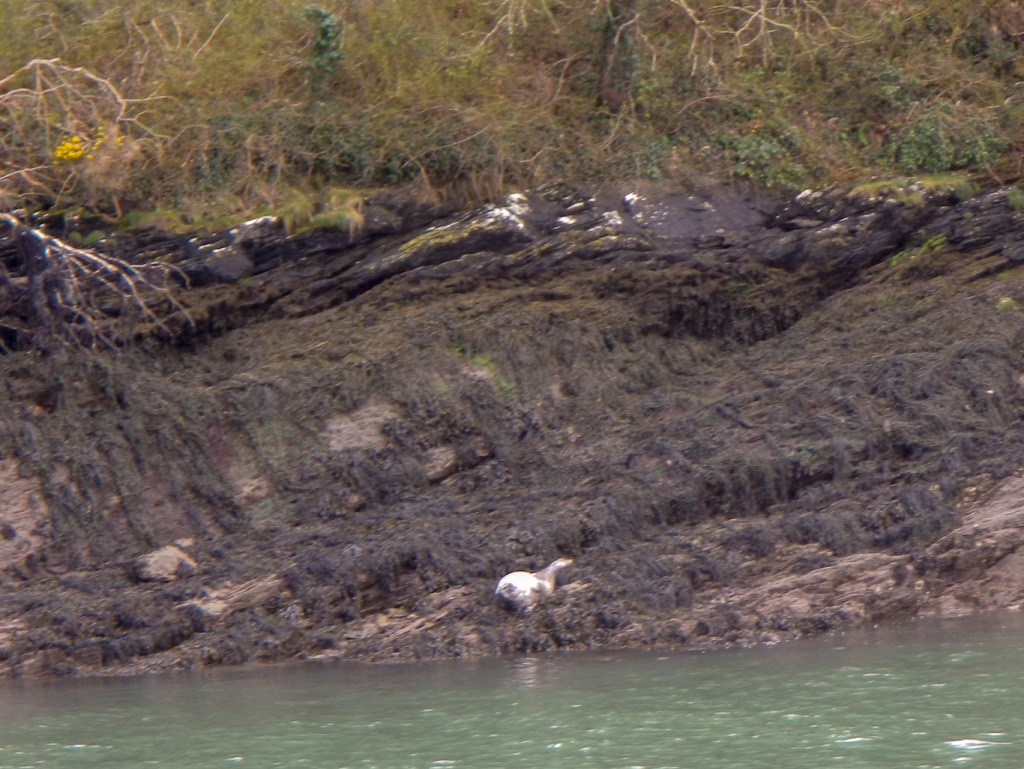
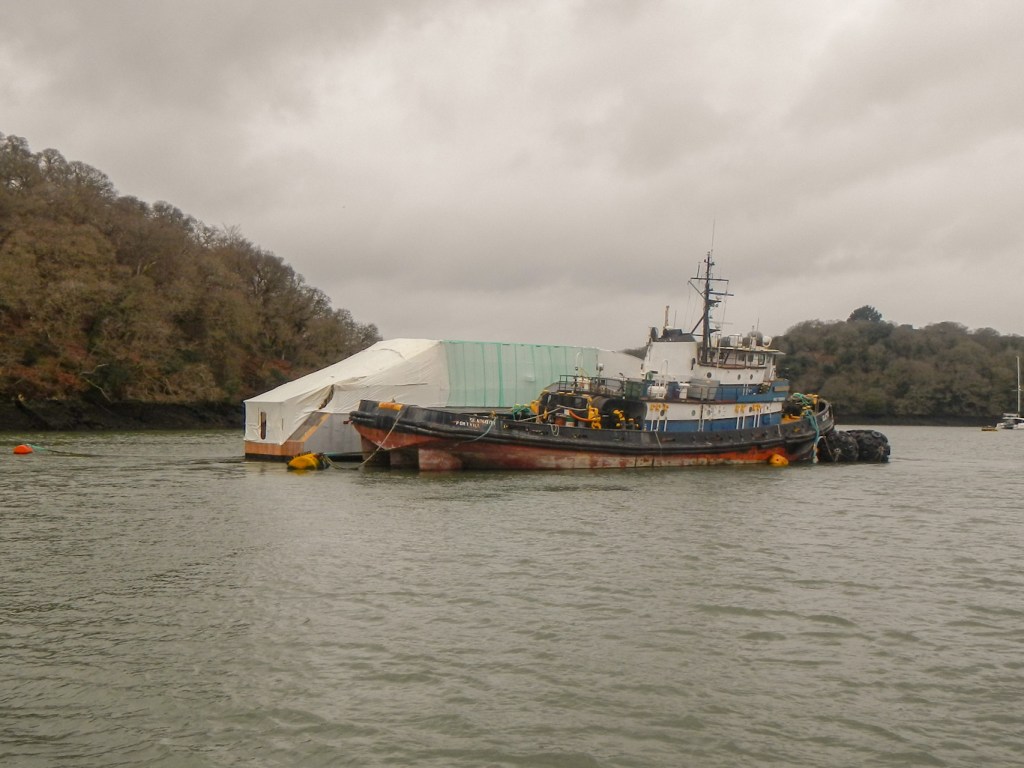
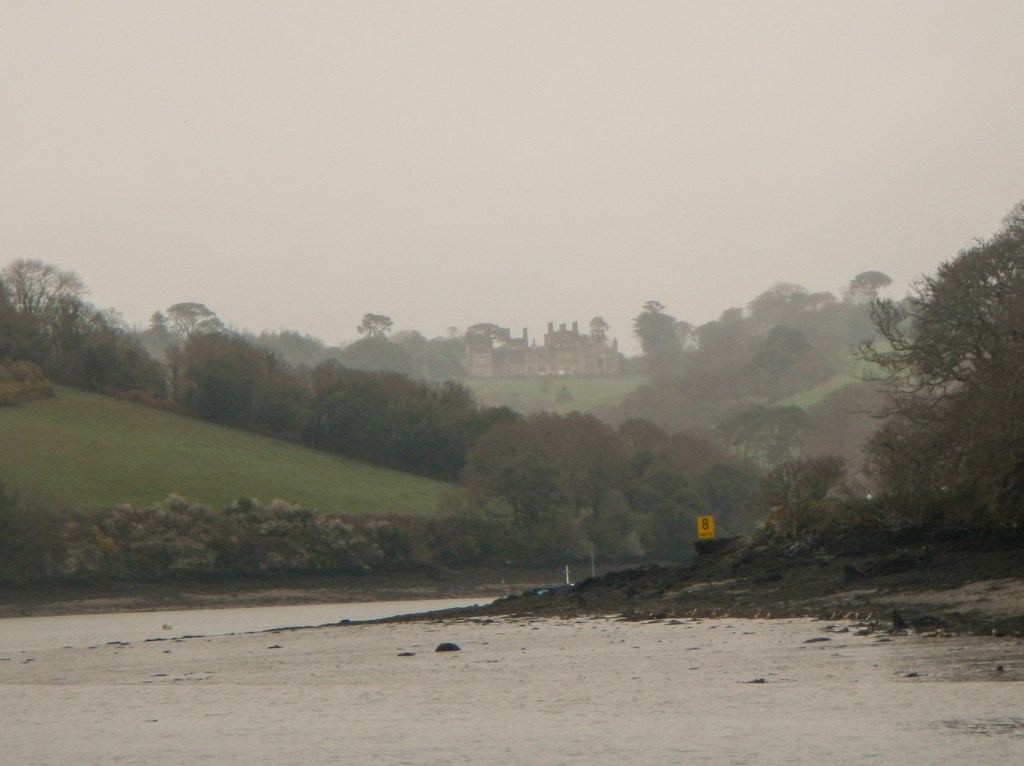
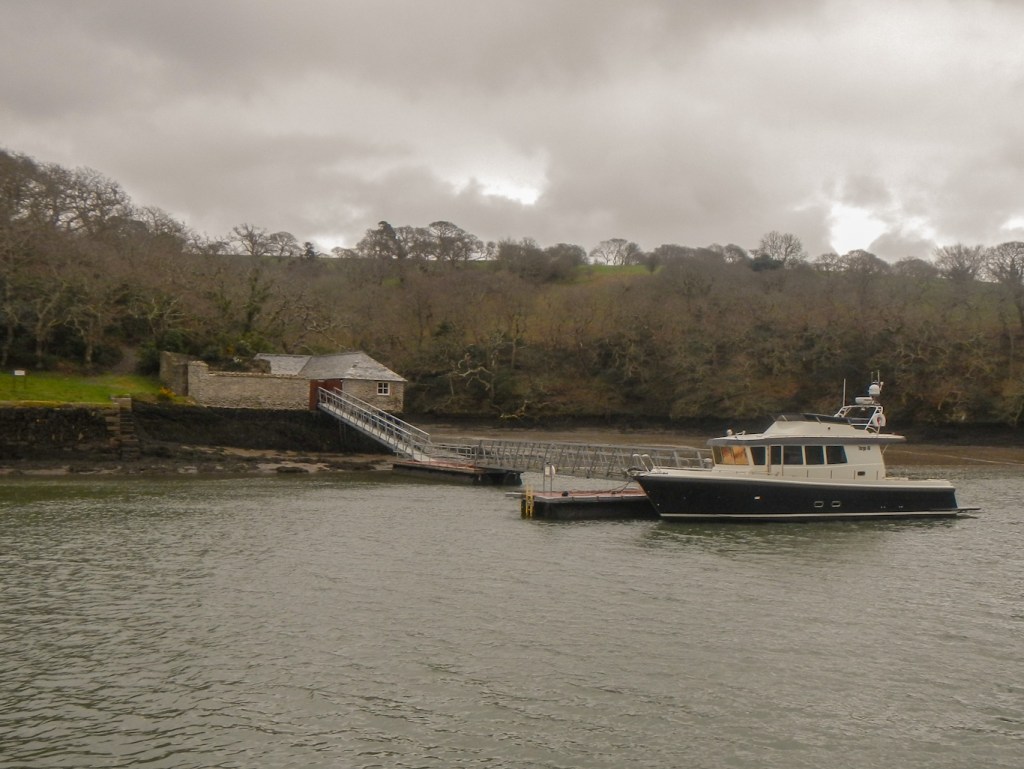
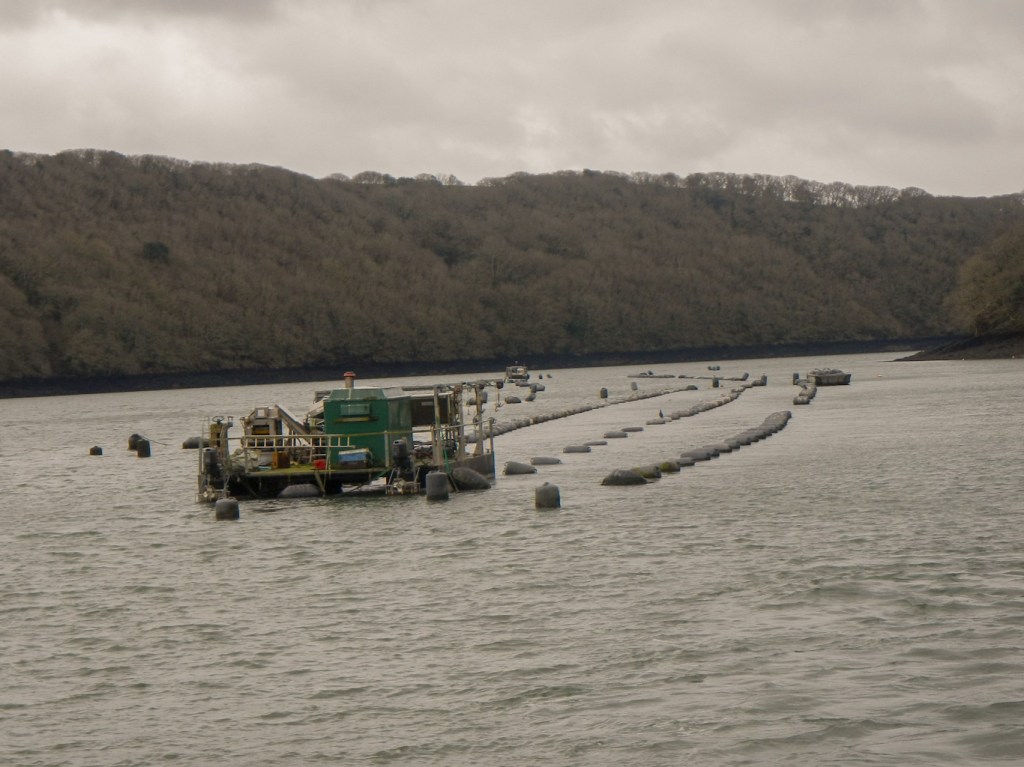
I remained on the ferry at Malpas to return almost immediately downstream to the National Trust gardens at Trelissick.
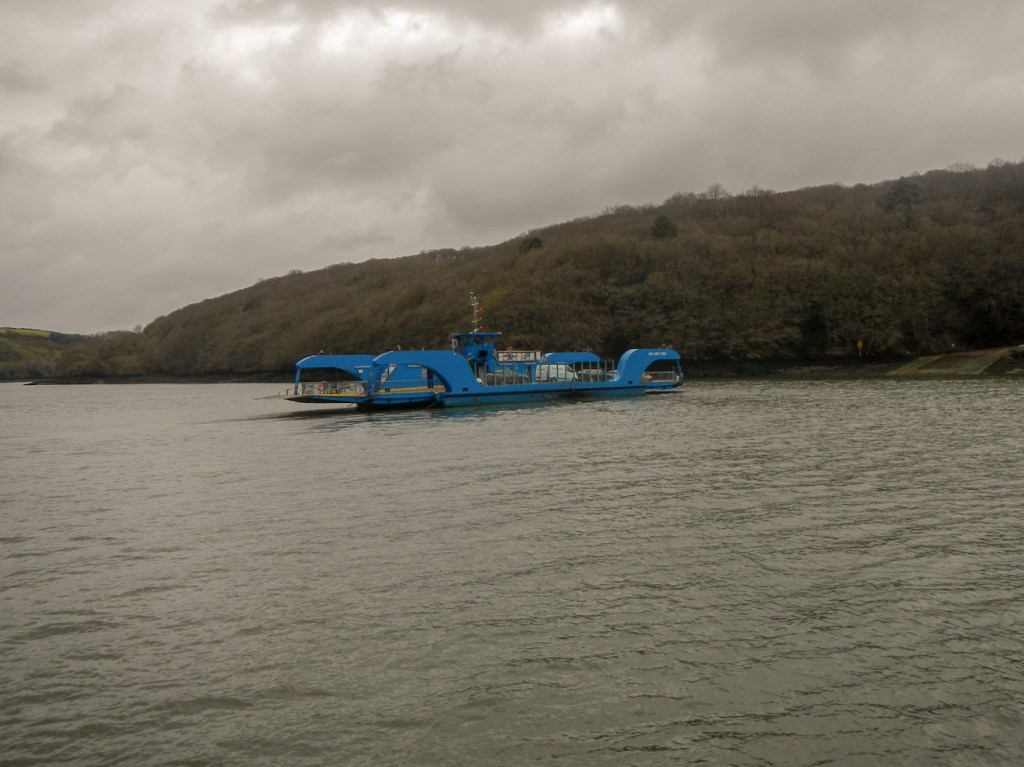
At Trelissick I caught the floating bridge vehicle and passenger King Harry Ferry across to Roseland.
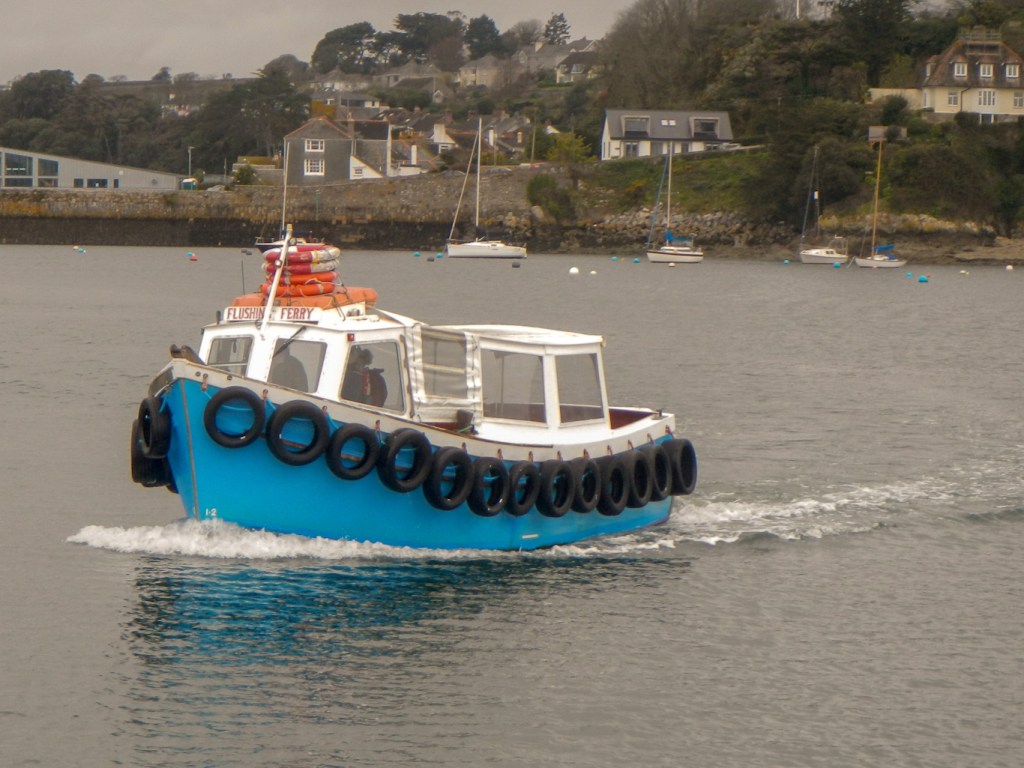
On my third and final full day I completed my “full set” of ferries included on my Mussel Card. I had an early start in the hope that the first ferry to Flushing would be at 08.40am. Luck was with me as the ferry arrived – although the boatman seemed rather surprised that there was anyone who wanted to cross so early. He explained that the early ferry often doesn’t run on non schooldays – confusingly it’s advertised in the leaflets but not on the departure board at the pier. It’s only a ten minute crossing with the small boat adorned with tyre fenders carrying up to twelve passengers. I confirmed that the final ferry would be at 5pm. In fact it would be feasible to walk back to Falmouth, especially with the aid of a train from Penryn if I had missed the last ferry.
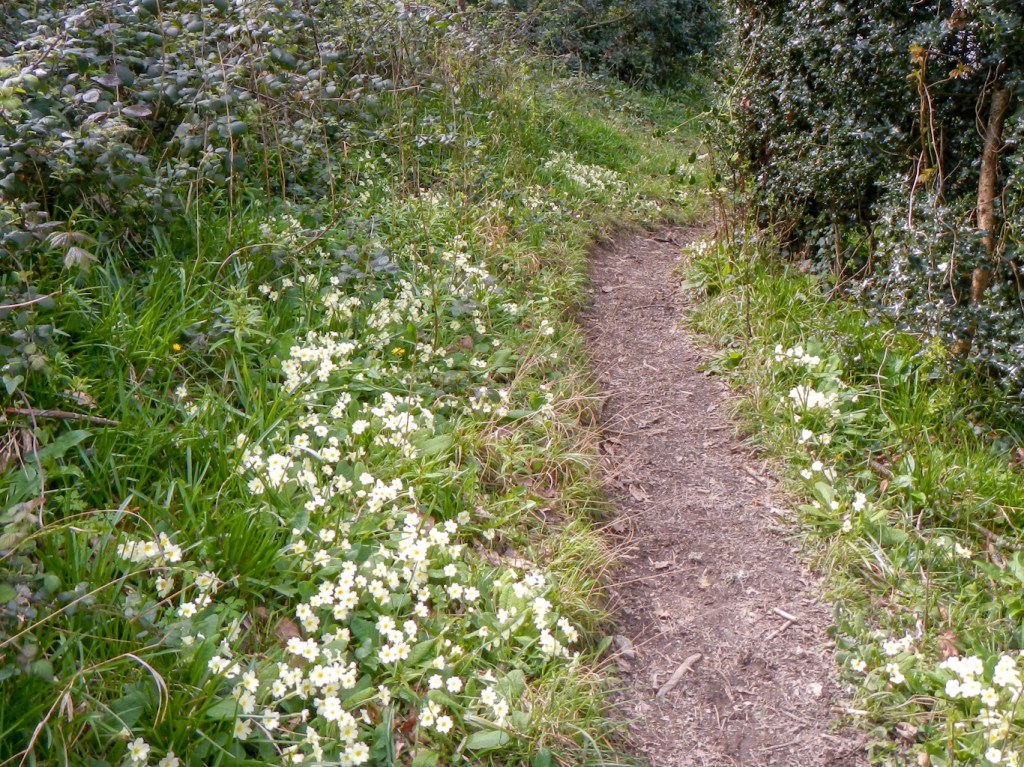
As for the walking, this also turned out to be a delight. Many of the paths were lined with daffodils, primroses, buttercups, pungent wild garlic and even some early bluebells. I passed through woody glades, crossed clear streams and traversed areas of heathland dotted with blooming gorse bushes characterised by their coconut scent.
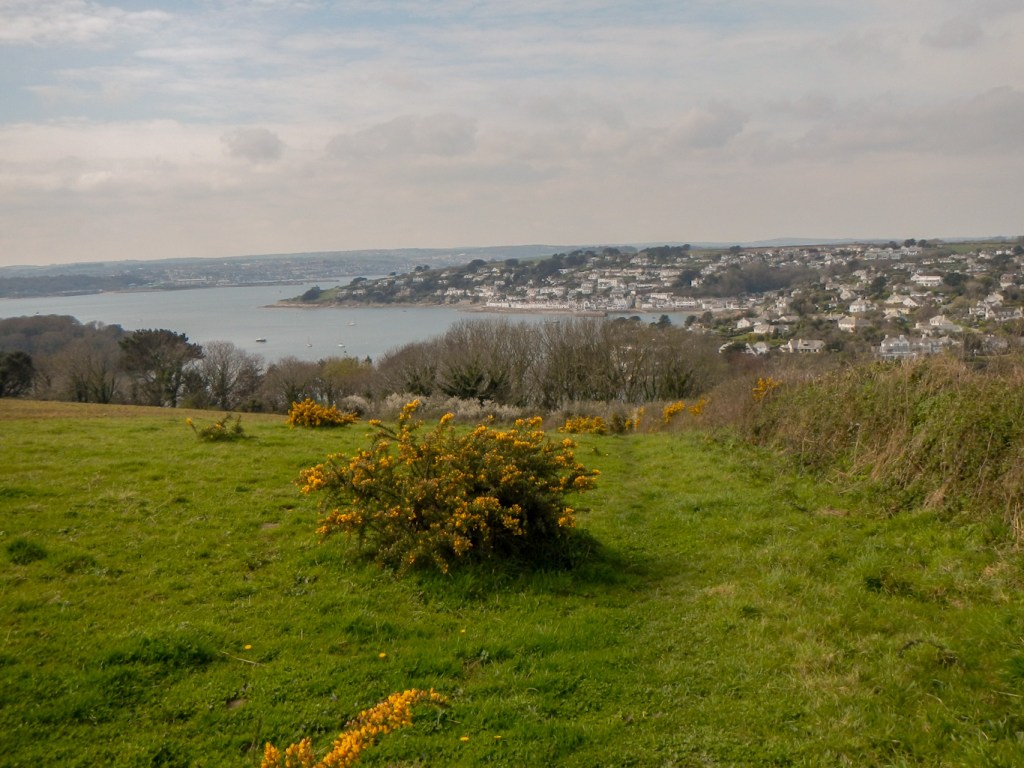
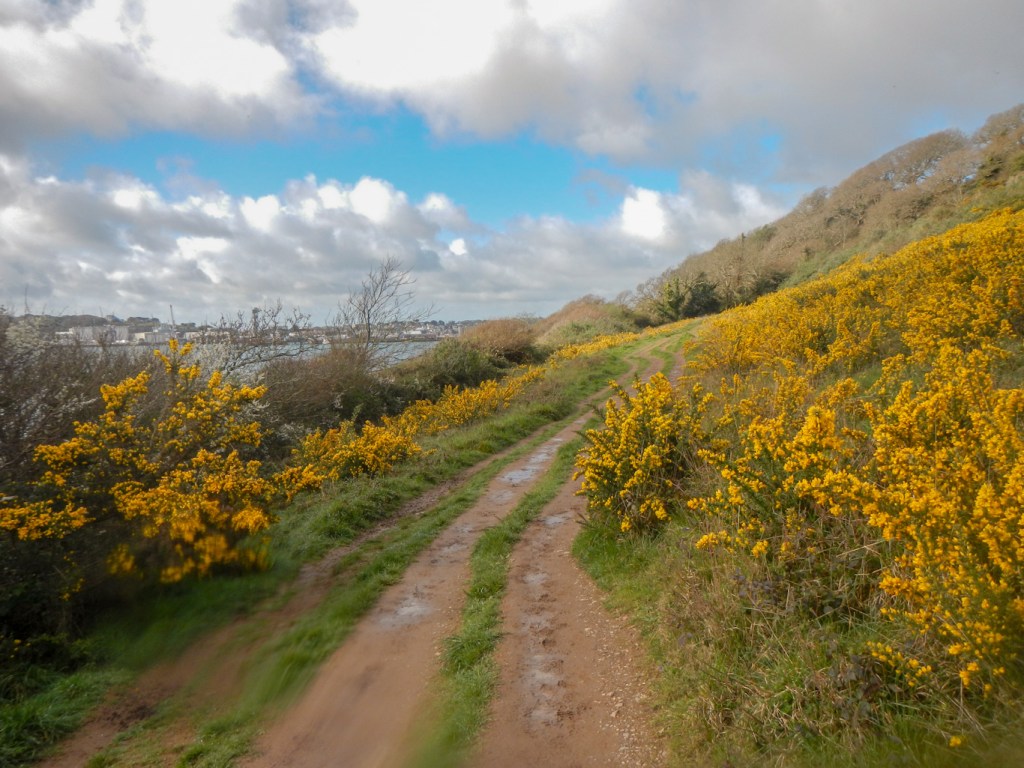
I saw shags drying themselves on the rocks, chaffinches and goldfinches flitting between bushes and skylarks flying in pairs high above the fields as they sang. Unfortunately I wasn’t fortunate to see peregrine falcons even though I deviated to a bird hide overlooking a usual nesting site. On the muddy creeks, I spotted ducks, geese, swans, wading birds and occasional heron. I didn’t spot any seals although it seems I just wasn’t looking – a walker I met on a ferry told me she had seen a large group lying on the rocks below the cliffs.
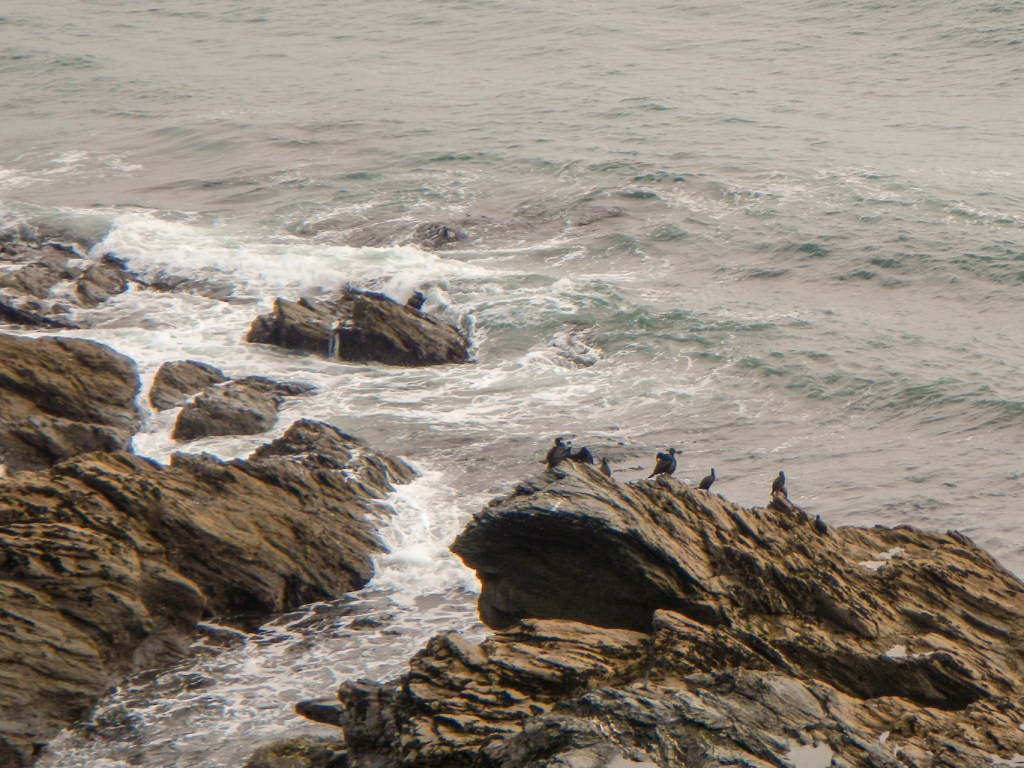

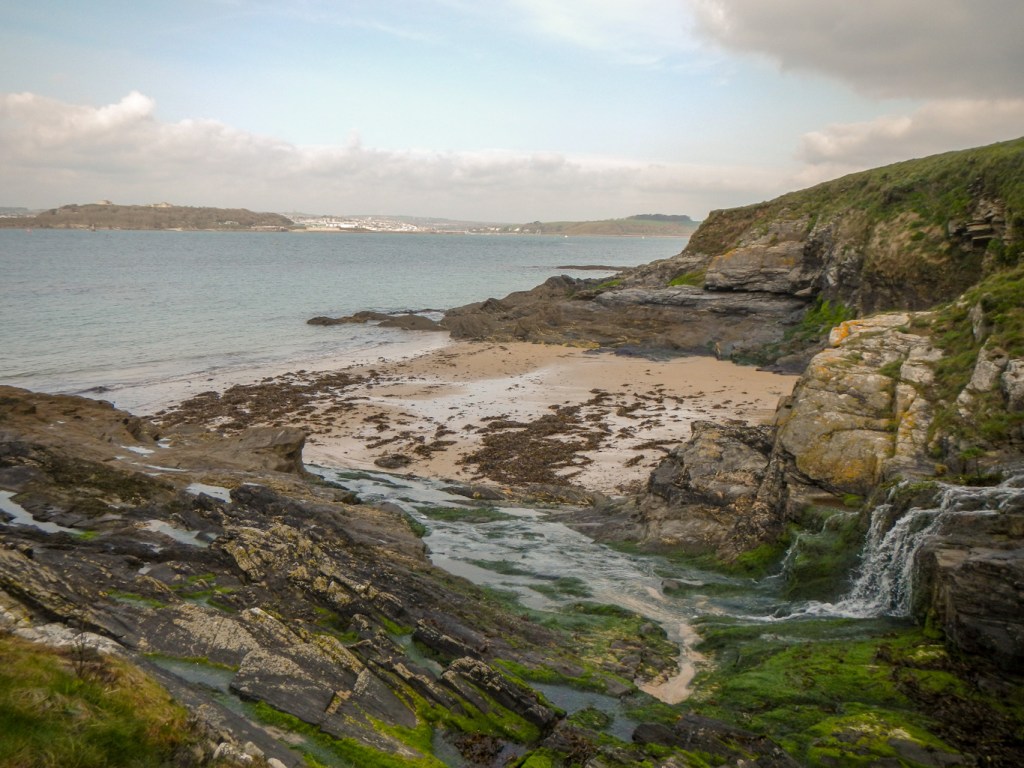
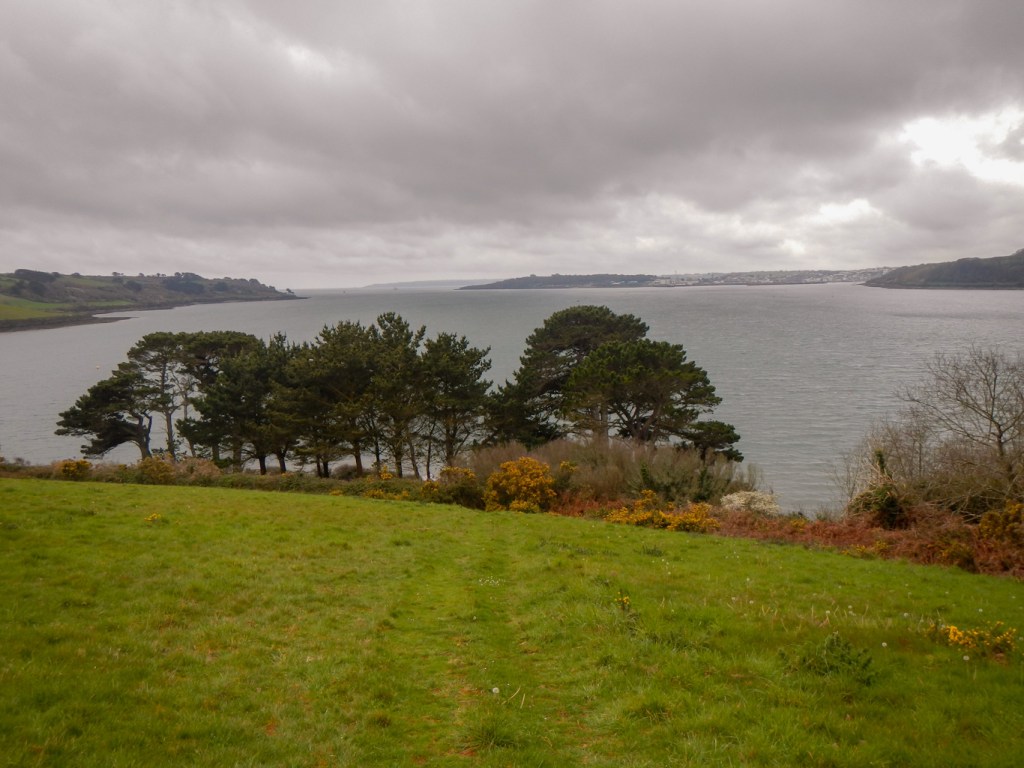
I walked along fine stretches of coastline – over cliffs looking down on sandy coves and areas of rock, around magnificent headlands and across some beautiful beaches.
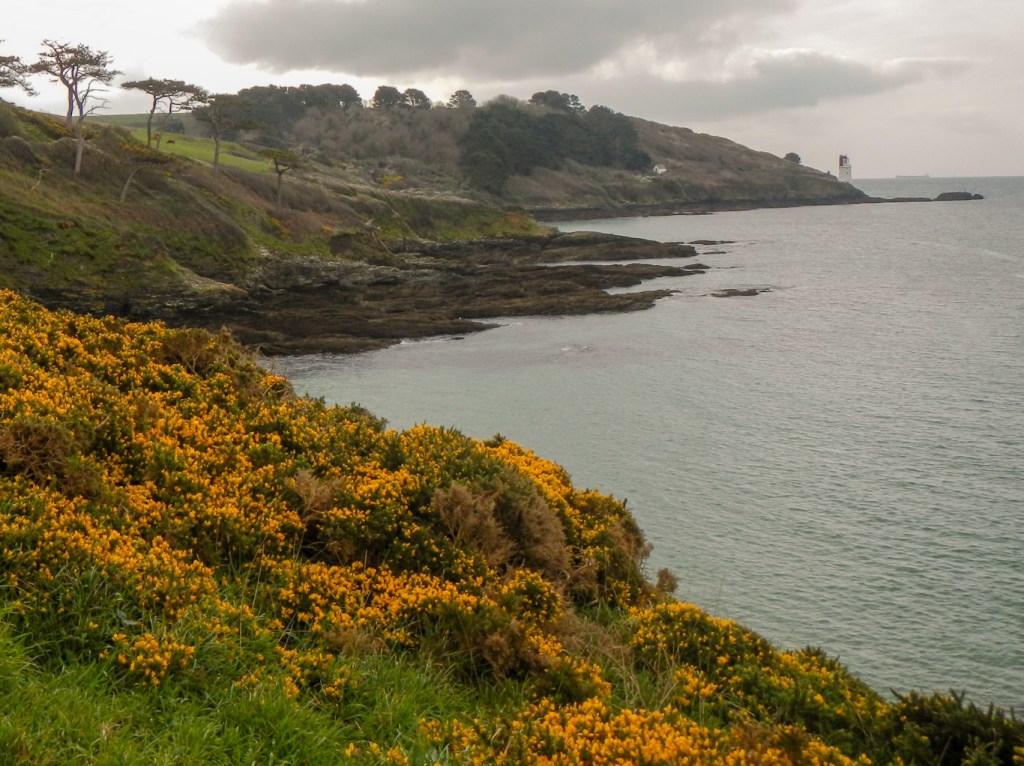
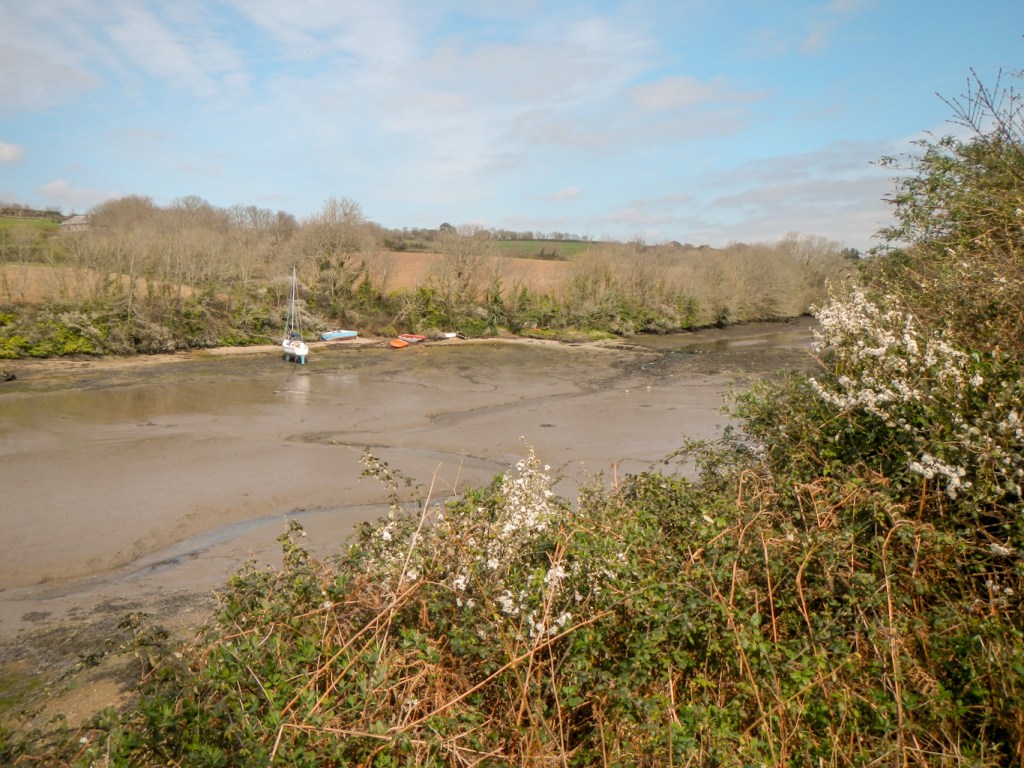
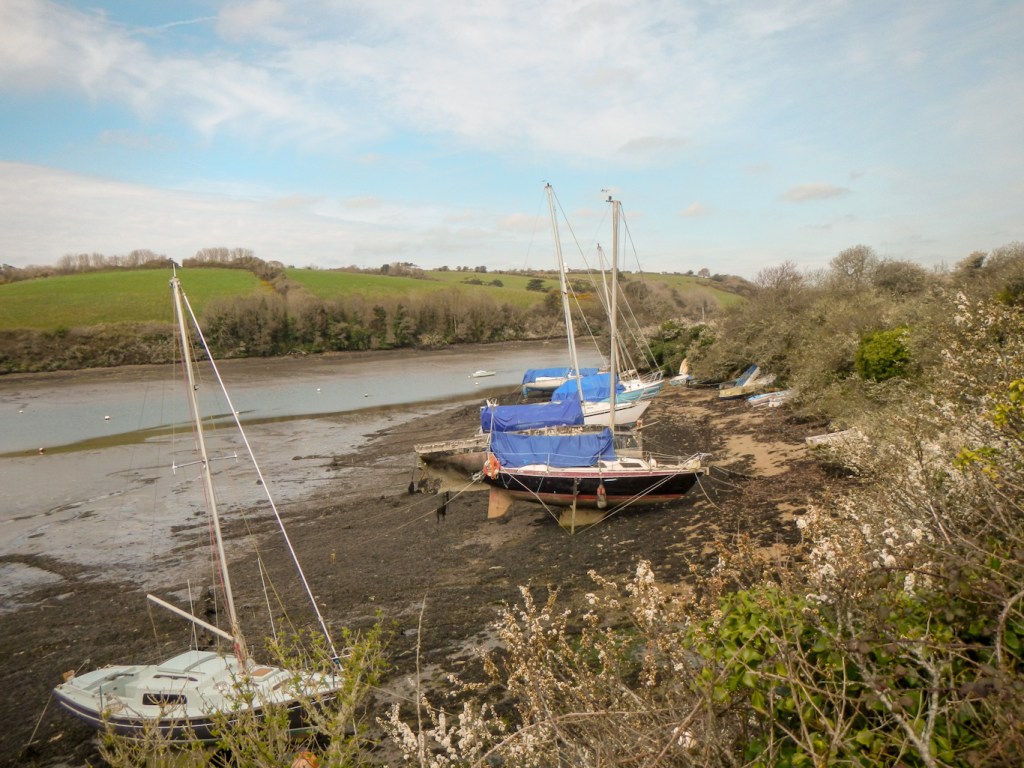
I strolled along muddy creek side paths where there were boats both large and small, appearing to be in various states of seaworthiness.

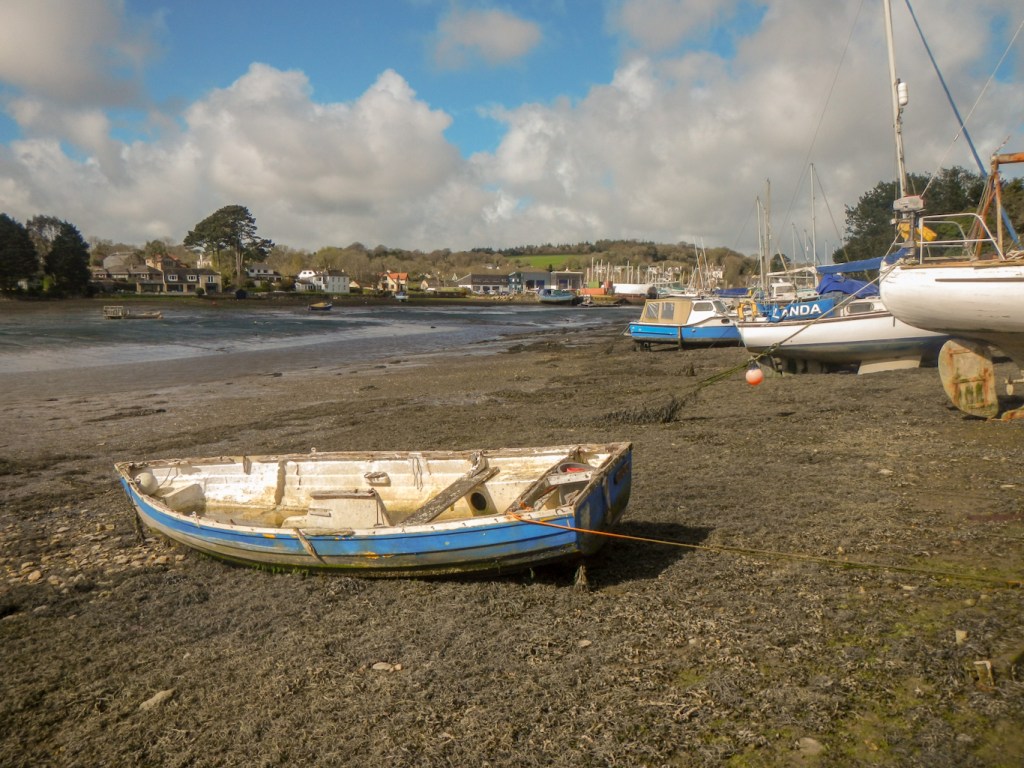
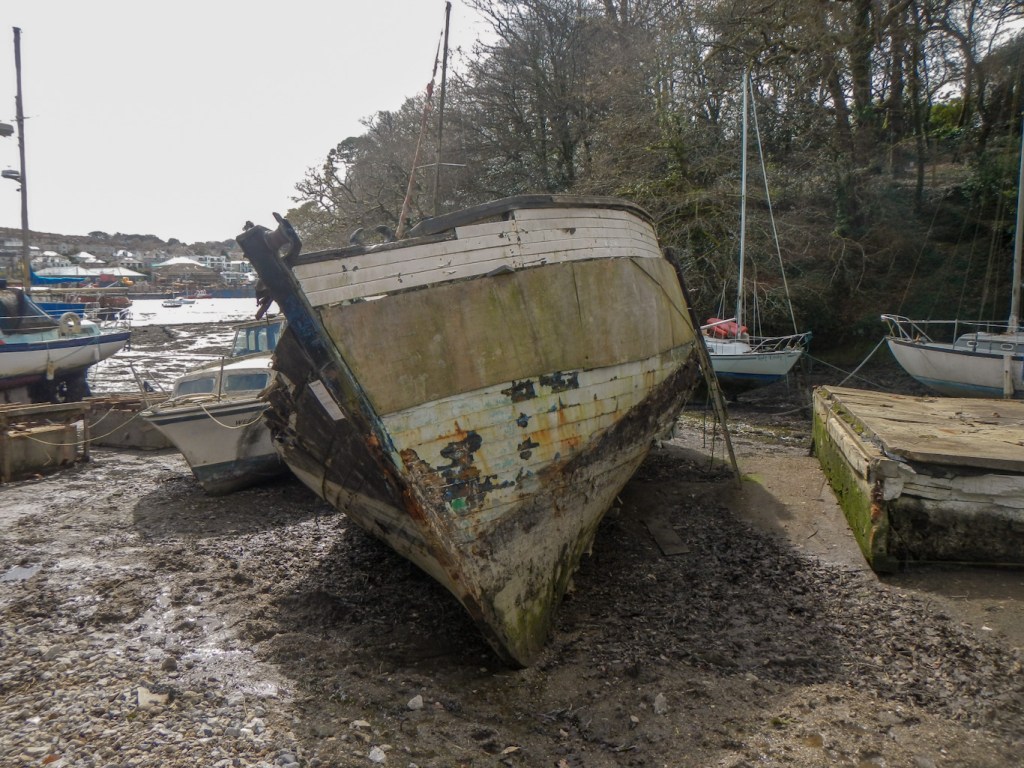

I wandered round churchyards and churches in picturesque locations.
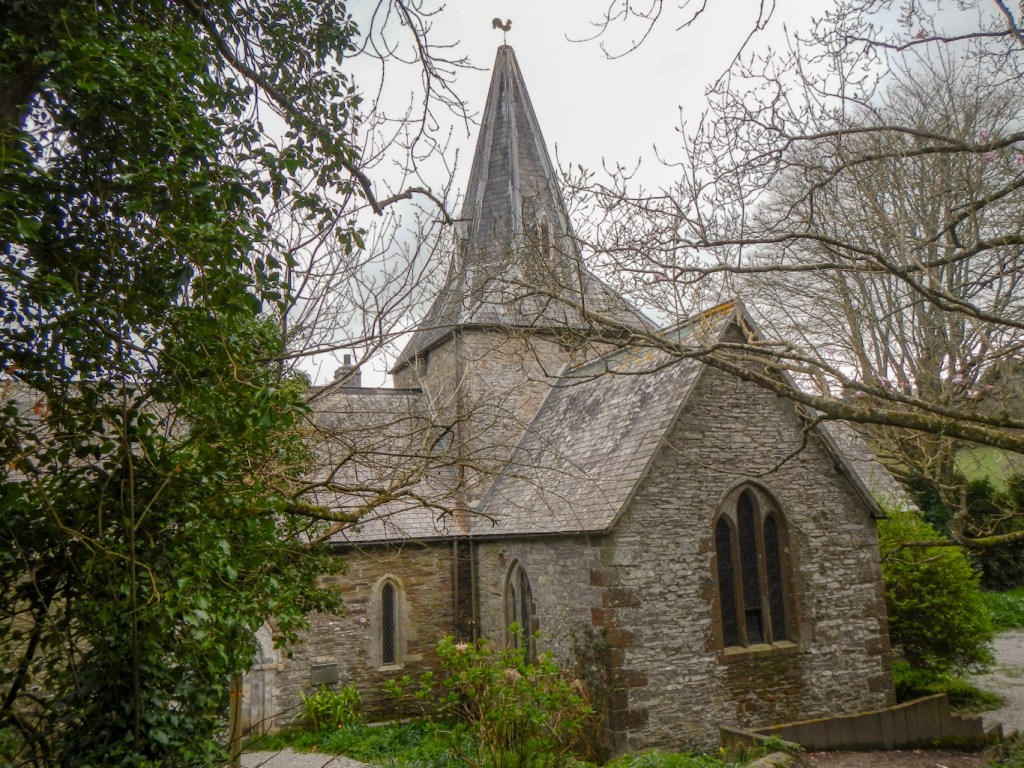
St Anthony’s Church was established in the twelfth century and restored in the nineteenth century, maintaining its medieval cruciform plan. It overlooks the huge turreted home of the Spry family, to whom there are impressive monuments in the church spanning three centuries.
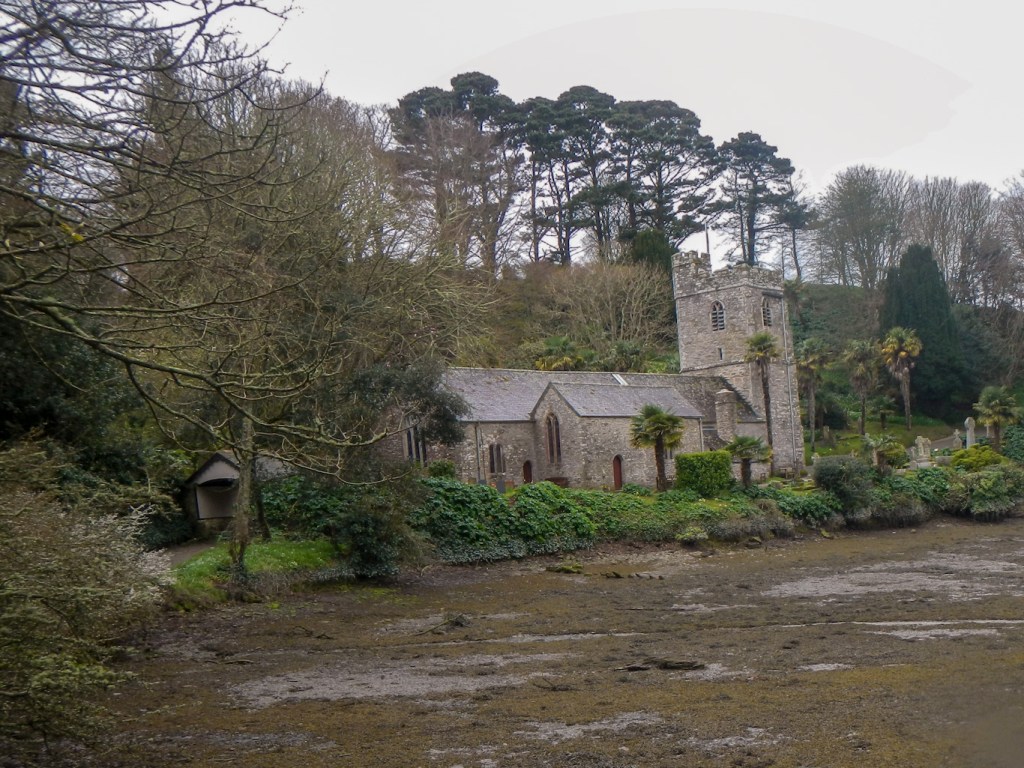
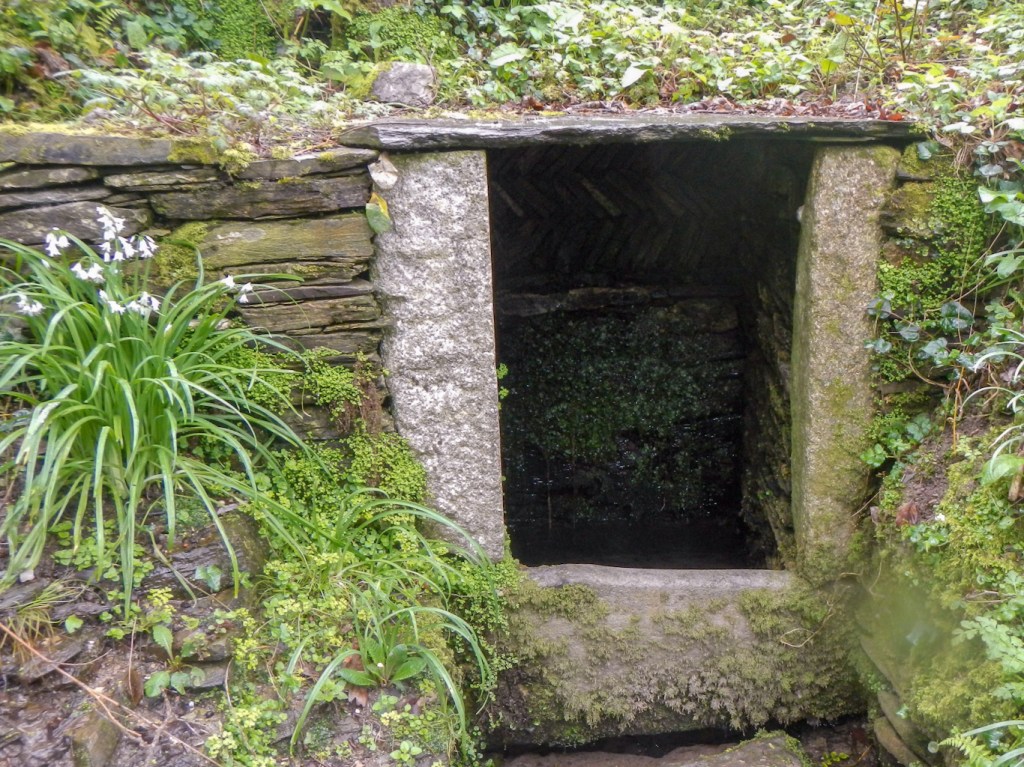
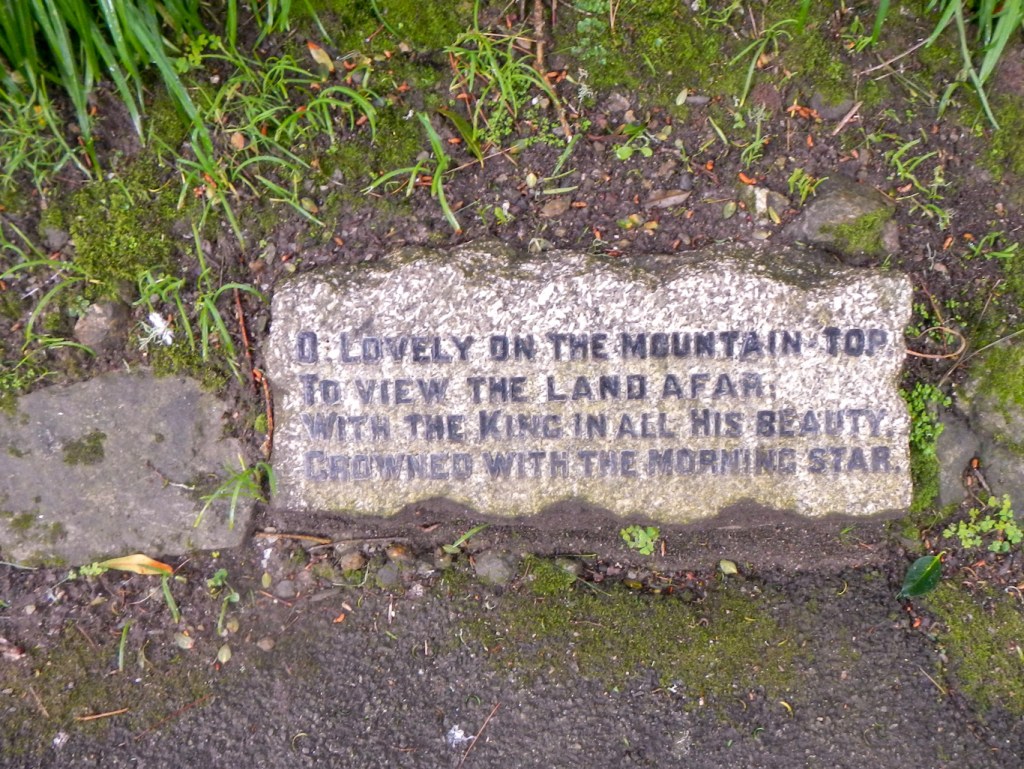
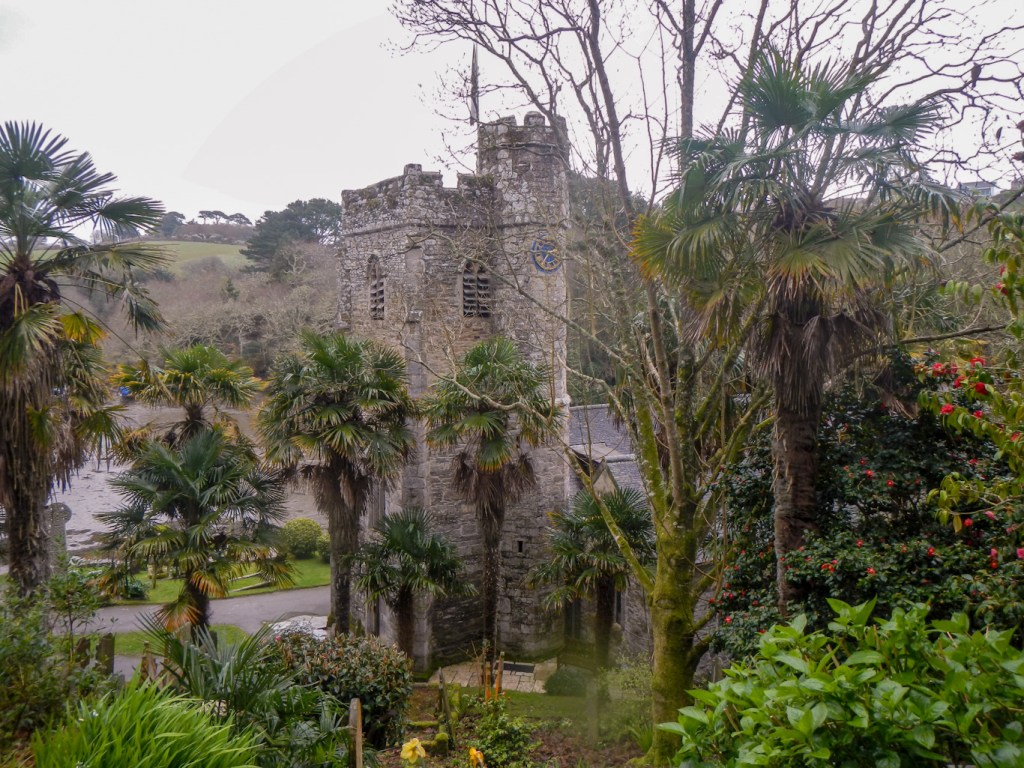
The picturesque church of St Just in Roseland appeared suddenly as I turned a corner near the head of the St Just Creek. John Betjeman stated it is ‘to many people the most beautiful churchyard on earth’ and it is indeed a paradise with multiple tropical plants, numerous fascinating graves and a path lined with granite slabs inscribed with quotations and verses. I also visited the Holy Well nearby and went inside the Grade 1 listed church which was built originally in the thirteenth century.

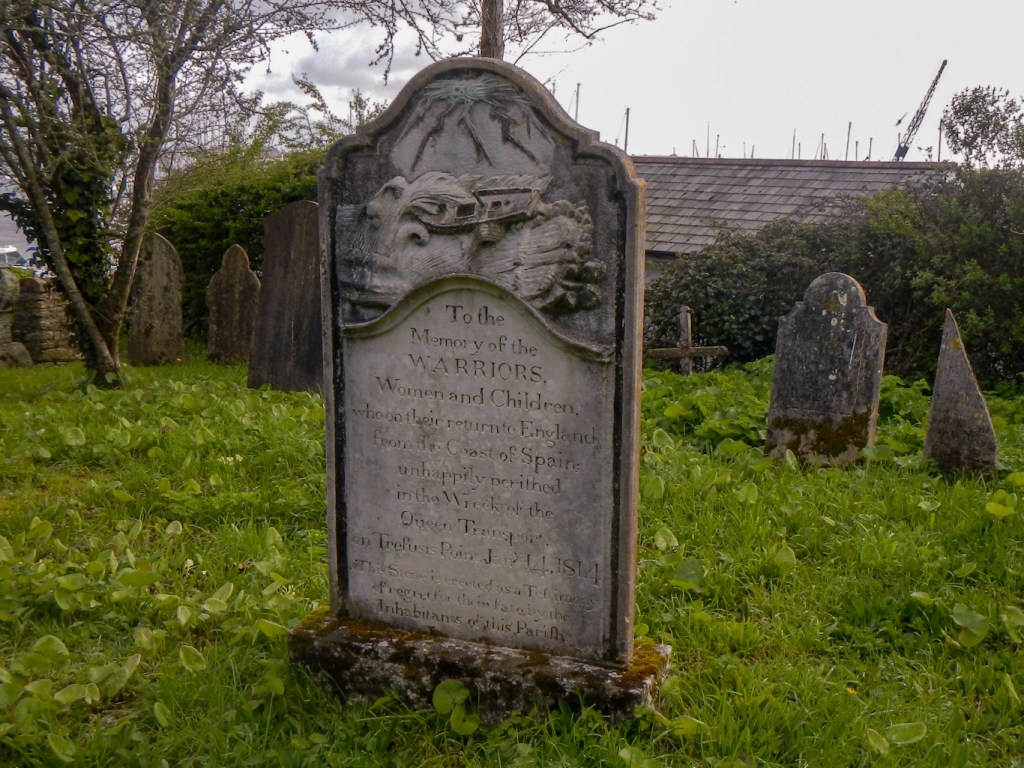
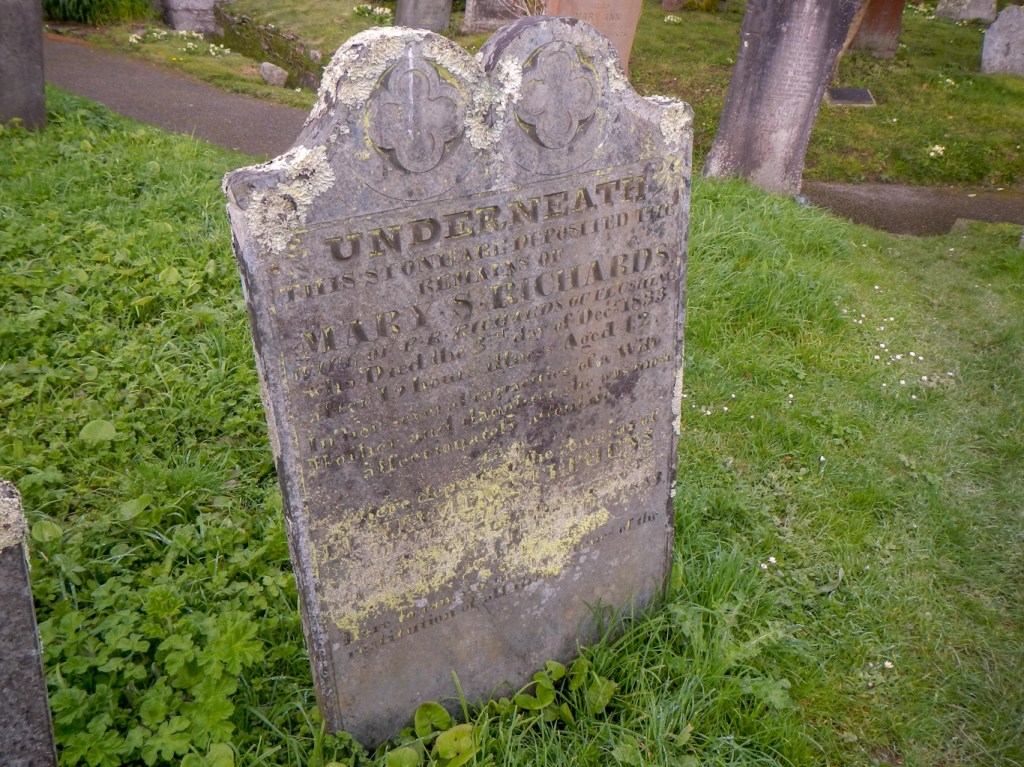
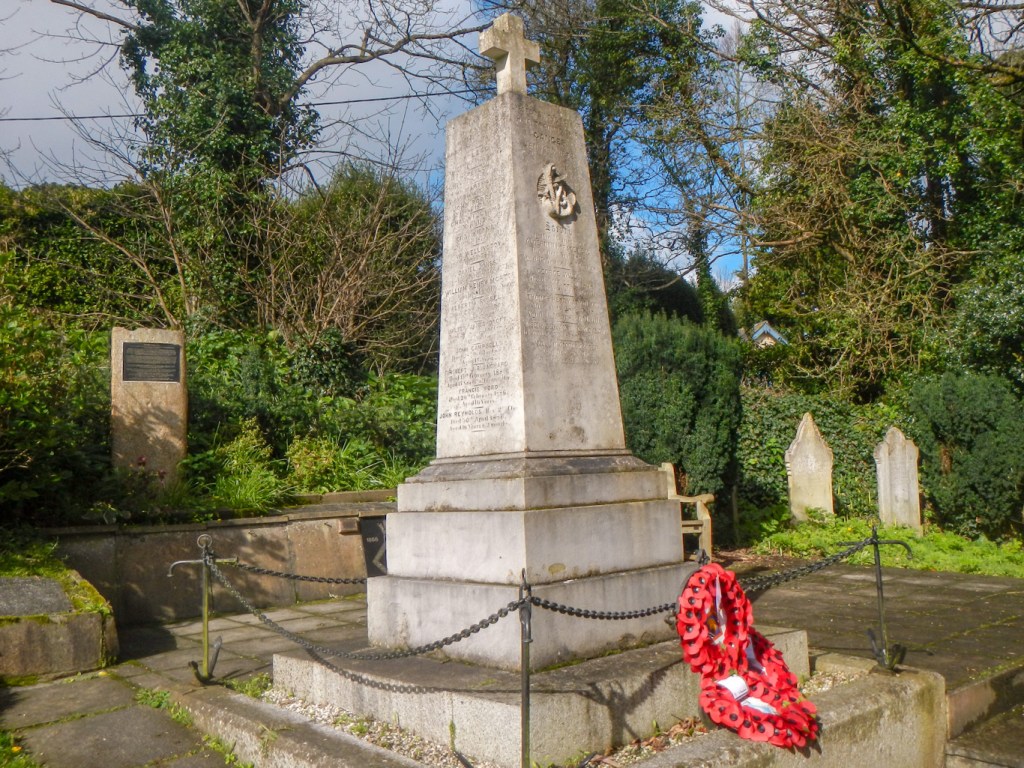
Mylor Churchtown is where national sailing teams are trained. However it also has a fascinating churchyard which seems to be very well looked after by a local team of volunteers. I was amazed by some of the long inscriptions on the graves giving details of the lives and death of those buried, including a 12 year old girl who had died after a 15 hours illness. There are also prominent memorials to the Warriors who perished in a shipwreck nearby on their return from Spain and to the 53 boys who died during training on HMS Ganges between 1866 and 1899.
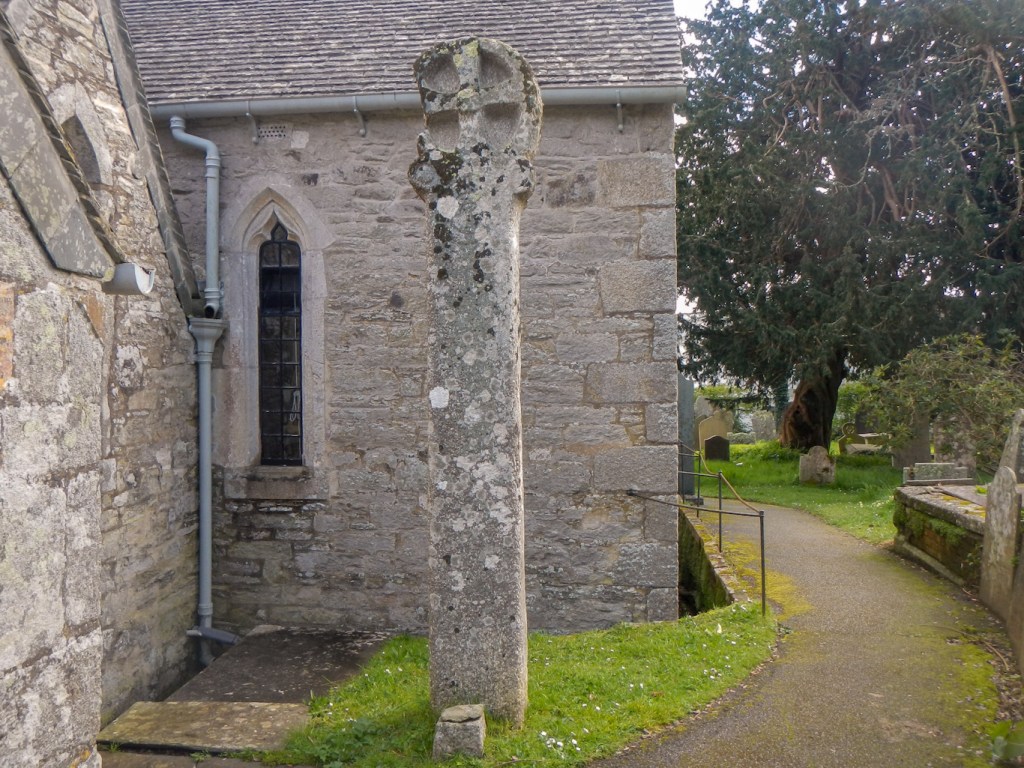
At the entrance to the church, stands one of the oldest Celtic crosses in the country.
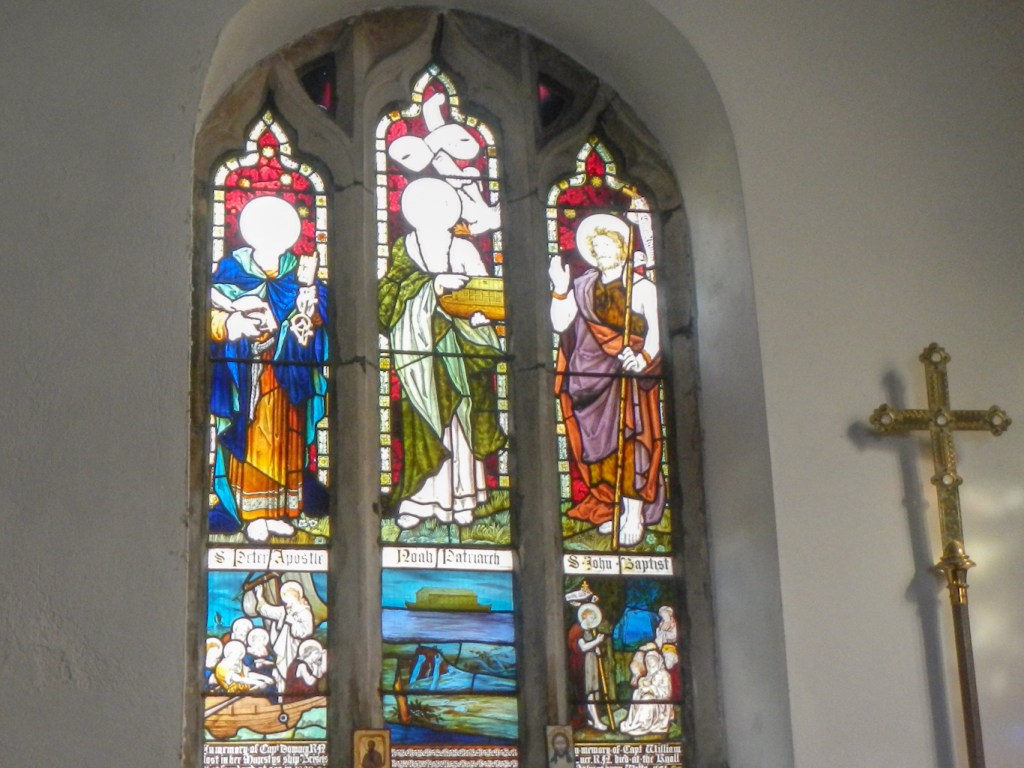
Inside the church, stained glass windows include one depicting Noah and his ark.
I explored various ruined fortifications and batteries originally built for the Napoleonic wars and in intermittent use right up to the Second World War.
Many of the paths were almost deserted except near the villages. However all the people I met as I walked were very friendly. I even managed to be helpful when coming across a child being comforted by his parents with a small cut on his hand after a fall. I supplied a plaster from my first aid kit (Be Prepared!) with instant cure once his mother had applied it! The problem then was for the parents to explain to “Grandad”, who had rushed back “home” for a plaster, that it was no longer needed, but I didn’t wait around to see what happened.
My adventure on the ferries and walking around the creeks and shores of the Falmouth and Roseland areas was over all too soon. I caught my final ferry back to Falmouth and walked for my last time up what had become a familiar hill to the campsite.

 Where's Kathryn?