15 September 2022
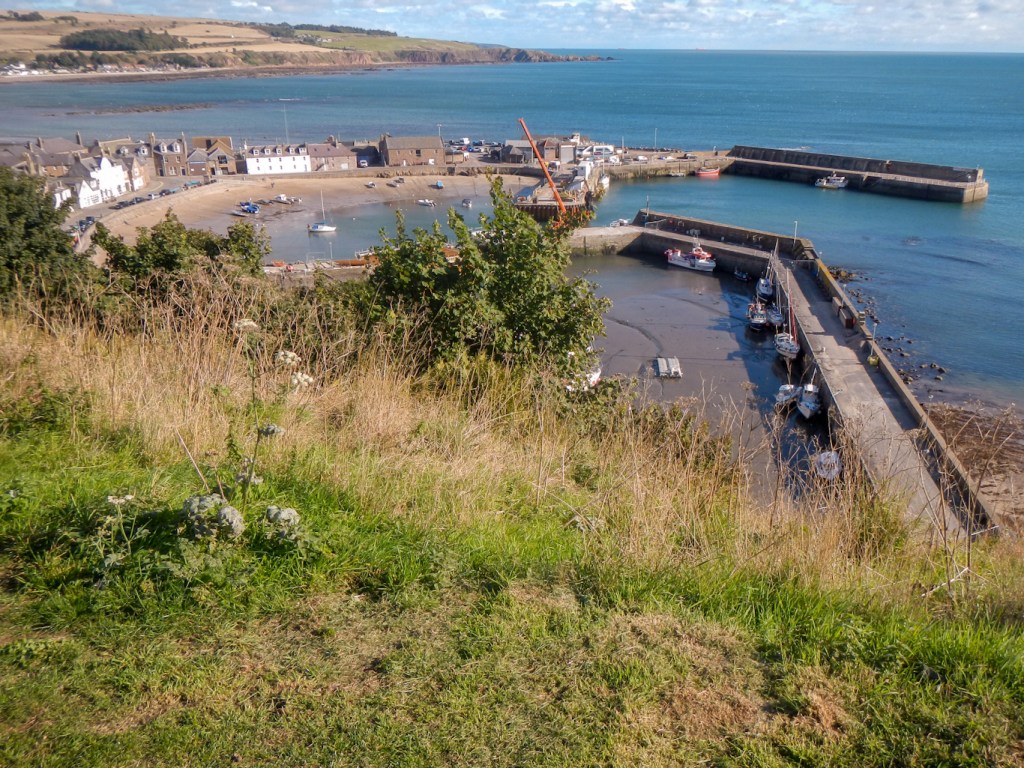
We walked out of our hotel on the harbour front in Stonehaven, followed the harbour road and then turned to climb steeply up a footpath. The views down to the harbour were stunning.
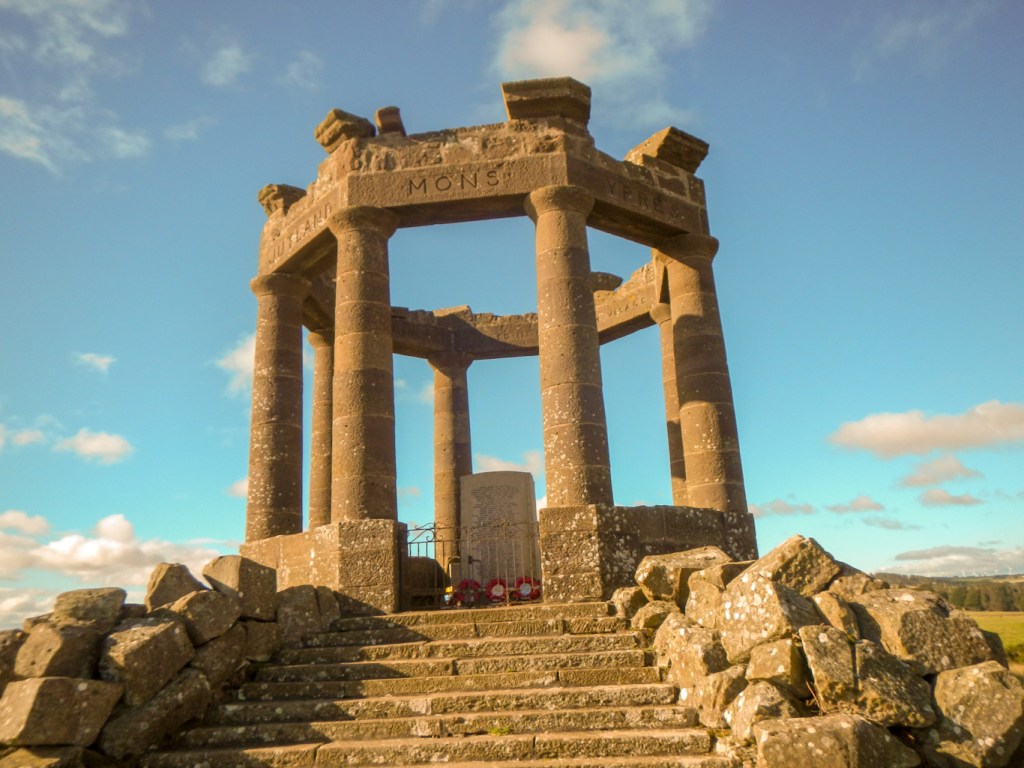
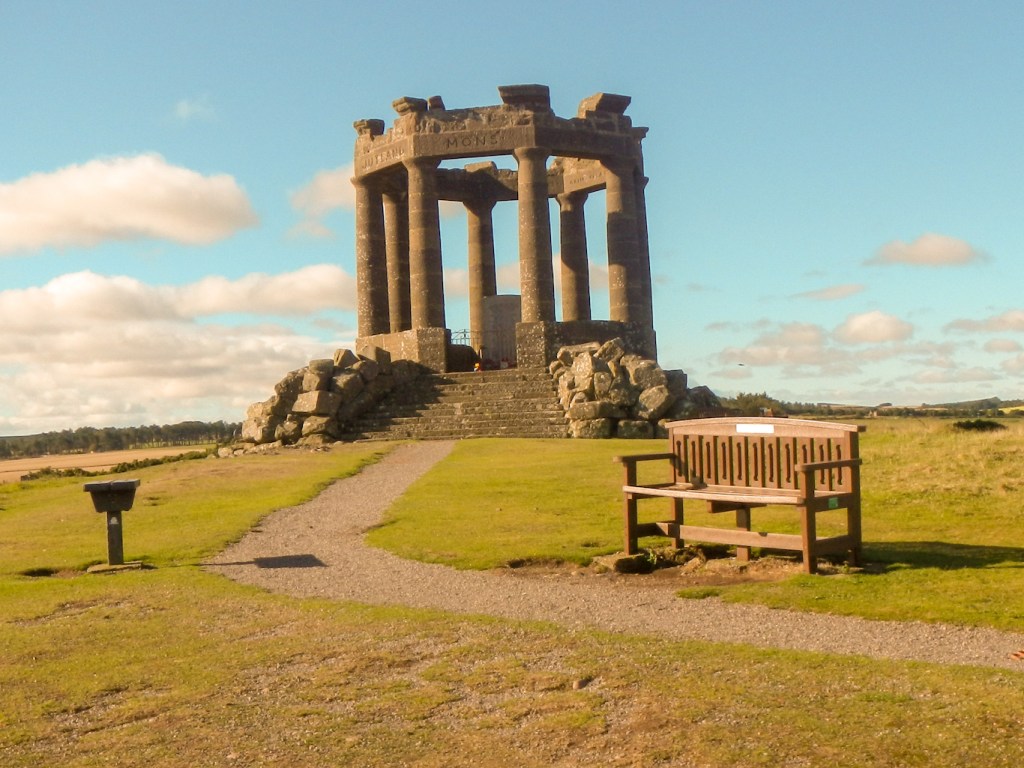
Before long we had reached a turning to an impressive war memorial on the summit of Black Hill. The Stonehaven architect, John Ellis, was appointed in 1921 to design a memorial to commemorate over two hundred men from the town who were killed in World War I. A public vote favoured a memorial in full sight on Black Hill rather than a granite cross to be located in the market square. The memorial is designed to mimic a ruined octagonal Greek temple with Doric columns supporting an inscribed lintel. The resemblance to a ruined classical temple was deliberate and intended to symbolise the many shortened and ruined lives. The names of those lost in World War II were inscribed later. It is indeed a poignant reminder of those lost. It dominates the surrounding area. During our visit, we were buffetted by a strong and gusty wind, adding to the atmosphere of the memorial. Surrounding the memorial are several benches dedicated to further young lives lost.
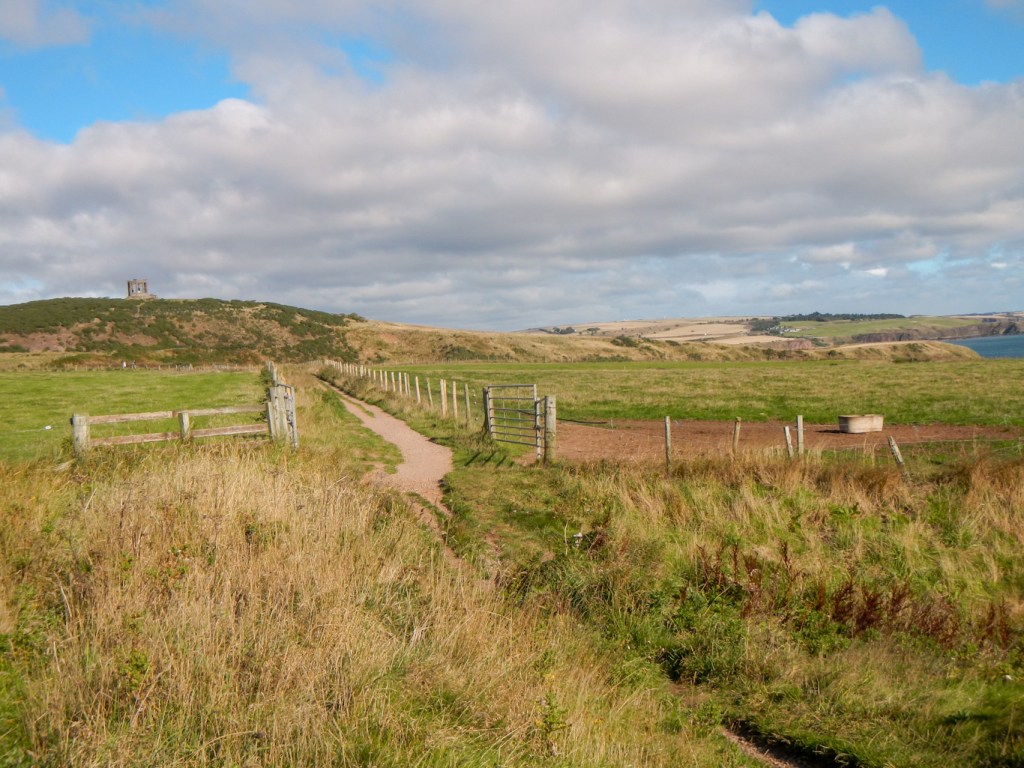
Having explored the memorial, we returned to the main path and it wasn’t long before the impressive castle ruins appeared, along with views of dramatic cliffs, stacks and arches.
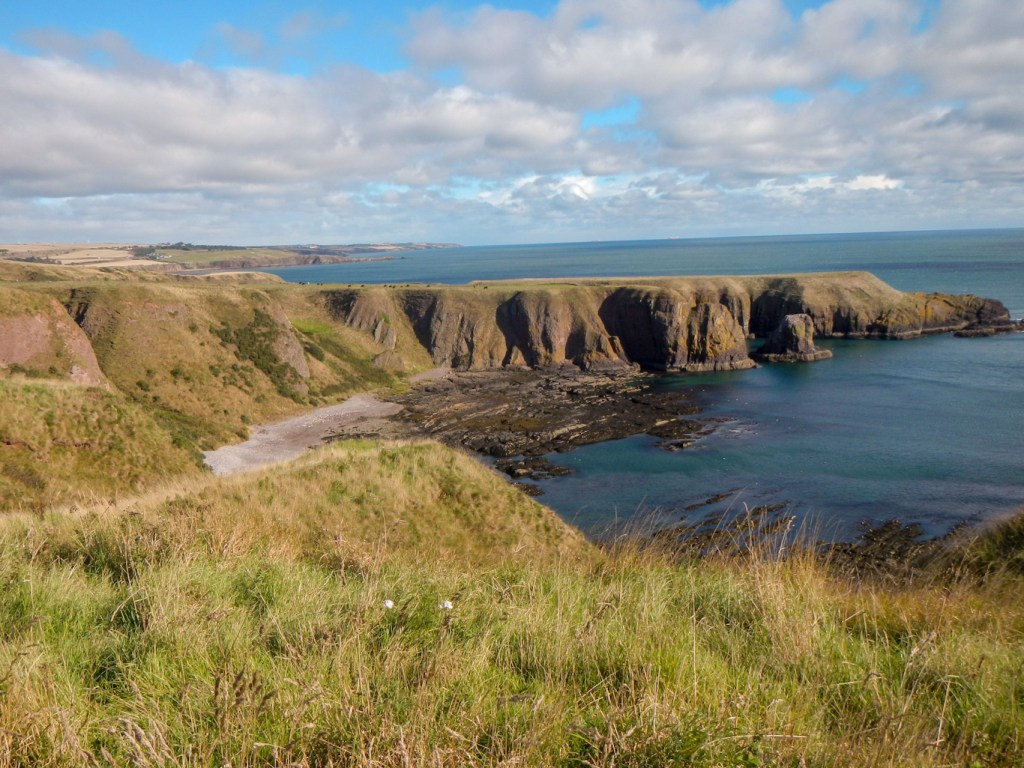
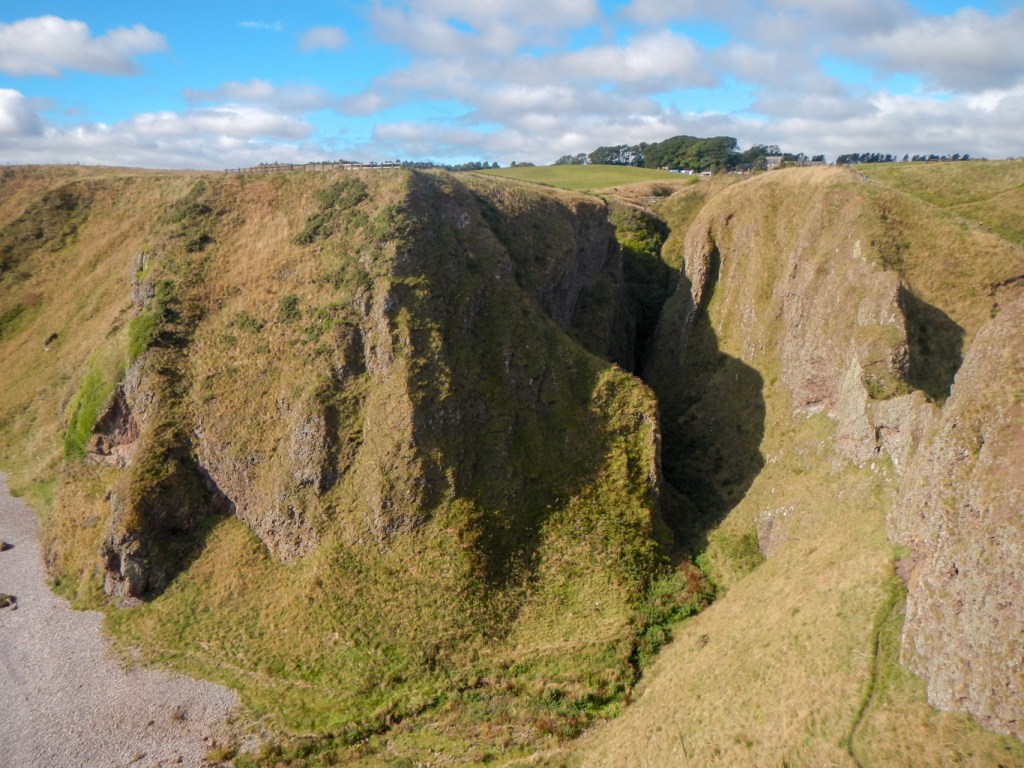
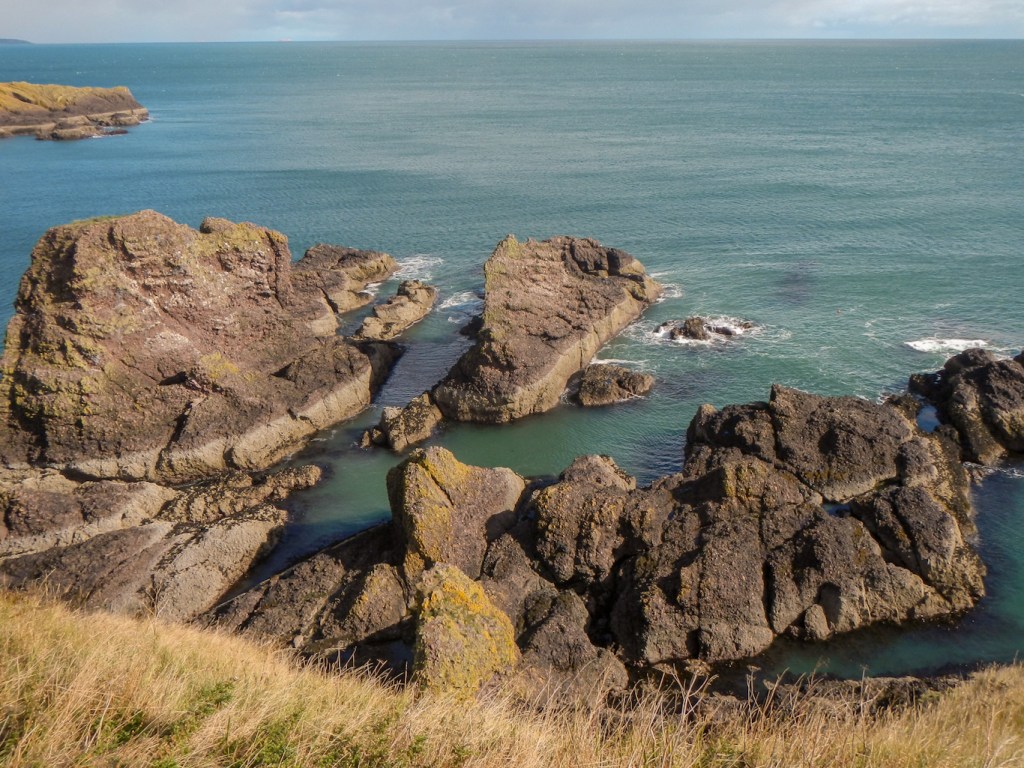
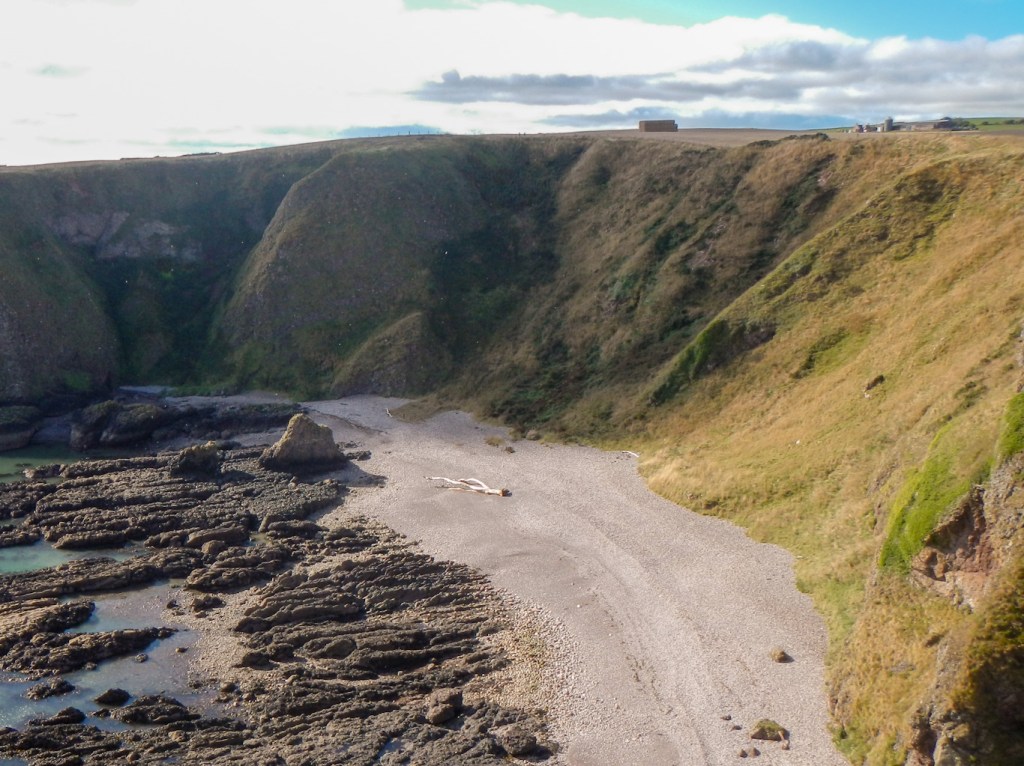
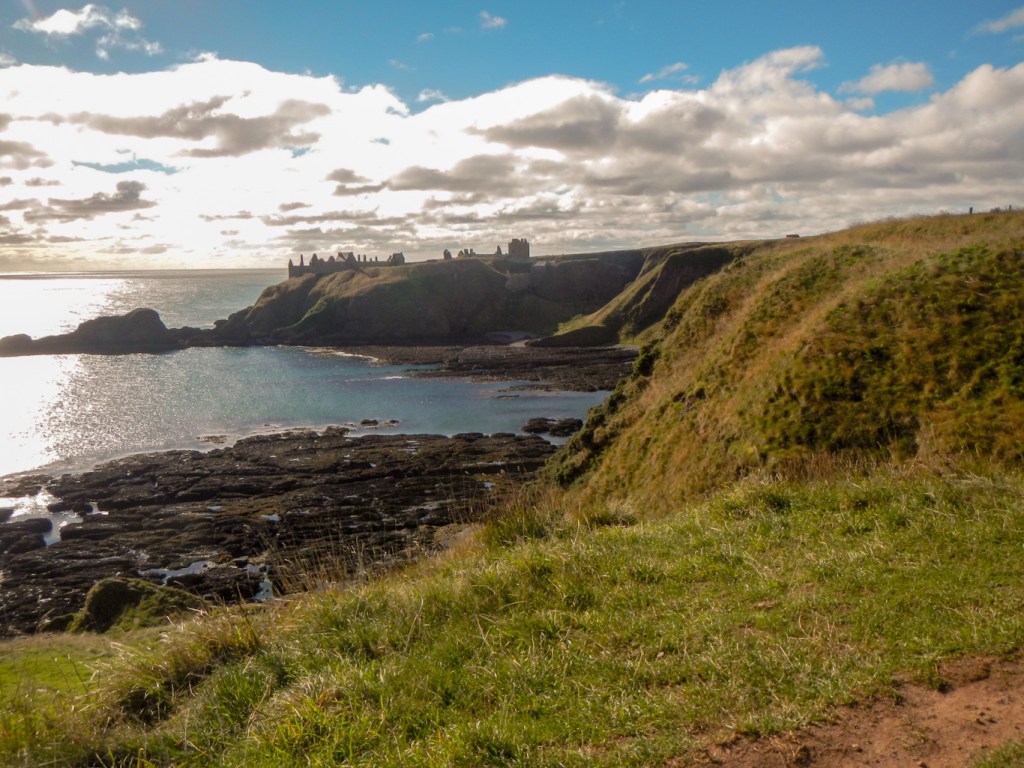
Eventually we arrived opposite the castle and braved the over two hundred steps in windy conditions from the cliff top to the castle entrance. The castle is perched on a 160 foot rock and surrounded on three sides by the North Sea. The dramatic and evocative cliff-top ruins were once an impregnable fortress of the Earls Marischal, at that time one of the most powerful families in Scotland.

The extensive site was well worth exploring. It has eleven distinct buildings dating from the 13th to 17th centuries. The rock and the buildings have borne witness to much of the rich tapestry of Scotland’s history. This includes a victory by William Wallace, a siege when held by the covenanters, and a siege against the English in 1651. On this last occasion, the Scots surrendered but not before the prize of the Scottish crown jewels had been safely smuggled out.
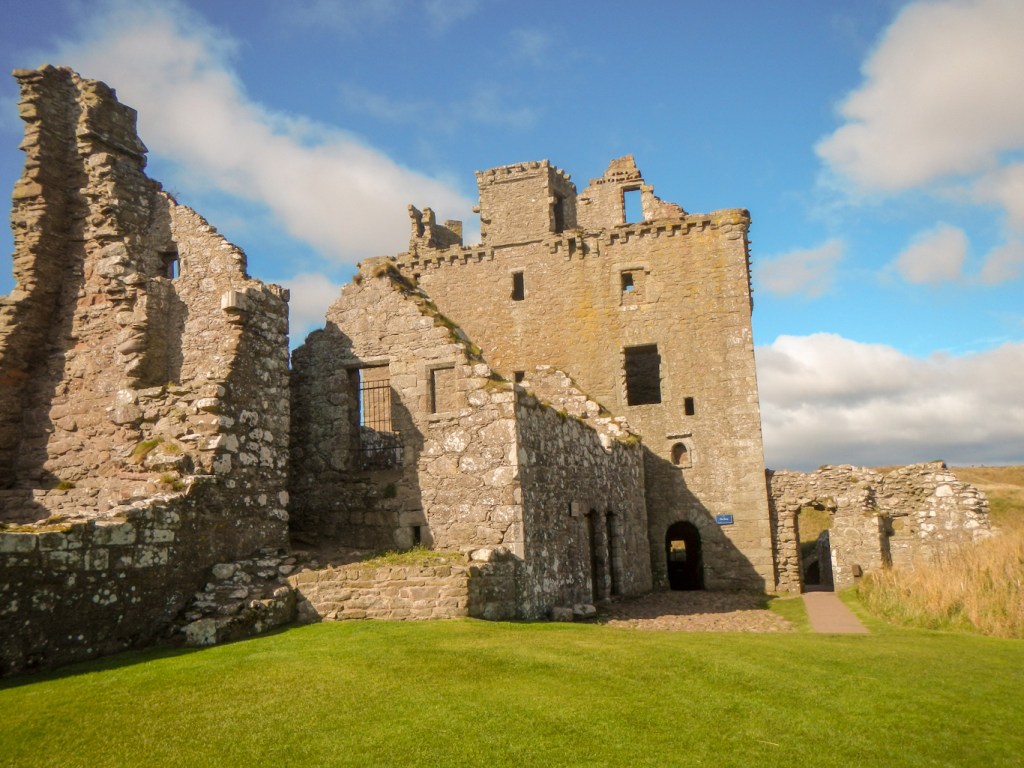
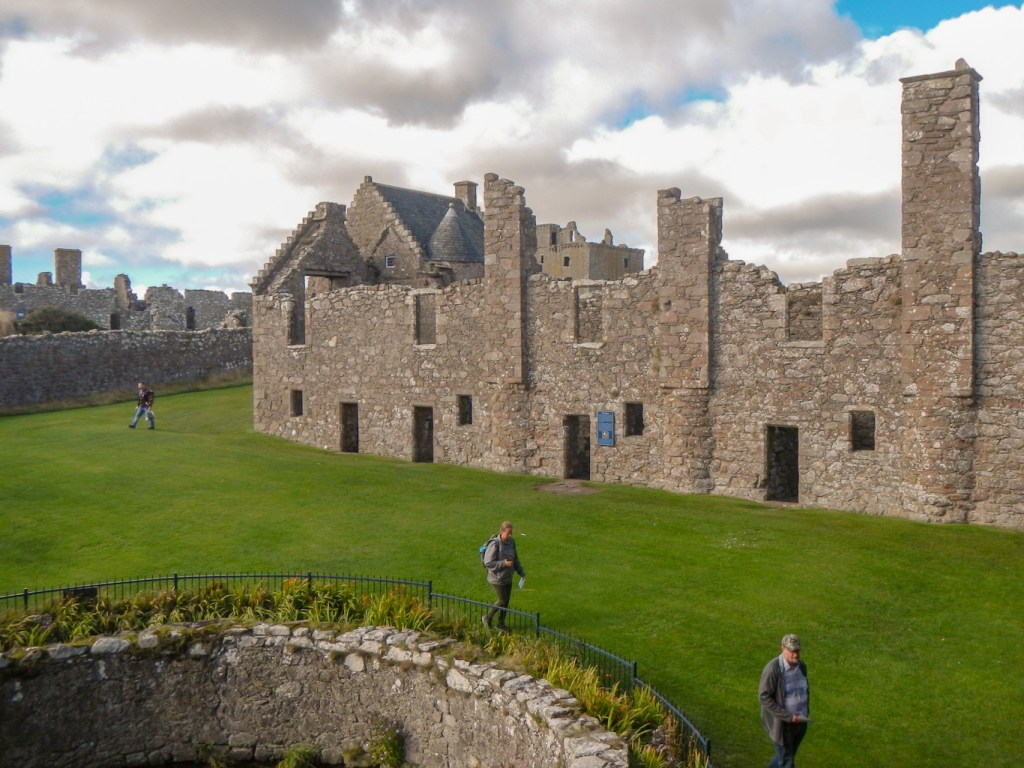
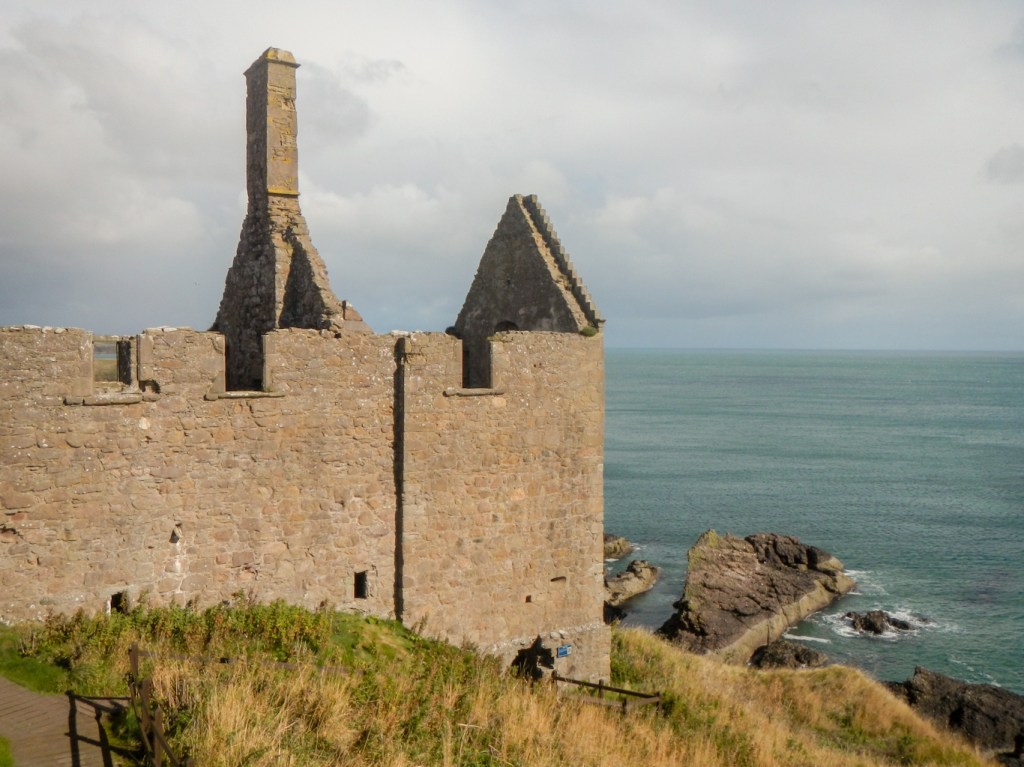
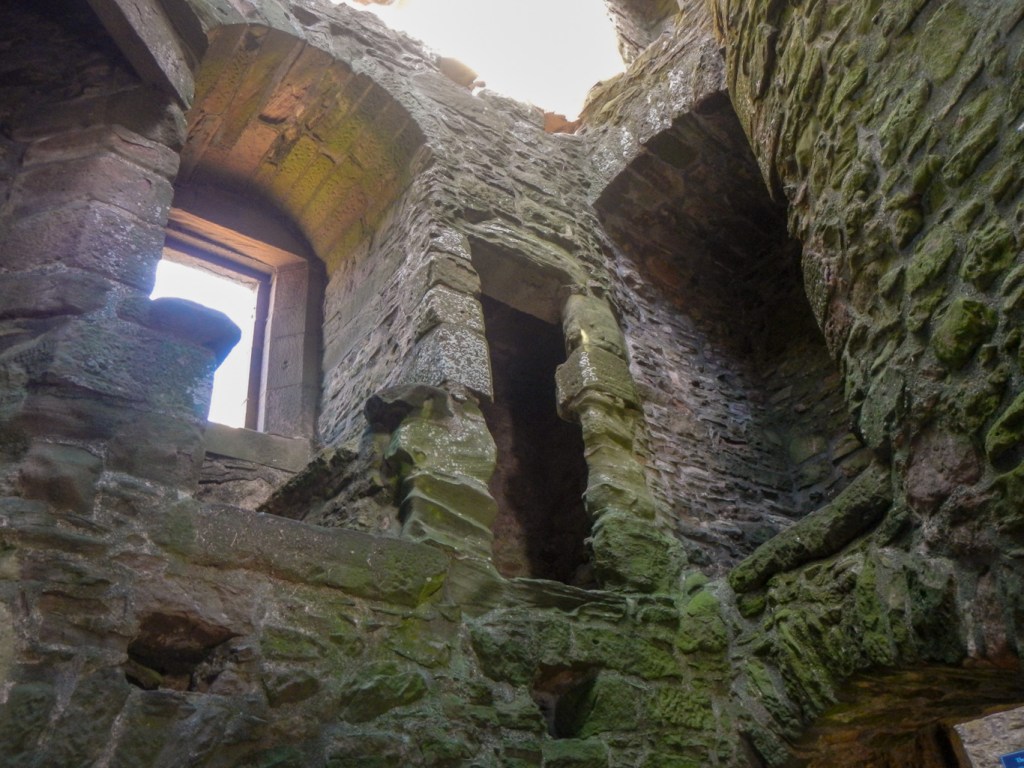
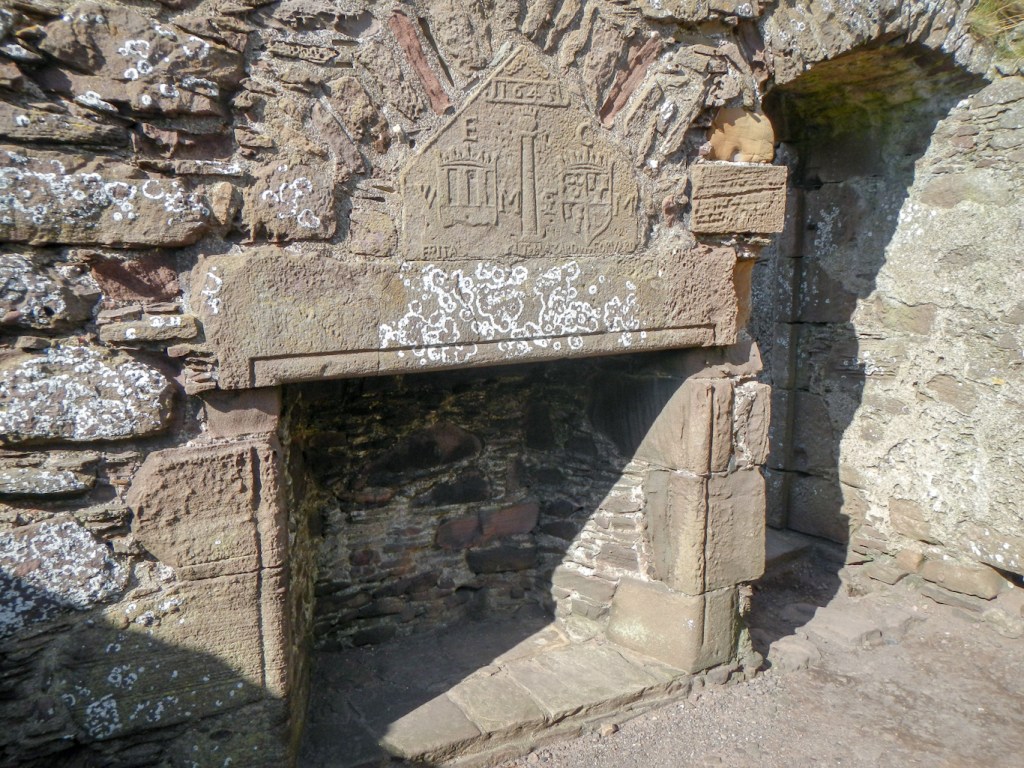

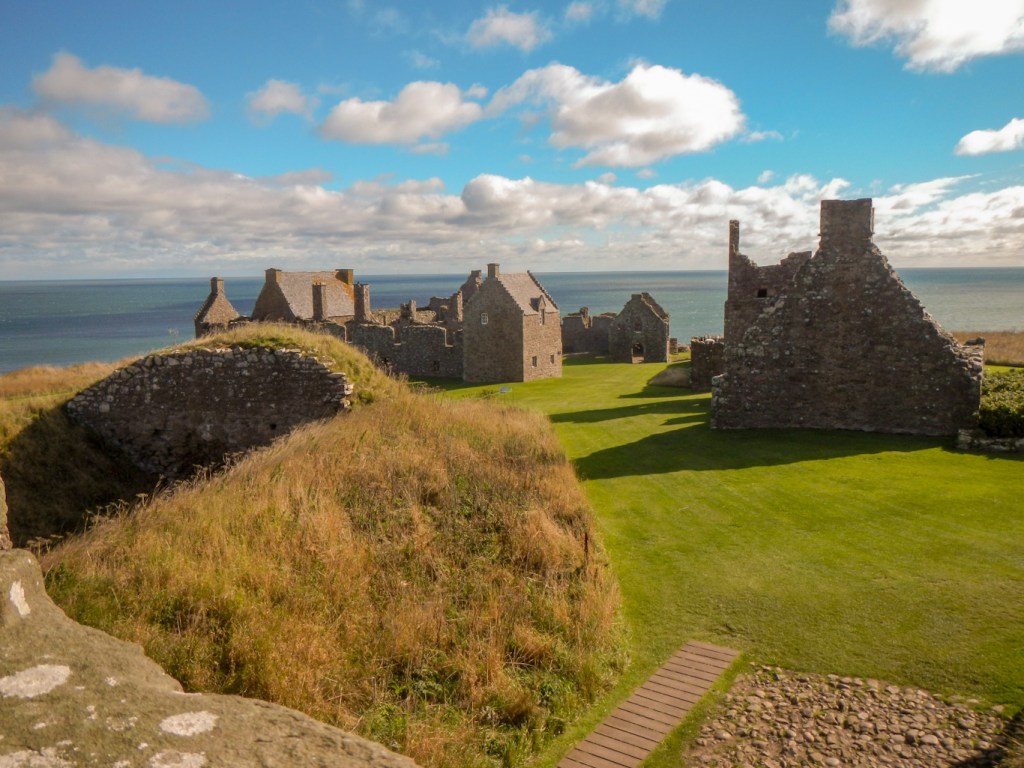
After our exploration of the castle, including many fascinating nooks and crannies, we returned to Stonehaven around the scenic coast. However, we became caught in a sudden squally shower which we saw in the distance and reached us in seconds driven by the strong winds. Despite walking into the wind, our return walk was much faster than our amble admiring the scenery earlier in the day.
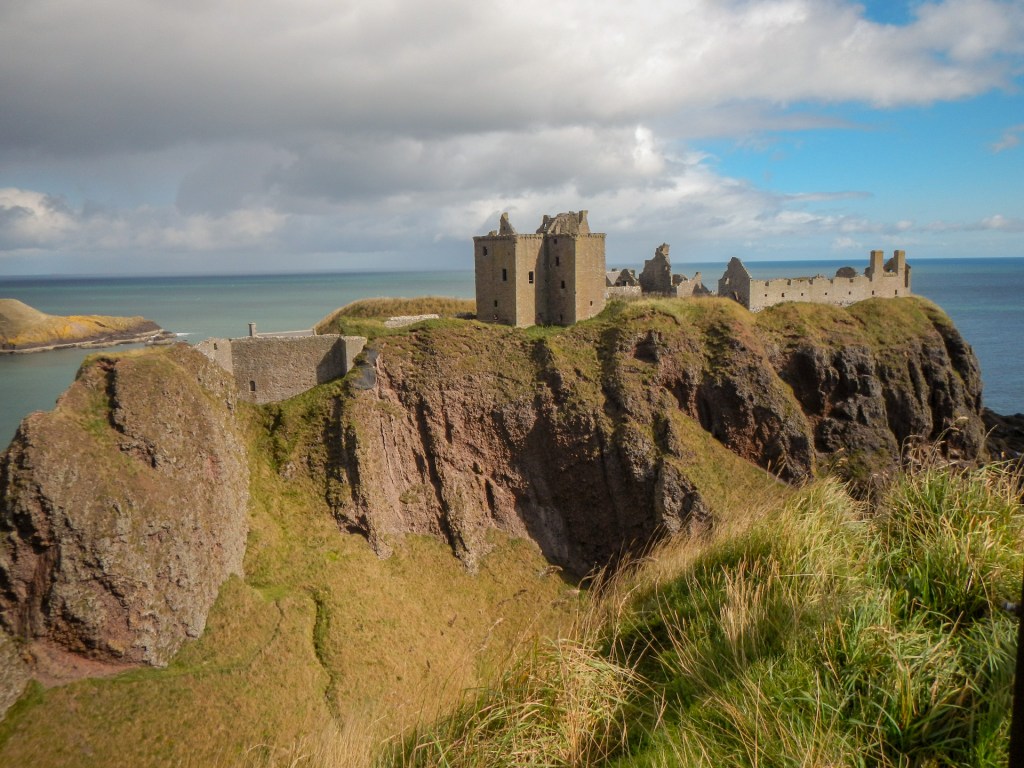
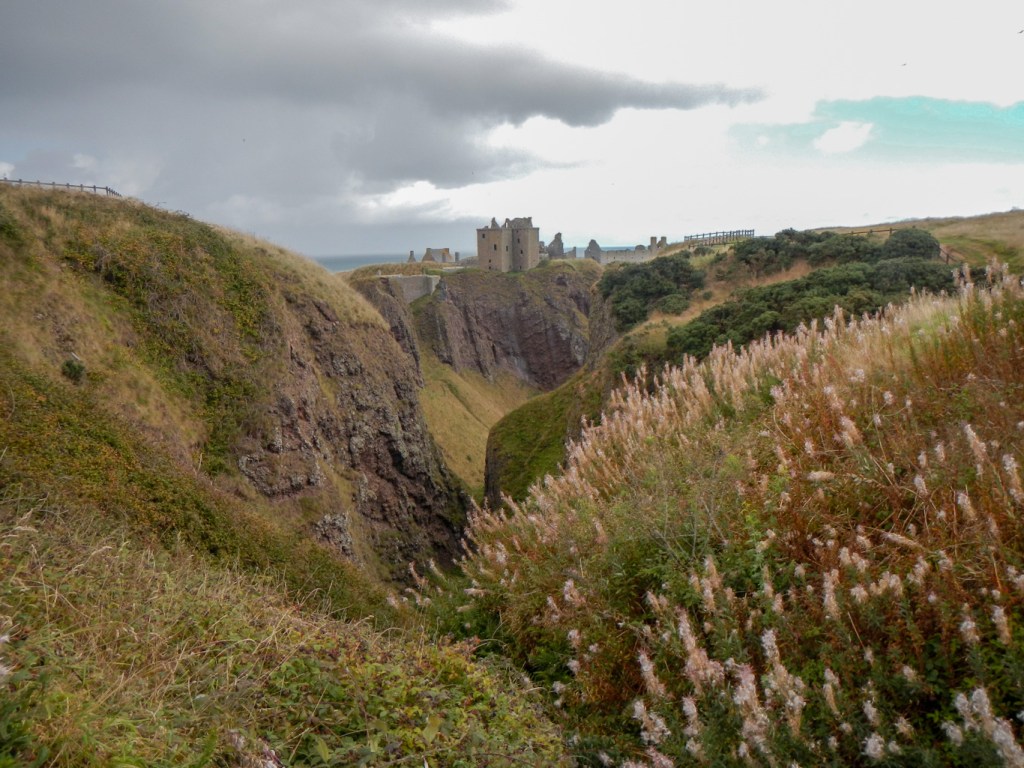
The castle website says “A magical place to visit. Everyone should see it in their lifetime.” Obviously they are keen to sell tickets, but I would agree that this castle together with its amazing cliff top location is the stuff of fantasy and demands exploration.

 Where's Kathryn?