23 April 2022
The weather forecast favoured me – dry, warm but not hot and excellent visibility. It was a fine day to spend tramping on the multiple rural footpaths near Winchcombe.
It didn’t take long to leave the hustle and bustle of the town behind me. Initially I passed the medieval castle grounds then continued up the peaceful valley. It took me under an hour to reach Spoonley Wood and very little time to discover the remains of a Roman Villa. A narrow footpath led to a small structure roofed with corrugated tin. Under the roof were a couple of plastic sheets secured in place with flat stones. I carefully removed the sheeting to reveal a remarkable piece of Roman mosaic and, of course, took multiple photographs.
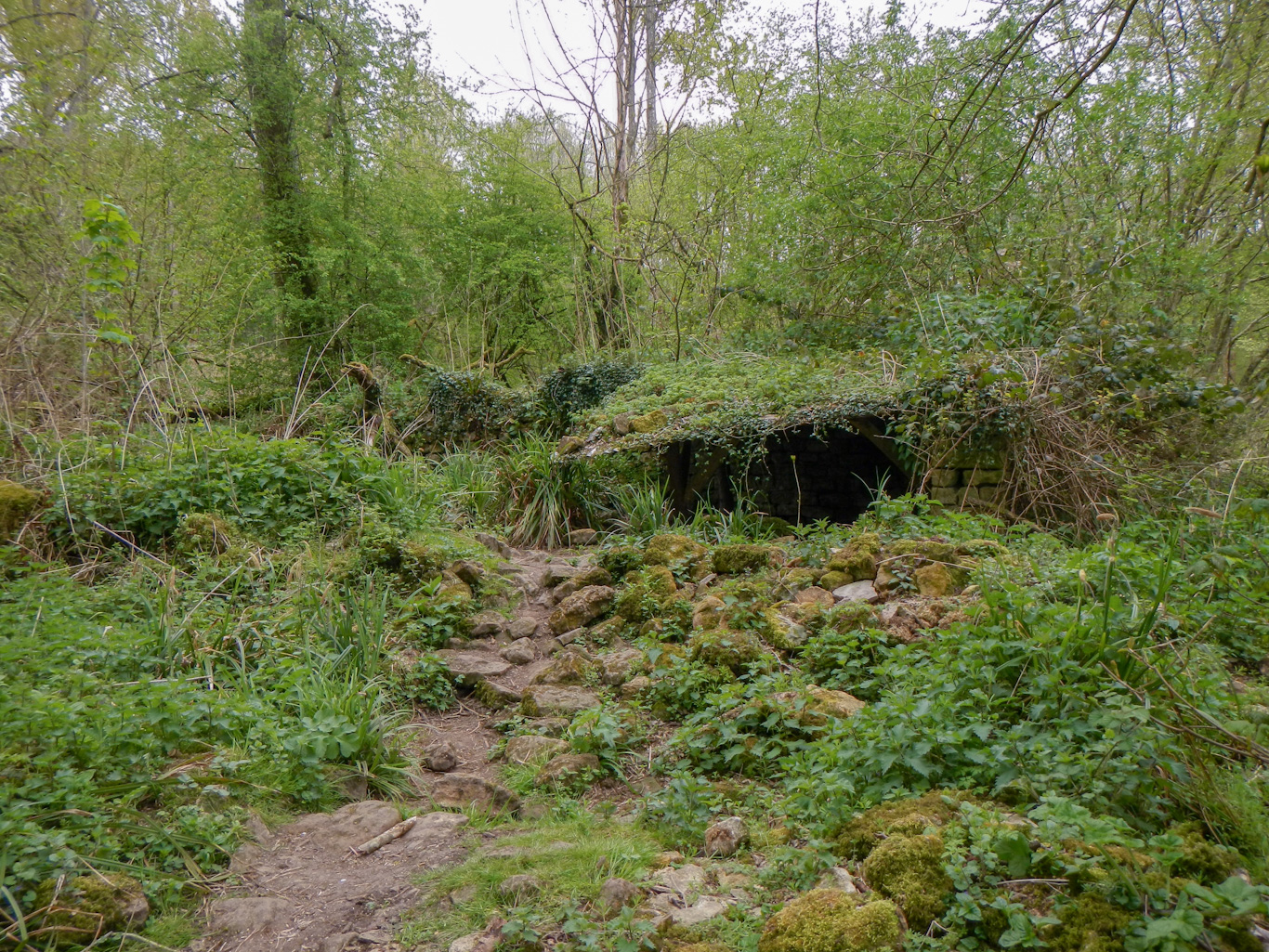
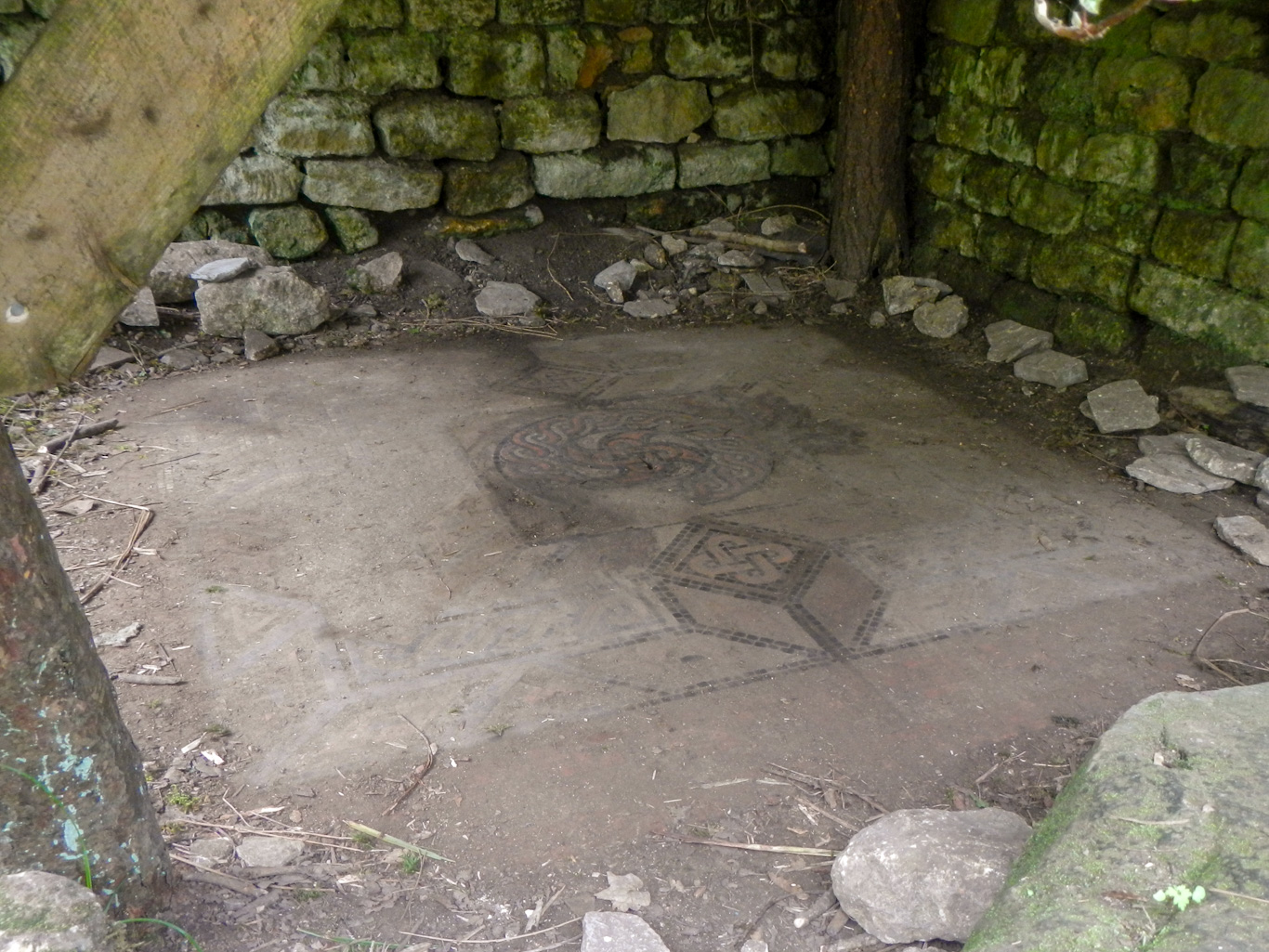
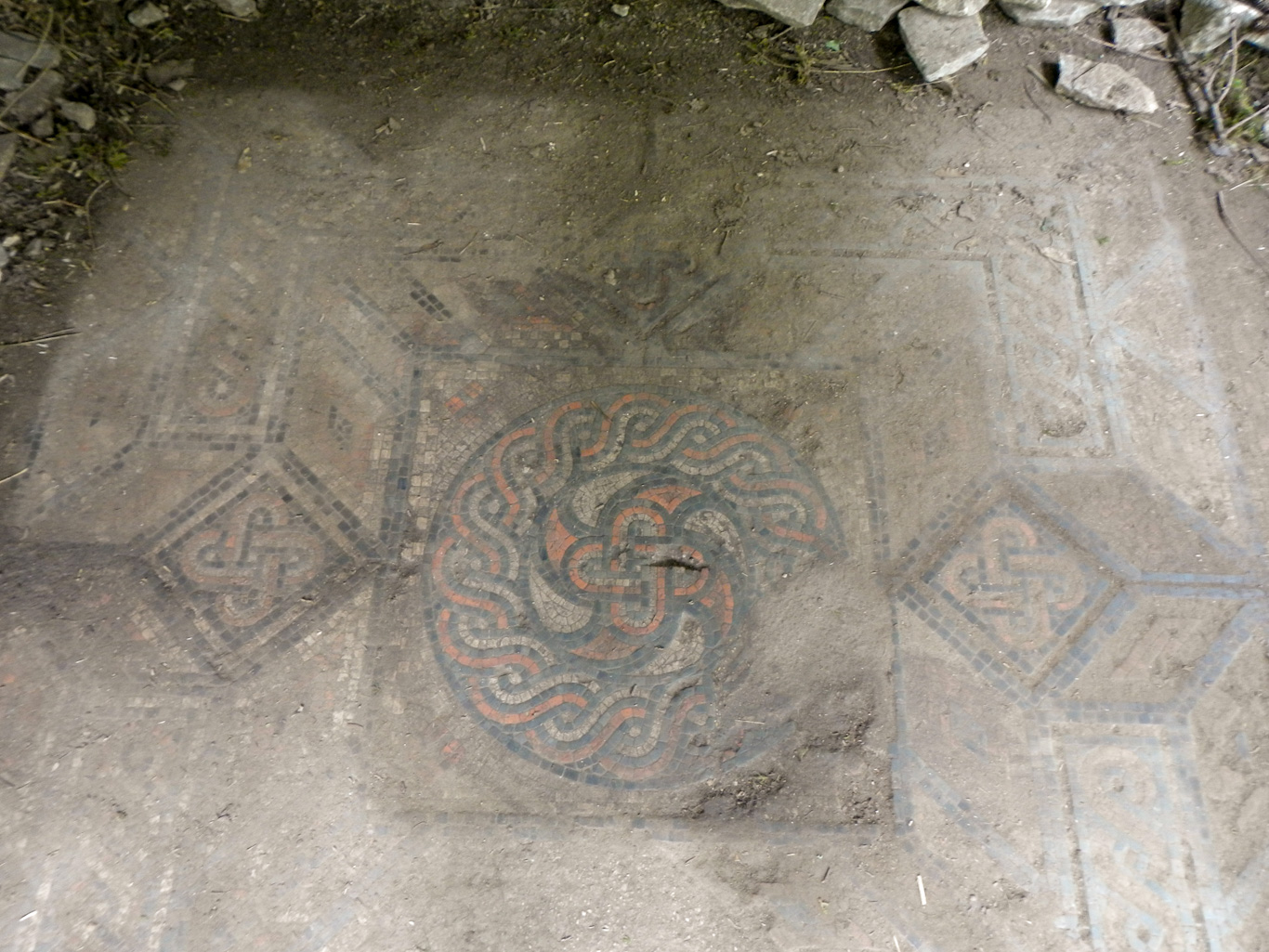
The mosaic appears to be fairly well visited – I signed the notebook inside a geo-cache box. I proceeded to cover up the mosaic again. Fortunately it appears that all who visit here take care and respect this amazing and irreplaceable find.
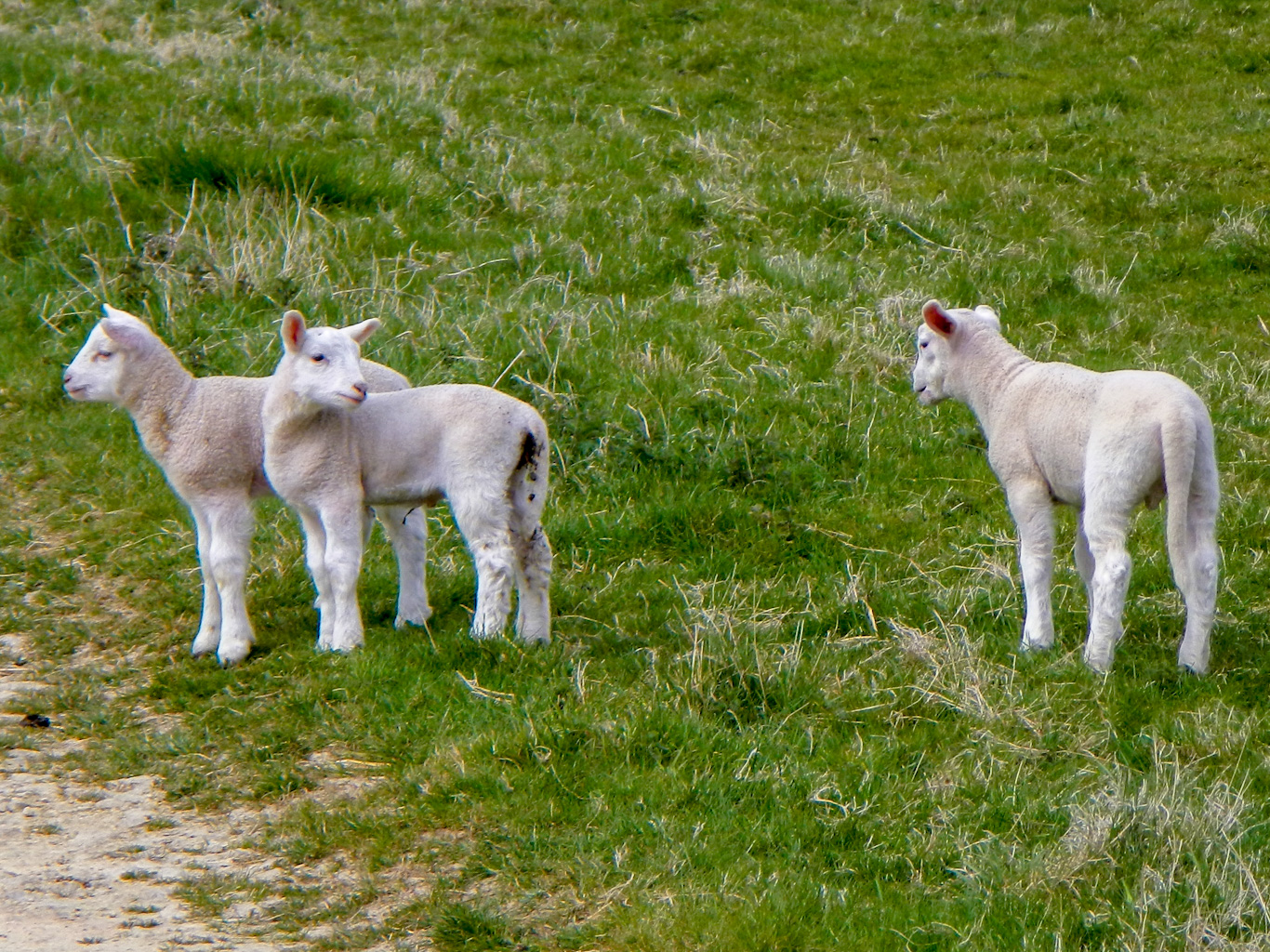
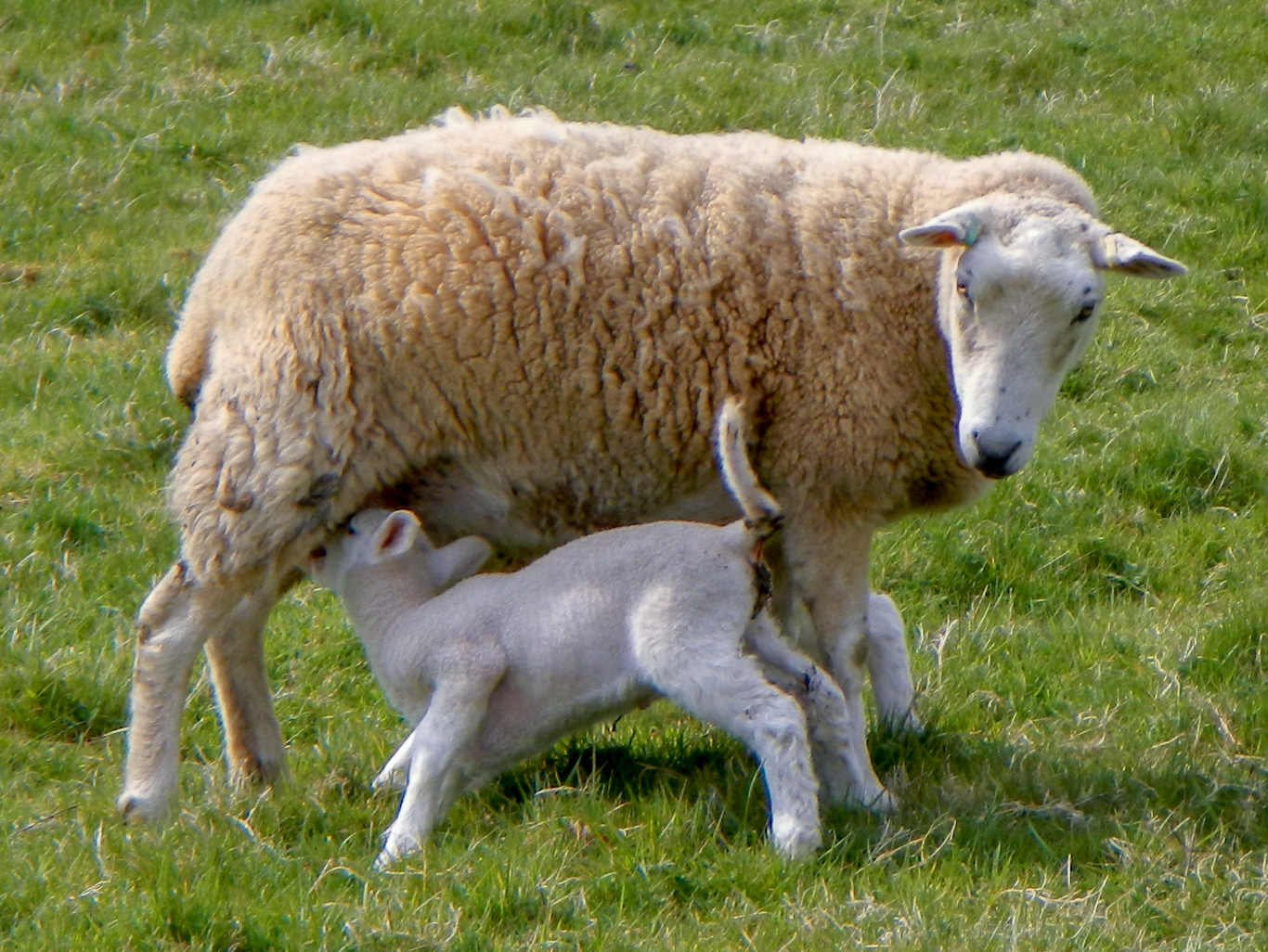
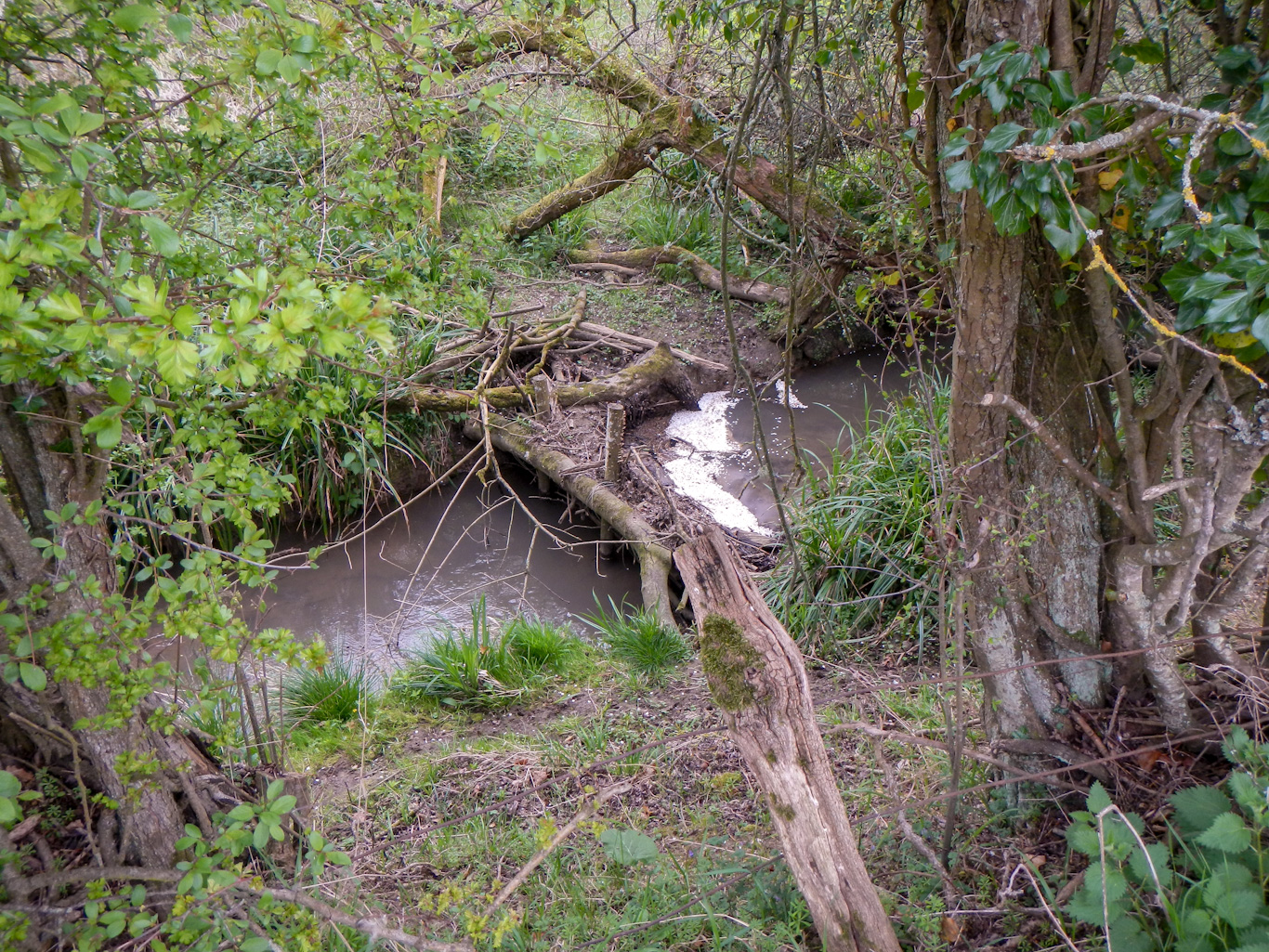
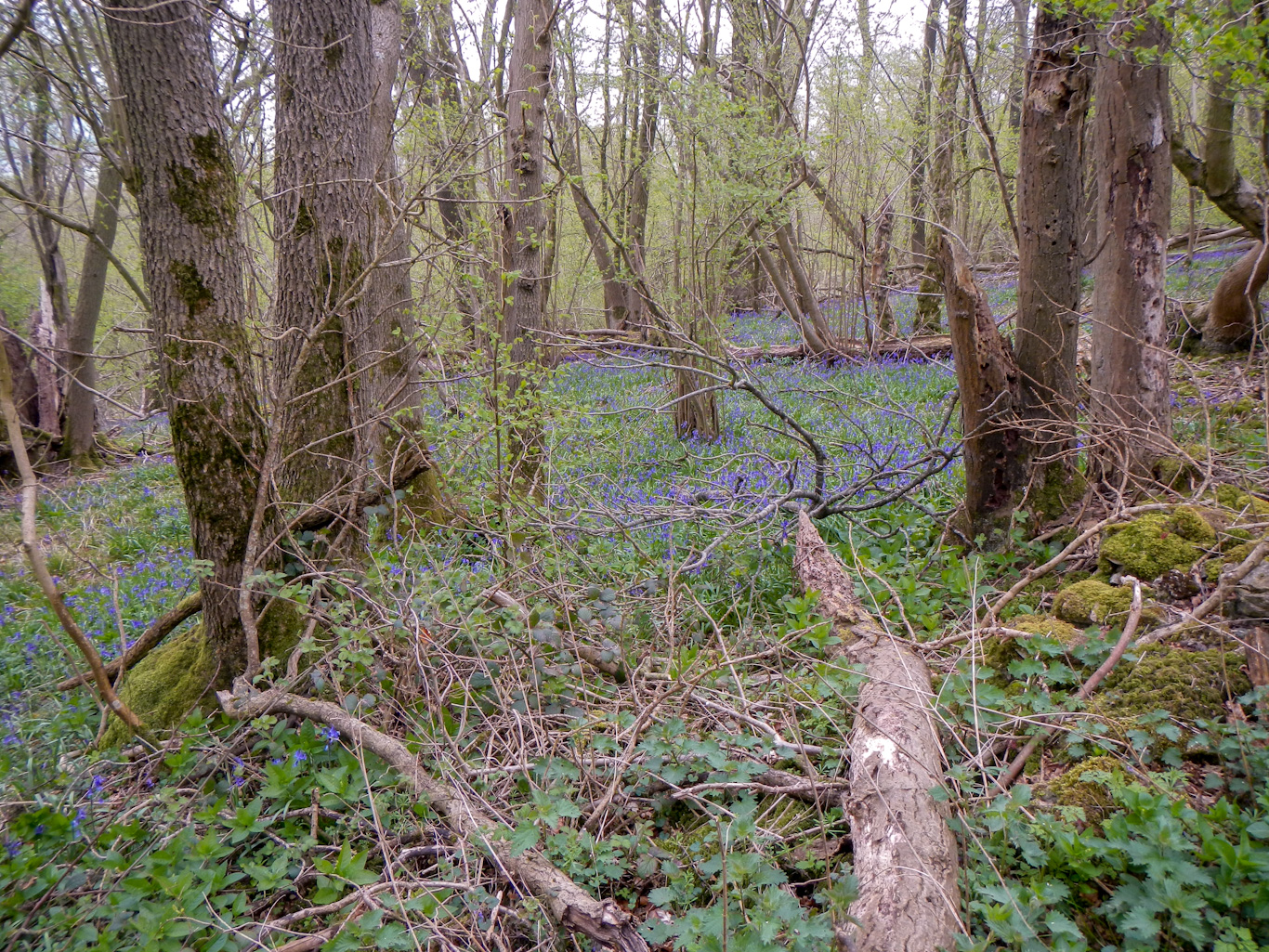
I retraced my steps through the wood and made my way on a variety of footpaths, tracks and quiet lanes towards my next main objective – the Belas Knap long barrow. I walked through fields of lambs and sheep, past some conservation areas and also noted a “natural” flood prevention project where leaky dams had been made on a stream. The woods nearby were carpeted with magnificent displays of bluebells.
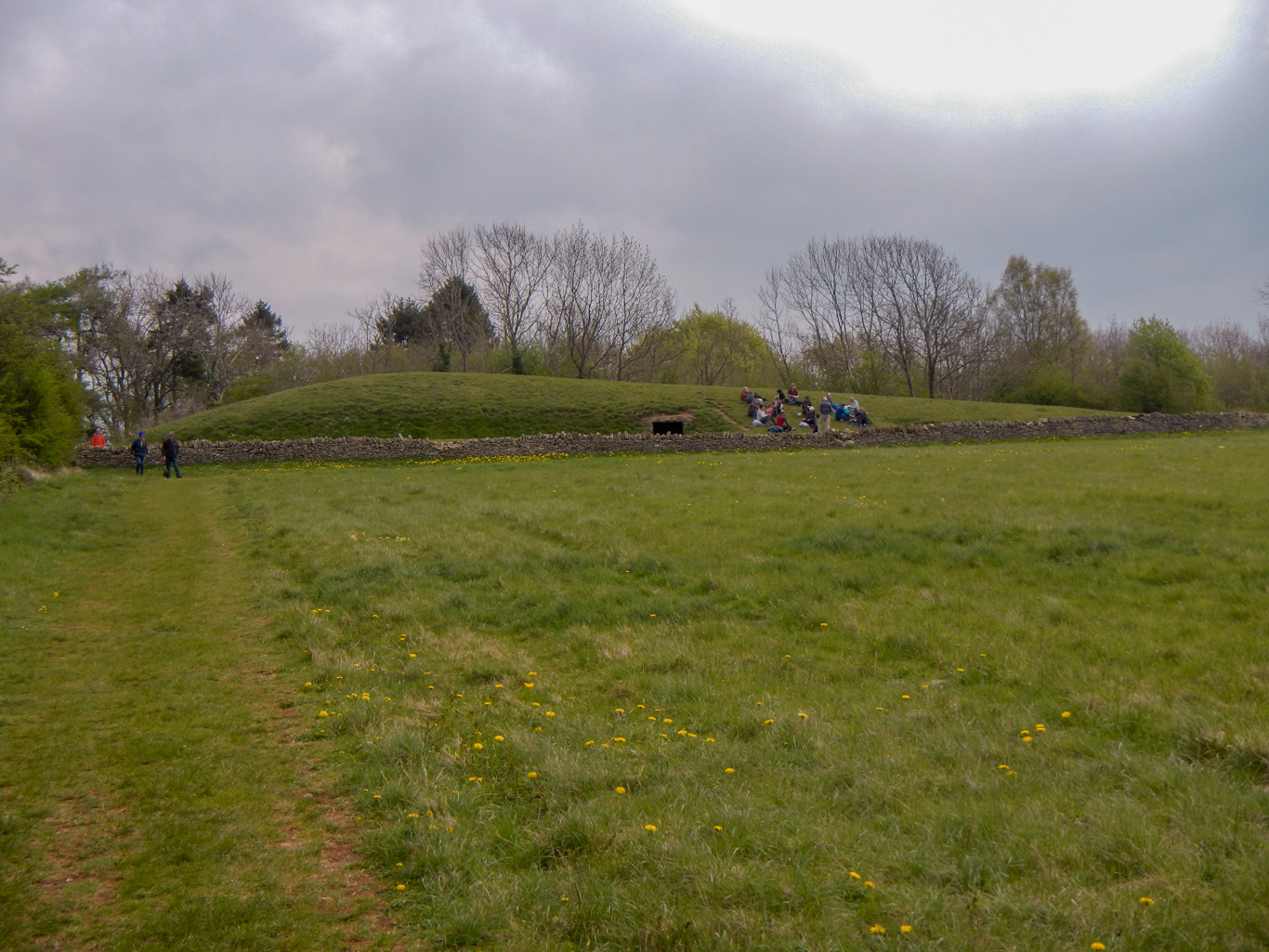
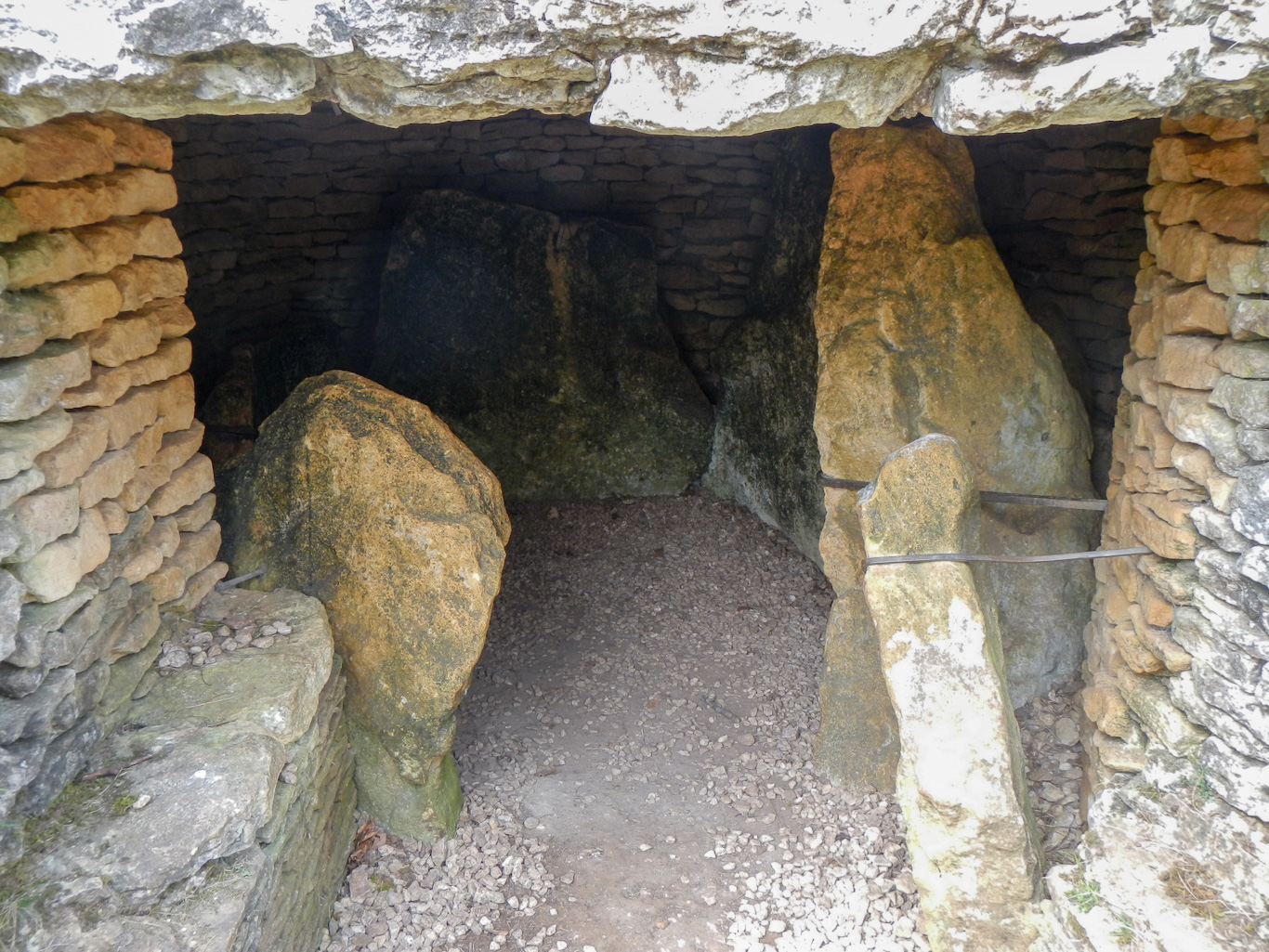
As I approached the long barrow, there were many other walkers – a complete contrast to Spoonley Wood where I had only seen a solitary dog walker. The barrow dates from over 5,500 years ago, with at least thirty eight people buried in four chambers. Roman pottery has been found in the barrow, so it must have been excavated in Roman times.
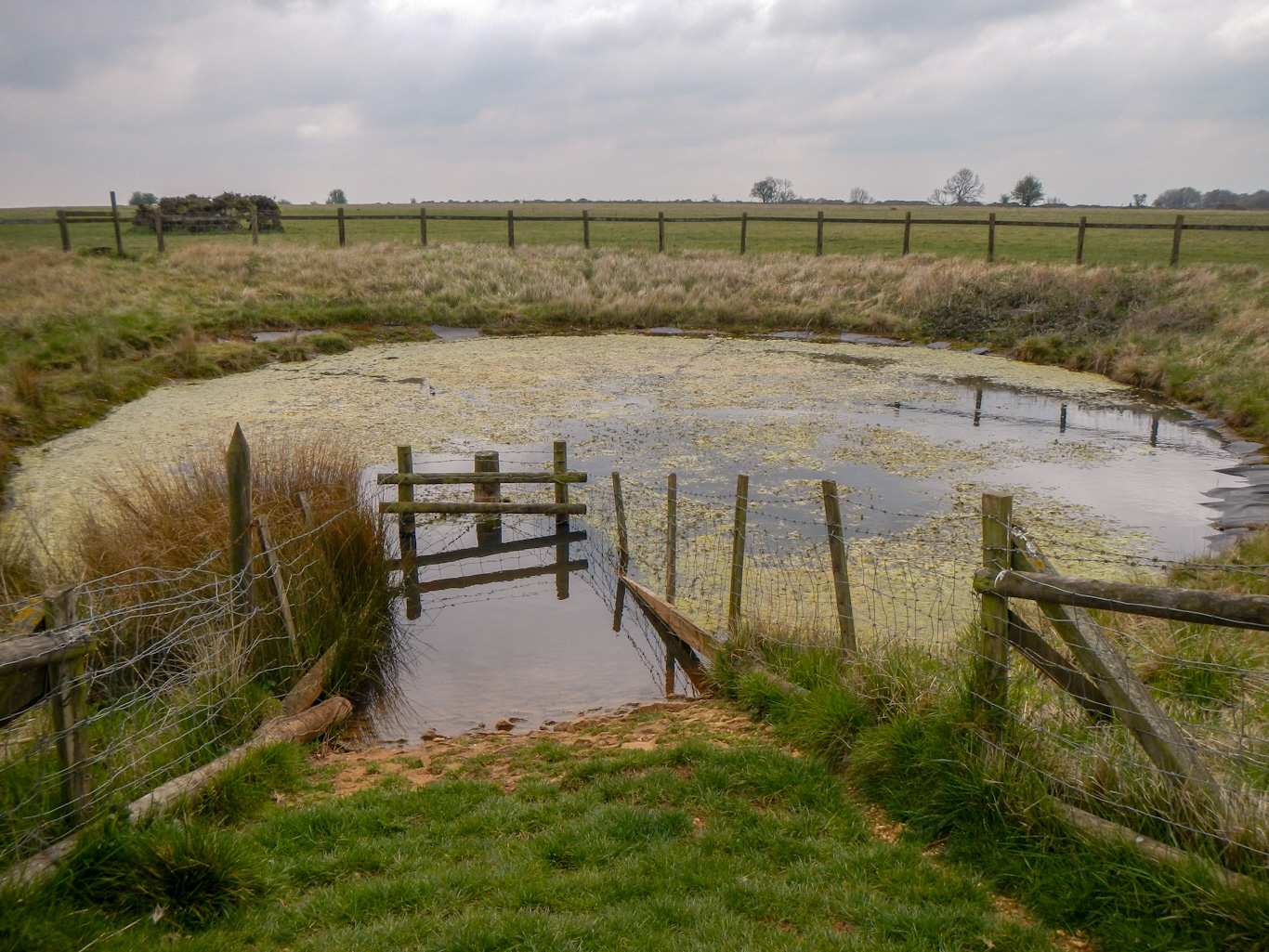
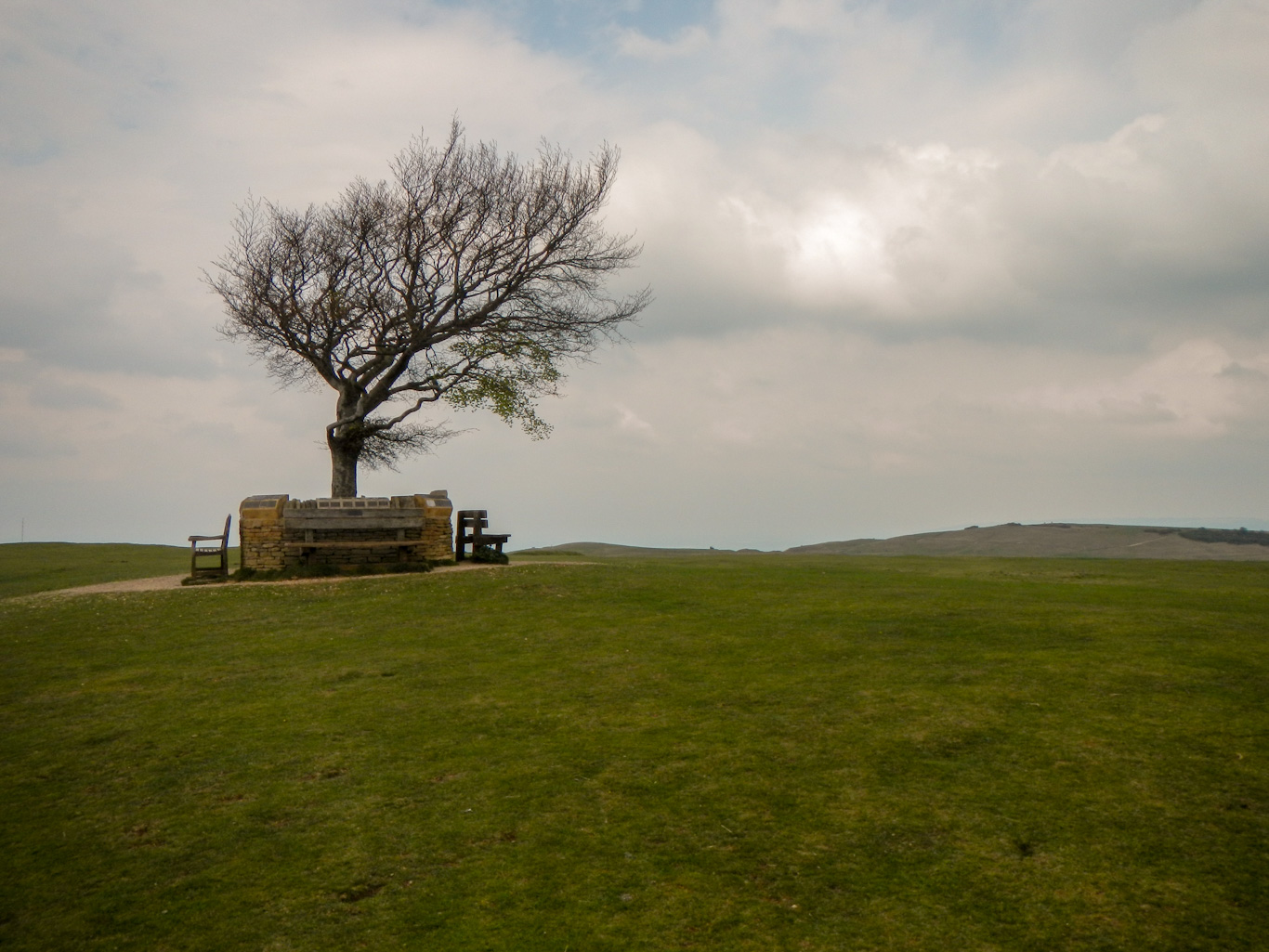
I continued my walk along a section of The Cotswold Way with open views. Soon I crossed from farmland on to the SSSI of Cleeve Hill Common. I passed a dew pond and then a solitary tree used as a memorial to many people.
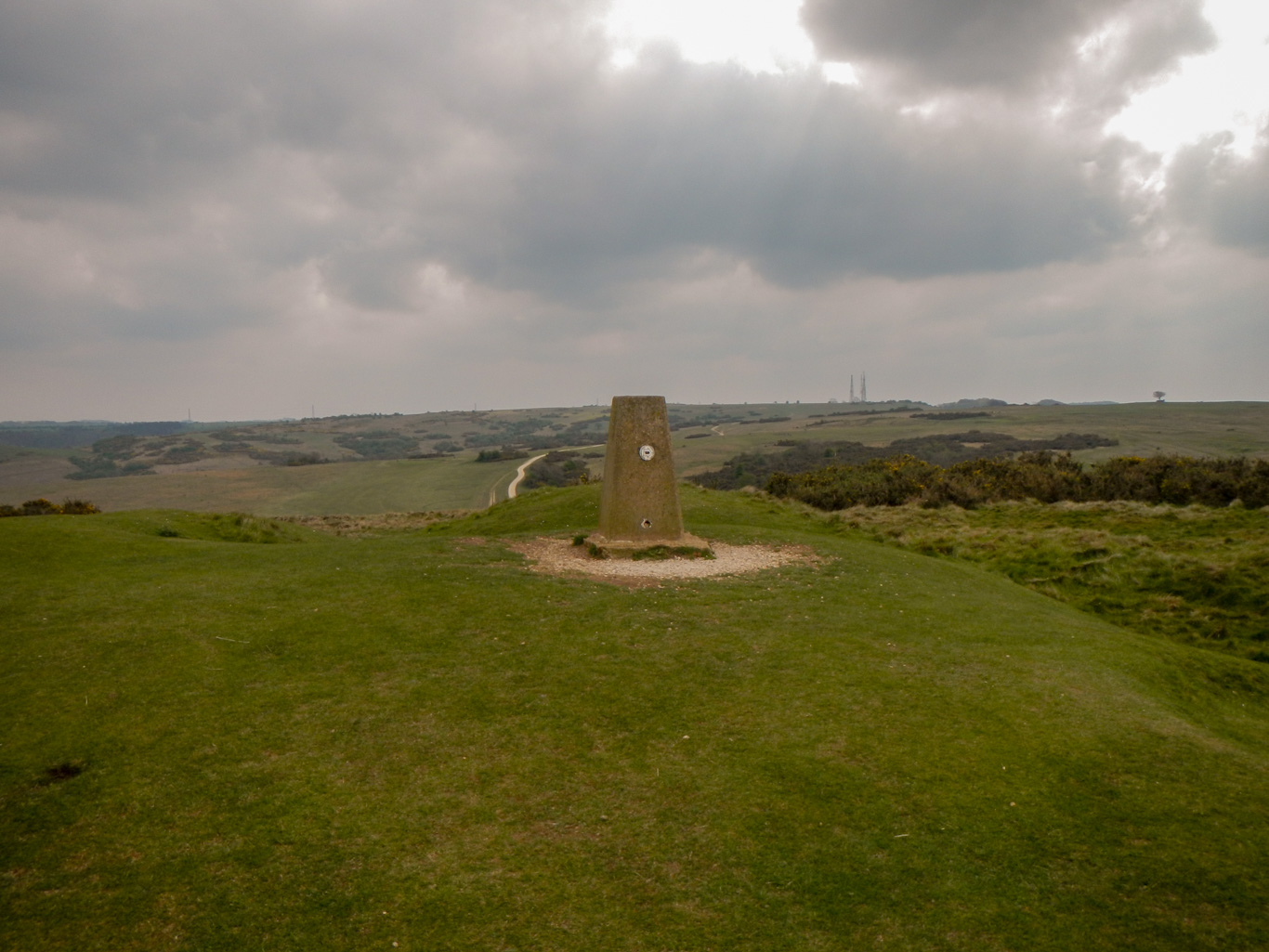
The Common was busy with walkers and golfers. Fortunately I avoided being hit by any flying balls and reached the summit trig point and stunning view point.
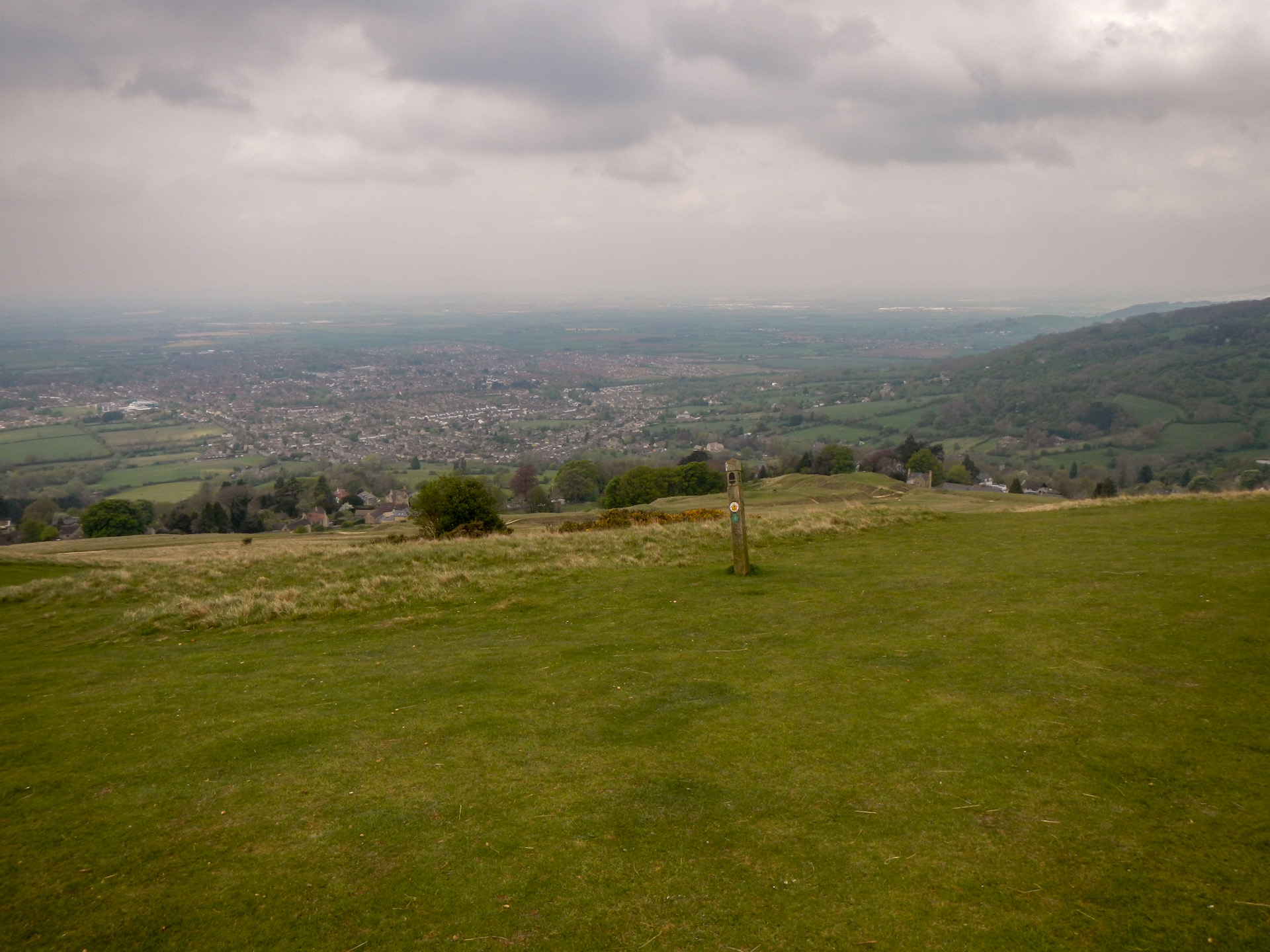
I descended to the village on the busy B4632. Fortunately all I had to do was cross the road next to the Rising Sun hotel to reach the onward path. The way climbed steeply. There isn’t any public right of way to the 279m high summit of Nottingham Hill but I got as close as I could. The remains of the Iron Age hill fort are prominent.
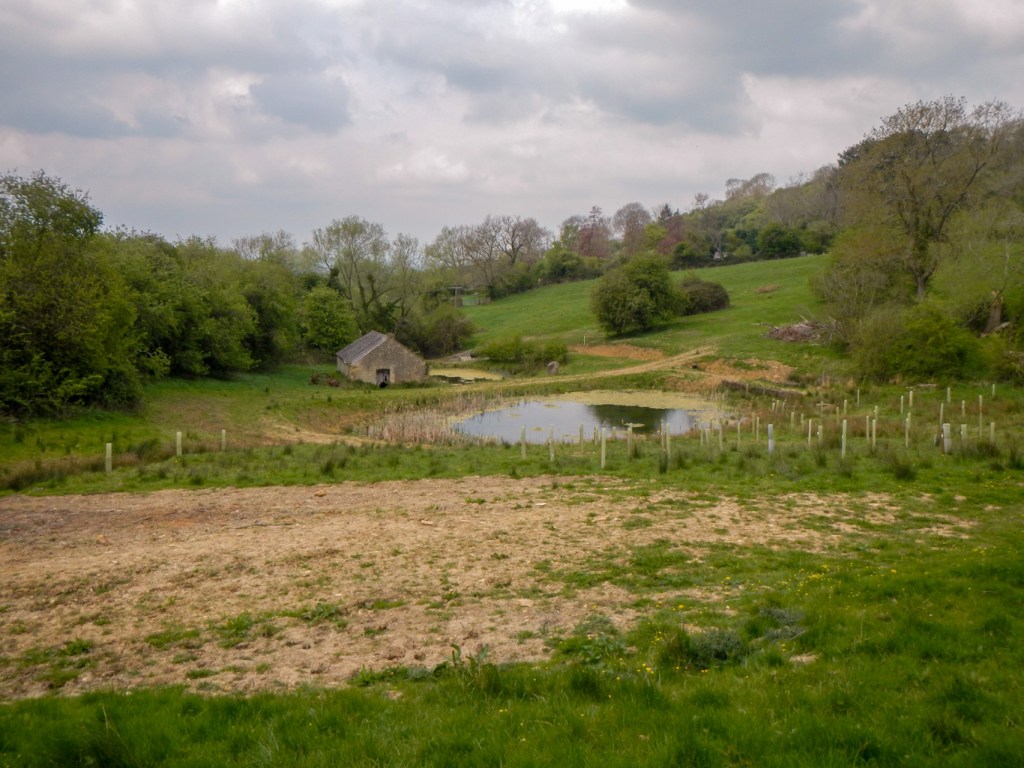
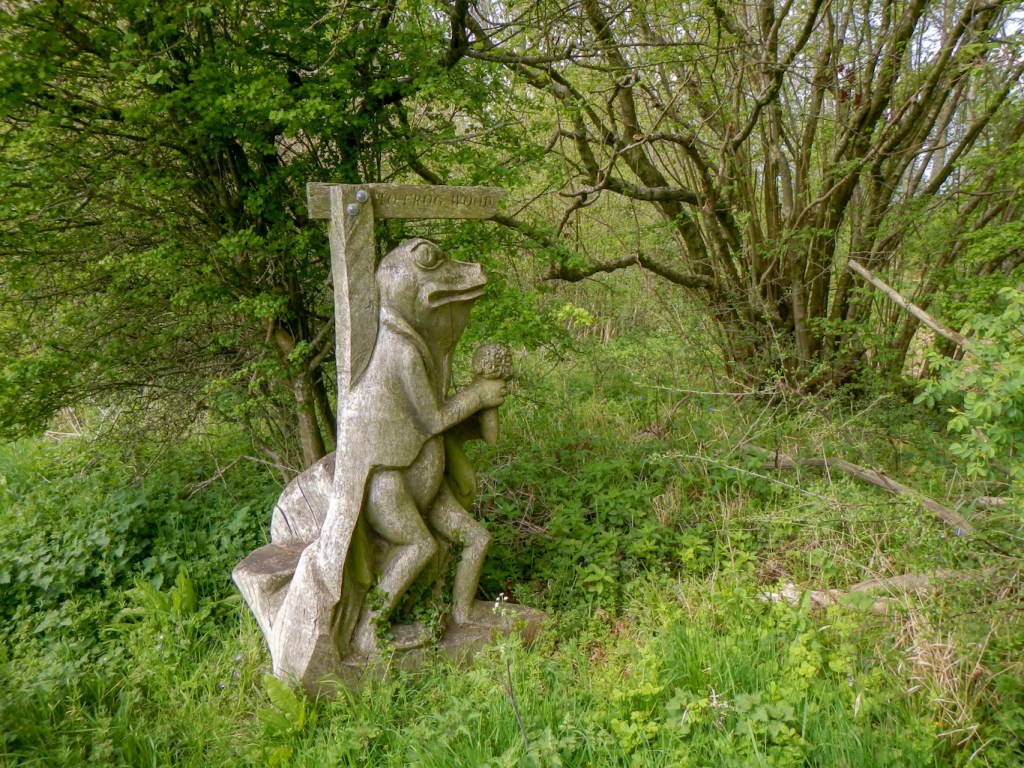
My route descended again. I had managed to find a route to walk with refreshingly minimal tarmac. I circuited a private wood – Frog Wood – but was able to see the interesting Frog sculpture over the fence.
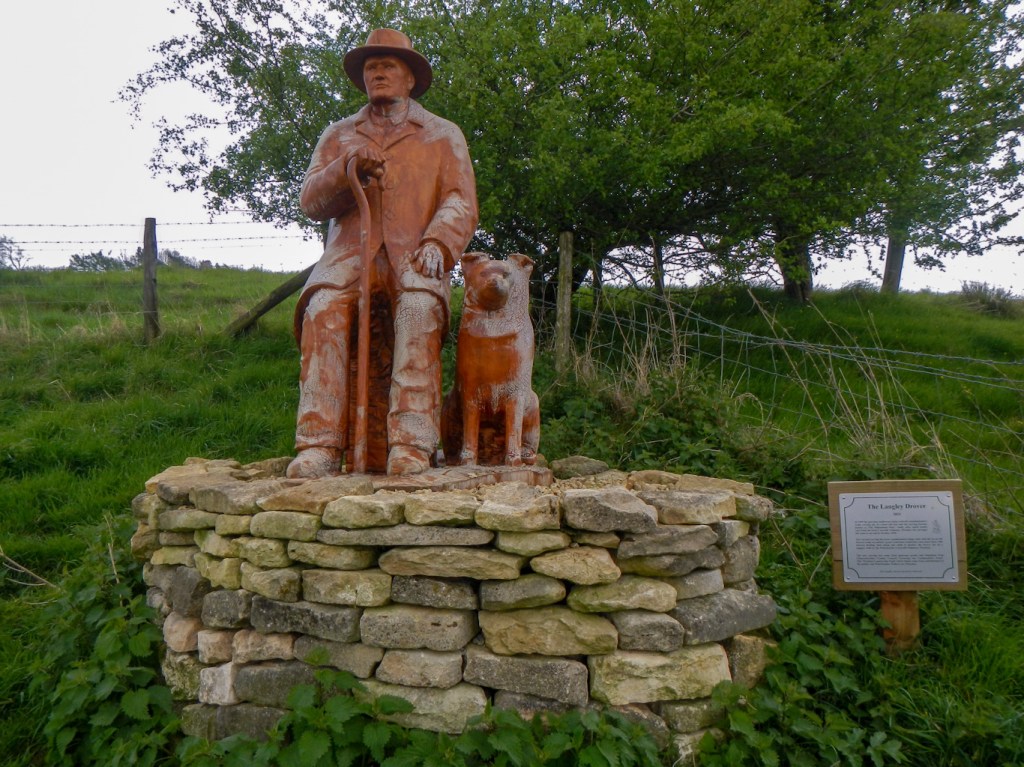
I followed various well defined footpaths and arrived at a magnificent life like sculpture of “The Langley Drover”. Apparently this replaced an earlier “Millennium man” sculpture which survived until October 2020. This sculpture is on the route of an old Drovers’ Road that would have been busy with drovers herding cattle and sheep to market. I had it to myself!
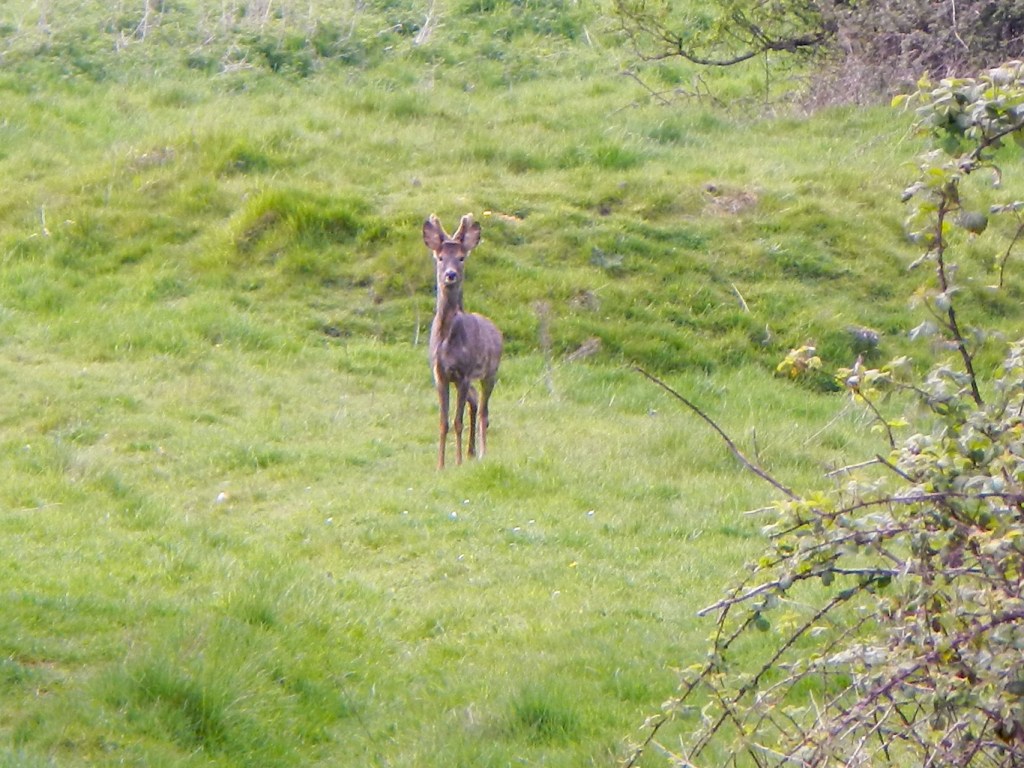
I went through the only field where I encountered cattle on the entire walk. However they weren’t near me. I managed to leave the right of way to reach the trig point on scrub land at the summit of Langley Hill. Just below the trig point, I was admiring the view of Winchcombe and suddenly spotted a single deer.
My route continued downhill to return to Winchcombe.

Overall this was a marvellous walk of about eighteen miles taking in significant archaeological sites and reaching some superb viewpoints; all achieved with minimal road walking.

 Where's Kathryn?