7 May 2021
On studying the claims of cities to be the smallest in England, Wells is the smallest free standing city with an area of 2.11 square miles. The City of London has a smaller area but is of course part of a much larger urban area. Hence it’s not particularly surprising that one moment I was walking through the bustling market place where the multiple cafes were serving socially distanced customers on outside tables and then, in a matter of a few hundred metres, I had passed the impressive but scaffolding cloaked west front of the Medieval Cathedral, the enormously wide moat surrounding the Bishop’s Palace and was surrounded by tranquil meadow scenes.
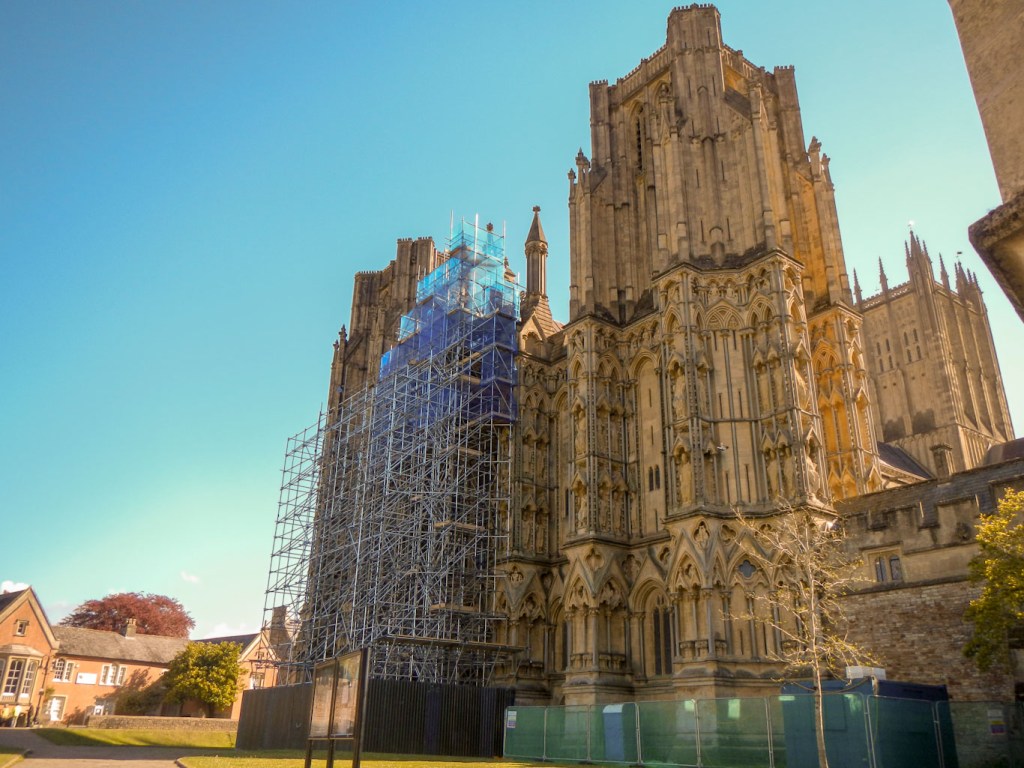
West Front of Cathedral 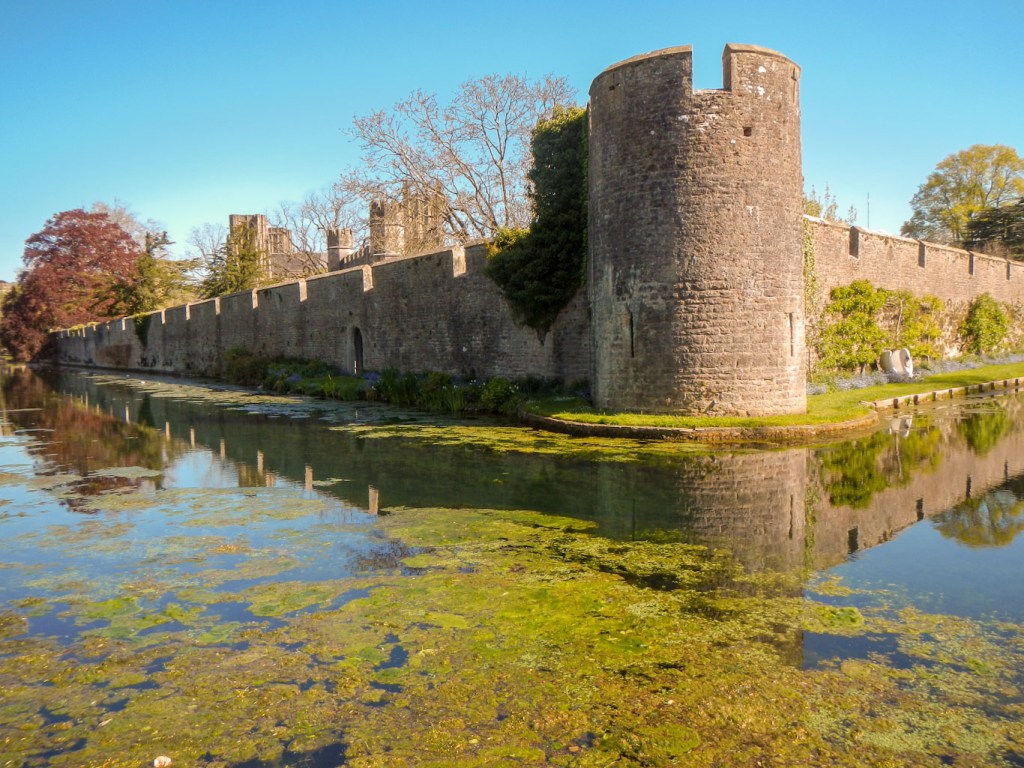
Bishop’s Palace moat 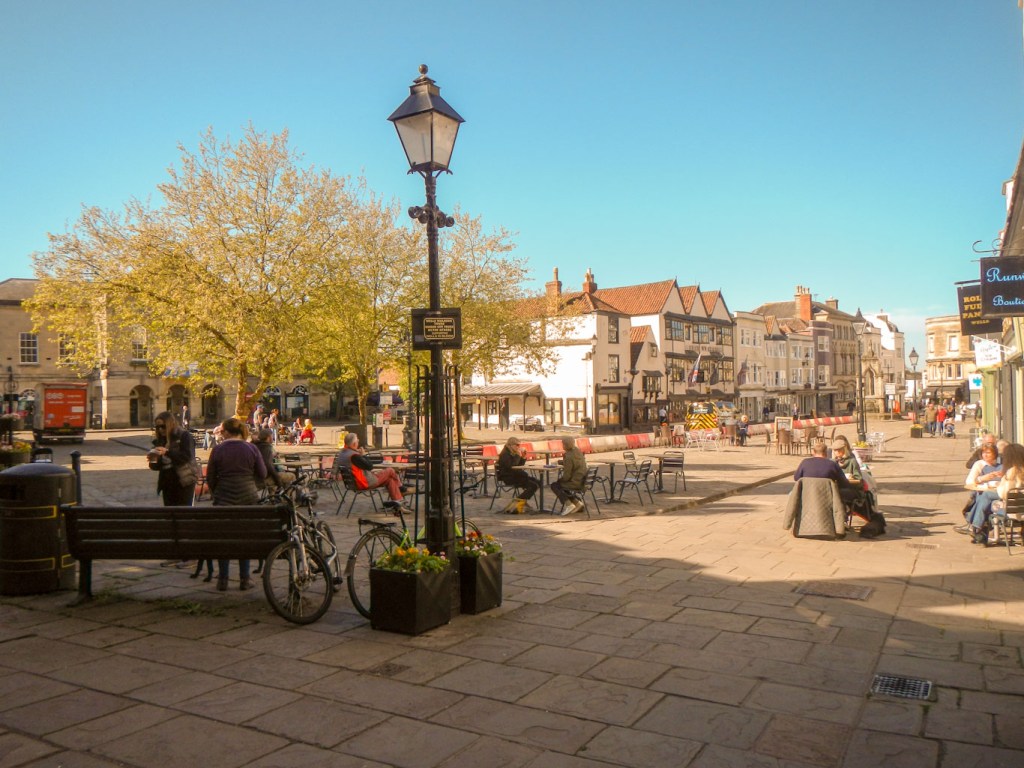
The market place
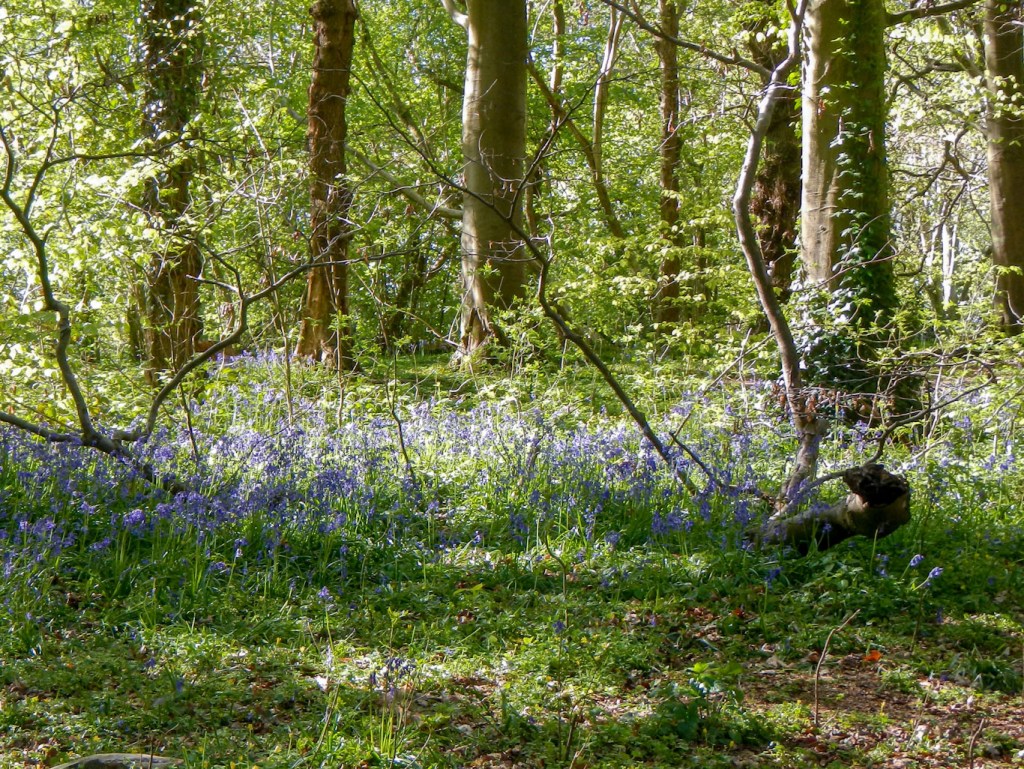
Before long, the meadows were also behind me and I was strolling through ancient woodland, carpeted with bluebells, watching a grey squirrel swiftly scurrying across the path in front of me before climbing a tree and disappearing from view. I was following part of the 615 mile long Monarch’s Way which stretches from Powick Bridge in Worcester to Brighton. The route tracks that taken by King Charles 2 after his defeat in the English Civil War at the Battle of Worcester. At least no-one was chasing me and I could take my time to enjoy the scenery on this beautiful sunny spring day.
I crossed the busy A371 on a footbridge and then a further bridge over the River Sheppey. I already had glimpses of the distinctive outline of Glastonbury Tor, at this distance looking like a steamed pudding topped with a candle. Soon I had my first significant climb of the day over Worminster Down, encountering several stiles. I descended through more woodland, where there were further bluebells as well as the pungent aroma of wild garlic, towards North Wootton. I came across a hidden encampment of semi-permanent looking tents and yurts. This was the first sign I noticed of the “alternative” lifestyles for which this area is famed.
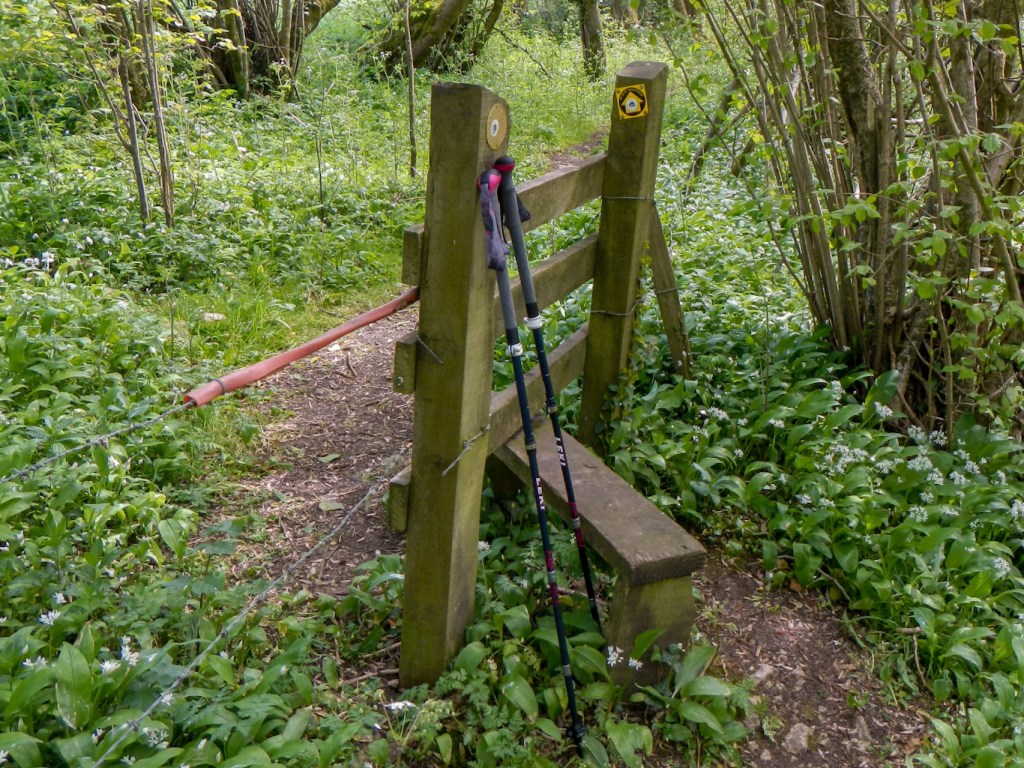
I left the Monarch’s Way temporarily to stroll through the conventional rural village of North Wootton, halting briefly to view the exterior of the neat 14th century church. A tractor passed emphasising the rurality of the area, as well as the fact that this is a working landscape.

After North Wootton, the land was flat. I clambered over many stiles in various states of repair near the edge of the Somerset levels. There were further views of Glastonbury Tor, which didn’t really seem to be any closer. I crossed the busy A361 trunk road, passing a field at the edge of the famous Glastonbury Festival site. This was the second indication of this being an “alternative” culture.
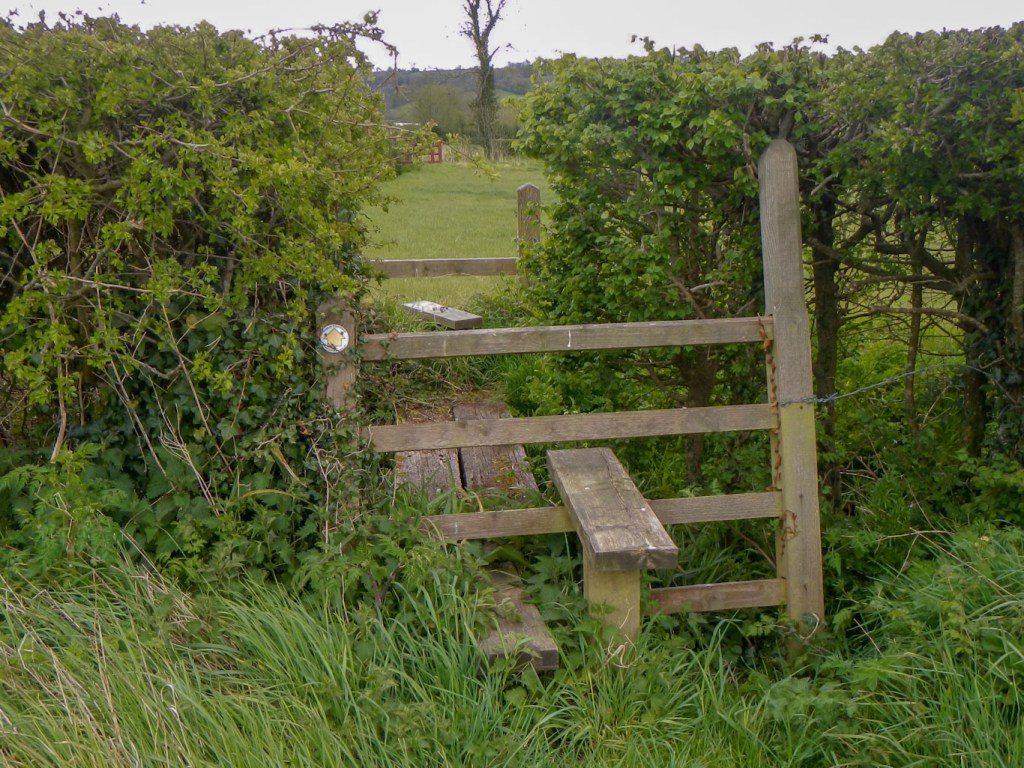
Soon I was climbing again on a quiet lane up the intriguingly named Stickleball Hill before turning off the Monarch’s Way on to a path along the ridge. From here there were views all the way across the West Mendips to the prominence of Brent Knoll, usually seen by me from the M5.
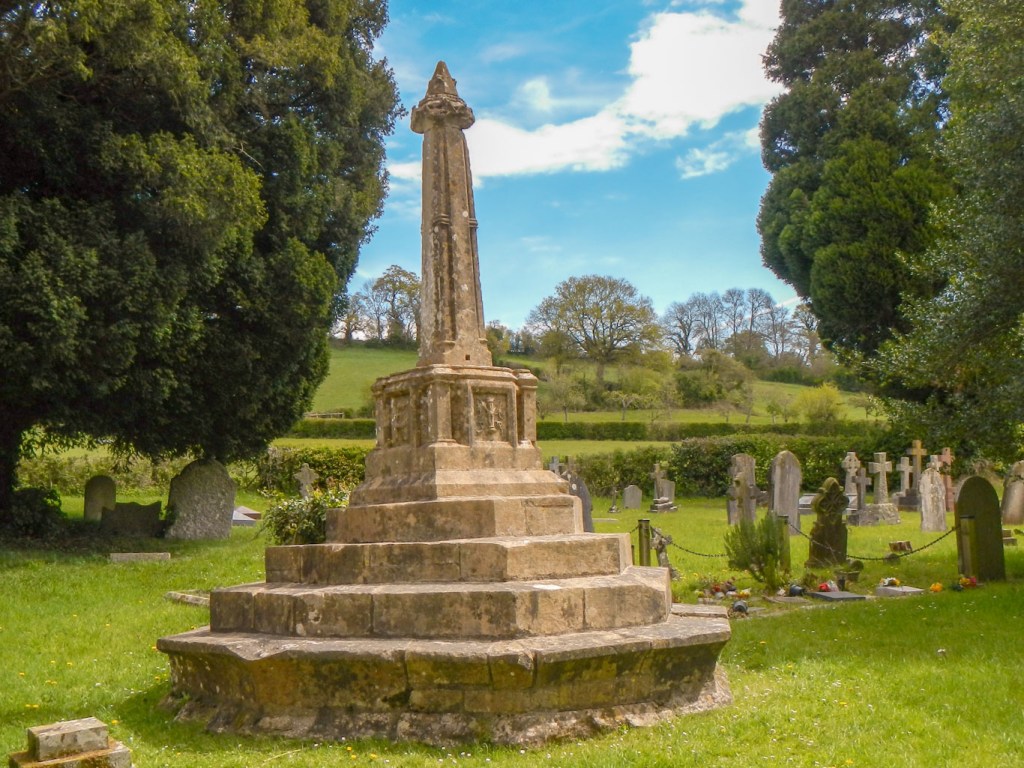
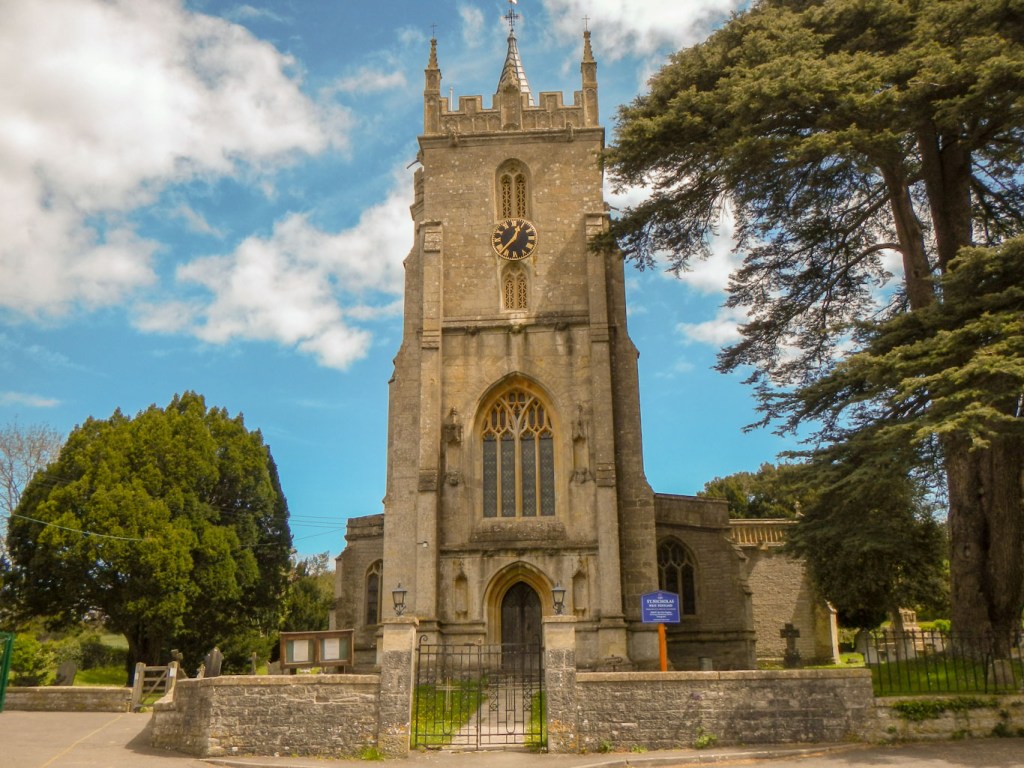
After eating lunch, sitting high above West Pennard village, listening to the sound of primary school children at play in the grounds of the primary school far below, I descended to the village. I seemed to miss the path somewhere but was definitely on it at the end as I entered the grounds of the 15th century church, passing the Grade 1 listed cross.
After some road walking, I was on farmland again, negotiating a gate past some fortunately disinterested geese. The footpath emerged at Norwood Park. It is definitely a path on the map but efforts appear to have been made to block it off and discourage walkers.
I consulted the map again to make a short diversion to the two remaining Oaks of Avalon, nicknamed Gog and Magog. In 2017, Gog was set alight by a candle and is now deceased, consisting of a dried out remnant. Magog is twisted and gnarled, surely with little life left. They are reputedly a thousand years old on ring count and the traditional entry point on to the Isle of Avalon. More symbols of alternative culture can be seen as there are bedraggled ribbons and decorations on some of their lower branches.
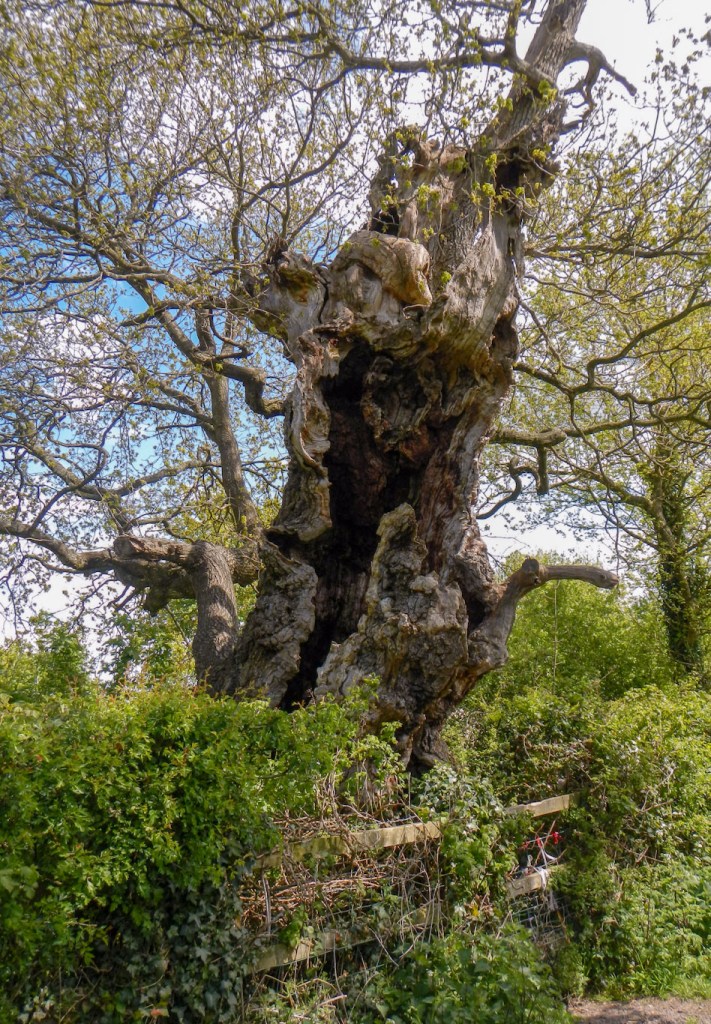
Magog 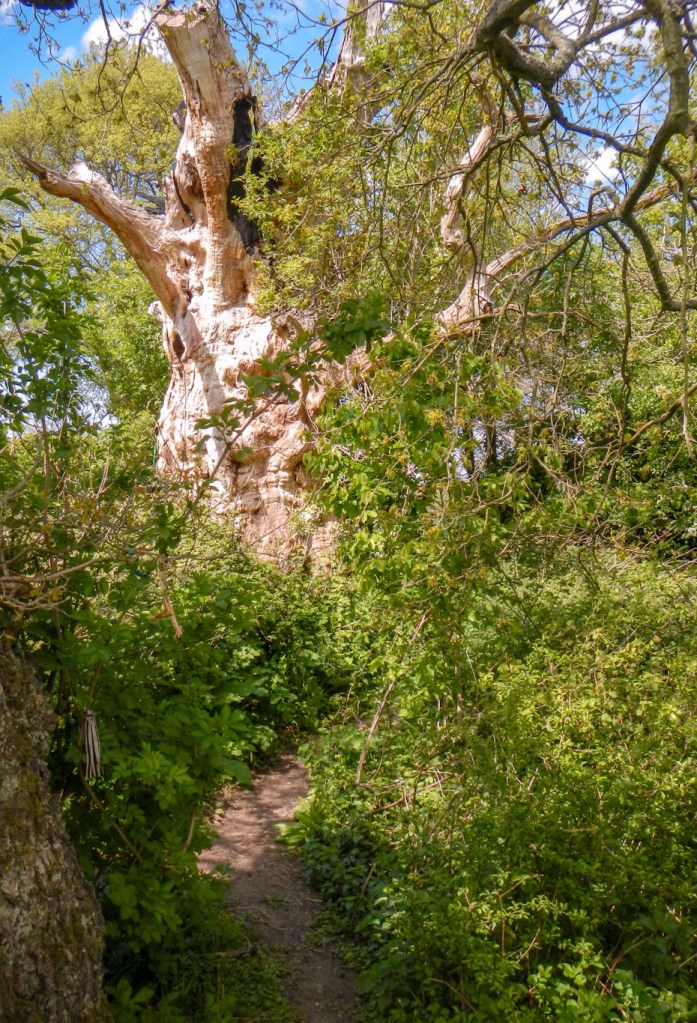
Gog
From this traditional entry point, I made my way uphill towards the Tor itself. At the back entrance, signs of alternative New Age lifestyle abounded. There were many camper vans and other mobile homes, one with an offer of free food, which appeared to be mainly bread rolls. As I entered the gateway to make my final ascent, there were many people in hippy attire, adding to the mystique of the destination.
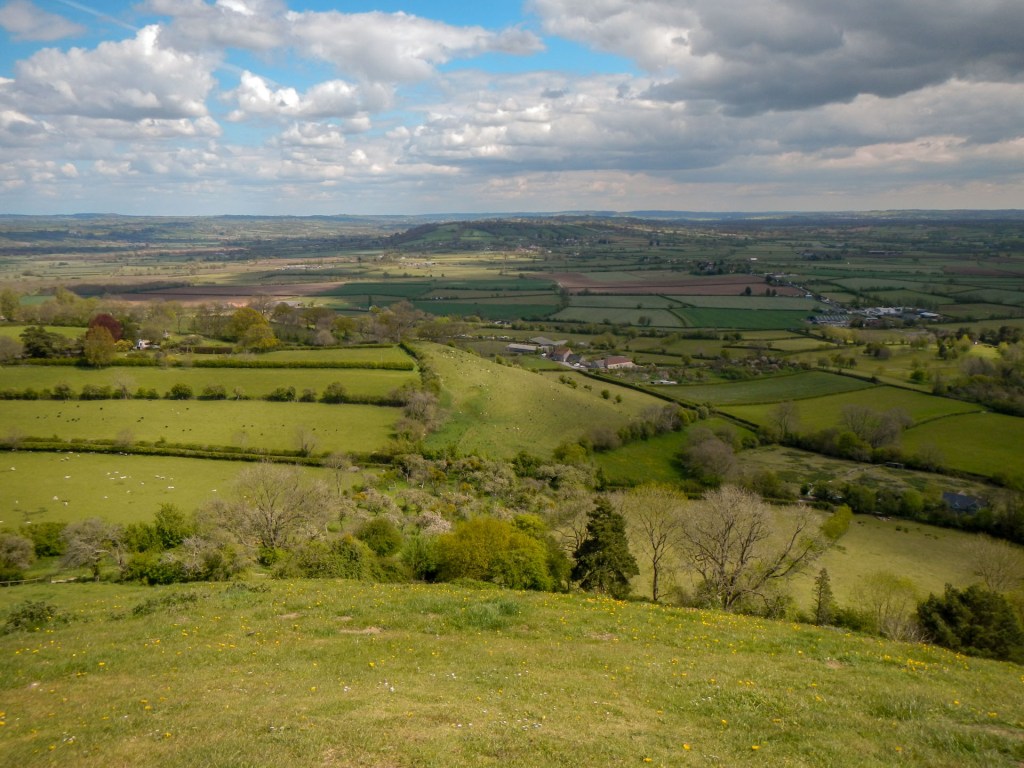
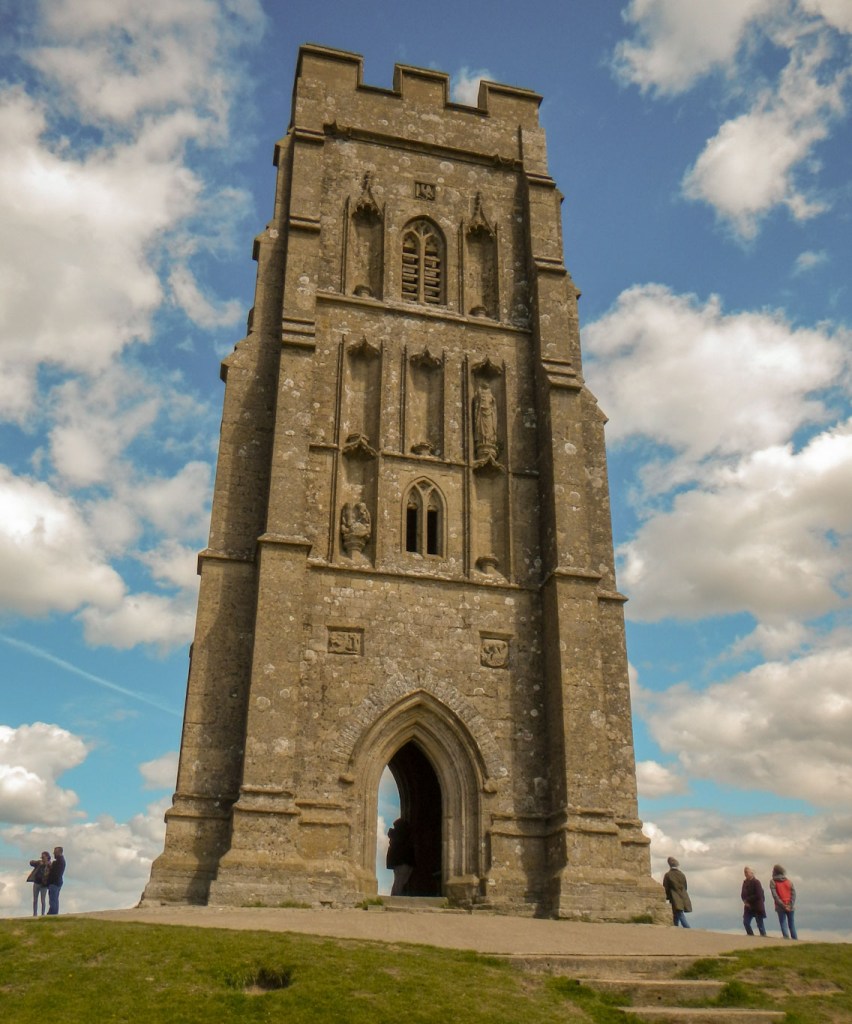
Steep steps and a sharply uphill path led to the summit with far reaching views and the tall stone tower on the summit itself. Having drunk in the views, I descended on the other side towards Glastonbury Town. It was noticeable that the “pilgrims” and tourists on this side of the hill in the main appeared to be far more conventional.
In the town centre, there were buskers, pavement artists and a bizarre assortment of shops offering “flower power” clothing, alternative healing, mystical experience and fortune telling. A motor cycle hearse passed by followed by an enormous cavalcade of bikers. Virtually everybody on the street stopped to watch this most unusual procession. There were motor bikes filling the street as far as I could see in both directions. However, in this place, it did not seem at all odd.
I waited at the bus stop opposite the entrance to the Abbey in order to catch the bus back to Wells. Across the road, there was a small building with open door offering free food. As at the van encampment, this seemed to consist of bread rolls. A large ramshackle looking car drew up and two men got out to take a look at the food before driving off empty handed and looking disappointed. Subsequently a newer 4×4 stopped, semi blocking the highway; the occupants drove off with armfuls of bread rolls. Next to this door at the entrance to the Abbey grounds, the affluent looking, predominantly middle aged tourists came and went, seemingly oblivious to the alternative dramas playing out around them.
My pilgrimage and adventure had certainly brought me from the conventional cathedral city, via an array of scenery and several hills, through the “back door” of an unusual centre of pilgrimage, where nothing seemed out of the ordinary. I had entered a veritable mystical hotchpotch of the old and new, the conventional and the alternative, all merging to form this unique place that is Glastonbury.

 Where's Kathryn?